Lemon Chicken Orzo Soup: the Brightest Bowl of Avgolemono Sunshine
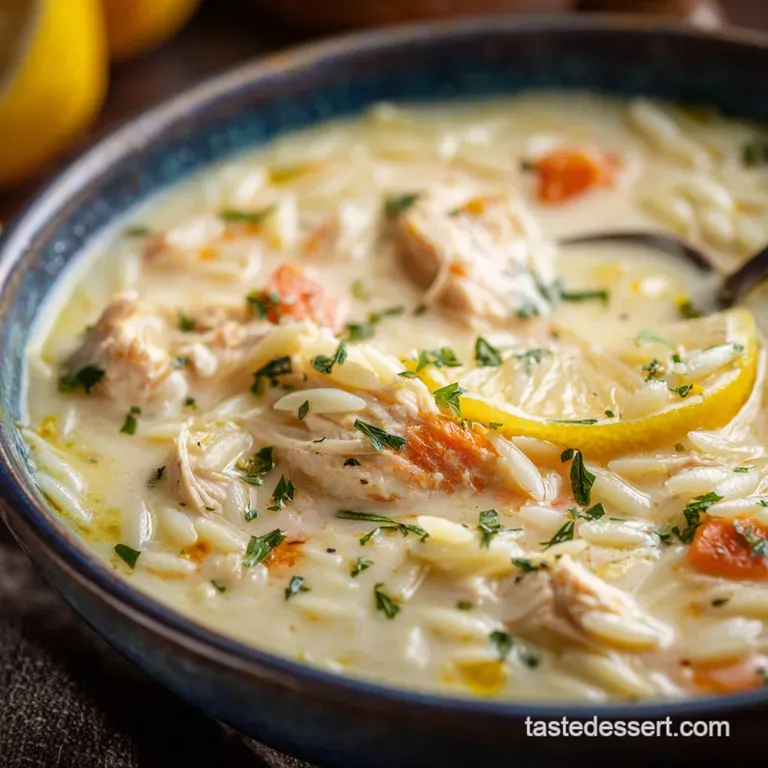
- The Brightest Bowl of Sunshine: Classic Lemon Chicken Orzo Soup (Avgolemono Style)
- The Ultimate Comfort Bowl: Diving into Lemon Chicken Orzo Soup
- The Science of Silk: Why This Lemon Chicken Orzo Soup Recipe Works
- Essential Ingredients and Smart Substitutions for the Perfect Batch
- Step-by-Step: Mastering the Avgolemono Technique Safely
- Expert Troubleshooting and Chef's Tips for Lemon Chicken Orzo Soup
- Perfect Pairings: What to Serve Alongside Your Sunny Bowl
- Recipe FAQs
- 📝 Recipe Card
The Brightest Bowl of Sunshine: Classic Lemon Chicken Orzo Soup (Avgolemono Style)
The Ultimate Comfort Bowl: Diving into Lemon Chicken Orzo Soup
The minute the steam hits your face, you know you’re in for something good. That tangy, vibrant scent of fresh lemon mixed with rich, savory broth? It’s pure, immediate comfort, friends.
This Lemon Chicken Orzo Soup isn’t just soup; it's sunshine in a bowl, capable of curing everything from the common cold to the Monday blues, and it leaves that incredibly creamy, luxurious mouthfeel thanks to the magic of eggs.
Look, weeknights are chaotic, and nobody wants a complicated recipe that involves three hours of simmering. This version is fast, shockingly healthy, and uses super cheap pantry staples you probably already have kicking around.
You get tender shredded meat, tiny little pockets of orzo pasta, and a broth so brilliant it makes you want to skip the bread and drink it straight from the pot. It’s truly a lifesaver.
Now, I know what you’re thinking: Avgolemono sounds fancy and maybe a little intimidating, but trust me, we are going to nail this together. We’re taking the classic Greek technique, ditching the guesswork, and making the best, silkiest, most flavorful lemon soup you’ve ever had. Let’s crack on.
The Science of Silk: Why This Lemon Chicken Orzo Soup Recipe Works
Why Avgolemono is More Than Just Lemon Soup
Avgolemono, which literally means "egg-lemon" in Greek, is a huge deal. It’s how you get that stunning, thick, velvety finish without adding any cream or heavy dairy. The trick here is using egg yolks as an emulsifier, thickening the broth gently while introducing a richness that cream just can't match.
A Brief History: The Greek Roots of This Recipe
This beautiful technique has been around forever, showing up in Greek and Middle Eastern cooking as a sauce and a soup base. It’s the ultimate example of resourceful cooking, transforming simple broth into a luxurious, restorative meal. Think of this soup as the ancient Greek secret to feeling cozy and well.
What Makes This Version Stand Out (Brightness and Silkiness)
Many recipes just dump the lemon and egg in, hoping for the best. We aren't hoping; we are planning. We create a deeply flavorful foundation by simmering the meat and aromatics in the stock first.
Then, we use a controlled tempering method, which prevents the eggs from scrambling, locking in that smooth texture.
Achieving the Perfect Velvety Avgolemono Finish (Tempering Technique)
This step is the make-or-break moment. Tempering is just a fancy word for gently raising the temperature of the eggs so they don't seize when they hit the hot soup. You must constantly whisk the eggs while you slowly ladle in the hot broth.
This technique transforms those yolks from potential scrambled bits into a thickening agent that holds the lemon and the fat of the broth together beautifully.
Building Depth: The Essential Role of high-quality Chicken Stock
Listen up: you can use store-bought stock, but please, please, use the best low-sodium stock you can afford. The broth is the soup here. If the broth tastes weak, the finished Avgolemono will just taste like weak lemon water.
I love using bone broth for this, as it adds extra body and richness that really holds the emulsion.
The Brightness Factor: Balancing Acidity and Richness
If you add lemon juice too early, it can often kill the flavor profile or even curdle your eggs. We add the lemon juice to the egg yolks before tempering, which stabilizes the mixture slightly. Then, if you need extra punch, you can always squeeze in a final teaspoon of lemon right before serving.
This late addition provides a needed burst of freshness.
Essential Ingredients and Smart Substitutions for the Perfect Batch
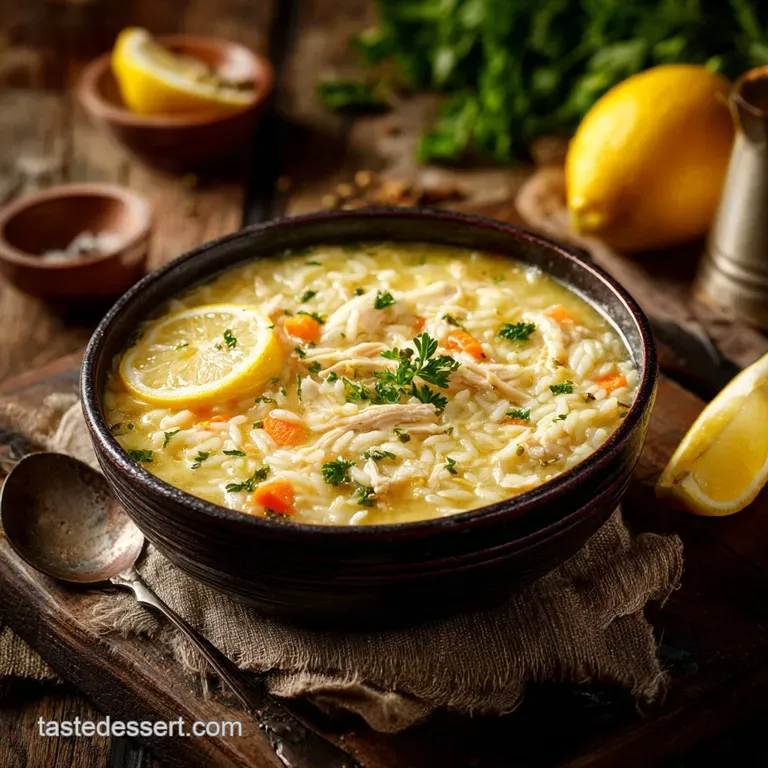
I always preach that better ingredients equal better food, especially when the recipe is this simple. But sometimes, life happens, and you need a quick swap. Here are the must haves and the smart alternatives.
Choosing the Right Orzo Pasta (And Alternatives to Orzo)
Orzo is key because its rice shape integrates perfectly into the liquid without feeling heavy. You want that small shape so the pasta acts almost like a grain, thickening the soup subtly as it cooks.
| Ingredient | Why it's Important | Viable Substitute |
|---|---|---|
| Orzo Pasta | Quick cooking, small size absorbs flavour. | Arborio Rice (takes longer) or Fregola (small, round pasta). |
| Chicken Thighs/Breast | Thighs add richness; breast keeps it lean. | Substitute with pre-cooked rotisserie meat for speed. |
| Fresh Lemon Juice | The defining flavor; essential acid. | Lime juice (will taste slightly different) or just double up on high-quality white wine vinegar. |
| Fresh Dill | Classic Greek herbal pairing. | Fresh mint (very traditional) or dried dill (use 1/3 the amount). |
| Egg Yolks | Provides the signature velvety texture. | Use 1 tbsp cornstarch mixed with 2 tbsp cold water as a slurry. (Texture won't be as rich, but it won't curdle!) |
The Core Components: Eggs, Lemon Juice, and Fresh Dill
You absolutely must use freshly squeezed lemon juice. That bottled stuff just tastes sad and artificial when it's the star of the show. Seriously, if you use bottled juice, I’m sending you straight to the back corner.
Prepping Your Chicken for Maximum Tenderness
We start the chicken raw, simmering it gently directly in the stock until fully cooked. This process, known as poaching, keeps the meat incredibly tender and, most importantly, adds layers of savory flavor to the stock itself. You need that rich, meaty baseline before you add the bright lemon.
If you want a quick fix, pre-shred a rotisserie chicken, then follow the instructions for the delicious broth creation, simmering the bones in the stock for 20 minutes first.
Ingredient Quality Check: What to Buy Fresh
Dill and parsley are not optional; they are the final aromatic lift. They bring color and freshness, countering the heaviness of the chicken broth. Don't skimp here!
Chef's Note: I once tried making this soup using leftover Chicken Thighs with Artichoke Hearts and Feta Chee Easy Skillet Recipe meat, but the seasoning was all wrong! Keep your soup simple and clean. Use unseasoned poached chicken for the best flavour balance.
step-by-step: Mastering the Avgolemono Technique Safely
Stage One: Simmering the Stock and Cooking the Orzo
Start by sautéing your diced carrots, onion, and celery in olive oil until they are soft about 8 to 10 minutes. This foundational step is called creating a soffritto, and it develops massive flavor.
Add the garlic and cook until fragrant, maybe 60 seconds, then dump in the chicken, stock, and seasoning. Simmer gently until the chicken is done, then remove it and shred it finely before setting it aside.
Crucial Step: Preparing the Egg and Lemon Mixture (The Tempering Base)
In a separate bowl, whisk those egg yolks vigorously until they look frothy and pale. Slow down and slowly stream in the fresh lemon juice, continuing to whisk until the mixture is thick and emulsified. That cornstarch, if you use it, acts as insurance against curdling, so it’s a brilliant little safety net.
The Gentle Temper: Introducing the Hot Broth to Prevent Scrambling
First, take the soup pot completely off the heat; this is non-negotiable. Now, grab a ladle of the hot broth and slowly drizzle it into the lemon egg mixture while whisking like your life depends on it. Repeat this two or three times until the egg mixture is noticeably warm to the touch.
You have effectively bridged the temperature gap between the cold eggs and the hot soup.
Final Assembly: Heating, Finishing, and Serving Immediately
Now, pour the warmed egg mixture back into the main pot slowly , stirring the entire time until it is fully incorporated. Return the pot to VERY LOW HEAT for just a minute or two. We are heating it just enough to thicken, but never, ever let it boil.
Stir in the shredded chicken, fresh dill, and parsley, then taste and adjust the salt or lemon. Serve this bright, cozy masterpiece right away!
Expert Troubleshooting and Chef's Tips for Lemon Chicken Orzo Soup
Emergency Fixes: How to Rescue Curdled Avgolemono
It happens to the best of us; you rushed the tempering, and now you have grainy, sad bits of scrambled egg in your soup. Don't panic! Immediately remove the pot from the heat. Whisk 2 tablespoons of cold water with a teaspoon of cornstarch and a fresh egg yolk, then slowly pour this new, cold mixture back into the warm soup while stirring vigorously.
If the curdling is bad, you might need to pour the soup through a sieve and then try to temper it with the fresh yolk mixture, but usually, the cold whisking trick works wonders.
The Danger Zone: Why You Must Never Boil the Finished Soup
If you boil the finished soup after adding the Avgolemono, those delicate emulsified egg proteins will break, and you will end up with curds. Boiling kills the silkiness. Once the egg mixture is incorporated, the soup should only be gently warmed through before serving.
Achieving Maximum Lemon Flavor Without Excessive Tartness
The key is using the lemon juice in two phases. Phase one is stabilizing the eggs during tempering. Phase two is the burst of fresh juice added right at the end after the soup is off the heat. This provides brightness without making the whole bowl aggressively sour.
The Orzo Dilemma: Preventing Pasta Absorption Overnight
Orzo is a greedy little thing and will absorb almost all your beautiful broth if left overnight in the fridge. If you know you’re making a huge batch for leftovers, undercook the orzo slightly or cook the orzo separately and add it to individual bowls only when serving.
If your leftovers are too thick, just stir in an extra splash of stock or water when reheating.
Reheating Tips for Preserving the Velvety Texture
Since we know boiling is forbidden, reheat gently on the stove over low heat or in the microwave at 50% power, stirring frequently. Add a tablespoon of fresh stock when reheating to restore the liquid consistency.
Can You Freeze Avgolemono Soup? (A Specific Warning)
Technically, yes, you can freeze it, but I really, really recommend you don't. The silky, creamy texture achieved by the egg emulsion will almost certainly break upon thawing. The soup will separate and turn grainy.
If you must freeze, freeze the plain chicken and orzo broth base before you add the lemon and eggs. Add the Avgolemono finish fresh after you thaw and reheat the base.
Perfect Pairings: What to Serve Alongside Your Sunny Bowl
This Lemon Chicken Orzo Soup is hearty enough to be a main meal, but it truly shines when paired with simple, contrasting sides.
For the carb portion, you need something robust. A slice of crusty sourdough or even some warm pita bread is essential for soaking up that tangy, rich broth. Honestly, don't skimp on the dipping apparatus.
If you are looking for another delicious soup idea that focuses on velvety texture, you might love my recipe for Potato Leek Soup Recipe: Velvety, Easy Comfort Food Classic . But for a side salad with the lemon soup? Keep it simple. A handful of fresh arugula tossed with olive oil, salt, pepper, and perhaps a touch of shaved Parmesan offers a perfect peppery contrast. The bite of the arugula is brilliant against the richness of the Avgolemono.
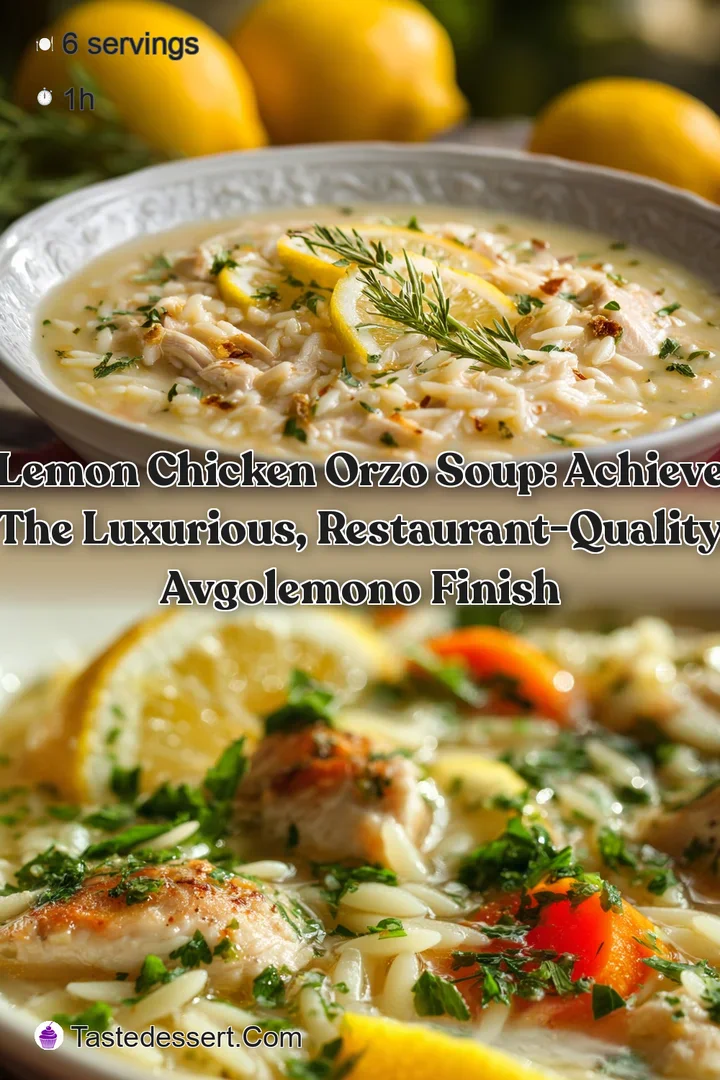
Recipe FAQs
How do I prevent the Avgolemono (egg-lemon mixture) from curdling?
The key to a silky finish is tempering. Before adding the egg mixture to the soup pot, slowly whisk in 2-3 ladlefuls of hot broth into the eggs and lemon juice this slowly raises the temperature of the emulsion.
Crucially, ensure the main pot of soup is hot but not actively boiling when you stir the tempered mixture back in; boiling the final soup will cause the eggs to scramble instantly.
My orzo soaked up all the broth overnight. What went wrong?
Orzo and other small pastas continue to absorb liquid long after they are cooked, especially when refrigerated. For the best texture and ample broth, many chefs recommend cooking the orzo separately.
If you prefer to cook it in the soup, know that leftovers will be thicker; simply add extra hot chicken stock or water when reheating to restore the proper soup consistency.
Can I freeze Lemon Chicken Orzo Soup?
While safe to freeze, freezing soup made with the Avgolemono technique can sometimes cause the egg-thickened broth to slightly separate or become grainy upon thawing.
For optimal results, freeze the soup base (broth, chicken, vegetables) before adding the cooked orzo and the egg-lemon mixture; you can then finish the soup fresh once thawed.
Why does my soup lack that bright, punchy lemon flavor?
Lemon flavor degrades and softens significantly when subjected to prolonged heat. To achieve that signature vibrant tang, ensure you add the majority of the lemon juice and all the fresh lemon zest right at the end.
Adding these components off the heat, just before serving, preserves the volatile oils and acidity needed for a truly bright flavor profile.
I want to make this soup gluten-free. Are there good alternatives to orzo?
Yes, this soup adapts beautifully to gluten-free variations. You can easily substitute the orzo with small GF pasta varieties, like ditalini or stars, or use white rice for a more traditional Greek twist.
Ensure that whichever starch you choose, it is cooked until tender before combining it with the main broth base.
My soup is not thick enough after adding the egg mixture. Can I fix it?
The soup is primarily thickened by the egg mixture, but if it's too thin, you can try incorporating a small cornstarch slurry. Dissolve one tablespoon of cornstarch in two tablespoons of cold water.
Stir the slurry into the warming soup gently until it reaches your desired consistency, being careful not to bring the mixture to a boil.
Can I prepare the chicken ahead of time for quicker assembly?
Absolutely, pre-cooking the chicken is an excellent time saver, especially if you are using leftover roasted chicken or rotisserie meat. Shred the chicken and keep it refrigerated until the soup base is finished.
Add the cooked chicken during the last 10 minutes of simmering just to warm it through completely before you perform the final Avgolemono thickening step.
Lemon Chicken Orzo Soup Avgolemono
Ingredients:
Instructions:
Nutrition Facts:
| Calories | 143 kcal |
|---|---|
| Protein | 5.9 g |
| Fat | 6.1 g |
| Carbs | 15.2 g |
