Greek Turkey Meatballs: Lemony Keftedes with Cooling Feta Yogurt Dressing
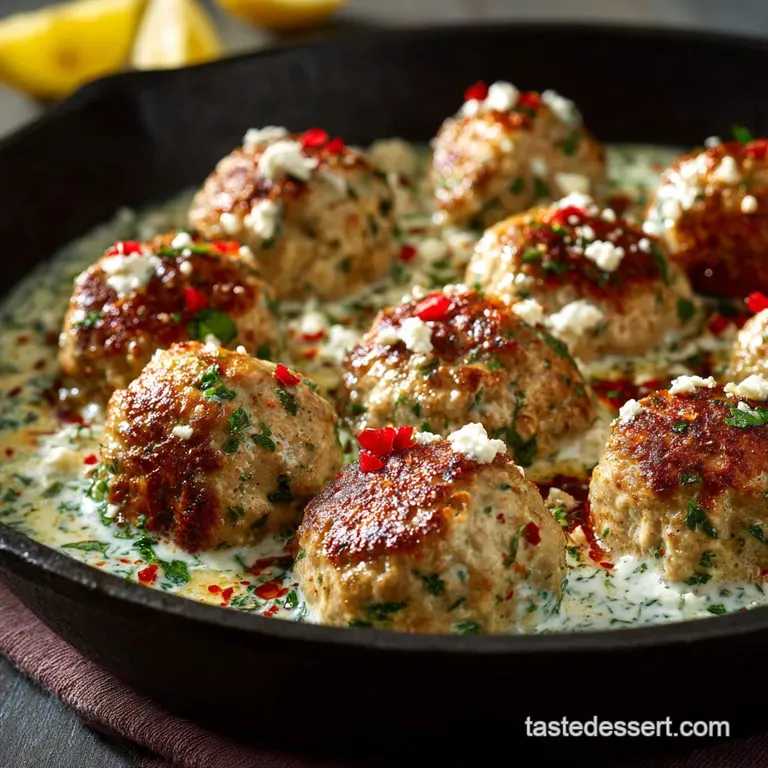
- The Best Greek Turkey Meatballs: Lighter Keftedes for Weeknights
- Achieving Maximum Moisture and Mediterranean Flavour
- Essential Ingredients for Authentic Flavour
- Ingredient Swaps and Dietary Adaptations
- Step-by-Step Guide to Cooking Your Greek Turkey Meatballs
- Chef’s Expert Tips and Troubleshooting Common Mistakes
- What to Serve with Lemony Greek Meatballs
- Freezing, Storage, and Reheating Greek Turkey Meatballs
- Recipe FAQs
- 📝 Recipe Card
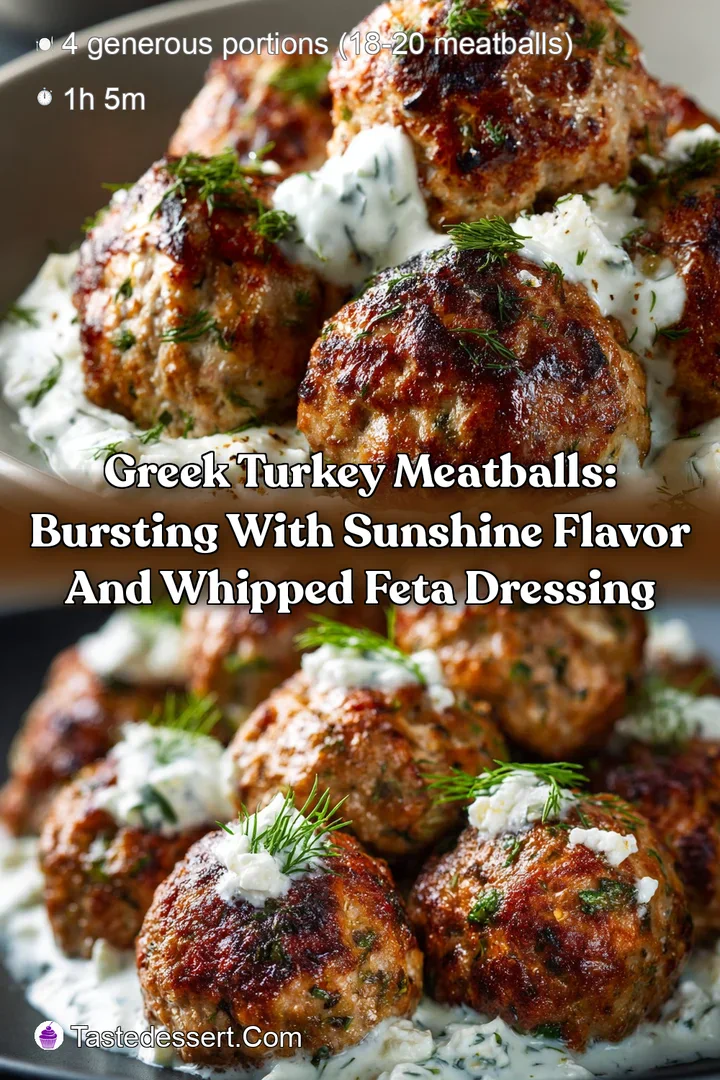
The Best Greek Turkey Meatballs: Lighter Keftedes for Weeknights
The smell of these greek turkey meatballs baking is just intoxicating. It’s that perfect blend of bright, zesty lemon and warm, earthy oregano, making your kitchen instantly smell like a taverna.
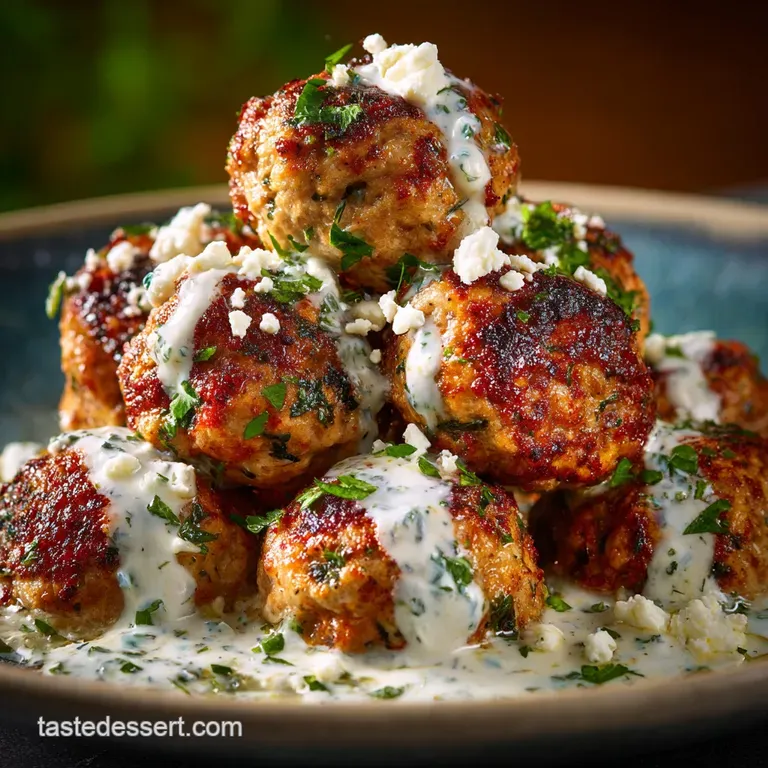
When they come out of the oven, they are tender and slightly golden, bursting with fresh herbs and that irresistible salty feta. Trust me, these are nothing like the dry, sad turkey spheres you might have encountered before.
I started making these when I realized how much money I was spending on heavier ground meats. Ground turkey is super budget friendly, and frankly, these Keftedes style meatballs are far lighter and faster than their traditional beef counterparts.
They’re absolutely perfect for a busy Monday night but feel fancy enough for casual weekend entertaining. They genuinely are a weeknight lifesaver.
We are packing serious Mediterranean flavour into every single bite, and the secret lies in two things: excellent fresh herbs and a crucial bit of salty feta for moisture. I’m also giving you my go-to recipe for the quickest, creamiest feta and yogurt dressing to dunk them in.
Let’s crack on with the secrets to making these perfect.
Achieving Maximum Moisture and Mediterranean Flavour
What Makes Them 'Keftedes Style'?
Keftedes are simply Greek meatballs, but they are defined by their aromatics, not just the meat. They rely heavily on fresh dill, mint, or parsley, and a good amount of lemon zest, giving them a much brighter taste than Italian or Swedish versions.
This recipe focuses on those core Mediterranean components, leaning into the brightness of the region. They are meant to be light, herbaceous, and incredibly fragrant.
A Low-Fuss Weeknight Meal Solution
Turkey needs a helping hand to stay moist, but it cooks incredibly quickly, which is why it's such a win for busy nights. We can have the entire batch prepped and baking in about 45 minutes, including the vital chilling time.
They also require very little fuss once they hit the baking tray, making them great candidates for easy clean-up.
Introducing the Whipped Feta & Herb Dressing
If you’re making lean turkey, you need a creamy counterpart for dipping, and a quick homemade Tzatziki inspired sauce is the answer. Our version uses creamy Greek yogurt and whipped feta, making it thicker and tangier than regular yogurt sauces.
This dressing cools down the heat from the oregano and complements the lemon in the meatballs perfectly. You absolutely shouldn't skip it.
The Feta Cheese Secret to Moist Turkey Mince
Lean ground turkey is notorious for drying out fast, and that’s where the feta comes in as our secret weapon. As the meatballs bake, the tiny bits of salty feta cheese soften and melt slightly, which traps moisture inside the meatball structure.
It keeps the texture tender and also adds a huge punch of sharp, savory flavour without needing excessive salt. It’s truly brilliant.
Why Fresh Herbs are Non-Negotiable
Dill and mint are the defining flavours of this dish, and dried versions just don't have the same impact. You need the brightness and the slight coolness that fresh herbs, especially mint and dill, bring to the mixture.
Using fresh herbs makes the difference between a good meatball and one that tastes exactly like sunshine. If you have to choose only one, make it the fresh dill.
Balancing Zest (Lemon) and Savoury Notes (Oregano)
Lemon zest is highly volatile, meaning its flavour dissipates quickly, so adding it raw directly into the mix provides a huge citrus hit. This zesty high note cuts through the richness of the feta and the earthiness of the oregano.
We use dried oregano in the meatball mixture because its flavour intensifies beautifully during cooking, providing a warm, savory backdrop.
Essential Ingredients for Authentic Flavour
The beauty of these greek turkey meatballs is how simple the ingredients are you probably have most of the spices already. Focusing on high-quality feta and fresh herbs is really the only investment needed here. We are trying to capture that bright, clean taste profile.
Ingredient Swaps and Dietary Adaptations
| Ingredient | Role | Viable Substitution |
|---|---|---|
| Ground Turkey | Main Protein | Ground chicken or a 50/50 blend of turkey and mild Italian sausage. |
| Plain Breadcrumbs | Binder/Moisture | gluten-free breadcrumbs, or 1/4 cup of finely ground almond meal. |
| Feta Cheese | Moisture/Flavour | Crumbled goat cheese (tangier) or finely chopped sun-dried tomatoes (dairy-free). |
| Greek Yogurt | Dressing Base | Sour cream or thick coconut yogurt (ensure it’s unsweetened). |
Building the Meatball Base (Turkey and Binder)
Ground turkey is the star, and I prefer the 93% lean variety because it holds its shape well and isn't too greasy. The binder egg and breadcrumbs is essential for keeping all that precious flavour locked in, preventing the meat from being tough. If you are a fan of using binders to keep lean meat moist, you will find this same approach works wonderfully in my Turkey Meatloaf Recipe: Moist Flavourful with Tangy Glaze too!
Key Greek Aromatics and Spices (Dill, Mint, Parsley)
Dill is mandatory for this recipe, giving it that classic Greek flavour that pairs so well with yogurt and lemon. I often use mint sparingly, as it can overwhelm the dish if you use too much. Parsley provides a good fresh background note without fighting the dill.
Use a mix that you enjoy, but never skimp on the dried oregano; it’s the backbone.
Making the Cooling Yogurt and Dill Sauce
This is our quick Tzatziki stand-in, but instead of grated cucumber, we focus on whipping the feta into the yogurt for maximum creaminess. Always use full fat Greek yogurt here. Full fat yields the best texture and holds up beautifully when cold.
A good glug of olive oil gives it richness, and a little dried dill ties it all together.
Binding Agents for gluten-free Meatballs
If you need greek turkey meatballs no breadcrumbs , simply swap standard breadcrumbs for a certified gluten-free variety. Alternatively, you can use fine almond flour or finely mashed white beans (about 1/4 cup) to bind the mixture effectively.
Just make sure your replacement binder is well incorporated.
Herb Substitution Guide (Dried vs. Fresh)
If you absolutely cannot get fresh herbs, use 1 teaspoon of dried dill and 1/2 teaspoon of dried mint, but be warned: the flavor will be muted. For the best result, always try to use fresh herbs; they make all the difference in this specific recipe.
dairy-free Alternatives for the Dressing
For a fully dairy-free option, substitute the Greek yogurt with thick, unflavored soy or coconut yogurt. Instead of whipped feta, incorporate some finely chopped, briny Kalamata olives and a touch of nutritional yeast into the dressing for a savory, umami punch.
step-by-step Guide to Cooking Your Greek Turkey Meatballs
Prep: Mixing and Shaping Uniform Meatballs
Start by combining all the spices, feta, breadcrumbs, and egg first; this ensures they are evenly distributed before the turkey goes in. Once you add the turkey, mix gently using your hands until everything is just combined.
Overmixing is the fastest way to achieve rubbery meatballs. Use a cookie scoop to make sure your meatballs are uniform they cook more evenly this way.
Cooking Options: Pan-Frying vs. Baking
For an easy, hands off approach, the greek turkey meatballs oven method is fantastic. Bake them on a lined tray at 400°F (200°C). However, pan-searing first (cook in batches!) gives you a deeply browned crust that adds a lot of flavour complexity.
I usually pan-sear them for about 8 minutes, then finish them in the oven if I'm making a large batch.
Finishing the Feta Yogurt Dressing
While the meatballs are chilling, whisk together the yogurt, feta, lemon juice, and olive oil. Don’t worry if the feta doesn’t fully dissolve; little pockets of salty cheese are delicious.
Always chill the sauce for at least 15 minutes before serving it thickens up nicely and tastes much better cold against the hot meatball.
Temperature Checks for Perfectly Cooked Turkey
Turkey must be cooked to an internal temperature of 165°F (74° C) . The easiest way to check this is with a meat thermometer poked into the center of the largest meatball. Once they hit 165°F, pull them out immediately to avoid drying them out.
They should feel firm to the touch but still spring back slightly.
Chef’s Expert Tips and Troubleshooting Common Mistakes
Chef’s Note: Never try to skip the chilling step for lean ground turkey. That 30 minutes in the fridge is essential for letting the binder absorb the moisture and allowing the fat to firm up, which helps them hold their shape and stay juicy during the heat shock of cooking.
Preventing Meatballs from Becoming Rubbery or Dry
The two biggest culprits for dryness are overmixing and overcooking. Remember: minimal mixing. If your mixture feels too dry before shaping, add a teaspoon of olive oil or a splash of water, but always gently fold it in. Once they reach 165°F, they are done. Period.
The Best Technique for Mixing Meatball Mince
I actually wear a food safe glove for this (it makes cleanup easier, too). Add all the non-meat ingredients first and toss them together. Then add the turkey and use gentle, folding motions with your fingers, almost like you’re trying to incorporate air.
Stop immediately once you can no longer see raw meat streaks.
Testing the Seasoning Before Cooking the Batch
Since we can't taste raw turkey, cook a small patty (about 1 teaspoon of mixture) in a small skillet for a minute or two. Taste this test patty, and if you need more salt, pepper, or lemon zest, adjust the large bowl mixture now before shaping all 20 meatballs. This guarantees perfect seasoning every time.
What to Serve with Lemony Greek Meatballs
These baked Greek turkey meatballs are so versatile, perfect for meal prepping or a dinner party. They work well served hot, straight from the oven, or even cold the next day.
Classic Mediterranean Sides (Salads and Grains)
You absolutely must serve them with a creamy starch or crunchy salad. A lemon herb orzo (Kritharaki) is a traditional and delightful pairing. For something lighter, a simple traditional Greek salad (Horiatiki) tossed with olives and plenty of olive oil works wonderfully.
You can also easily turn them into a stunning sandwich, tucked into warm pita bread with shredded lettuce and a heavy dollop of the feta dressing.
Ideas for Low-Carb and Keto Pairings
If you are keeping the carbs low, ditch the breadcrumbs (using almond flour instead) and pair the meatballs with zucchini noodles, cauliflower rice, or steamed broccoli dressed with lemon and oil. The meatballs themselves are high in protein and fat (thanks to the feta), making them a great base for a keto dinner.
Transforming Leftovers into a Quick Lunch
Leftovers are fantastic cold right out of the fridge. They make a brilliant packed lunch over a simple green salad with extra lemon dressing. If you’re looking for a quick weeknight reheat idea, toss them into a red sauce with some sun-dried tomatoes and serve over pasta, or try transforming them into a fast, comforting meal similar to my Cheesy Turkey Meatball Skillet: Easy One-Pan 40 Minute Dinner .
Freezing, Storage, and Reheating Greek Turkey Meatballs
These are excellent candidates for meal prepping! You can freeze them either raw or fully cooked.
Fridge Storage: Store leftover cooked meatballs and the dressing separately in airtight containers. They will keep well in the fridge for 3 to 4 days.
Freezing Raw Meatballs: Shape the raw meatballs and place them on a baking sheet lined with parchment paper. Freeze until solid (about 2 hours). Transfer the frozen, firm meatballs into a large freezer bag, labeled with the date. They will last up to 3 months.
Cook them straight from frozen, adding about 10– 15 minutes to the baking time.
Freezing Cooked Meatballs: Let them cool completely after cooking. Place them in a single layer in a freezer bag or container, removing as much air as possible.
Reheating: The best way to reheat cooked, frozen meatballs is to bake them again at 300°F (150°C) until warmed through (15– 20 minutes). If you microwave them, they tend to get rubbery. Serve with freshly made or thawed dressing.
Recipe FAQs
Why are my Greek Turkey Meatballs tasting dry?
Turkey is naturally much leaner than traditional beef or lamb, so overcooking is the primary culprit for dryness. To combat this, ensure you mix in the feta cheese and breadcrumbs properly, as they trap moisture during cooking, and always pull the meatballs from the heat immediately when they reach an internal temperature of 165°F (74°C).
Can I bake or air-fry these meatballs instead of pan-frying them?
Absolutely, for a lighter option. Bake them on a parchment lined sheet at 375°F (190°C) for 18 20 minutes, or air-fry at 370°F (185°C) for 12 15 minutes, ensuring you flip them halfway through.
While baking won't achieve the deep crust of pan-frying, it is excellent for healthier, bulk preparation.
How should I store leftover meatballs, and can I freeze them?
Store cooked meatballs in an airtight container in the refrigerator for up to 3 4 days, reheating gently to prevent them from drying out. They freeze exceptionally well: cool them completely, flash freeze them on a sheet tray, and then transfer them to a heavy duty freezer bag for up to 3 months.
My meatballs are falling apart when I try to cook them. What is the binding issue?
This usually occurs when the mixture is either too wet or the binding agents (egg and breadcrumbs) are insufficient. Ensure you use fine breadcrumbs, don’t overwork the mixture when forming, and crucially, chill the formed meatballs for at least 30 minutes before cooking to help the fat firm up and stabilize their shape.
Can I substitute the turkey for ground beef or lamb?
Yes, traditional Greek Keftedes often use a blend of ground beef and lamb, which will provide a significantly richer flavor and higher fat content. If you use a fattier meat, you may need to slightly reduce the amount of added breadcrumbs to maintain the proper texture, as the fat will add extra moisture.
I want a stronger lemon flavor. How can I increase the zest without adding acidity?
The best way to boost the lemony notes is to incorporate finely chopped preserved lemons into the meat mixture. Preserved lemons offer an intense, salty, floral citrus flavor without the sharp acidity of fresh lemon juice. Alternatively, you can add extra lemon zest to the feta dressing just before serving.
Can I make the accompanying Whipped Feta & Herb Dressing dairy-free?
You can certainly adapt the dressing to be dairy-free by substituting the Greek yogurt with a thick, high-quality plain coconut yogurt or cashew based alternative. For the feta component, look for plant based feta alternatives, which successfully mimic the salty, tangy punch of traditional feta cheese.
Lemony Greek Turkey Meatballs With Feta
Ingredients:
Instructions:
Nutrition Facts:
| Calories | 322 kcal |
|---|---|
| Protein | 37.0 g |
| Fat | 15.0 g |
| Carbs | 10.0 g |
