Low Fat Cream Cheese Frosting: the Ultimate Guilt-Free Classic

- Mastering the Art of Low Fat Cream Cheese Frosting: A Lighter Take
- The Science of Lightness: Why This Frosting is Featherlight
- Decoding Your Ingredients: Essential Components for the Best Low Fat Cream Cheese Frosting
- The Method: Whipping Up Your Cloud-Like Frosting, Step-by-Step
- Troubleshooting & Expert Advice: Fixing Thin or Soupy Frosting
- Storage Solutions: Keeping Your Frosting Fresh and Fluffy
- Beyond Cake: Delicious Ways to Use This low-fat Cream Cheese Frosting
- Recipe FAQs
- 📝 Recipe Card
Mastering the Art of low-fat Cream Cheese Frosting: A Lighter Take
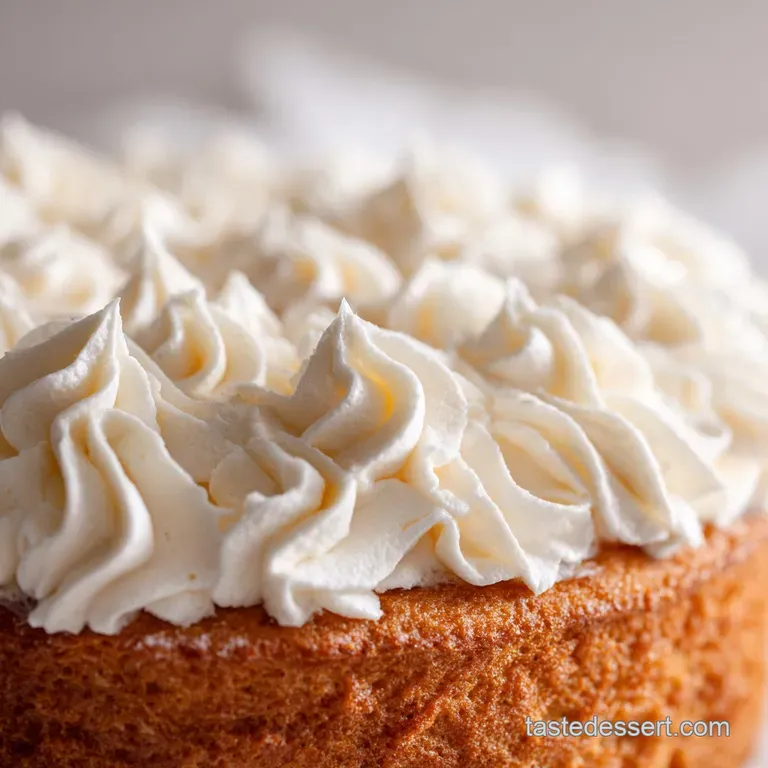
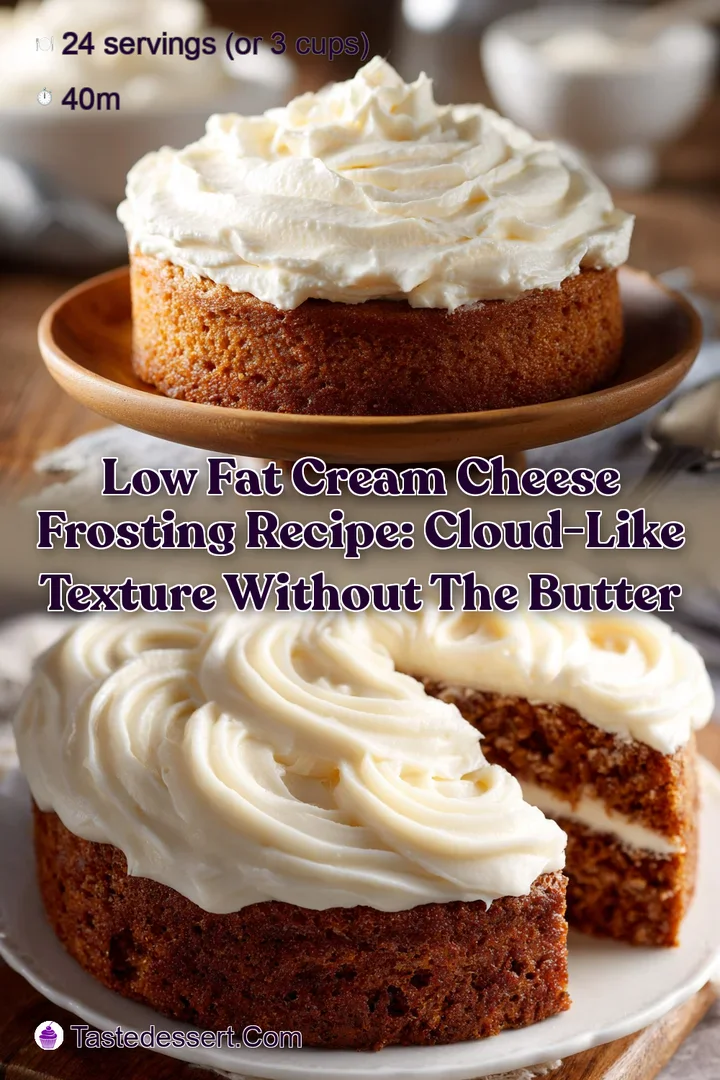
The moment you lift the whisk, the air smells intensely sweet and bright that unmistakable aroma of tangy cream cheese and vanilla. This isn’t just a topping; it’s an experience. The texture we are chasing is cloud like, intensely airy, yet still firm enough to hold its lovely shape.
Let’s be honest, traditional cream cheese frosting is basically a block of butter mixed with sugar, which can feel heavy and overwhelming. This low-fat cream cheese frosting version completely eliminates the heaviness, delivering the same essential tang and rich sweetness.
It’s a total lifesaver when you want that luxurious finish without the full fat consequences, and the entire thing comes together in under ten minutes of active mixing.
I’ve wasted countless batches trying to get reduced fat dairy to behave, ending up with soupy messes or grainy disasters. But I finally nailed the technique. Get ready to learn the secrets of stabilization and temperature control that result in the perfect, skinny cream cheese frosting recipe for your favorite baked goods.
The Science of Lightness: Why This Frosting is Featherlight
The Magic of Reduced Fat: Dispelling Texture Myths
This recipe works because we treat the reduced fat cream cheese differently than we would a standard stick of butter. Skipping the non-fat options is critical; those have too much water and will always weep. Instead, we use the 1/3 less fat variety, focusing on incorporating maximum air into the dairy proteins.
How This Recipe Cuts the Fat Without Sacrificing Flavor
We replace the structural role of butter with thick, strained non-fat Greek yogurt. That yogurt adds necessary protein and acidity, which stabilizes the mixture beautifully while providing the signature tangy kick.
This clever swap means we achieve a rich, guilt free cream cheese frosting that feels luxurious without relying on excessive saturated fat.
Essential Equipment Checklist for Perfect Frosting
You absolutely must use an electric mixer here, either a stand mixer with a paddle attachment or a powerful hand mixer. A manual whisk just won't cut it, as this frosting demands vigorous beating for aeration. Also, please use a fine mesh sieve; gritty frosting is a preventable tragedy.
Whipping Technique: Incorporating Air for Cloud Like Texture
Unlike traditional buttercreams where you mix until just combined, this low-fat base loves to be whipped. We beat the cream cheese first until super smooth, then the whole mixture gets cranked up to medium high speed for a solid three to four minutes.
This aeration is how we capture the air needed for that signature lift.
The Role of Chill Time in Stabilizing the Reduced Fat Base
Because it’s lighter, this frosting needs time for the dairy structure to settle down. A mandatory 30 minute rest in the fridge isn't just a suggestion; it’s essential science.
This chilling process firms up the entire composition, transforming it into a perfectly pipeable lower fat cream cheese frosting .
Achieving Tangy Depth: Balancing Acidity and Sweetness
The slight sourness from the reduced fat cheese and Greek yogurt is the secret to keeping this frosting from tasting like pure powdered sugar. A small pinch of salt and a dash of lemon zest (optional, but highly recommended) amplify that tang.
It creates a vibrant flavor profile that cuts through the sweetness beautifully.
Decoding Your Ingredients: Essential Components for the Best low-fat Cream Cheese Frosting
Selecting the Right Reduced Fat Cream Cheese (Temperature is Critical)
I learned this the hard way: if your cream cheese is cold, your frosting will be lumpy, guaranteed. The cheese needs to be genuinely soft, but not sloppy think about 30 minutes on the counter.
Never microwave it to hurry the softening process, as that will melt the delicate structure and result in a broken emulsion.
Substitutions & Stabilizers
If you can't find reduced fat cream cheese, or perhaps need a lower carb option, here are some reliable alternatives.
| Ingredient | Role | Viable Substitute | Chef's Note |
|---|---|---|---|
| Reduced Fat Cream Cheese | Base/Tang | Neufchâtel or Full Fat Ricotta (Strained) | Strain ricotta overnight; moisture is the enemy. |
| Non-Fat Greek Yogurt | Body/Acidity | Sour Cream (adds more fat) | Use only very thick, plain yogurt. |
| Powdered Sugar | Sweetener/Stabilizer | Powdered Erythritol/Monk Fruit Blend | Measure carefully; artificial sweeteners are much sweeter by volume. |
| Milk (For Thinning) | Consistency | Unsweetened Almond Milk or Cream | Start with just half a teaspoon if you need to thin it out. |
Flavor Enhancers: Choosing the Best Vanilla Extract
Since the ingredients are so minimal, the quality of your flavorings matters deeply here. Skip the imitation stuff and grab a good quality pure vanilla extract. For holiday bakes, adding a touch of almond or even maple extract makes this low-fat cream cheese frosting for carrot cake feel incredibly autumnal.
The Method: Whipping Up Your Cloud Like Frosting, step-by-step
1. Sift the Sugar First: Sift the entire amount of powdered sugar into a separate bowl. Seriously, don't skip this step! It ensures no lumps sneak into your final product.
2. Cream the Base: Place your softened cream cheese into the mixer bowl. Beat it on medium speed for 1- 2 minutes until it looks like fluffy whipped cream and is completely smooth. Scrape down the sides well.
3. Add Wet Components: Add the Greek yogurt, vanilla, salt, and zest (if using). Mix on low speed just until combined; we don't want to beat too much air in yet.
4. Incorporate Sugar Slowly: Turn the mixer speed to the absolute lowest setting. Gradually add the sifted powdered sugar, about half a cup at a time. Wait until one batch is mostly absorbed before adding the next one to avoid creating a sugar dust cloud in your kitchen.
Crucial Chef’s Note: Once the sugar is in, increase the mixer speed to medium high. Beat the frosting for a full 3– 4 minutes. This process, known as aeration, is what makes the low-fat base fluffy and structurally sound.
5. Chill and Finish: Transfer the lightened frosting to a container and refrigerate for at least 30 minutes. This mandatory rest is essential for stability. When you’re ready to use it, give it a quick 30 second low-speed re-whip to restore its perfect texture.
Troubleshooting & Expert Advice: Fixing Thin or Soupy Frosting
Phase 1: Creaming the Reduced Fat Base to Prevent Lumps
If you see little chunks of cream cheese lingering after the initial creaming stage, pause! You need to take a spatula and physically press those lumps against the side of the bowl until they dissolve. Once the powdered sugar goes in, those lumps become permanent, dry little bits of sadness.
Temperature Control: The Biggest Mistake Home Bakers Make
If your frosting suddenly looks thin or starts to separate, it means the ingredients got too warm. This is incredibly common when using reduced fat dairy. Stop the mixer immediately and place the entire bowl (with the contents still inside) into the refrigerator for 15 to 20 minutes.
The cold will firm it up, allowing you to return and finish the whip successfully.
The Ultimate Fix for Over Whip (When the Frosting Separates)
Sometimes, excessive mixing or slightly warm ingredients cause the frosting to "break," leaving you with a grainy, separated mess. Don't throw it out! Add 1 tablespoon of very cold, full fat heavy cream or milk while beating on the lowest speed.
That cold fat usually re-emulsifies the mixture, pulling everything back together smoothly.
Storage Solutions: Keeping Your Frosting Fresh and Fluffy
Refrigeration Guidelines for Prepared Frosting (Up to One Week)
This low calorie cream cheese frosting stores beautifully. Place it in an airtight container and it will last happily in the refrigerator for up to seven days.
To prevent the surface from drying out and forming a hard shell, press a layer of plastic wrap directly onto the surface before sealing the lid.
Can You Freeze This Specific low-fat Cream Cheese Frosting? (A Detailed Answer)
Yes, surprisingly, it freezes well! Scoop it into a freezer safe bag, pressing out all the air, and freeze for up to three months. When you’re ready to use it, thaw the frosting overnight in the refrigerator.
It might look a little watery or grainy upon thawing this is just water separating from the reduced fat solids. Give it a quick 30 second blast in the mixer, and it will be smooth and ready to spread.
Bringing Chilled Frosting Back to Whipping Consistency
Never try to frost a cake with cold frosting; it’s stiff and will drag across your baked goods. Remove the frosting from the fridge about 15 minutes before you need it.
Then, transfer it to your mixing bowl and beat it on low speed for just long enough (30 45 seconds) to restore its smooth, creamy, and spreadable texture.
Beyond Cake: Delicious Ways to Use This low-fat Cream Cheese Frosting
Pipeable vs. Spreadable: Adjusting the Consistency for Decoration
If you need a firm consistency suitable for piping roses or elaborate borders, try adding 1/2 teaspoon of cornstarch to the powdered sugar mixture before you incorporate it. For a thinner, drizzly glaze consistency (perfect for cinnamon rolls), simply whisk in an extra 1 2 teaspoons of milk until you reach your desired flow.
Perfect Pairings: Best Cakes and Desserts for the Lighter Frosting
This tangy frosting is made to cut through rich, spiced flavors. It’s the definitive pairing for red velvet cake, spiced pumpkin muffins, and classic carrot cake. I also love using it as the finishing touch for my layered desserts, like giving a perfect light crown to my famous Pumpkin Cheesecake Shooters Ultra Creamy No-Bake Dessert Shots . It adds just the right zing!
Using the Frosting as a Guilt Free Fruit Dip or Filling
For a simpler, immediate use, whisk in one more tablespoon of Greek yogurt to slightly loosen the mixture. This immediately transforms the frosting into a fantastic, tangy dip for fresh strawberries, apples, or graham crackers. This is a brilliant way to enjoy your favorite flavor without the commitment of baking, making it feel very much like those easy low-fat cream cheese frosting WW recipes . It is the ideal sweet finisher after something savory and light, perhaps following my light Whipped Ricotta Toast with Roasted Tomatoes: Easy Cloud Like Creaminess .
Recipe FAQs
Why is my low-fat cream cheese frosting too runny or thin?
low-fat cream cheese naturally contains more water than its full fat counterpart, which can result in a softer consistency. Ensure your cream cheese is properly chilled before mixing and add the powdered sugar slowly until the desired thickness is reached.
If it is still too soft, briefly chilling the finished frosting for 30 minutes will help it firm up.
How should I store the leftover frosting, and how long does it last?
Due to the dairy content, this frosting must always be stored in an airtight container in the refrigerator. It will keep well for up to 5 days if properly sealed. Before use, let the frosting sit out at room temperature for 15 minutes and give it a quick whisk to restore its cloud like texture.
My frosting became very stiff after chilling. How do I make it spreadable again?
This frosting relies on cold temperatures to hold its structure, which means it will become quite firm when fully chilled. To restore spreadability, allow it to sit at room temperature for 15 20 minutes, then gently re-whip it for 30 seconds using a hand mixer or stand mixer paddle attachment.
Avoid over whipping, as this can incorporate too much air and cause it to break.
Can I substitute the reduced fat cream cheese for a non-dairy or vegan alternative?
While substitutions are possible, be aware that vegan cream cheese alternatives vary widely in consistency and water content. You may need to significantly adjust the amount of powdered sugar to compensate for differences in moisture.
Look for a brand known for its firm texture, or consider adding a teaspoon of cornstarch to improve stability.
Can I use granulated sugar instead of powdered sugar in this recipe?
No, powdered (confectioners') sugar is essential for achieving the smooth texture and necessary body of this frosting. Granulated sugar will not dissolve completely into the cold cream cheese base. Using granulated sugar will result in a gritty, unstable, and very thin consistency.
What are some good flavor variations for this low-fat frosting?
This base is highly versatile for flavoring. For a bright twist, incorporate the zest of half a lemon or half an orange into the mixture. Alternatively, 1/4 teaspoon of almond extract or 1 tablespoon of high-quality cocoa powder can drastically change the flavor profile without adding significant fat.
Can I freeze this low-fat cream cheese frosting for later use?
Freezing this frosting is generally not recommended due to the high water content of the low-fat cream cheese. Freezing and thawing often cause separation, resulting in a weeping or grainy texture when defrosted. It is best used fresh or stored refrigerated for up to five days.
low-fat Cream Cheese Frosting Recipe
Ingredients:
Instructions:
Nutrition Facts:
| Calories | 648 kcal |
|---|---|
| Protein | 4.1 g |
| Fat | 20.4 g |
| Carbs | 114.3 g |
