Traditional Mexican Cinnamon Cookies Recipe
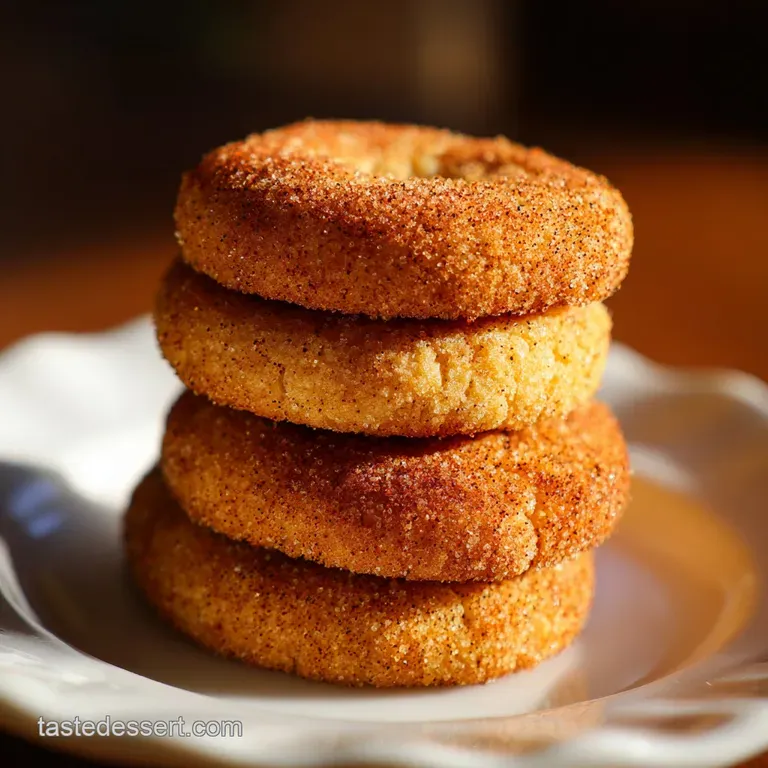
- Time: Active 20 minutes, Passive 15 minutes, Total 35 minutes
- Flavor/Texture Hook: A shattering, crumbly snap followed by a velvety, warm cinnamon finish.
- Perfect for: Holiday gift tins, afternoon coffee breaks, or traditional family celebrations.
- Mastering Authentic Mexican Cinnamon Cookies
- The Science of Sandy Textures
- Detailed Recipe Specifications
- Your Essential Shopping List
- Must Have Baking Equipment
- Easy Step-by-Step Instructions
- Troubleshooting Common Mistakes
- Creative Variations and Substitutions
- Storage and Zero Waste Tips
- Beautiful Presentation Ideas
- Recipe FAQs
- 📝 Recipe Card
Mastering Authentic Mexican Cinnamon Cookies
The first time I stood in a tiny panadería in Monterrey, the air didn't just smell like sugar. It smelled like a warm hug of toasted wood and spice. I watched an older baker roll out mounds of pale dough, his hands moving with a rhythmic grace that only comes from decades of repetition.
He handed me a warm cookie, still shimmering with its sugar coating. It didn't crunch like a ginger snap; it shattered into a million buttery flakes that tasted like home.
Since that afternoon, I've tried to replicate that exact sensation in my own kitchen. I've had batches turn out too hard, some too greasy, and others that were just plain bland. But through a lot of trial and error, I found the secret. It's about how you treat the cinnamon and the specific way you handle the fat.
These aren't just your standard sugar cookies with a sprinkle of spice. They are a labor of love that fills your house with the most incredible aroma.
We often call these Hojarascas or Canelitas, but no matter the name, the goal is the same: a cookie that is structurally sound enough to hold its shape but delicate enough to dissolve instantly.
Whether you're making these for a festive platter or just because it's a Tuesday and you need a treat, this recipe is the one that actually works. We're going to use simple ingredients to create something truly extraordinary.
The Science of Sandy Textures
Lipid Interference: Vegetable shortening is 100% fat with zero water content, which means it coats flour proteins more effectively than butter, preventing long gluten strands from forming and resulting in a "short," crumbly texture.
Maillard Spice Release: Heating the ground cinnamon before adding it to the dough triggers a chemical reaction that releases volatile oils like cinnamaldehyde, significantly intensifying the flavor profile compared to raw spice.
Choosing the Right Method
Before we get into the nitty gritty of the dough, let's look at why we use the oven for these specific treats. While some Mexican street foods are fried, these cookies depend on the dry, even heat of a bake to achieve their characteristic snap.
| Method | Time | Texture | Best For |
|---|---|---|---|
| Traditional Oven | 15 minutes | Uniformly crisp and dry | Authentic Hojarasca snap |
| Stovetop Pan | 20 minutes | Uneven browning, softer | Small "test" batches |
| Air Fryer | 10 minutes | Very dark edges, dry | Quick individual cravings |
It's tempting to think you could just toss these in a skillet, but the oven allows the air to circulate, drying out the moisture in the flour. This is what creates that "sandy" feel we’re looking for. If you like this style of dry, flavored cookie, you might also enjoy the texture of an Anisette Italian Cookies recipe which shares that classic biscotti like bite.
Component Analysis
| Ingredient | Science Role | Pro Secret |
|---|---|---|
| Shortening | Prevents gluten development | Chill it for 10 minutes to keep the dough manageable |
| Toasted Cinnamon | Provides aromatic depth | Toast until it smells "woody," not "burnt" |
| Large Egg | Adds structure and protein | Room temperature eggs emulsify faster into the fat |
| Fine Sea Salt | Enhances sugar perception | Use sea salt for a cleaner finish than iodized table salt |
Understanding these components helps you realize why we don't swap shortening for butter without expecting a major change. Shortening has a higher melting point, which helps the cookies keep those beautiful, sharp edges during the bake.
Detailed Recipe Specifications
When you're aiming for that bakery standard finish, precision is your best friend. I've found that measuring by weight is the only way to ensure your Mexican Cinnamon Cookies don't end up too dry or too oily. A few grams of extra flour can turn a melt in-your mouth cookie into a puck.
- Yield: 36 cookies (using a 2 inch cutter)
- Prep Time:20 minutes
- Cook Time:15 minutes
- Oven Temp:350°F (180°C)
- Numeric Checkpoints:
- Dough Thickness: Roll to exactly 1/4 inch for even baking.
- Cooling Time: Wait at least 5 minutes before the sugar toss to prevent melting.
- Internal Temp: Cookies are done when the underside reaches a pale golden hue.
If you find yourself needing to feed a larger crowd, scaling this recipe is quite simple. Because the ratios are straightforward, you can easily double the batch. Just remember that when doubling, you should only increase the salt and spices to 1.5x the original amount to avoid an overpowering flavor.
Also, ensure you work in batches; don't try to cram two trays into a single oven rack, or the airflow will be blocked, leading to soggy bottoms.
Your Essential Shopping List
Finding the right ingredients is half the battle. While you can find cinnamon anywhere, looking for "Canela" or Mexican cinnamon (ceylon) makes a massive difference. It's softer, more floral, and less spicy hot than the common Cassia cinnamon found in most grocery stores.
- 500g All purpose flour: The backbone of the structure.
- 250g Vegetable shortening: Essential for the "Hojarasca" texture.
- 150g Granulated sugar: For the dough sweetness.
- 1 tbsp Ground Mexican cinnamon: To be toasted for the dough.
- 0.5 tsp Fine sea salt: To balance the sweetness.
- 1 Large egg: The binder that holds the crumb together.
- 1 tsp Vanilla extract: Use real extract, not imitation.
- 100g Granulated sugar: Part of the final coating.
- 2 tbsp Ground cinnamon: The heavy hitter for the coating.
Chef's Tip: Freeze your shortening for about 10 minutes before you start. Grating it into the flour using a box grater makes the mixing process much faster and keeps the fat from melting under the warmth of your hands.
For the coating, I actually prefer using a slightly coarser sugar if you can find it. It adds a lovely sparkle and an extra bit of crunch that contrasts beautifully with the soft interior. It's the same logic used in our Aunt Millies Butter recipe where the coating is just as important as the cookie itself.
Must Have Baking Equipment
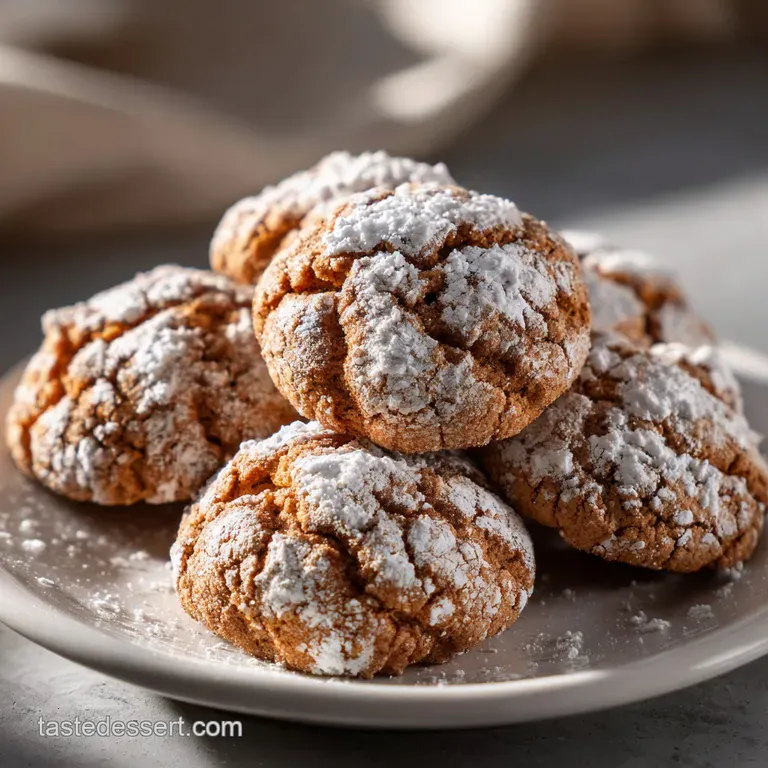
You don't need a high tech kitchen to make these, but a few specific tools will make your life much easier. I've made these with a fork and a wine glass before, and they taste great, but for that professional look, equipment matters.
- Large Mixing Bowl: You need room to work the dough.
- Rolling Pin: To get that even 1/4 inch thickness.
- Cookie Cutters: Traditional shapes are rounds or stars.
- Baking Sheets: Heavy duty aluminum is best for even heat.
- Parchment Paper: Prevents sticking without adding extra grease.
- Wire Cooling Rack: Essential for preventing moisture buildup on the bottom.
If you don't have a rolling pin, a smooth wine bottle works in a pinch. Just make sure to flour it well so the dough doesn't snag. The goal is to handle the dough as little as possible once the flour is added. Overworking it will lead to a tough cookie, which is the exact opposite of what we want.
Easy step-by-step Instructions
- Toast the cinnamon. Place the 1 tbsp of cinnamon in a small pan over medium heat for 2 minutes until fragrant and slightly darker. Note: This awakens the oils.
- Mix the dry base. Sift the 500g flour, toasted cinnamon, and 0.5 tsp salt into a large bowl.
- Cream the fats. In a separate bowl, beat the 250g shortening and 150g sugar until velvety and smooth.
- Add the wet ingredients. Incorporate the 1 large egg and 1 tsp vanilla extract into the shortening mixture.
- Combine the dough. Gradually add the flour mixture to the wet ingredients. Note: Use your hands to press it together rather than stirring aggressively.
- Roll and cut. On a floured surface, roll the dough to 1/4 inch thickness and cut into desired shapes.
- Bake the cookies. Place on parchment lined sheets and bake at 350°F (180°C) for 15 minutes until the edges are just barely firm.
- Prepare the coating. While baking, mix the 100g sugar and 2 tbsp cinnamon in a shallow bowl.
- Coat the cookies. Allow cookies to cool for 5 minutes, then toss in the cinnamon sugar until fully covered in a shimmering layer.
- Cool completely. Transfer to a wire rack to set.
Mastering the Coating Adhesion
The window for coating is small. If the cookies are too hot, the sugar melts and turns into a sticky glaze. If they are too cold, the sugar simply falls off. Aim for that "warm to the touch" stage usually around the 5 minute mark after leaving the oven.
This allows the residual heat to grab the sugar without dissolving it.
Troubleshooting Common Mistakes
I've had my fair share of "cookie disasters." Usually, it comes down to temperature or mixing. If your dough feels like wet sand and won't hold a shape, you likely have a "sandy dough" issue.
Why Your Cookies Spread
If your cookies come out as one giant blob on the tray, the shortening was likely too warm before it went into the oven. Shortening needs to stay cool enough to hold the structure of the flour until the heat sets the proteins.
If you're working in a hot kitchen, chill the cut out cookies on the baking sheet for 10 minutes before sliding them into the oven.
Fixing Crumbly Dough
Sometimes the dough just refuses to come together. This usually happens if the egg was too small or the flour was packed too tightly in the measuring cup. Don't panic and add water! Water will activate gluten and make the cookies tough.
Instead, keep kneading with the warmth of your hands; the shortening will soften and eventually bind the flour.
| Problem | Root Cause | Solution |
|---|---|---|
| Cookies are hard/tough | Overworked dough | Mix only until flour disappears. |
| Sugar won't stick | Cookies cooled too much | Briefly reheat in the oven for 30 seconds. |
| Greasiness | Shortening was too soft | Chill the dough for 20 minutes before rolling. |
Common Mistakes Checklist
- ✓ Always toast your cinnamon; raw cinnamon lacks the depth needed for this recipe.
- ✓ Use room temperature eggs to ensure they bind properly with the shortening.
- ✓ Don't skip the sifting; it ensures the spice is evenly distributed throughout the dough.
- ✓ Preheat your oven for at least 20 minutes to ensure a consistent temperature.
- ✓ Use a timer; these cookies go from pale to burnt very quickly.
Creative Variations and Substitutions
While the traditional recipe is hard to beat, sometimes you need to work with what you have in the pantry. Here’s how you can pivot without losing the soul of the dish.
| Original Ingredient | Substitute | Why It Works |
|---|---|---|
| Vegetable Shortening | Lard (Manteca) | Traditional flavor, incredibly flaky. Note: Adds a savory note. |
| Granulated Sugar | Piloncillo (grated) | Deep, molasses like sweetness. |
| Mexican Cinnamon | Cassia Cinnamon | Spicier and sharper. Note: Use 25% less as it's stronger. |
Adding a Mexican Chocolate Twist
If you want to vary the flavor, try adding 2 tablespoons of high-quality cocoa powder to the dough. This creates a "Mexican Chocolate" profile that is absolutely stunning. You can also add a pinch of cayenne pepper to the cinnamon sugar coating for a subtle, warming heat that lingers after the sweetness fades.
Infusing with Star Anise
In many regions of Mexico, star anise is boiled in a tiny bit of water, which is then cooled and used to hydrate the dough. This adds a sophisticated, licorice like undertone. If you want to try this, replace the vanilla extract with 1 teaspoon of this anise "tea." It provides an incredible aromatic layer that makes the cookies feel very high end.
Storage and Zero Waste Tips
The beauty of these cookies is their shelf life. Because they have a low moisture content, they stay fresh much longer than a standard chocolate chip cookie.
- Countertop: Store in an airtight container for up to 2 weeks.
- Freezer: These freeze beautifully. You can freeze the baked cookies for up to 3 months. Just make sure they are completely cool before packing.
- Zero Waste Tip: If you have leftover cinnamon sugar from the coating process, don't throw it away! Save it in a small jar to use on your morning toast, stir it into oatmeal, or use it to rim the glass of a warm spiced latte.
If the cookies do happen to go a bit stale, you can crush them up to use as a pie crust base, much like you would with graham crackers. A Mexican Cinnamon Cookie crust for a cheesecake is a literal "game changer" (though I shouldn't use that word, you get the idea it's brilliant).
Beautiful Presentation Ideas
When it comes to serving, these cookies are naturally rustic, but a few small touches can make them look like they came from a high end bakery. I love stacking them in a clear glass jar tied with a simple piece of twine and a cinnamon stick.
For a party, serve them alongside a big pot of Café de Olla or thick Mexican Hot Chocolate. The dryness of the cookie is designed for dipping. When the cookie hits the warm liquid, it softens slightly but maintains its integrity, absorbing the flavors of the drink.
The Power of Shapes
Don't feel restricted to rounds. Using a pig shaped cutter (Marranitos style) or even small hearts makes these feel personal. If you're giving them as a gift, place them in a tin lined with colorful tissue paper.
The contrast between the dark cinnamon coating and the bright paper makes the "shimmer" of the sugar really pop.
If you want X, do Y
- If you want a crunchier cookie, bake for an extra 3 minutes until the edges are deep brown.
- If you want a softer, meltier bite, pull them out as soon as the center looks set but pale.
- If you want more spice, add a pinch of ground cloves to the dough along with the cinnamon.
Making these Mexican Cinnamon Cookies is more than just a recipe; it's about bringing a specific kind of warmth into your kitchen. It's about that shattering snap and the way the spice lingers. I hope you enjoy making them as much as I do!
Recipe FAQs
What is the most popular cookie in Mexico?
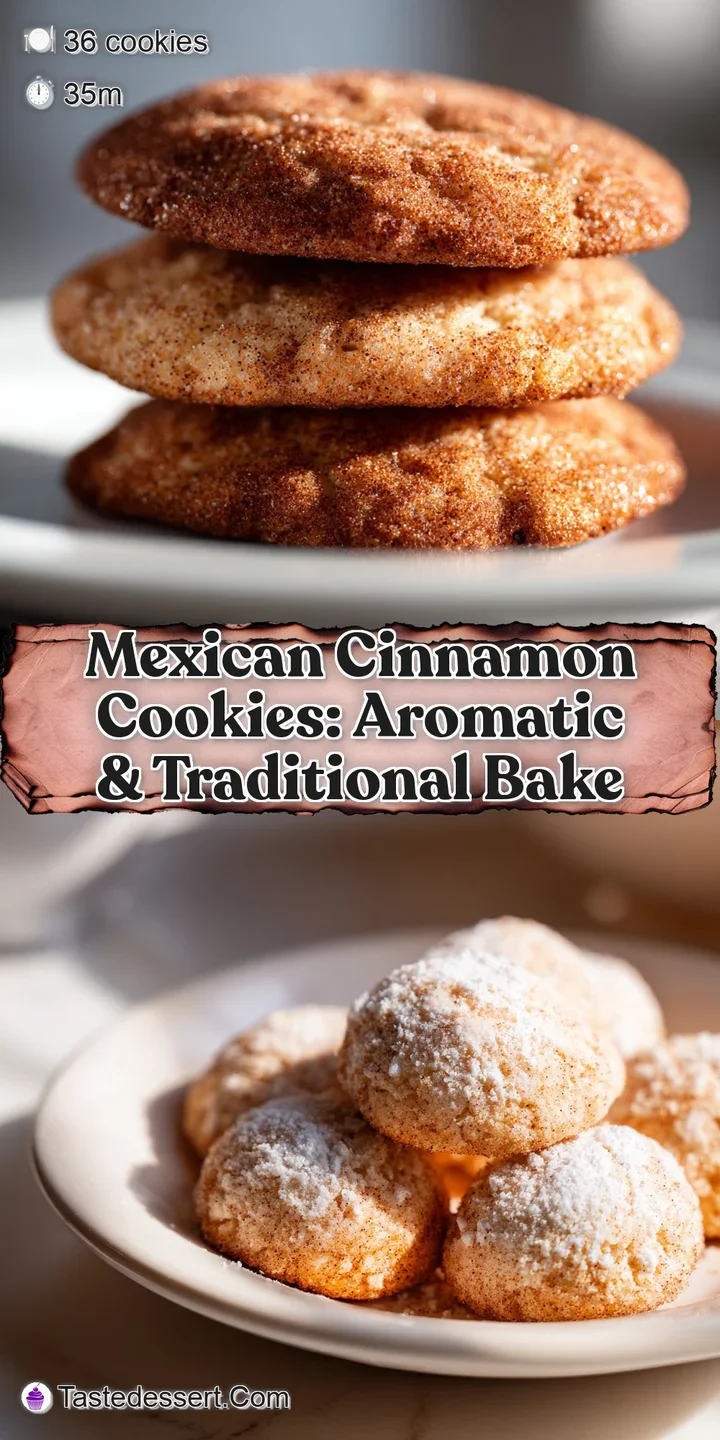
It is difficult to name one definitive cookie, but the Polvorón is extremely popular. Polvorones, which translates roughly to "powdery," are shortbread style cookies famous for their crumbly texture, similar to these Mexican Cinnamon Cookies.
They are a staple during holidays and family gatherings across the country.
What is the difference between Mexican cinnamon and regular cinnamon?
Yes, there is a significant difference, primarily in species. Mexican cinnamon, or Canela, is usually true Ceylon cinnamon (Cinnamomum verum), which is milder, sweeter, and brittle.
Regular store-bought cinnamon is typically Cassia, which is much harsher and spicier, requiring you to use less if substituting in this recipe.
What is Mexican cinnamon called?
Mexican cinnamon is called Canela. Canela is prized for its delicate, floral aroma, which is achieved by toasting the ground spice before adding it to dough. If you master the flavor layering here, you'll see how that technique applies to balancing sweetness in our Spicy Slow Cooker recipe.
What are Mexican wedding cookies actually called?
They are most commonly called Polvorones or Mantecadas, though variations exist regionally. While "Mexican Wedding Cookies" is the common English name for the snow dusted shortbread, Polvorón better describes the essential sandy texture achieved through using high fat shortening in the dough.
How do I prevent my cookies from spreading flat during baking?
Chill the cut dough thoroughly before baking. The high percentage of fat (shortening) in this recipe means it melts quickly in the oven, causing spread if it isn't cold enough. Pop the entire tray in the refrigerator for at least 15 minutes before placing it in the preheated oven.
Is it true I must use shortening instead of butter for the texture?
No, this is a common misconception, but shortening yields the most authentic result. Butter contains water which promotes gluten development and yields a chewier cookie. Shortening is 100% fat, coating the flour perfectly to create the delicate, shatteringly short texture unique to Hojarascas.
How can I make the cinnamon flavor stronger without making the cookies spicy?
Toast the cinnamon spice before incorporating it into the dough. Gently heat the ground spice in a dry skillet for about two minutes until fragrant; this releases aromatic oils without increasing the perceived "heat." This process of gentle activation deepens flavor, much like blooming spices for savory dishes, which you see applied in our Golden Brown Bliss recipe.
Mexican Cinnamon Cookies Recipe
Ingredients:
Instructions:
Nutrition Facts:
| Calories | 143 kcal |
|---|---|
| Protein | 1.6 g |
| Fat | 7.2 g |
| Carbs | 18.1 g |
| Fiber | 0.7 g |
| Sugar | 6.9 g |
| Sodium | 34 mg |
