Oatmeal Cookies: Chewy & Tender
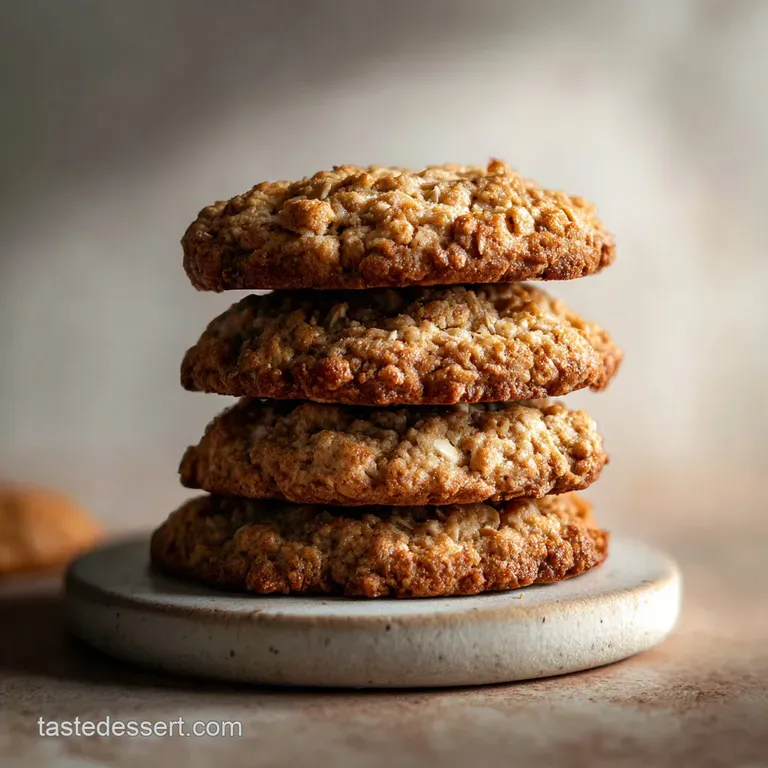
- Time: Active 10 minutes, Passive 12 minutes, Total 22 minutes
- Flavor/Texture Hook: Toasty oats with a buttery, cinnamon spiced shatter
- Perfect for: Cozy rainy days or stocking the office cookie jar
- Making the Best Oatmeal Cookies
- Why This Method Works
- Baking Style Comparison
- Component Analysis
- Ingredients and Smart Swaps
- Baking Your Oatmeal Cookies
- Solving Common Baking Flaws
- Adjusting Batch Sizes Safely
- Debunking Common Cookie Myths
- Storing and Repurposing Leftovers
- Oatmeal Cookie FAQs
- 📝 Recipe Card
Making the Best Oatmeal Cookies
The kitchen always transforms when the scent of cinnamon toasted oats hits the air. I remember the first time I actually got these right; I was sitting on my kitchen floor, staring through the oven glass, watching the edges turn that specific shade of mahogany while the centers stayed pale and soft.
It’s a sensory trigger that still makes me hungry every time I smell a warm spice jar.
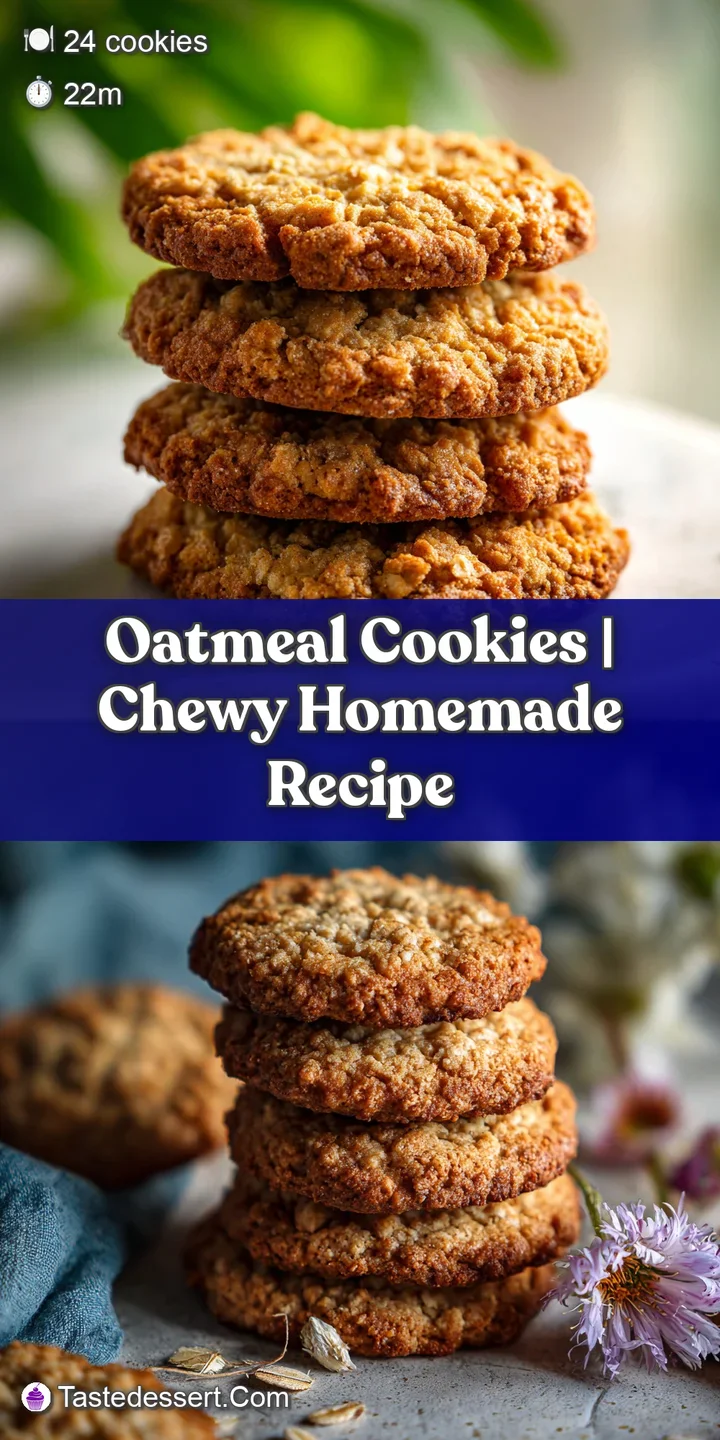
We aren't making those dry, crumbly hockey pucks you find at the grocery store. These homemade oatmeal cookies are thick, bendy in the middle, and packed with enough semi sweet chocolate chips to make every bite feel like a treat. If you've struggled with cookies that spread into a flat puddle, don't worry.
We've all been there, and I’ve figured out the exact tweaks to keep them plump.
Right then, let's talk about what makes this recipe actually work in a real world kitchen. We are focusing on simple techniques that yield restaurant quality results without needing a pantry full of strange additives. It’s about the harmony between the fats and the grains.
Why This Method Works
- Hygroscopic Balance: Using a high ratio of dark brown sugar (which contains molasses) pulls moisture from the air, ensuring the centers stay soft for days.
- Starch Gelatinization: Allowing the oats to sit briefly in the wet batter helps them soften slightly, preventing a "raw grain" texture after baking.
- Fat Emulsification: Creaming the butter at exactly 65°F creates tiny air pockets that expand in the heat, giving us a lift without needing excess leavening.
- Maillard Reaction: The combination of baking soda and cinnamon encourages rapid browning, developing that complex, toasted flavor profile.
Baking Style Comparison
| Method | Time | Texture | Best For |
|---|---|---|---|
| Room Temp Dough | 12 minutes | Wider spread, crispier edges | Traditional snackers |
| Chilled Dough (30m) | 14 minutes | Thicker, fudgy center | Bakery style fans |
| Pan Banging | 12 minutes | Rippled, wavy edges | Texture obsessives |
Giving the dough a quick chill is a secret I learned from a pastry chef friend. It solidifies the butter, so when the cookies hit the heat, the edges set before the middle can melt away. This creates a beautiful contrast between the outer ring and the soft heart.
Component Analysis
| Ingredient | Science Role | Pro Secret |
|---|---|---|
| Dark Brown Sugar | Humectant | Pack it tight to ensure the correct moisture to sugar ratio. |
| Old Fashioned Oats | Structural Fiber | Never use instant oats; they lack the surface area for a proper chew. |
| Baking Soda | Leavening/Browning | Sift it with the flour to avoid metallic "soda pockets" in the dough. |
| Unsalted Butter | Fat/Flavor | Use high-quality butter with low water content for a richer mouthfeel. |
Ingredients and Smart Swaps
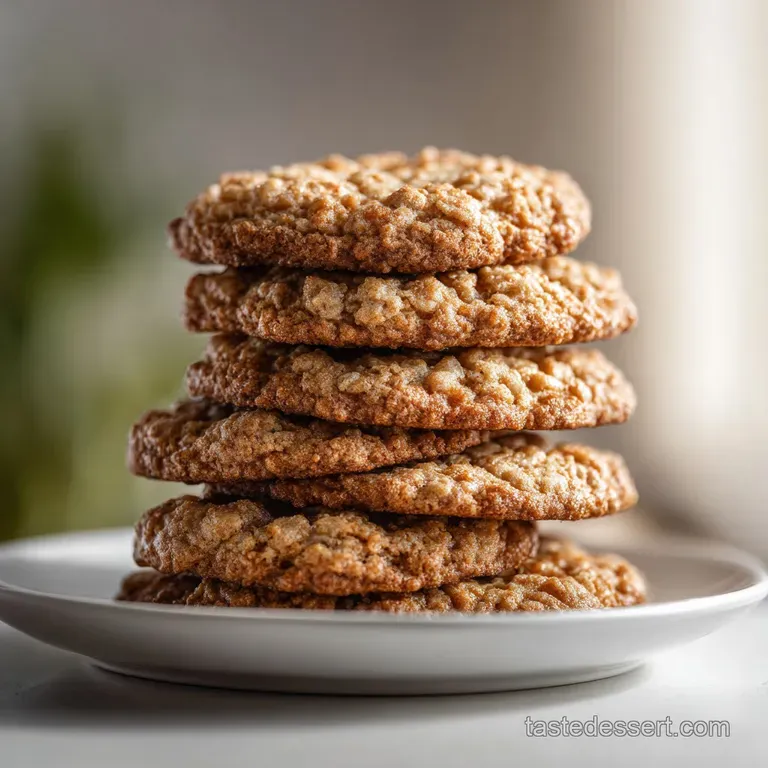
- 1 cup (225g) unsalted butter: Softened to 65°F. Why this? Allows for optimal air incorporation during creaming.
- 1 cup (200g) dark brown sugar: Packed. Why this? Provides the molasses kick for a chewy texture.
- 0.5 cup (100g) granulated white sugar: Why this? Encourages the edges to crisp up.
- 2 large eggs: Room temperature. Why this? Emulsifies better with the butter than cold eggs.
- 1 tbsp pure vanilla extract: Why this? Deepens the aromatic profile of the oats.
- 1.5 cups (190g) all purpose flour: Spooned and leveled.
- 3 cups (270g) old fashioned rolled oats: Why this? Provides the signature "toothy" bite.
- 1 tsp ground cinnamon: Why this? Bridges the flavor between oats and chocolate.
- 1 tsp baking soda: Our primary lift agent.
- 0.5 tsp sea salt: To balance the sweetness.
- 1 cup (170g) semi sweet chocolate chips: For melty pockets of cocoa.
| Original Ingredient | Substitute | Why It Works |
|---|---|---|
| Dark Brown Sugar | Light Brown + 1 tsp Molasses | Replicates the moisture and acidity of dark brown sugar. |
| Semi sweet Chips | Raisins or Dried Cranberries | Swaps rich chocolate for a classic, tart fruit profile. |
| All purpose Flour | 1:1 gluten-free Blend | Works well because oats provide significant structure. |
If you are looking for a morning version that skips the heavy sugars, you might enjoy this Oatmeal Breakfast Cookies recipe which is great for meal prep.
Baking Your Oatmeal Cookies
- Prep the oven. Heat your oven to 350°F (175°C) and line two large baking sheets with parchment paper.
- Cream the fats. Beat the softened butter, dark brown sugar, and white sugar in a stand mixer until light and fluffy. Note: This takes about 3 minutes on medium high.
- Incorporate liquids. Add the eggs one at a time, followed by the vanilla, beating well after each addition.
- Whisk dry goods. In a separate bowl, stir the flour, cinnamon, baking soda, and salt together.
- Combine gently. Turn the mixer to low and add the flour mixture until just barely combined.
- Fold the grains. Use a spatula to fold in the old fashioned oats and chocolate chips by hand. Note: This prevents the oats from breaking.
- Portion the dough. Scoop rounded tablespoons (about 2 tablespoons each) and place them 2 inches apart on the sheets.
- The Golden Bake. Bake for 12 minutes until edges are golden and centers look slightly underdone.
- Cooling phase. Let them sit on the hot pan for 5 minutes until they firm up enough to move.
- Final rest. Transfer to a wire rack to cool completely.
Chef's Note: For those "Insta perfect" looks, press a few extra chocolate chips into the top of each dough ball right before they go into the oven. It makes a world of difference.
If you love this texture but want something with a bit more "everything but the kitchen sink" energy, check out these Cowboy Cookies The recipe which add pecans and coconut into the mix.
Solving Common Baking Flaws
Why Your Cookies Spread Too Much
If your easy oatmeal cookies turned into a single giant sheet cake, the butter was likely too warm. When butter is oily rather than "pliable," it loses its ability to hold air. Also, ensure you aren't placing dough onto a hot baking sheet from a previous batch; this melts the bottom instantly.
Why Your Cookies Are Cakey
This usually happens from over measuring the flour. If you scoop the flour directly with the measuring cup, you pack it down and end up with up to 30% more than the recipe needs. Use the "spoon and level" method for a chewy oatmeal cookies result every time.
| Problem | Root Cause | Solution |
|---|---|---|
| Burnt Bottoms | Dark baking pans | Reduce oven temp by 25°F or use a silicone mat. |
| Crumbly Texture | Too many oats | Ensure you use exactly 3 cups and don't skip the eggs. |
| No Spread | Cold dough/Too much flour | Flatten the balls slightly with your palm before baking. |
Common Mistakes Checklist
- ✓ Soften butter to 65°F (it should dent when pressed but not be shiny)
- ✓ Use room temperature eggs to avoid curdling the butter
- ✓ Check the expiration date on your baking soda (it's likely older than you think)
- ✓ Don't overbake; they should look "wet" in the very center when you pull them out
- ✓ Use a kitchen scale for the flour (190g) if you want perfect consistency
Adjusting Batch Sizes Safely
When you need to feed a crowd, doubling this homemade oatmeal cookies recipe is straightforward. However, don't just double the spices. I usually find that 1.5x the cinnamon and salt is plenty for a 2x batch, otherwise, the flavor becomes too sharp.
If you are scaling down to a half batch, the egg is the tricky part. Beat one egg in a small bowl and use exactly 2 tablespoons of the liquid. This ensures your hydration stays balanced.
For baking, keep the temperature the same but start checking for doneness 2 minutes earlier, as smaller batches can sometimes cook faster depending on your oven's "hot spots."
Debunking Common Cookie Myths
A huge misconception is that you need "Quick Oats" for a softer cookie. Actually, quick oats often lead to a mushy, one dimensional texture. Old fashioned rolled oats provide the essential structural integrity that defines a classic oatmeal cookie.
Another myth is that you must use room temperature butter. While "softened" is the goal, if your kitchen is 80°F, your "room temp" butter is actually too hot. Aim for 65°F cool to the touch but yielding to pressure. This is the sweet spot for a velvety crumb.
Storing and Repurposing Leftovers
Keep these in an airtight container at room temperature for up to 5 days. To keep them extra soft, toss a single slice of white bread into the container; the cookies will absorb the moisture from the bread.
You can also freeze the baked cookies for up to 3 months just thaw them at room temperature for about 20 minutes before eating.
Don't throw away those broken crumbs at the bottom of the jar! I love to pulse them in a food blender and use them as a "cookie crust" for cheesecakes or as a crunchy topping for vanilla yogurt.
If you have leftover dough that you don't want to bake, you can roll it into small balls and use it as a mix in for homemade ice cream.
If you find yourself craving a different kind of classic, my Anisette Italian Cookies recipe offers a completely different, licorice scented experience that is just as delightful with a cup of coffee.
Oatmeal Cookie FAQs
What are the most common mistakes when making oatmeal cookies?
Using butter that is too warm or too cold. For creaming, butter should be softened to around 65°F (18°C), which is cool to the touch but yields to pressure. If it's too warm, the cookies will spread too much; too cold, and they won't cream properly, leading to a dense texture.
What is the healthiest cookie you can eat?
Oatmeal cookies made with whole oats, minimal added sugar, and healthy fats can be a healthier choice. Look for recipes that use ingredients like whole wheat flour or oat flour, natural sweeteners like maple syrup or dates, and additions like nuts or seeds. For a breakfast friendly option, consider a recipe like the Oatmeal Breakfast Cookies for Meal Prep which prioritizes nutrition.
Are oatmeal cookies healthy?
It depends on the recipe. Traditional oatmeal cookies can be high in sugar and refined flour, but recipes focusing on whole oats, reduced sugar, and healthy fats can be quite nutritious. Oats themselves are a good source of fiber and can be part of a balanced diet.
What is Jill Biden's favorite cookie?
Jill Biden's favorite cookie is reported to be a chocolate chip cookie, specifically a recipe from a bakery in Delaware called "The House of the White Meringue." While not oatmeal, this preference highlights the general love for classic, comforting cookies.
Why do my oatmeal cookies spread too much?
The most likely cause is butter that is too warm. If your butter is melted or very soft, it won't hold air when creamed, causing the cookies to spread excessively. Using a room temperature egg and not over creaming the butter also helps maintain cookie structure.
How do I make my oatmeal cookies chewy instead of crisp?
Use more brown sugar than white sugar and slightly underbake them. Brown sugar contains molasses, which adds moisture and chewiness. Removing the cookies when the centers still look a little soft and letting them finish baking on the hot pan will create a perfectly chewy texture.
Can I use quick oats instead of old-fashioned oats in my oatmeal cookies?
No, it's generally not recommended for the best texture. Quick oats absorb liquid faster and can lead to a mushier, less chewy cookie. Old-fashioned rolled oats provide the signature structure and texture that most people associate with classic oatmeal cookies. For a similar texture profile in a different treat, explore the idea of using oats for crusts, as seen in the Ultimate Sourdough Discard Dessert Recipes: 5 Decadent Cookies to Try!
Oatmeal Cookies
Ingredients:
Instructions:
Nutrition Facts:
| Calories | 228 kcal |
|---|---|
| Protein | 3g |
| Fat | 11g |
| Carbs | 31g |
| Fiber | 2g |
| Sugar | 17g |
| Sodium | 98mg |
