Orange Roughy: Pan-Seared with Zesty Butter Sauce
- Introducing the Skipper's Delight: Perfecting Mild White Fish
- The Science of Sizzle: Why Pan-Searing Delivers the Best Texture
- Gathering Your Crew: Essential Ingredients and Smart Swaps
- From Pan to Plate: The Detailed Technique for Orange Roughy Perfection
- Mastering the Fillet: Pro Tips and Troubleshooting Guide
- Handling Leftovers: Storage, Reheating, and Shelf Life
- The Perfect Catch: Suggested Side Dishes and Wine Pairings
- Recipe FAQs
- 📝 Recipe Card
Introducing the Skipper's Delight: Perfecting Mild White Fish
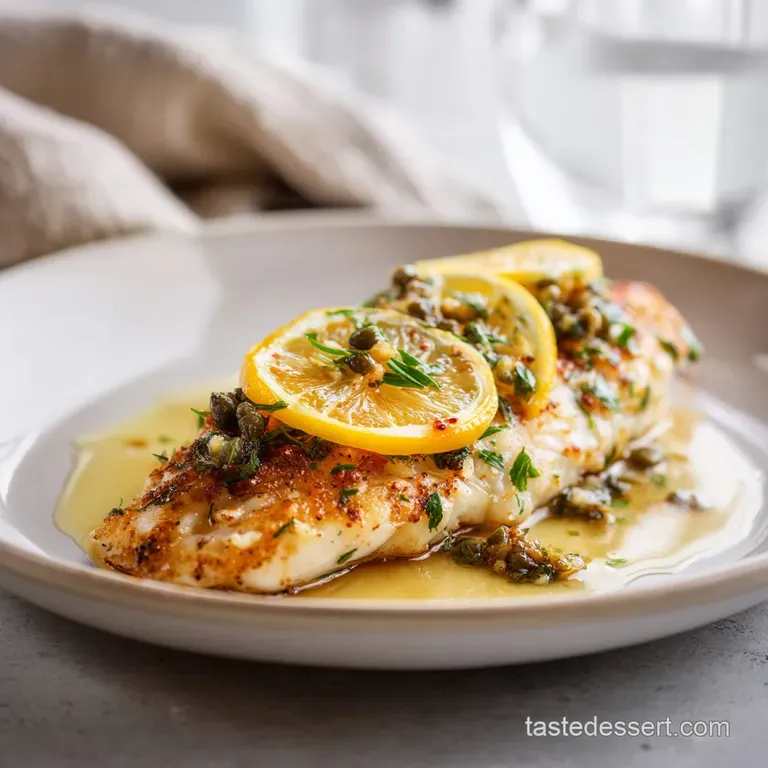
Can we talk about that smell? The moment the delicate white fish hits the sizzling hot fat, you instantly know dinner is going to be spectacular. This pan-seared Orange Roughy , kissed with a bright lemon caper butter sauce, transforms a simple Tuesday night into a bistro level feast.
The crispy, golden brown crust gives way to impossibly tender, flaky flesh that truly melts in your mouth it’s pure magic.
Life is too chaotic for complicated cooking, right? This recipe is my absolute lifesaver because it’s fast, uses minimal ingredients, and tastes deeply sophisticated. If you thought achieving perfect fish was hard or expensive, prepare to have your mind changed.
You can have this incredible Orange Roughy fillet ready, plated, and devoured faster than you can convince yourself to order delivery.
I’ve made all the mistakes soggy fish, broken sauces, burnt garlic so you don't have to. Today, we are focusing on technique because Orange Roughy deserves to be treated like the superstar it is.
We are going to lock in the moisture with a flawless sear and then drench it in the tangiest, freshest butter sauce imaginable. Let's crack on and elevate your simple fish repertoire!
The Science of Sizzle: Why Pan-Searing Delivers the Best Texture
Defining Orange Roughy: Flavor Profile and Delicate Texture
When people ask me for the ultimate "easy entry" white fish, I almost always point them toward Orange Roughy . Its flavor is mild, clean, and slightly sweet, making it wonderfully versatile.
The critical thing to remember is its texture; it has high moisture content and a delicate flake, which means it needs fast, high heat to prevent it from turning mushy. This pan-searing method respects the integrity of the Orange Roughy fillet, giving you crispy edges without drying out the center.
An Overview of the Zesty Lemon Caper Butter Sauce
The classic French Beurre Blanc technique is our foundation here, but simplified and punchier. This zesty sauce relies on acid (lemon juice and wine/stock reduction) to emulsify cold butter, transforming it into a thick, creamy elixir. The capers add that essential brine and textural contrast.
Without this bright acidity, the richness of the Orange Roughy and the butter would feel heavy, but the capers and lemon cut right through everything, creating balance.
Prep Time vs. Cook Time: A Weeknight Champion
The real beauty of this preparation is the speed. Your prep time is largely just mincing a shallot and patting the Orange Roughy fillets bone dry. The actual cooking time for the fish is less than 7 minutes total, and the sauce comes together in the time it takes the fish to rest.
This entire operation is designed for maximum flavor return on minimal time investment. If you are looking for healthy Orange Roughy recipes that don't compromise on taste, this is it.
Achieving the Perfect Crust (The Maillard Reaction)
You want that rich, golden brown crust, often associated with a beautifully cooked steak. That crust is the Maillard reaction doing its delicious work. To achieve it with Orange Roughy fish, you must first eliminate surface moisture that’s why we pat it dry so vigorously.
Next,, you need sufficient, smoking hot oil. Cold, wet fish in a cool pan equals a sad, grey, steamed result. We demand color!
The Importance of Fat and Heat Control
I use a combination of over high heat cooking oil (like grapeseed) and unsalted butter for the sear. Why both? The oil provides the high smoke point needed to achieve the initial high temperature, while the butter, added right before the flip, imparts that beautiful nutty flavor and helps deepen the golden color of the Orange Roughy .
Careful temperature control medium high heat is crucial to avoid burning the milk solids in the butter during the second half of the cook.
How the Acidic Sauce Brightens the Fillet
The Lemon Caper Butter Sauce isn't just decoration; it's a flavor multiplier for your Orange Roughy fillet. Think of the lemon as hitting a reset button on your palate.
The rich fish and creamy butter are immediately lifted by the brightness of the lemon juice, preventing the dish from tasting flat or overly heavy. It’s what transforms simple fish into a memorable meal, and why classic pairings exist for recipes like this zingy Orange Roughy recipe .
Gathering Your Crew: Essential Ingredients and Smart Swaps
Selecting the Best Orange Roughy Fillets
Whether you buy your Orange Roughy fresh or frozen, the key is the quality of the fillet. Fresh fillets should be translucent, bright, and smell clean (not "fishy"). If using frozen, make sure to thaw them completely in the refrigerator overnight and pat them dry, dry, DRY before seasoning.
I look for fillets that are relatively uniform in thickness so they cook evenly. This recipe works best with 6 ounce portions of Orange Roughy .
Anatomy of the Lemon Caper Butter Sauce Components
Our sauce is built on four pillars: shallots, white wine (or stock), lemon, and butter. The shallots provide a delicate allium base that is milder than onion, reducing any harshness. The wine/stock creates the acidic base for reduction. The lemon brings the zing.
And the cold, cubed butter the true hero is whisked in at the end to create the perfect emulsion for drizzling over the Orange Roughy .
Ingredient Quality: Clarified Butter vs. Ghee vs. Oil
I recommend using over high heat oil (grapeseed or canola) plus regular butter for the sear because the butter's milk solids add flavor when browned. However, if you are nervous about burning the butter, you can use Clarified Butter (or store-bought Ghee ) instead, which has had the milk solids removed and boasts a much higher smoke point.
If you want truly healthy Orange Roughy recipes , stick to olive oil or avocado oil, but be mindful of the lower smoke point.
Substitution Matrix for Capers and Fresh Herbs
| Ingredient to Swap | Viable Substitute | Reason/Result |
|---|---|---|
| Orange Roughy | Cod or Haddock | Similar mild flavor and rapid flakiness. |
| White Wine | Low-Sodium Fish or Chicken Stock | Maintains liquid volume; add extra lemon for acidity. |
| Capers | Finely diced Green Olives | Provides salty brine and textural punch. Rinse them well first! |
| Fresh Parsley | Fresh Chives or Dill | Offers a slightly different but equally fresh, herbaceous lift. |
Don't skip the capers if you can help it. They are the signature of this dish. But if you truly can't stand them, those briny olives will do the trick nicely over the Orange Roughy .
From Pan to Plate: The Detailed Technique for Orange Roughy Perfection

Prepping and Patting the Fillets Dry for Maximum Sear
Trust me when I say moisture is the absolute enemy. Take your Orange Roughy fillets, place them on a platter lined with several paper towels, and place more towels on top. Press down firmly.
I often let them sit like this for 10 minutes, changing the towels once, just to ensure every last drop is gone. Season aggressively with salt and pepper, and then lightly dust with flour (if using) just on the presentation side.
Sear Time: Achieving Golden Edges Without Overcooking
Heat your oil in the skillet over medium high heat until it shimmers and looks almost wavy. It should be hot enough that a drop of water sizzles immediately and evaporates. Place the Orange Roughy fillets gently away from you to prevent splattering.
Do not touch them for 3- 4 minutes. Once you see a golden crust forming along the edges and the fish looks opaque about halfway up the side, add the tablespoon of butter.
Chef's Note: If you hear no immediate, aggressive sizzle when the fish hits the pan, the pan isn't hot enough. Remove the fish, let the pan heat up for another minute, and try again. A lukewarm pan guarantees a stuck, soggy mess.
Carefully flip the Orange Roughy fillets and cook for another 2– 3 minutes, basting with the melted butter mixture as the fish finishes. Remove them immediately to a resting plate once they are cooked through.
Constructing the Lemon Caper Butter Sauce in the Same Pan
If your sear pan is messy or has burnt bits, quickly wipe it out or use a separate small saucepan. Sauté the minced shallots until fragrant. Pour in the white wine or stock and bring it to a rolling boil. You must reduce this liquid by about 75% it should be syrupy and concentrated.
This is the flavor base that will perfectly complement the mild taste of the Orange Roughy .
Remove the pan completely from the heat. Stir in the lemon juice, zest, and the capers. Now, for the critical step: whisking in the cold butter. Add one chilled cube of butter at a time, whisking constantly until it melts and the sauce thickens slightly. The key is gentle warmth, not heat.
If the sauce boils, the emulsion will break, leaving you with greasy liquid instead of creamy sauce.
The Final Plating and Drizzle Technique
Once all the butter is incorporated, the sauce should look smooth, glossy, and beautifully opaque like melted heavy cream. Stir in the fresh parsley. Now, place the rested Orange Roughy fillets onto your plates.
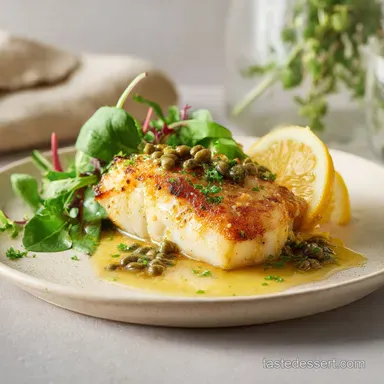
Spoon the warm sauce generously over the top, letting it pool around the edges. Serve immediately while the crust is still pristine and crunchy. I promise, this particular pan-seared Orange Roughy preparation is unforgettable.
Mastering the Fillet: Pro Tips and Troubleshooting Guide
Preventing Fish from Sticking to the Pan (Temperature Control)
The most common mistake when making Orange Roughy recipes is letting the delicate fish tear when flipping. This happens for two reasons: 1) The pan wasn't hot enough initially, or 2) The fish wasn't left alone long enough to form a crust.
The fish will naturally release itself from the pan once the crust is fully formed. If you attempt to move it and it resists, wait another 30 seconds. Use a very thin metal spatula (a fish slice) for the best leverage.
Recognizing Doneness: The Flake Test vs. Internal Temperature
Since Orange Roughy is lean and flakes easily, it can become dry quickly if overcooked. The easiest test is the "flake test": gently press the thickest part of the fillet with a fork. If it separates into beautiful, moist layers, it's done.
If you prefer precision, the internal temperature should register 145°F (63°C). Remember, the fish will continue to cook slightly while it rests (carryover cooking). Pull it just slightly before you think it’s fully finished.
Fixing a Broken Sauce: Emulsification Errors
If your beautiful Lemon Caper Butter Sauce separates meaning the butter oil separates from the water and acid it’s usually because the sauce got too hot. Don't panic! Grab a separate small bowl and place one teaspoon of fresh, cold liquid (water, stock, or wine).
Start whisking vigorously, then slowly stream the broken sauce back into the cold liquid while continuously whisking. This should shock the sauce back into a stable emulsion, saving your beautiful dinner accompanying the Orange Roughy .
Handling Leftovers: Storage, Reheating, and Shelf Life
Best Practices for Refrigerating Cooked Fish
Cooked Orange Roughy should be stored promptly within two hours of cooking. Place the fillets in an airtight container, preferably shallow, and refrigerate. It will maintain peak quality for 2 to 3 days.
When you store the leftovers, keep the remaining butter sauce separate from the fish to prevent the fillet from becoming soggy. If you are prepping ahead, the sauce reduction (before adding the butter) can be made a day in advance.
Should You Freeze Cooked Orange Roughy?
Honestly, I advise against freezing cooked Orange Roughy . Its delicate, high moisture texture suffers significantly upon thawing. It tends to lose moisture and become mushy or rubbery, completely ruining the beautiful sear we worked so hard for.
If you must freeze, wrap the cooked fillets tightly in plastic wrap and then aluminum foil, but use them within 1 month and only for recipes where texture isn't paramount, like flaked fish tacos.
Gentle Reheating Methods to Preserve Texture
Never, ever microwave this fish. Reheating Orange Roughy requires gentle heat. The best method is using a moderate oven or a toaster oven set to 300°F (150°C).
Place the fish on a baking sheet lined with parchment paper, maybe adding a few drops of water to create steam, and cover loosely with foil. Heat for 8 to 10 minutes until warmed through. You want the fish warmed, not re-cooked.
Reheat the reserved butter sauce gently in a tiny saucepan over low heat, whisking until smooth again, or add a fresh pat of butter if it looks too thin.
The Perfect Catch: Suggested Side Dishes and Wine Pairings
When serving delicious fish like this pan-seared Orange Roughy , you want sides that are equally bright and refreshing. You don't want heavy, starch laden meals that compete with the delicate flavors of the lemon caper butter. Keep it simple and green.
- Roasted Asparagus: Tossed simply with olive oil and a sprinkle of flaky salt.
- Garlic and Herb Smashed Potatoes: Their creamy texture is perfect for soaking up the rich sauce.
- Light Salad: A simple green salad dressed with a vinaigrette made bright with fresh citrus would be perfect. I sometimes serve this alongside my [Cranberry Walnut Salad: Festive Side with Bright Orange Vinaigrette] when I want something with a little extra textural crunch and sweetness to contrast the savory Orange Roughy .
For wine, stick to something crisp and dry. A Sauvignon Blanc or a Pinot Grigio stands up beautifully to the caper and lemon acidity without overwhelming the subtle flavors of the Orange Roughy . If you prefer beer, a light, citrusy IPA or a simple lager is ideal.
Enjoy this perfect execution of an Orange Roughy fillet recipe —it's truly a skipper's delight!
Recipe FAQs
Why did my Orange Roughy turn out dry or tough?
Orange Roughy is very lean and cooks extremely quickly, making overcooking the primary cause of dry or rubbery texture. Ensure you cook the fish to an internal temperature of exactly 145°F (63°C), or stop cooking immediately when the flesh turns completely opaque and flakes easily with a fork.
Relying on visual cues is often faster than using a thermometer for such thin fillets.
Can I use frozen Orange Roughy for this pan-seared recipe?
You must fully thaw the Orange Roughy before using the pan-searing method, otherwise, the fillets will steam instead of sear. Thaw the fish overnight in the refrigerator or use the quick method: place the sealed package in a bowl of cold running water for about 30 minutes, changing the water every 10 minutes.
Always pat the thawed fish extremely dry before seasoning.
How do I prevent the delicate fillets from sticking to the pan?
Sticking is usually caused by insufficient heat or fillets that are too wet. First, ensure the fish is patted completely dry and that the oil or butter is shimmering just before the fillets are added.
Crucially, do not attempt to move the fish until a golden crust has formed (usually 3 4 minutes), at which point it will naturally release from the pan.
What other types of fish can I substitute for Orange Roughy?
You can substitute any lean, flaky white fish, such as Tilapia, Cod, or Haddock, as they hold the lemon caper butter sauce well. Be aware that thicker fillets, like Cod, may require 1 2 minutes longer cooking time per side than the delicate Orange Roughy.
Avoid oily fish like salmon, as the cook time and flavor profile will clash significantly with the recipe instructions.
Can I store the leftovers, and is it possible to freeze the cooked fish?
Leftover pan-seared Orange Roughy can be stored in an airtight container in the refrigerator for up to 3 days. When reheating, use a low oven temperature (around 300°F or 150°C) to gently warm the fish without drying it out.
Freezing cooked fish is generally not recommended, as its delicate texture will significantly degrade and become mushy upon thawing.
I don't like capers; what is a good variation for the butter sauce?
If you wish to omit the briny flavor of capers, you can easily substitute them with fresh herbs to create a delicious herb butter sauce. Try stirring in 1 tablespoon of finely chopped fresh dill or tarragon along with the lemon juice. For a bit of heat, add a pinch of chili flakes to the pan while searing the fish.
How can I ensure the pan-sear produces a crispy exterior without overcooking the center?
Achieving a crispy sear requires high initial heat and careful timing. Use a high smoke point oil, like avocado or grapeseed, and ensure your pan is piping hot before adding the fish, thus allowing the crust to form quickly.
After searing for 3 4 minutes on the first side, reduce the heat slightly when flipping to finish cooking gently through the center.
Pan Seared Orange Roughy Delight
Ingredients:
Instructions:
Nutrition Facts:
| Calories | 400 calories |
|---|---|
| Fat | 25 g |
| Fiber | 0.5 g |
