Velvety Peanut Butter Protein Balls Recipe
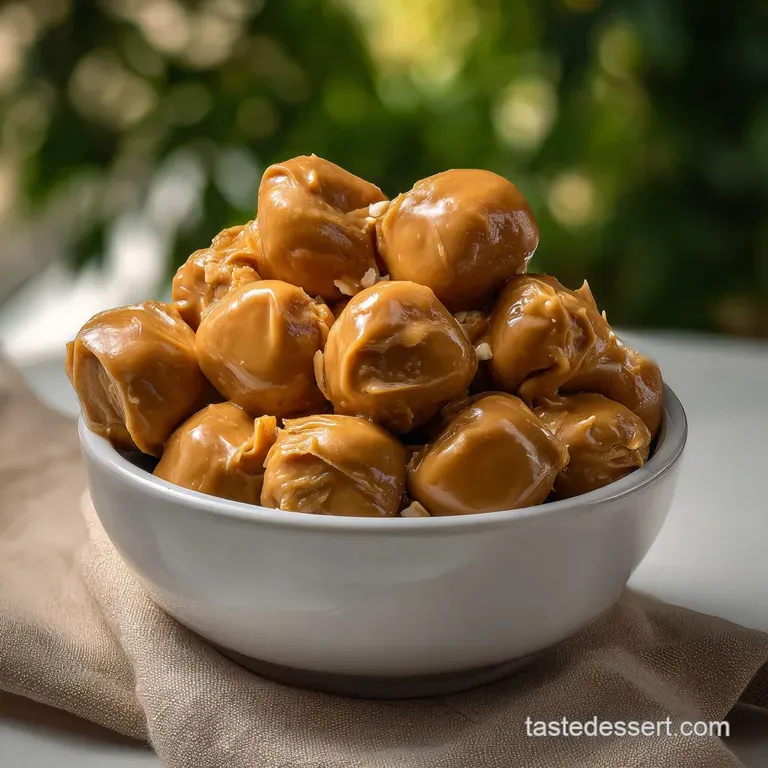
- Effort/Time: 15 minutes total, no-bake execution.
- Flavor Hook: Deeply roasted peanut notes met with the shatter of dark chocolate and sea salt.
- Perfect for: Pre-workout fueling, mid-afternoon satiety, or a nutrient-dense post-gym recovery.
- Masterclass: The Science of Peanut Butter Protein Balls
- The Ultimate Peanut Butter Protein Balls: Why This Recipe Works
- The Science of Why it Works
- Ingredient Science
- Key Ingredients and Smart Substitutions
- Step-by-Step Guide: How to Make Peanut Butter Protein Balls
- Expert Troubleshooting: Common Mistakes to Avoid
- Common Myths
- Storage and Freezing Guidelines
- Serving Suggestions for Every Occasion
- Recipe FAQs
- 📝 Recipe Card
Masterclass: The Science of Peanut Butter Protein Balls
Why This Peanut Butter Protein Balls Recipe Works
We’ve all been there: biting into a "healthy" snack that tastes like flavored sawdust. I used to think the chalky texture was just the price you paid for high protein goals. After ruining dozens of batches with varying ratios, I realized the secret isn't more liquid it's the science of fat-coating.
By using 1 cup (250g) natural creamy peanut butter as the primary binder, we encapsulate the protein particles, preventing them from drawing too much moisture out of your palate. The result is a Peanut Butter Protein Balls recipe that feels indulgent while hitting those macro targets.
Let’s get into the chemistry of why this specific blend creates the ultimate chew.
The Ultimate Peanut Butter Protein Balls: Why This Recipe Works
High Protein Fuel for Active Lifestyles
Sustained energy requires more than just a quick sugar hit. These Peanut Butter Protein Balls deliver 9g of protein per serving, primarily sourced from the 1/2 cup (60g) vanilla or chocolate protein powder and the natural density of the peanut butter.
Unlike refined flour snacks that cause insulin spikes, the complex carbohydrates in 1.5 cups (135g) old fashioned rolled oats provide a slow release glucose stream. This ensures you aren't crashing 30 minutes after your snack.
No-Bake Simplicity for Busy Schedules
Kitchen friction is the enemy of healthy eating. Because this recipe requires zero heat, we avoid the Maillard reaction entirely, preserving the raw nutritional integrity of the 2 tablespoons (14g) ground flaxseed. You are essentially creating a cold pressed nutritional bar in your own kitchen.
Using a Nordic Ware Quarter Sheet Pan to chill the balls speeds up the setting process, making this a true 15 minute "grab and-go" solution.
Nutritious Cookie Dough Flavor Profile
The combination of 1/3 cup (80ml) honey and 1 teaspoon vanilla extract mimics the flavor profile of high end artisanal cookies. The 1/3 cup (60g) mini dark chocolate chips provide a necessary texture contrast a distinct "shatter" against the velvety base. When you use a high-quality sea salt, the sodium ions actually suppress bitterness in the chocolate and protein powder, making the sweet notes pop without adding extra sugar. If you are looking for more peanut focused nutrition, you might also enjoy my Peanut Milk: The Ultimate Creamy High Protein Homemade Recipe.
The Science of Why it Works
- Lipid Encapsulation: The fats in Smucker’s Natural Creamy Peanut Butter coat the individual protein molecules, preventing them from forming a gritty, hydrophobic network that tastes dry.
- Hygroscopic Balancing: The Quaker Old Fashioned Oats act as a moisture reservoir, absorbing the honey to create a stable, tacky matrix that doesn't crumble.
- Solubility Modulation: Vanilla extract contains alcohol, which acts as a solvent to distribute flavor compounds more evenly throughout the dense fat-protein mixture.
Ingredient Science
The Science Behind Peanut Butter
- What It Does
- Acts as the primary structural binder and fat source for the Peanut Butter Protein Balls.
- The Chemistry
- Through emulsification, the natural oils hold the dry oats and powders in a semi solid state.
- Why This Matters
- It creates a velvety mouthfeel and prevents the balls from becoming brittle or "sandy" during refrigeration.
The Science Behind Protein Powder
- What It Does
- Increases the nitrogen density of the snack for muscle repair.
- The Chemistry
- Protein denaturation has already occurred during processing, so these molecules are ready to bind with the lipids in the nut butter.
- Why This Matters
- It provides 9g of protein per ball, making this a functional food rather than just a treat.
The Science Behind Rolled Oats
- What It Does
- Provides the "chew" and structural scaffolding.
- The Chemistry
- Gelatinization doesn't occur because there is no heat, but the beta glucans in the oats slowly hydrate with the honey.
- Why This Matters
- It ensures a low-glycemic index, providing 2.5g of fiber for digestive health and satiety.
Key Ingredients and Smart Substitutions
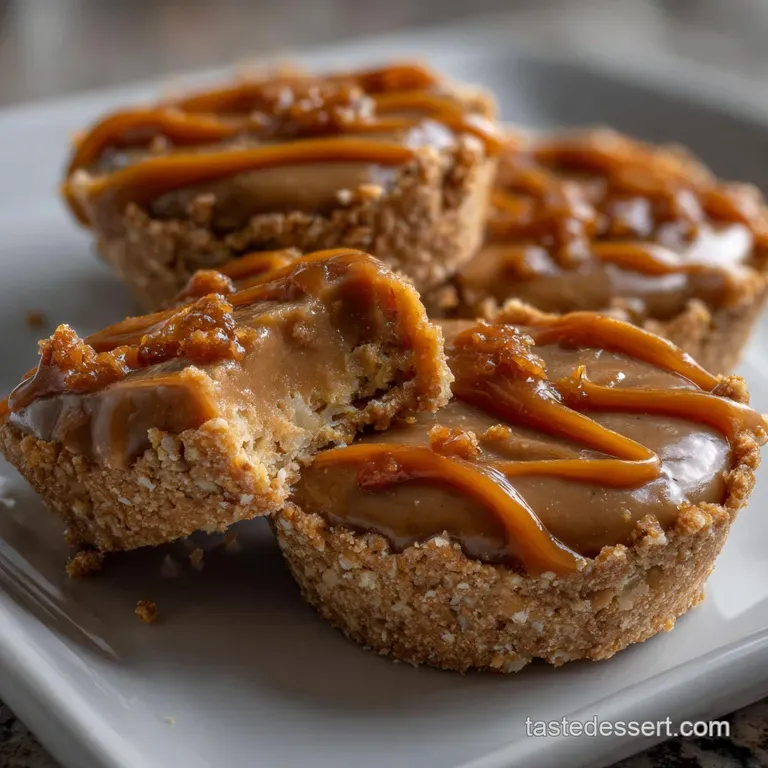
Selecting the Best Protein Powder Type
Not all powders are created equal. Whey protein isolate is highly filtered and blends smoothly but can be "thinner." If you use a plant based protein (like pea or rice), it is naturally more absorbent. You may need an extra teaspoon of honey to maintain the same tackiness. For a different take on sweet and salty balances, check out my English Toffee Sauce: Rich Browned Butter Perfection for inspiration on caramelization.
Nut Butter Options: From Peanut to Sunflower Seed
While Peanut Butter Protein Balls are the gold standard, you can swap the 1 cup (250g) of peanut butter for almond or cashew butter. Ensure the substitute is "natural" (meaning only nuts and salt) to maintain the correct viscosity.
If using a "no-stir" brand with added palm oil, the balls may feel waxier.
High Fiber Additions for Sustained Energy
The 2 tablespoons (14g) of ground flaxseed or chia seeds are crucial for the "omega-3" profile. These seeds are mucilaginous, meaning they form a gel when they come into contact with the moisture in the honey and vanilla, further binding the Protein Balls together.
| Original Ingredient | Substitute | Why It Works |
|---|---|---|
| Peanut Butter (1 cup) | Almond Butter (1 cup) | Similar fat-to-protein ratio; yields a more neutral, nutty flavor profile. |
| Honey (1/3 cup) | Pure Maple Syrup (1/3 cup) | Maintains liquid-to-dry ratio; adds woody, vanillin notes. Best for vegans. |
| Ground Flaxseed (2 tbsp) | Chia Seeds (2 tbsp) | Similar fiber content and gelling properties; adds a slight "crunch" texture. |
| Mini Chocolate Chips | Cacao Nibs | Same antioxidant profile but removes all added sugar; adds an intense bitter crunch. |
step-by-step Guide: How to Make Peanut Butter Protein Balls
Mixing the Base for Uniform Texture
Place 1 cup (250g) natural creamy peanut butter and 1/3 cup (80ml) honey in a large Pyrex glass mixing bowl. Note: Warming the nut butter for 15 seconds promotes easier emulsification with the honey.
Whisk in 1 teaspoon vanilla extract and a pinch of sea salt. Note: Salt breaks down the surface tension of the fats, allowing the vanilla aroma to permeate the entire mixture.
Fold in 1/2 cup (60g) vanilla or chocolate protein powder using a Staub Silicone Spatula. Note: This ensures the powder is fully "wetted" by the fats before the bulky oats are added.
Adjusting the Consistency of Your Peanut Butter Protein Balls
Add 1.5 cups (135g) old fashioned rolled oats and 2 tablespoons (14g) ground flaxseed. Note: The oats provide the structural "skeleton" that prevents the balls from flattening under their own weight.
Incorporate 1/3 cup (60g) mini dark chocolate chips. Note: Using "mini" chips ensures a more even distribution of chocolate in every bite without compromising the structural integrity of the 15 servings.
Pro Tips for Perfectly Sized Portions
Use a 1 tablespoon cookie scoop to portion the dough. Note: Consistency in size ensures that the 196 calories and 9g of protein per serving remain accurate for your meal tracking.
Roll the dough between your palms until smooth and spherical. Note: The warmth from your hands slightly melts the surface fats, creating a glossy, professional finish.
Place the Peanut Butter Protein Balls on a parchment lined tray and refrigerate for at least 30 minutes. Note: This "cold set" allows the fibers in the oats to fully hydrate, locking in the moisture.
Chef's Tip: If the mixture feels too tacky to roll, wet your hands slightly with cold water. The water creates a temporary barrier against the oils, allowing for a perfectly smooth sphere.
Expert Troubleshooting: Common Mistakes to Avoid
| Problem | Why It Happens | The Fix | Pro Protocol |
|---|---|---|---|
| Crumbly Texture | Too much protein powder or dry oats. | Add 1 tsp of warm water or extra honey. | Use a Taylor Digital Scale to ensure exactly 250g of peanut butter. |
| Too Sticky to Roll | PB was too oily or warm. | Chill the bowl for 20 mins before rolling. | Aim for "tacky" rather than "wet"; the fridge is your best tool for setting. |
| Bland Flavor | Omitted the sea salt. | Add a flake of Maldon Sea Salt to the top of each ball. | Salt is a flavor potentiator; it makes the peanut notes feel "roastier." |
Common Myths
Myth: You must use whey protein for the best texture. Truth: While whey is popular, the high fat content in the 1 cup (250g) of peanut butter makes this recipe extremely forgiving for plant based proteins, which often provide a better "chew."
Myth: "Natural" peanut butter is too runny for Protein Balls. Truth: Natural peanut butter is actually superior because it lacks the stabilizers that can make the balls feel "waxy" when cold. The fridge will naturally firm up the peanut oils.
Storage and Freezing Guidelines
Storing Protein Balls for Maximum Freshness
Store your Peanut Butter Protein Balls in an airtight Rubbermaid Brilliance container. They will stay fresh in the refrigerator for up to 7 days. The oats will continue to soften over the first 24 hours, making day two the peak time for texture.
Freezing Tips for long term Meal Prep
These freeze beautifully for up to 3 months. Flash freeze them on a baking sheet for 1 hour before transferring to a heavy duty freezer bag. This prevents them from sticking together.
You can eat them straight from the freezer for a "fudge like" consistency or let them thaw at room temperature for 15 minutes.
Serving Suggestions for Every Occasion
Fixing Dry or Crumbly Mixtures
If you find your mixture isn't holding together, it’s likely a variation in the protein powder’s absorbency. Add peanut butter in 1 tablespoon increments until the dough resembles damp sand that holds its shape when squeezed. If you're looking for a savory high protein meal to follow these snacks, try my Greek Turkey Meatballs: Easy Baked Recipe with Feta and Tzatziki Sauce.
Optimal Times to Enjoy Your Protein Snack
With 19g of carbohydrates and 11g of fat, these are designed for sustained release. They are excellent 60 minutes before a workout to provide glucose for the muscles and fats for long term endurance. They also serve as a great bridge between lunch and dinner to prevent blood sugar dips.
Whether you're looking for Peanut Butter Protein Bites for the kids' lunches or No Bake Peanut Butter Energy Balls for your own gym bag, this masterclass approach ensures a consistent result every time.
By respecting the science of the ingredients and the precision of the measurements, you'll never have to settle for a dry Protein Packed Energy Bite again. This Peanut Butter Protein Balls recipe is a staple for a reason it simply works.
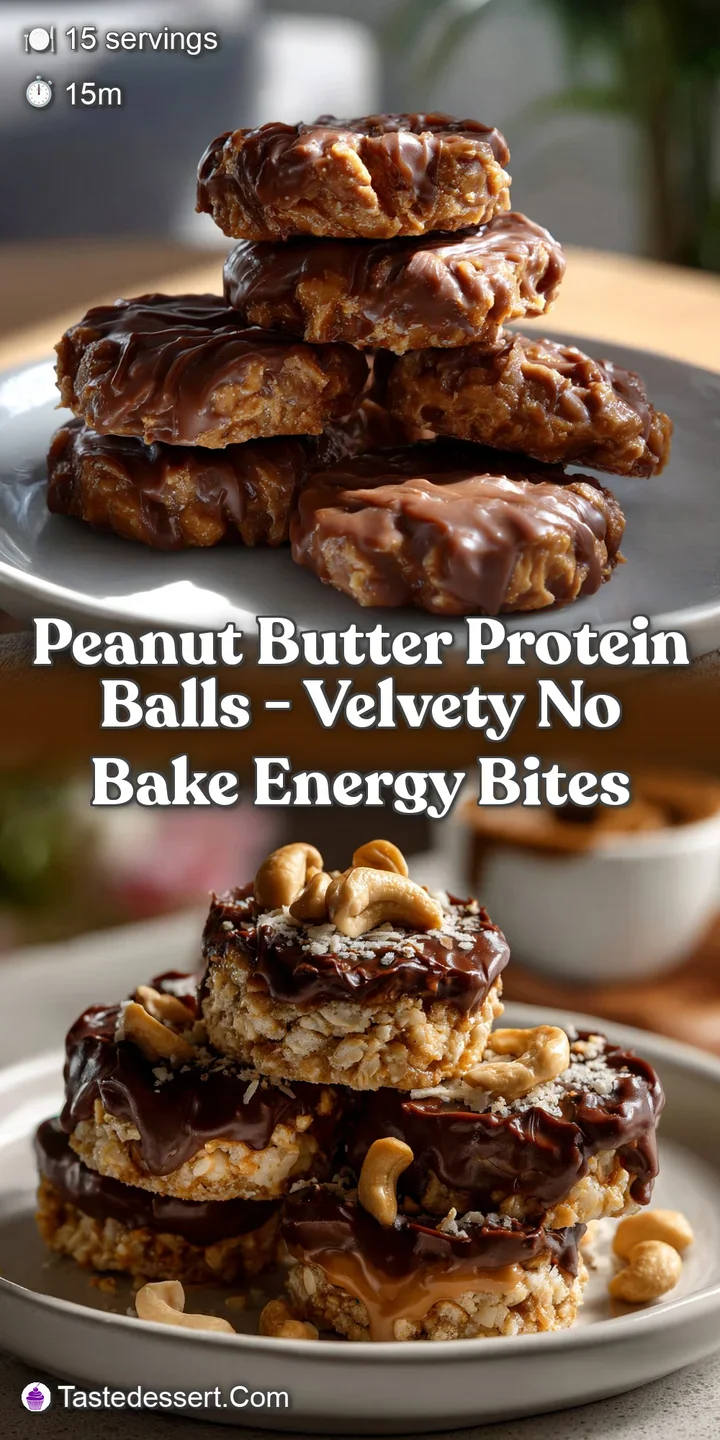
Recipe FAQs
Can I use a flavored whey protein instead of unflavored?
Flavor selection impacts final sweetness significantly. Artificial sweeteners in flavored whey interact differently with honey/maple syrup than pure whey isolate, potentially creating an overly sweet final product.
How long do these balls stay fresh at room temperature?
Four days maximum for optimal texture. Lipid oxidation accelerates above 70°F, compromising the necessary smooth emulsion created by the peanut butter binding agents.
Why are my balls crumbling into dry powder?
Insufficient binding moisture from the primary lipid source. When the ratio tips toward excess dry powder, the hydrophobic nature of the protein resists emulsification, preventing structural cohesion.
- Increase peanut butter by 1 tablespoon
- Ensure honey/syrup is measured precisely
- Chill mixture for 10 minutes before rolling
Should I use natural runny peanut butter or standard stabilized PB?
Natural runny peanut butter for superior pliability. Stabilized peanut butter contains added emulsifiers (like hydrogenated oils) which inhibit the recipe's intended velvety mouthfeel.
Can I substitute flaxseed meal for oats?
Flaxseed meal creates a denser, oilier ball. Flax absorbs moisture differently than rolled oats, resulting in a chewier product akin to a no-bake cookie base, similar to our Proper Job Chewy Peanut Butter Cookies The Best Classic Recipe.
Myth: Adding liquid sweetener (like agave) instead of honey reduces calories.
Myth: Adding liquid sweetener (like agave) instead of honey reduces calories. Reality: Agave often has a higher fructose load than standard honey, sometimes resulting in a higher net sugar count per serving volume.
Myth: Freezing them instantly preserves the texture perfectly.
Myth: Freezing them instantly preserves the texture perfectly. Reality: Rapid freezing can cause water crystals to form, leading to a slight crumbly texture upon thawing unless they are tightly wrapped to prevent freezer burn.
Peanut Butter Protein Balls
Ingredients:
Instructions:
Nutrition Facts:
| Calories | 196 calories |
|---|---|
| Protein | 9g |
| Fat | 11g |
| Carbs | 19g |
| Fiber | 2.5g |
| Sugar | 9g |
| Sodium | 45mg |
