Pecan Pie Cheesecake Coffee Cake
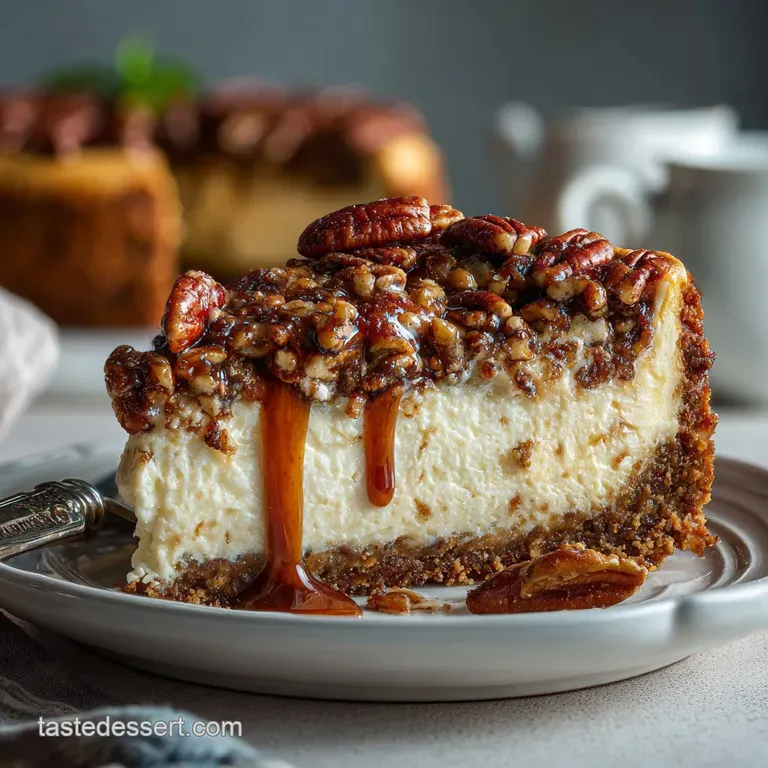
- Time: Active 25 minutes, Passive 55 minutes, Total 1 hours 20 mins
- Flavor/Texture Hook: Shatteringly crisp mahogany pecans atop a silky, tang forward cheesecake core.
- Perfect for: Holiday brunches, Sunday meal prep, or impressing the neighbors.
- Bake This Decadent Pecan Pie Cheesecake Coffee Cake
- The Science of Moisture Migration
- Component Analysis for Baking Success
- Budget Smart Ingredients and Simple Swaps
- Essential Tools for Baking Success
- Step by Step Layering and Baking
- Fixing Common Baking Flubs and Mistakes
- Adjusting for Large or Small Crowds
- Debunking Common Pecan Baking Misconceptions
- Saving Leftovers and Reducing Kitchen Waste
- What to Serve with Your Cake
- Recipe FAQs
- 📝 Recipe Card
Bake This Decadent Pecan Pie Cheesecake Coffee Cake
The kitchen currently smells like a dream that specific, intoxicating aroma of sizzling butter, toasted nuts, and bubbling brown sugar. It’s the kind of scent that makes you want to pull a chair right up to the oven door and wait.
I first threw this together when I couldn't decide between a traditional cheesecake and a morning pastry for a family brunch, and honestly, combining them was the smartest thing I’ve ever done in my apron.
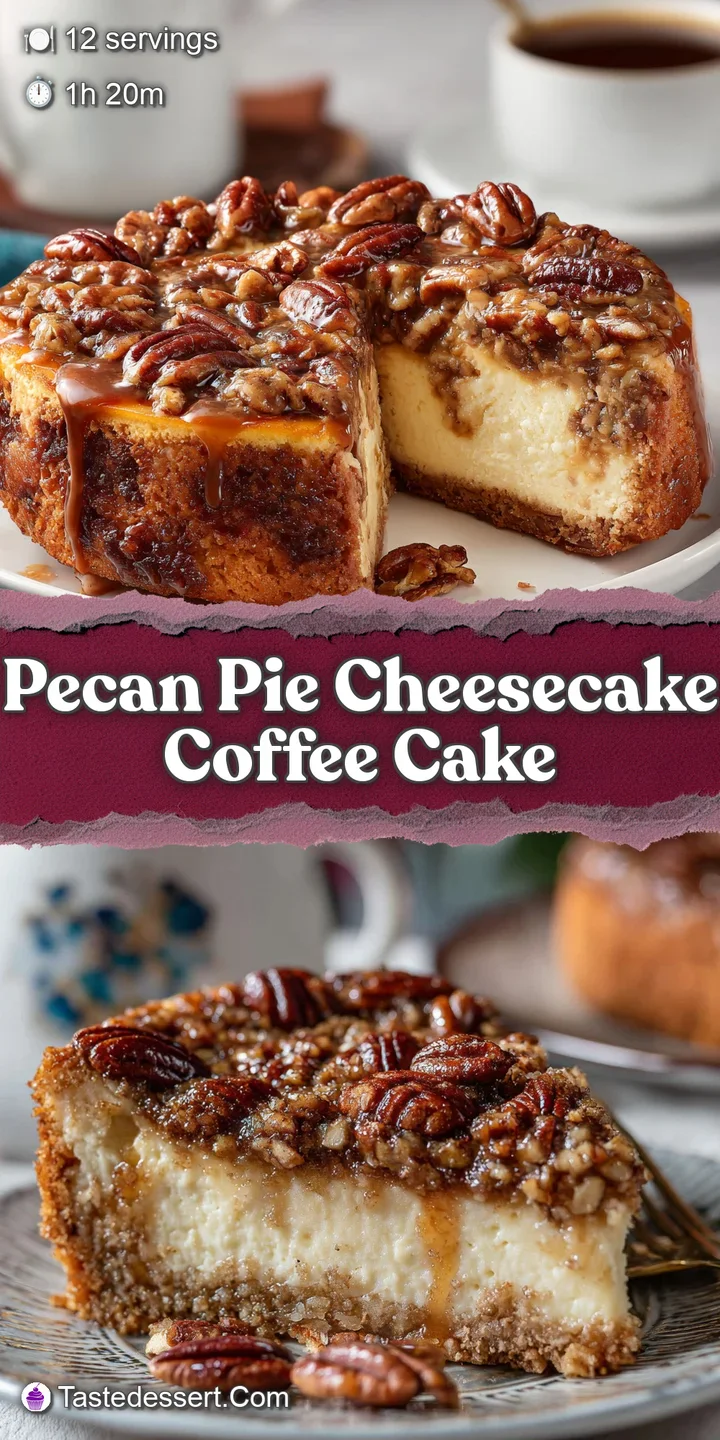
We’re not just making a cake here; we’re building layers of texture. You’ve got the fluffy, cloud like buttermilk cake on the bottom, a hidden layer of rich cheesecake in the middle, and then that "shatter on-impact" pecan pie topping that ties it all together.
It’s a total crowd puller that looks way more difficult than it actually is.
If you’ve ever been frustrated by coffee cakes that turn out like dry bread or cheesecakes that feel too heavy for breakfast, this is your solution. We’re using smart, budget friendly pantry staples to transform basic flour and sugar into a masterpiece that rivals any high end bakery.
Let’s get into how we make this happen without breaking the bank or your spirit.
The Science of Moisture Migration
Acidic Leavening: Buttermilk reacts with the baking soda to create tiny carbon dioxide bubbles, ensuring the dense cheesecake layer doesn't crush the cake base.
Fat Barrier: Softened butter coats the flour proteins, which limits gluten development and results in a velvety, tender crumb rather than a chewy one.
Sugar Hygroscopy: The brown sugar in the topping draws moisture from the air, keeping the pecans sticky and mahogany dark instead of dry and brittle.
| Method | Time | Texture | Best For |
|---|---|---|---|
| Standard Oven | 55 minutes | Golden, crisp edges | Most home cooks |
| Convection | 45 minutes | Extra shatter crisp top | Faster browning |
| Toaster Oven | 60 minutes | Soft and gooey | Smaller 8 inch batches |
While the oven is the gold standard for getting that specific "crunch" on the pecans, using a convection setting can shave off nearly 10 minutes if you're in a hurry. Just keep an eye on the sugar it can go from caramelized to burnt in a heartbeat if the air circulation is too aggressive.
Component Analysis for Baking Success
| Component | Science Role | Pro Secret |
|---|---|---|
| Buttermilk | Tenderizes gluten via acidity | Use room temp to avoid curdling butter |
| Cream Cheese | Adds structural density | Brick style only; tubs have too much air |
| Pecan Halves | Provides lipid rich crunch | Toast them for 3 mins before adding to top |
It's tempting to grab the low-fat cream cheese to save a few calories, but trust me, don't do it. You need that full fat "brick" style for the cheesecake layer to set properly against the heat of the cake batter.
Budget Smart Ingredients and Simple Swaps
To keep this budget friendly, look for store brand cream cheese and buy your pecans in bulk halves rather than pre chopped pieces. Chopping them yourself saves money and gives you those beautiful, chunky bits that look so much better on camera. This recipe relies on the Traditional Pecan Pie recipe flavor profile but adapts it for a cake format.
- 2 ½ cups All purpose flour: Use bread flour for a chewier, sturdier base. Why this? Provides the essential structure for heavy toppings.
- ¾ cup Unsalted butter: Salted butter works too; just skip the extra sea salt. Why this? Creates the tender "short" crumb we want.
- 1 cup Full fat buttermilk: 1 cup milk + 1 tbsp lemon juice. Why this? Activates leavening for a high rise.
- 16 oz Full fat cream cheese: Mascarpone if you're feeling fancy and rich. Why this? The creamy anchor of the entire dish.
- 1 ½ cups Pecan halves: Walnuts are a cheaper, earthier alternative. Why this? Provides the iconic "pie" crunch and flavor.
- 2 tbsp Dark corn syrup: Maple syrup or honey for a floral note. Why this? Binds the topping into a gooey glaze.
| Original Ingredient | Substitute | Why It Works |
|---|---|---|
| Buttermilk (1 cup) | Plain Yogurt + Water | Maintains the acidity needed for the rise |
| Vanilla Bean Paste | Vanilla Extract | Same flavor profile; saves about $15 per jar |
| Heavy Cream | Evaporated Milk | Similar fat content but shelf stable and cheaper |
Since we are focused on smart spending, using evaporated milk in the topping is a fantastic trick. It has that slightly caramelized taste already built in, which actually deepens the "pie" flavor of the pecan layer without the price tag of a fresh pint of cream.
Essential Tools for Baking Success
You don't need a professional kitchen to pull this off, but a few specific tools make the process much smoother. A standard 9x13-inch metal baking pan is my go to for this because it conducts heat evenly, ensuring the middle cheesecake layer actually cooks through without the edges becoming a charred mess.
If you have a stand mixer like a KitchenAid, use the paddle attachment for the cake base to avoid whipping too much air into the batter. For the cheesecake layer, a simple handheld mixer is perfect for getting that velvety, lump free consistency.
Also, grab a piece of parchment paper leaving a "sling" or overhang on the long sides of the pan allows you to lift the whole cake out for perfect, clean squares once it’s cooled.
step-by-step Layering and Baking
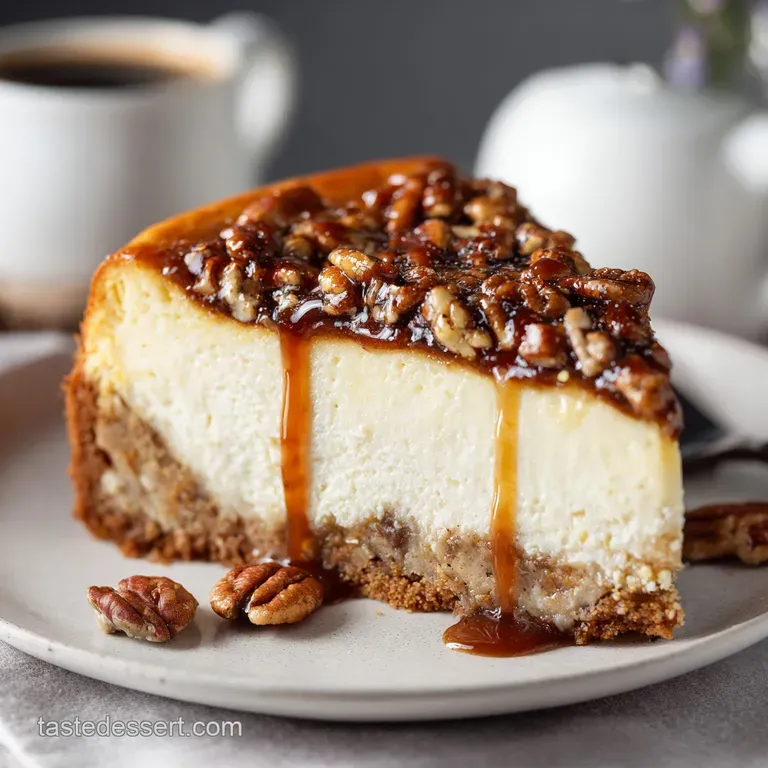
Phase 1: Base Construction
- Preheat your oven to 325°F. Note: Lower temps prevent the cheesecake from cracking.
- Cream the ¾ cup softened butter and 1 cup sugar until pale and fluffy.
- Add 2 eggs one at a time, beating well after each.
- Whisk 2 ½ cups flour, baking powder, soda, and salt in a separate bowl.
- Alternate adding flour and 1 cup buttermilk to the butter mixture. Note: Start and end with flour.
Phase 2: The Topping
- Beat 16 oz cream cheese, ½ cup sugar, 1 egg, and vanilla until silky and smooth.
- In a small bowl, stir 1 ½ cups pecans, brown sugar, melted butter, syrup, and cinnamon.
- Spread the cake batter into the prepared pan. Note: It will be thick.
- Dollop the cheesecake mixture over the batter and swirl gently with a knife.
- Sprinkle the pecan mixture evenly over the top until every inch is covered.
Phase 3: The Bake
- Bake for 55 minutes until the center barely jiggles.
- Check the internal temp of the cheesecake layer; it should hit 160°F.
- Cool in the pan for at least 1 hours 30 mins to let the layers set.
Chef's Tip: If the pecans start browning too quickly at the 40 minute mark, tent the pan loosely with foil. This allows the cake to finish cooking through without turning the nuts into bitter charcoal.
Fixing Common Baking Flubs and Mistakes
Sinking Cheesecake Layers
If your cheesecake layer disappears into the bottom of the cake, your cake batter was likely too thin or you over swirled. The cake base needs to be thick almost like a soft cookie dough to support the weight of the cream cheese.
When swirling, keep your knife shallow; you only want to marble the top inch, not dig down to the pan.
Prevent Burnt Pecan Toppings
Pecans have a high oil content and the sugars in the topping caramelize fast. If your oven runs hot, the top might look done while the cake is still raw. Always use a middle rack and consider an oven thermometer to ensure you're truly at 325°F.
| Problem | Cause | Fix |
|---|---|---|
| Gummy cake center | Undercooked cheesecake | Bake until 160°F internally |
| Dry crumb | Overbaked | Reduce time by 5 mins next time |
| Topping won't stick | Not enough syrup | Add 1 tbsp extra honey or syrup |
Common Mistakes Checklist
- ✓ Using cold cream cheese (causes lumps that won't bake out).
- ✓ Overmixing the cake batter (leads to a tough, bready texture).
- ✓ Cutting the cake while warm (the cheesecake layer will ooze out).
- ✓ Forgetting to grease the corners of the pan.
- ✓ Using "spreadable" tub cream cheese instead of the brick.
Adjusting for Large or Small Crowds
If you're hosting a massive holiday party, you can easily double this recipe. Use two separate 9x13 pans rather than one giant one to ensure the heat reaches the center of both cakes equally. If you try to bake a double batch in a deep roasting pan, the edges will be dry before the middle even begins to set.
For a smaller household, you can halve the recipe and bake it in an 8x8-inch square pan. The bake time will stay roughly the same, maybe 5-8 minutes shorter, because the thickness remains consistent. If you find yourself with extra pecans, they work beautifully in my Maple Pecan Pie recipe later in the season.
| Prep Goal | Action | Outcome |
|---|---|---|
| Extra Crunchy Top | Double the pecan mixture | More "pie" feel, slightly sweeter |
| Lighter Brunch | Increase buttermilk by 2 tbsp | Airier cake, less dense |
| Professional Look | Drizzle with 1/4 cup caramel | Adds a high end bakery finish |
Debunking Common Pecan Baking Misconceptions
One big myth is that you must soak pecans before baking to keep them from burning. Actually, soaking ruins the "shatter" texture we want. The fat in the butter and the sugar in the syrup create a protective coating that caramelizes the nut rather than burning it.
Another misconception is that cheesecake coffee cakes must be kept at room temperature like a standard muffin. Because of the high moisture and protein content in the cream cheese layer, this cake really should be refrigerated if you aren't eating it within a few hours.
It actually tastes even more like a "Pecan Pie Cheesecake" when it's slightly chilled!
Saving Leftovers and Reducing Kitchen Waste
Storage: Keep slices in an airtight container in the fridge for up to 5 days. For long term storage, wrap individual squares in plastic wrap and then foil; they’ll stay fresh in the freezer for up to 3 months.
To reheat, a quick 15 second zap in the microwave restores the gooeyness of the topping.
Zero Waste: Don't toss those tiny pecan fragments at the bottom of the bag! Toss them into the topping mixture anyway they fill in the gaps between the larger halves, creating a more solid crust. If you have leftover buttermilk, use it to marinate chicken or make a quick batch of pancakes.
Any leftover cheesecake filling can be baked in a muffin tin for "crustless" mini treats.
What to Serve with Your Cake
This cake is incredibly rich, so I like to serve it with something that cuts through the fat. A sharp, acidic fruit salad with grapefruit and orange segments works wonders. If you're serving this as a dessert rather than brunch, a dollop of unsweetened whipped cream or a scoop of tart lemon sorbet provides a delightful contrast to the mahogany sugar topping.
For a full dessert spread, these squares look beautiful next to darker treats. I often pair them with my Fudge Brownie recipe to give guests a choice between nutty caramel flavors and deep chocolate intensity.
If you want X, do Y: If you want a deeper flavor, use dark brown sugar in the topping. If you want a cleaner slice, use a hot knife dipped in water. If you want more tang, add 1 tsp of lemon zest to the cheesecake layer.
This Pecan Pie Cheesecake Coffee Cake is truly the best of all worlds. It’s got the comfort of a morning cake, the luxury of a cheesecake, and the iconic crunch of a holiday pie. It’s been a total transforming recipe in my house, and I hope it becomes a staple in yours too. Happy baking!
Recipe FAQs
Can I make this cake ahead of time?
Yes, it's actually recommended. Bake and chill the entire cake up to 2 days before serving for the cleanest slices and best texture.
What is the secret to the moist cake base?
The cheesecake layer itself provides moisture. It hydrates the cake base from the inside out, preventing the common "too dry" coffee cake problem.
How do I prevent the pecan topping from burning?
Bake at a lower temperature and monitor closely. The recipe suggests 325°F; if the pecans start browning too quickly, loosely tent the pan with foil.
What kind of cream cheese should I use?
Always use full fat, brick style cream cheese. Tubs contain too much air and moisture, which will prevent the cheesecake layer from setting properly.
Can I substitute walnuts for pecans?
Yes, walnuts are a good substitute. They offer a similar crunch and a complementary, earthier flavor profile to the overall dessert.
How do I get cleaner slices?
Chill the cake thoroughly and use a hot knife. Allowing the cake to set in the refrigerator for at least 1 hour 30 minutes before slicing is crucial. Dipping your knife in hot water between cuts also helps.
What's the best way to store leftovers?
Refrigerate in an airtight container. The cake will keep for up to 5 days in the fridge, and for longer storage, wrap individual slices and freeze them.
Pecan Pie Cheesecake Coffee Cake
Ingredients:
Instructions:
Nutrition Facts:
| Calories | 615 kcal |
|---|---|
| Protein | 8.8 g |
| Fat | 40.2 g |
| Carbs | 58.4 g |
| Fiber | 1.6 g |
| Sugar | 42.1 g |
| Sodium | 375 mg |
