Blueberry Blackberry Pie: Classic Recipe for a Flaky All-Butter Crust
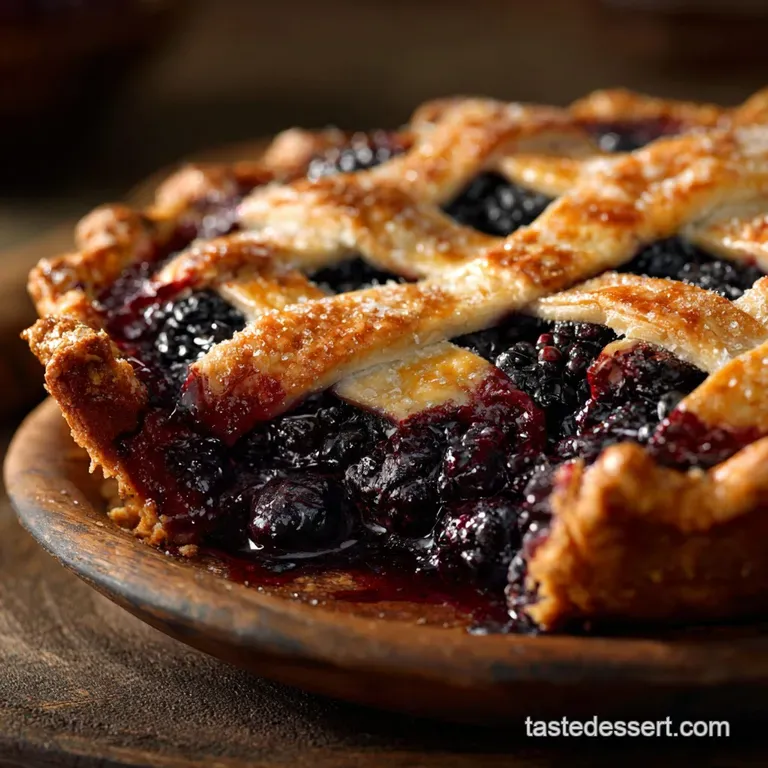
- Introducing the Perfect Summer Berry Bake: Your Blueberry Blackberry Pie
- Mastering the Science: Why This Pie Filling Sets Perfectly
- Detailed Breakdown of Ingredients and Crucial Substitutions
- Step-by-Step Guide to Make the Ultimate Blueberry Blackberry Pie
- Troubleshooting Your Bake: Common Blueberry Blackberry Pie Mistakes
- Make-Ahead Strategy and Freezing Guidelines for Your Pie
- The Best Accompaniments: Pairing Flavors with Summer Berry Pie
- Recipe FAQs
- 📝 Recipe Card
Introducing the Perfect Summer Berry Bake: Your Blueberry Blackberry Pie
That moment the golden steam hits your face? Pure joy. The aroma of rich, caramelizing butter combined with tart, jammy summer blueberries and blackberries is just intoxicating. This homemade Blueberry Blackberry Pie is exactly what memories are made of, providing a warm, comforting hug in every thick, flaky slice.
I know, pies sound intimidating, but trust me, this recipe is a lifesaver. You don't need fancy tools or an advanced degree in pastry science; you only need to commit to keeping things cold, which is really the hardest part.
It’s significantly cheaper and tastes infinitely better than anything you can buy ready-made, making it the ultimate victory dinner party dessert.
Ready to ditch the flimsy store-bought crusts and runny fillings? I’ve gathered all the tricks I learned over years of scorched edges and watery slices, creating a foolproof method for the ultimate homemade berry pie. Let's crack on and master this double crust masterpiece.
Mastering the Science: Why This Pie Filling Sets Perfectly
Making a great pie isn't magic; it's just following a few simple physical rules. We are tackling the two biggest pie problems: a soggy bottom and a runny filling. By controlling temperature and using the correct thickening agent, we guarantee a slice that stands tall, bursting with intensely flavored fruit.
The Quintessential British Summer Filling: Berries and Brambles
The combination of blueberries and blackberries (which we call brambles here in the UK) is utterly divine. Blueberries are naturally sweeter and plump, providing a gentle sweetness that balances the slightly earthier, tart acidity of the blackberries.
Using a 50/50 mix ensures the pie isn't too cloyingly sweet, giving it that lovely, refreshing punch.
What Makes a Double Crust Pie Superior to Crumbles?
Look, I love a good crumble, but a double crust pie is the proper showstopper. The pastry encases the fruit entirely, trapping the aromatic steam and forcing the flavors to intensify as they cook down together.
Plus, that buttery, golden top crust provides textural contrast you get flake against the soft, warm fruit filling.
Essential Equipment Checklist for Pastry Success
You really don't need much, but having the right basics makes life easier. A 9 inch deep dish ceramic pie plate is non-negotiable, as glass or ceramic heats more evenly than metal.
I also recommend a strong rolling pin and a pastry blender or food processor to quickly cut the butter into the flour. Speed is key when working with butter.
The Starch Ratio: Balancing Tapioca vs. Cornstarch for Berry Juices
This is where many people fail: using too little thickener, or the wrong kind. Cornstarch is my preferred thickener for this recipe because it activates easily at a lower temperature and absorbs a lot of liquid.
Tapioca flour (sometimes called instant tapioca) is a fantastic substitute, giving the finished filling a glossy, clear sheen, but you need slightly less of it. We use a generous amount here because berries are notoriously juicy, especially the blueberries.
Achieving the Flakiest Crust: The Secret to Cold Layers
Keep the butter frozen. Seriously, this is the entire secret. When tiny, cold pieces of butter melt in the hot oven, they release steam, creating little air pockets that's the flakiness you're after.
If the butter is too warm, it melts into the flour too early, resulting in a tough, dense crust.
Balancing Sweetness and Tartness in the Filling
If you toss in a handful of lemon zest and juice, you instantly brighten the entire pie. Lemon doesn't make the pie taste sour; it just wakes up the fruit flavors and cuts through the richness of the butter and sugar. Don't skip the lemon!
Detailed Breakdown of Ingredients and Crucial Substitutions
I always preach using the best ingredients you can afford, but sometimes you just have to work with what’s in the pantry. Here is what you need and what you can swap out in a pinch.
Choosing Your Berries: Fresh vs. Frozen Blueberries and Blackberries
Fresh berries during the summer are unbeatable, offering that perfect pop. However, if you are making this off-season, frozen berries work beautifully. Do not thaw frozen berries ; just toss them directly into the sugar and starch mixture.
You should also add 1 extra tablespoon of cornstarch to handle the extra moisture they release when baking.
Pastry Perfection: Selecting Your All-Butter Fat Source
I am a purist; it has to be All-Butter pastry. high-quality unsalted butter delivers the best flavour and flakiness. If you need a vegan alternative, firm, high fat vegan butter sticks work incredibly well, just make sure they are frozen solid before cutting them in.
Lard or vegetable shortening will give you a flaky crust, but the flavour won't be as rich.
Flour Power: High Protein vs. Low-Protein Flours for Pie Crusts
All-purpose flour hits the sweet spot for pie dough; it has enough protein to develop structure without making the crust tough. If you only have bread flour (high protein), you might end up with a slightly less tender crust, so be extra careful not to overwork the dough.
Cake flour (low protein) is too weak and will make the dough hard to handle.
Ingredient Temperature Management for Optimal Texture
| Ingredient | Status Required | Why It Matters |
|---|---|---|
| Butter | Frozen cubes | Creates steam pockets for flakiness. |
| Water | Ice Cold | Prevents butter from melting prematurely. |
| Assembled Pie | Chilled (Final 10 min) | Stops the crust from shrinking in the oven. |
step-by-step Guide to Make the Ultimate Blueberry Blackberry Pie
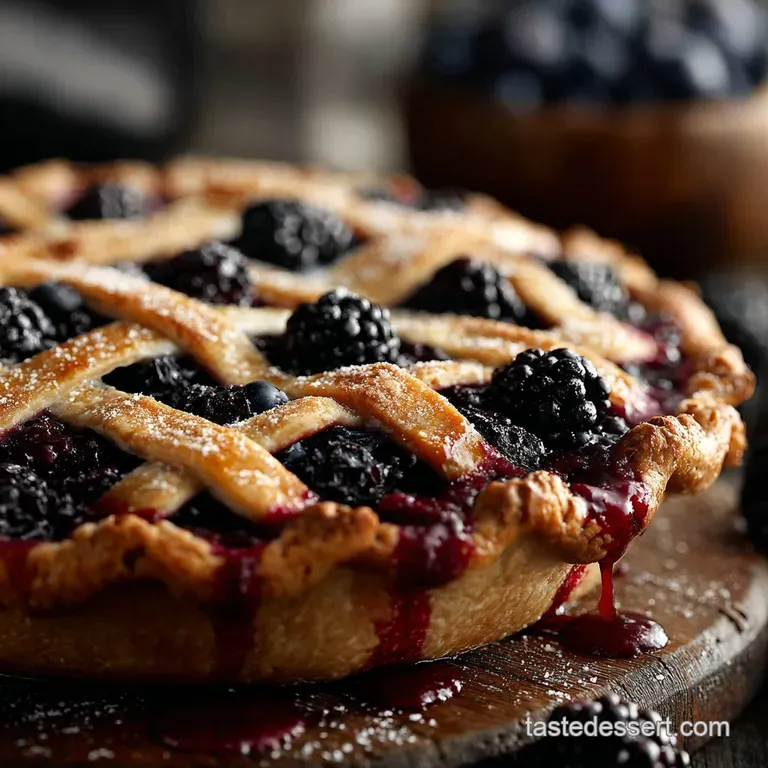
Remember, patience is a virtue, especially when chilling the dough. Don't rush the rest periods!
Stage One: The Flaky All-Butter Pastry Method (Mixing & Chilling)
Start by whisking your dry ingredients flour, sugar, and salt together in a large bowl. Next, quickly add your frozen butter cubes and cut them in, either with a pastry blender or pulsing in a food processor, until the mixture looks like coarse sand with visible pea-sized chunks of butter remaining.
This is the texture you want. Slowly stream in the ice water, starting with 6 tablespoons, until the dough just barely holds together when squeezed. Do not add more water than necessary!
Divide the shaggy dough, flatten each piece into a disk, wrap tightly, and chill them in the fridge for at least one hour.
Stage Two: Preparing and Mounding the Berry Filling
In a separate large bowl, gently mix your prepared blueberries and blackberries. Whisk the sugar, cornstarch, lemon zest, juice, and spices together in a smaller bowl. Pour the dry mixture over the fruit and toss very gently with a rubber spatula, making sure every berry is lightly coated without crushing the fruit.
Let the filling sit for 15 minutes while you roll the bottom crust; this allows the sugar to draw out some juice and the cornstarch to start working its magic.
Stage Three: Crimping, Venting, and Applying the Egg Wash
Roll one disk into a 12 inch circle and lay it into your pie plate, trimming the edges to leave a 1 inch overhang. Pour in the filling, mounding it slightly in the middle. Roll out the top crust, cut several vents (steam needs to escape!), and lay it over the filling.
Trim the top crust and tuck the overhang underneath the bottom crust, creating a thick, reinforced rim. Crimp firmly! Whisk one egg with a teaspoon of cream for the egg wash, brush it over the top crust, and sprinkle generously with coarse sugar for that professional sparkle and crunch.
Stage Four: Baking Timeline and Temperature Shifts
Preheat your oven to a high heat: 425°F (220°C). This initial high temperature is crucial because it helps set the bottom crust fast before the juices start flowing, minimizing the dreaded soggy bottom.
Bake for 15 minutes, then reduce the heat to 375°F (190°C) without opening the door. Continue baking for another 50– 60 minutes. You know it’s done when the crust is deep golden brown and the berry juices are vigorously bubbling in the centre vents.
Chef’s Note: Never slice a fruit pie hot! The filling needs that cooling time two to three hours minimum for the cornstarch to fully hydrate and set. If you cut it early, you will have a soupy mess.
Troubleshooting Your Bake: Common Blueberry Blackberry Pie Mistakes
We all mess up sometimes! My biggest mistake early on was not chilling the assembled pie it shrank horribly in the oven. Learn from my errors and perfect your technique.
How to Prevent a Soggy Bottom Crust (Blind Baking Strategies)
The best defense is that over high heat initial bake, as noted above. For extra insurance, place your pie plate on a preheated baking steel or a heavy baking stone. If you are extremely worried, you can opt for a partial blind bake of the bottom crust (bake the shell empty, weighted with beans, for 15 minutes before adding the filling).
Dealing with Runny Filling: Temperature and Consistency Fixes
If your filling is runny, it usually means two things: either you didn't use enough starch, or you didn't bake the pie long enough for the filling to reach 200°F (93°C), the temperature needed to activate the cornstarch. You need to see those juices bubbling strongly!
Next time, add an extra tablespoon of cornstarch to the berries.
What to Do If the Crust Browns Too Quickly
This is super common in hotter ovens. If the edges are getting dark halfway through the bake, simply tear long strips of aluminum foil and carefully crimp them around the exposed crust edge. This acts as a shield, allowing the center to catch up.
make-ahead Strategy and Freezing Guidelines for Your Pie
Life gets busy, right? Knowing how to store and reheat this Blueberry Blackberry Pie recipe is just as important as baking it.
Freezing Unbaked Pie vs. Baked Pie: Which Method is Best?
I much prefer freezing the unbaked pie. Assemble the entire pie, including the egg wash and sugar sprinkle, then wrap it tightly in two layers of plastic wrap and a layer of foil. Freeze it for up to three months.
When you want to bake it, transfer the pie directly from the freezer to a preheated oven (no thawing!), but add an extra 20– 30 minutes to the total baking time.
Thawing and Reheating Instructions for Maximum Freshness
To reheat a slice of pie, the microwave works fast, but it makes the crust soggy. For the best results, reheat slices in a toaster oven or regular oven at 300°F (150°C) for about 10– 15 minutes until the crust is crisp again and the filling is warm.
Keeping Leftovers: Short Term Storage Solutions
If you somehow have leftovers (unlikely, I know), this pie keeps perfectly at room temperature for about two days, provided your kitchen isn't sweltering hot. After that, wrap it loosely and keep it in the fridge for up to four days.
The Best Accompaniments: Pairing Flavors with Summer Berry Pie
Pie is rarely served alone, nor should it be. If you want to use up extra blackberries, I often toss them into a Blueberry Banana PB Smoothie: 5 Minute High Protein Breakfast Blitz the next morning.
The classic pairing for this kind of intensely fruity, slightly tart pie is always creamy vanilla ice cream. However, don't sleep on a generous dollop of clotted cream or a thick, rich vanilla custard if you want to go the proper British route. If you’re really into pie, like me, you’ll find this recipe much more comforting than the tang of a Lemon Meringue Pie Recipe: Classic Zesty Filling and Towering Meringue on a chilly evening. Sometimes you just need those warm, jammy blueberries and blackberries to feel cozy.
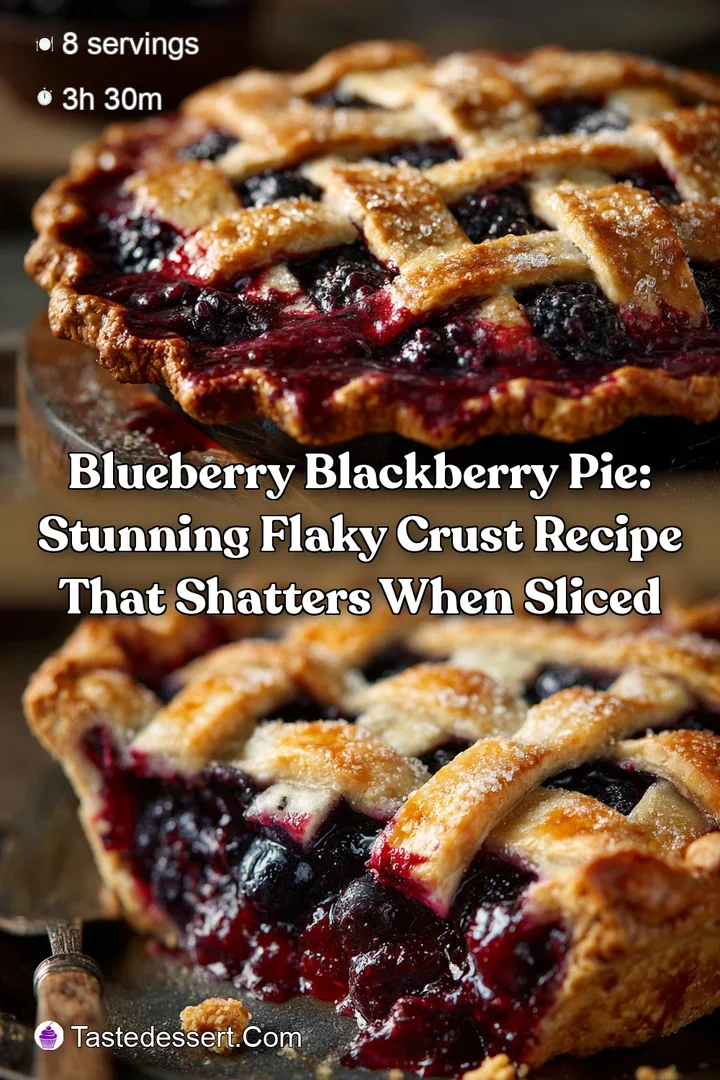
Recipe FAQs
Why is the bottom crust of my pie soggy, despite following the recipe exactly?
A soggy bottom is usually caused by excessive moisture from the berries combined with a low oven temperature at the pie's base. To combat this, try blind baking the bottom crust for 10-15 minutes before adding the filling, or bake the pie directly on a preheated pizza stone or baking sheet placed on the lowest rack.
My berry filling is too runny once the pie is sliced. How can I fix this next time?
Ensure you are accurately measuring your chosen thickener, as berries release a significant amount of liquid when heated. For reliable setting and a clean finish, try using tapioca starch instead of cornstarch, or increase the quantity of cornstarch by one teaspoon next time you bake.
Can I prepare and freeze this Blueberry Blackberry Pie before baking?
Absolutely. Assemble the pie completely, omitting the egg wash and vents, and wrap it tightly in plastic wrap and then foil before freezing for up to two months. When ready to bake, place the frozen pie directly into a preheated oven, adding 15-20 minutes to the total baking time to ensure the center cooks thoroughly.
How do I prevent the edges of the pastry from burning before the center is cooked?
The edges often brown quickly because they are thinner and exposed. About halfway through the baking process, when the crust is golden brown, cover the perimeter of the pie with a custom foil ring or a specialized pie crust shield. This reflects the heat away from the delicate edges for the remainder of the cook time.
I don't have blackberries; what is a good fruit substitution that keeps the flavor balanced?
Tart cherries or raspberries are excellent substitutes for blackberries, as they provide the necessary tanginess to balance the sweetness of the blueberries. If using either of these frozen fruits, do not thaw them first, but slightly increase the thickener to manage the additional moisture they release.
Can this recipe be adapted to be vegan or gluten-free?
Yes, both adaptations are straightforward. For a vegan pie, substitute the butter in the pastry with a high-quality solid vegetable shortening or vegan butter substitute. For gluten-free, use a reputable 1:1 gluten-free baking blend that is specifically designed for pastry.
How long should the pie cool before I attempt to slice and serve it?
Patience is key; the pie must cool for a minimum of four hours, or ideally five to six hours, at room temperature. This crucial rest period allows the filling's thickener to fully set and gel, guaranteeing clean, beautiful slices rather than a runny mess.
Proper Blueberry Blackberry Pie
Ingredients:
Instructions:
Nutrition Facts:
| Calories | 282 kcal |
|---|---|
| Protein | 33.0 g |
| Fat | 12.4 g |
| Carbs | 8.0 g |
