The Ultimate Comfort Bowl Ragustyle Lasagna Soup with Creamy Whipped Ricotta
- From Layered Luxury to One-Pot Mastery
- Why This Ragu-Style Lasagna Soup is a Weeknight Revelation
- Gathering Your Culinary Cast: Essential Components for Deep Flavor
- The Pantry and Produce Checklist for Authentic Lasagna Soup
- The Art of the Simmer: Building the Ultimate Soup Base
- Cooking Timeline: From Sauté to Satisfying Dinner
- Mastering the Details: Expert Tips and Troubleshooting
- Customizing Your Comfort Bowl: Flavor Variations and Dietary Swaps
- Recipe FAQs
- 📝 Recipe Card
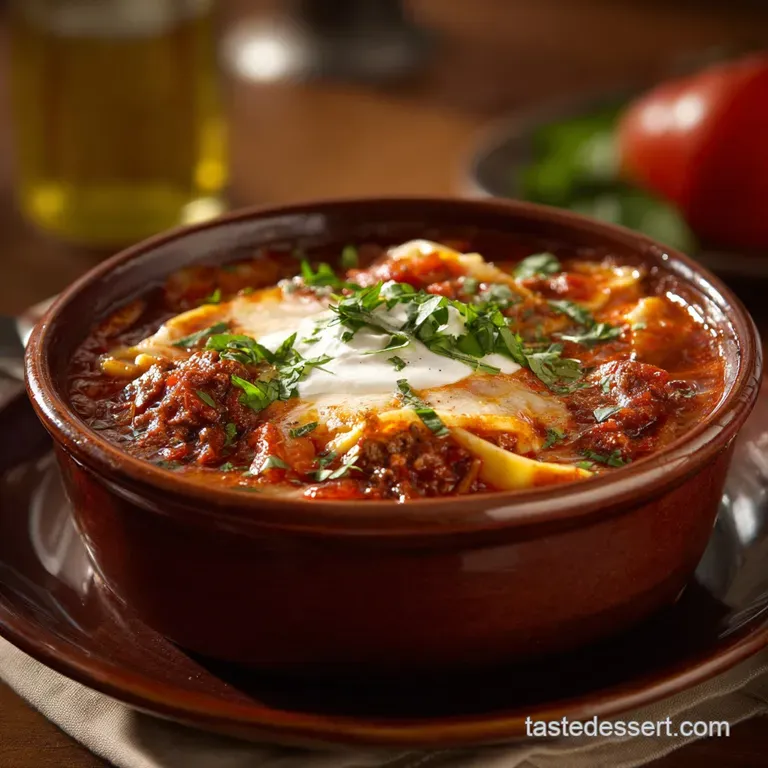
From Layered Luxury to One-Pot Mastery
The traditional labor of love that is lasagna the painstaking layering, the precise sauce consistency, the anxious wait for the edges to crisp is undeniably rewarding. But who has three hours to spare on a busy Tuesday night?
The answer is Lasagna Soup , a brilliant culinary shortcut that delivers every ounce of rich, comforting flavor we crave from the classic baked dish, condensed into a satisfying, surprisingly simple one-pot experience.
This recipe is not merely tomato broth with noodles; it is designed to mimic the deep, slow cooked character of authentic Italian ragù, ensuring that the essence of layered luxury is captured in every comforting spoonful.
Why This Ragu Style Lasagna Soup is a Weeknight Revelation
This specific approach transforms the typically laborious dish into the perfect Weeknight Lasagna Soup . By focusing intensity on the soup base, we maximize flavor development without requiring hours in the oven.
The total active prep time is manageable at just 20 minutes, leading to a hearty, deeply savory meal ready in only 70 minutes from start to finish. This is truly the ultimate lasagna soup recipe easy enough for any home cook to master.
Breaking Down the 'Ragu' Advantage
A true ragù foundation demands patience during the initial sautéing phase. Instead of simply browning the meat and tossing in the tomatoes, we employ the classic soffritto technique gently cooking finely diced yellow onion, carrot, and celery.
This vegetable triad, along with generous browning of the meat, creates a complex, aromatic base that infuses the entire broth. The resulting 35-minute low simmer allows the distinct lasagna soup ingredients to completely meld, yielding a richness that tastes like it has been cooking all day.
The Efficiency of the One-Pot Method
Our method leans heavily on efficiency. Aside from cooking the pasta separately (a crucial step we will detail later), the bulk of the process takes place in one heavy bottomed pot, ideally a Dutch oven. This design streamlines both the cooking and, mercifully, the cleanup.
The simple structure brown meat, sauté aromatics, add liquids, simmer means that the entire dish transitions seamlessly from stovetop construction to final assembly.
Flavor Alchemy: Balancing Acidity and Richness
The magic of great Italian cooking lies in balancing robust flavors. This soup achieves dynamic balance through two core components. First, we use three tablespoons of tomato paste, which is cooked into the aromatics before liquid is added, concentrating its inherent sweetness and depth.
Second, the finishing touch: a light, tangy, creamy swirl of whipped ricotta. This topping, made with whole milk ricotta and Parmesan, acts as the "cheese layer" of the traditional lasagna, cutting beautifully through the richness and acidity of the ragù base.
Gathering Your Culinary Cast: Essential Components for Deep Flavor
While the technique is important, the quality of the raw ingredients determines the final output. For a soup that aims for such depth, we must select foundational items carefully. This is where the commitment to fresh produce and robust meats truly pays off.
Having the full complement of lasagna soup ingredients prepped the vegetables finely diced, the stock measured, and the ricotta mixture ready to whisk will make the cooking timeline feel effortless.
The Pantry and Produce Checklist for Authentic Lasagna Soup
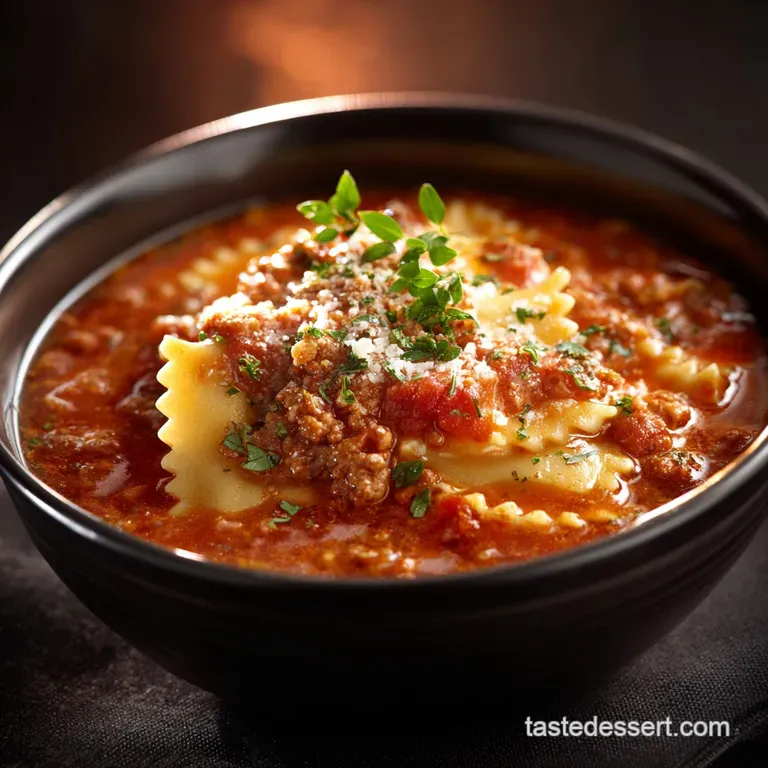
To begin, you will require the soffritto components: one large yellow onion, a medium carrot, and one celery stalk, all finely diced, plus four cloves of minced garlic.
For the base liquids, we use a large 28-ounce can of crushed tomatoes (San Marzano varieties are highly recommended for their sweetness) alongside six cups (1.4 litres) of low-sodium chicken or beef stock.
These liquids are flavored with a teaspoon each of dried oregano and basil, plus an optional half teaspoon of red pepper flakes for subtle warmth.
Selecting the Best Ground Meat and Italian Sausage
The foundational protein is 1 pound (450g) of lean ground beef, preferably 85/15. For those looking to increase the traditional Italian savoriness, transforming this into a Lasagna Soup Recipe With Sausage is highly recommended.
You can substitute half of the ground beef with quality spicy or sweet Italian sausage, which adds depth and complexity that lean ground meat alone cannot achieve.
The Essential Aromatics and Stock Ratio
The three soffritto vegetables must be cooked slowly in two tablespoons of olive oil until soft and translucent a process that takes about 8 to 10 minutes.
The ratio of stock to tomatoes (6 cups of stock to 28 ounces of tomatoes) is specific: it ensures the final result remains a soup, not an overly thick chili, allowing the pre-cooked pasta to be fully submerged without overwhelming the broth's consistency.
Making the Whipped Ricotta Topping Perfect
This simple component elevates the entire dish. To ensure a light texture, use whole milk ricotta and drain any excess liquid before combining it with a quarter cup of grated Parmesan, one tablespoon of chopped fresh parsley, and a critical quarter teaspoon of lemon zest.
Whisking until the mixture is truly smooth and fluffy makes a world of difference, adding an airy, cheesy finish to the dense ragù.
The Right Pot: Choosing Your One-Pot Vessel
The success of the one-pot method hinges on using the right equipment. A heavy bottomed pot or Dutch oven, with a minimum capacity of 5 to 6 quarts, is essential. The heavy base provides consistent, even heat, which is necessary for properly achieving the Maillard reaction when browning the meat and for sustaining a gentle, long simmer without scorching the tomato paste.
Related Recipes Worth Trying
- How to Make Silky Pork and Prawn Wonton Soup from Scratch — The ultimate homemade wonton soup Master the goldfishtail fold and achieve a deeply fragrant authentic wonton soup broth This comfort meal is a proper hug...
- The Ultimate Easy Lentil Soup Hearty Nourishing and Vegan Friendly — This is the lentil soup recipe easy enough for any weeknight Packed with plant protein its rich cumin and thyme base is brightened by lemon Proper easy...
- Creamy Butternut Squash Lasagna Rolls with Sage Brown Butter Sauce — Skip the tray bake These individual Butternut Squash Lasagna Rolls are packed with creamy ricotta and finished with nutty brown butter Spoton Autumn Dinner...
The Art of the Simmer: Building the Ultimate Soup Base
With all the lasagna soup ingredients prepped, the next step is transforming them into a concentrated flavor bomb. The 50-minute cooking time is predominantly dedicated to building and simmering the ragù base, allowing the essential oils and flavors from the herbs, spices, and vegetables to fully infuse the stock.
Cooking Timeline: From Sauté to Satisfying Dinner
The cooking process is divided into two distinct, active phases: building the foundation and finishing the components. The total cook time is efficient, moving swiftly from stovetop sautéing to a satisfying simmer.
Developing the Maillard Reaction: Browning the Meat
Start by heating the olive oil over medium high heat in your chosen pot. The most important step for depth of flavor is thoroughly browning the 1 pound of ground meat. It should develop a deep mahogany color not just turn grey before you drain off the excess fat, leaving only about one tablespoon behind.
This intense browning is the flavor foundation of the soup.
Creating the Foundation: Deglazing and Tomato Integration
Reduce the heat to medium and add the diced onion, carrot, and celery. Cook these aromatics until softened, using their moisture content to naturally deglaze the pot, scraping up all those flavorful brown bits left by the meat. Next, stir in the minced garlic and the three tablespoons of tomato paste.
Crucially, cook this paste for two minutes, stirring constantly, to activate its flavors before pouring in the crushed tomatoes and the six cups of hot stock. Bring to a simmer, then reduce heat and cover partially for the 35-minute flavor marriage.
The Critical Noodle Addition and Doneness Test
This is where our recipe diverges from many others and ensures a superior final product. We use eight sheets of standard lasagna noodles, broken into 1 inch pieces, but they are cooked separately until al dente (usually 8 to 10 minutes).
They must be drained immediately and tossed with a little olive oil to prevent sticking. Adding raw noodles directly to the simmering soup base will result in over thickening due to starch release and will turn leftovers to mush when reheated.
By adding the perfectly cooked noodles to the bowl just before serving, we guarantee an ideal texture every time.
Final Seasoning Checks Before Serving
The last ten minutes of the simmer are reserved for final seasoning. Since the stock is usually low-sodium, the soup will require aggressive salting and generous pepper additions. Taste the ragù base carefully; if your tomatoes are particularly acidic, a small pinch of sugar can help balance the flavor profile before the soup is deemed ready for ladling.
Mastering the Details: Expert Tips and Troubleshooting
For an outstanding result every time you make this lasagna soup recipe easy , remember these three non-negotiable details: Ensure the meat is deeply browned to create the foundational depth; always cook the tomato paste for two minutes to remove its metallic edge and concentrate its sweetness; and keep the broken lasagna sheets separate until plating.
Finally, don't skip the quarter teaspoon of lemon zest in the ricotta that tiny bright note provides a professional grade lift that cuts through the soup's richness.
Customizing Your Comfort Bowl: Flavor Variations and Dietary Swaps
This robust soup base is highly versatile and accommodates many substitutions and variations, making it adaptable for nearly any dietary need or flavor craving.
make-ahead Strategies and Freezing Pointers
The beauty of the ragù style base is its freezability. The soup base (excluding the noodles and ricotta) can be cooled completely and frozen in airtight containers for up to three months.
When serving a large crowd, you can also easily scale this to a Slow Cooker Ground Beef Lasagna Soup Recipe ; brown the meat on the stove first, then transfer everything to a lasagna soup crockpot and cook on low for 6– 8 hours.
Alternatively, the lasagna soup instant pot method requires pressure cooking the base for about 15 minutes, followed by a quick release.
Vegetarian and gluten-free Adaptations
To make this fully vegetarian, substitute the 1 pound of ground meat with a mix of 450g of finely chopped cremini and portobello mushrooms alongside green lentils. This combination provides a rich, meaty texture without sacrificing flavor.
For a gluten-free version, simply swap the standard lasagna sheets for gluten-free pasta varieties, such as rotini or penne, or omit the pasta entirely and serve the soup over creamy polenta.
Why Did My Lasagna Soup Get Too Thick? (The Noodle Problem)
If you find that your leftovers have turned into a dense stew overnight, the culprit is invariably the pasta. When raw noodles are cooked directly in the soup and then stored, they continue to absorb liquid and release starch as they cool, drastically altering the consistency.
Cooking the pasta separately and adding it to individual bowls upon serving is the foolproof method for maintaining a perfect, soupy consistency and ensuring that reheated leftovers remain delicious.
Nutritional Snapshot and Serving Suggestions
This hearty dish yields six generous servings, typically landing in the estimated range of 450 550 kilocalories per bowl. The high protein content (35 40g) and rich fiber content make it a deeply satisfying meal.
Serve the Lasagna Soup with thick slices of rustic sourdough garlic bread, ideally brushed with olive oil and a few fresh chili flakes, providing the perfect vehicle for mopping up the last drops of the rich broth.
A side of simple, peppery rocket (arugula) dressed lightly with red wine vinegar provides a necessary, refreshing counterpoint to the soup's inherent richness.

Recipe FAQs
Can I make this Lasagna Soup ahead of time, and how long will the leftovers keep?
Absolutely! The ragu base is brilliant for prepping a day or two in advance the flavours actually deepen beautifully overnight. Store the soup base and the cooked lasagna noodles in separate airtight containers in the fridge. Leftovers of the soup base alone will keep for 3 4 days.
If you mix the noodles in too early, you risk the soup turning into a thick, stodgy mess when reheating.
Why can’t I just throw the raw lasagna noodles straight into the simmering ragu base?
While some quick pasta soups allow this, we are aiming for a rich ragu here, not just a stew. Adding raw noodles to the entire pot allows the pasta starch to leech out, which can make the whole dish overly gluey and change the texture of the broth drastically.
Cooking them separately and adding them at the end ensures the perfect al dente bite and maintains the beautiful, brothy consistency of the ragu.
My whipped ricotta topping isn't light and fluffy; it’s a bit watery. What have I done wrong?
The culprit is usually excess moisture! Ensure you use whole milk ricotta and drain it well before mixing you can even press it lightly in a sieve lined with muslin cloth for 10 minutes.
The addition of Parmesan and whisking introduces air; if you skip the whisking, it won't achieve that crucial fluffy texture that cuts through the rich soup.
I need a lighter or vegetarian version. What’s the best way to substitute the ground beef in the Lasagna Soup recipe?
If you need to ditch the beef, don’t fret! Ground turkey or chicken works, but you will lose some richness. For a fantastic vegetarian substitution, replace the meat with 1 lb of chopped mushrooms (cremini/portobello) and 1/2 cup of brown or green lentils, which will provide a hearty, earthy texture that really hits the spot.
Help, my soup is too thin/thick! How can I adjust the consistency before serving?
Don’t panic, it’s an easy fix! If it's too thick, simply stir in an extra splash of hot chicken or beef stock (or water) until you reach your desired consistency. If it's too thin, whisk 1 tablespoon of cornflour with 2 tablespoons of cold water to create a slurry, then stir it into the simmering soup base and cook for 2 minutes to thicken it up nicely a proper kitchen hack.
Ragu Lasagna Soup With Ricotta Swirl
Ingredients:
Instructions:
Nutrition Facts:
| Calories | 1200 kcal |
|---|---|
| Protein | 18.6 g |
| Fat | 12.9 g |
| Carbs | 73.7 g |
| Fiber | 30.2 g |
| Sodium | 502 mg |
