Raspberry Thumbprint Cookies: Buttery and Tender
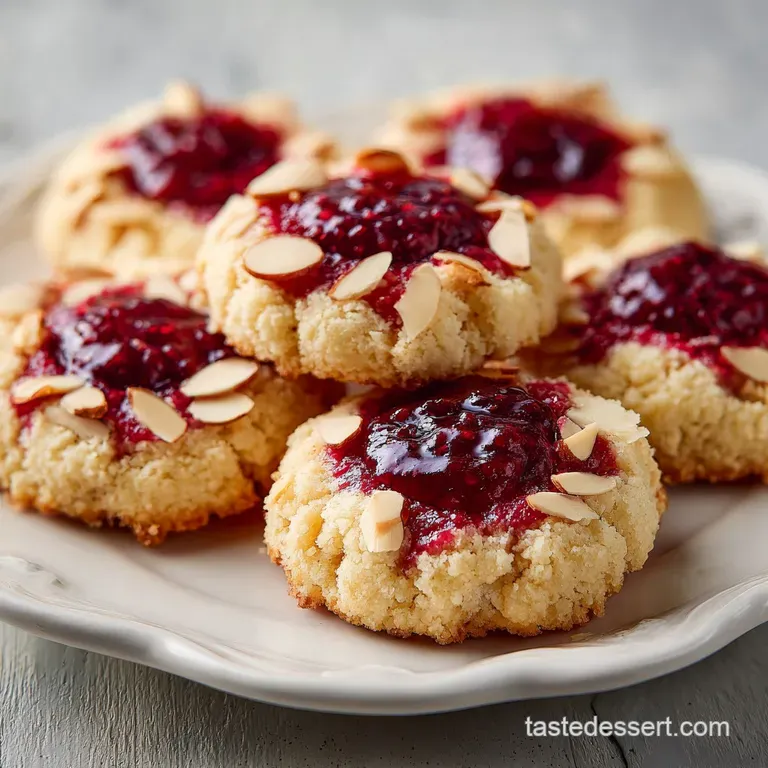
- Time: Active 15 minutes, Passive 12 minutes, Total 27 minutes
- Flavor/Texture Hook: Buttery, crumbly shortbread with a sticky jam center
- Perfect for: Holiday cookie platters and cozy afternoon tea
- Making The Best Raspberry Thumbprint Cookies Ever
- From Crumbly Mess to Buttery Holiday Perfection
- Why the Shortbread Stays Tender and Sharp
- Timing and Precision for the Perfect Batch
- Essential Components for Your Raspberry Jam Cookies
- Shopping List for Your Thumbprint Cookies
- The Tools Needed for a Flawless Finish
- Step by Step Guide to Shaping and Baking
- Solving Common Cookie Spreading and Cracking Issues
- Flavor Variations and Simple Ingredient Swaps
- Debunking Cookie Myths
- Keeping Your Cookies Fresh and Jammy Long-Term
- Best Drinks and Snacks to Serve Alongside
- Recipe FAQs
- 📝 Recipe Card
Making The Best Raspberry Thumbprint Cookies Ever
I still remember the first time I tried making these years ago. I thought I could just use a standard sugar cookie dough, press my thumb in, and call it a day. What I ended up with was a tray of "pancake cookies" where the jam had completely boiled over, leaving a sticky, charred mess on my favorite baking sheet.
The cookies had spread so far they were touching, and the beautiful little wells I’d carefully pressed in had vanished into a flat, sad landscape. It was a total disaster that taught me one very important lesson: the dough for Raspberry Thumbprint Cookies is its own specific beast.
You need a dough that is sturdy enough to hold its shape but delicate enough to shatter softly when you take a bite. It’s a fine line to walk. Most people struggle with their thumbprints cracking around the edges like a parched desert floor.
I used to think that was just part of the charm, but then I realized it’s actually a hydration and temperature issue. If your dough is too cold, it cracks; if it’s too warm, it spreads.
Getting that buttery shortbread to behave requires a little bit of finesse and a specific mixing technique that I’m going to walk you through today.
We are aiming for a cookie that feels substantial but light. The almond extract is the secret weapon here. It transforms a simple butter cookie into something that tastes like it came from a high end European bakery.
When you pull these out of the oven, the house smells like toasted nuts and warm fruit, and there is nothing quite like seeing that glossy red jam settled into a golden, buttery cradle. Let's get into the details so you can avoid the "pancake" heartbreak I went through.
From Crumbly Mess to Buttery Holiday Perfection
The real magic happens when you find the balance between the fat and the flour. If you’ve ever bitten into a thumbprint and felt like you were eating a mouthful of dry sand, the recipe probably had too much flour or wasn't creamed long enough. We want a velvety crumb that holds the jam without becoming soggy.
This recipe is designed to be the "targeted fix" for those frustratingly dry or overly flat cookies you might have encountered in the past. It’s about creating a structure that survives the heat of the oven while staying tender.
What sets this version apart is the double check on the indents. I’ve found that even the best dough rises a little bit in the center as it bakes. If you don't keep an eye on them, you lose that "well" for the jam.
By using a specific timing for the press, we ensure every single cookie has a perfect, deep pocket for that raspberry goodness. It’s these tiny technical adjustments that turn a basic bake into something truly special that people will ask for year after year.
This is the kind of recipe you'll want to keep in your back pocket for the holidays. If you're looking for more holiday classics, my Hershey Kiss Thumbprint Cookies are another pantry staple that uses a similar technique but with a chocolate twist. Whether you're making these for a cookie swap or just because it's Tuesday and you deserve a treat, the process is incredibly therapeutic once you get the rhythm of the rolling and pressing down.
Why the Shortbread Stays Tender and Sharp
- Gluten Control: Using the lowest speed to incorporate the flour prevents the development of tough gluten strands, ensuring the cookie remains crumbly rather than bready.
- Fat Saturation: Creaming the butter for exactly 2 minutes coats the sugar crystals, creating tiny air pockets that expand in the oven for a light texture.
- Moisture Anchor: The almond extract doesn't just add flavor; the alcohol base evaporates quickly in the heat, helping the edges set before the middle spreads.
- Sugar Stability: Using granulated sugar instead of all powdered sugar in the dough provides a structural skeleton that prevents the cookies from collapsing under the weight of the jam.
Timing and Precision for the Perfect Batch
Before we dive into the mixing bowl, it is helpful to see exactly what we are aiming for in terms of size and heat. This table helps you decide how to handle your specific oven setup and batch size.
| Servings | Ingredient Adjustments | Pan Size | Cook Time |
|---|---|---|---|
| 12 Cookies | Halve all ingredients; use 0.5 tsp almond extract | 9x13 inch | 10 minutes |
| 24 Cookies | Use official schema quantities | 12x18 inch | 12 minutes |
| 48 Cookies | Double ingredients; 2 tsp almond extract | Two large sheets | 14 minutes (rotated) |
When you are working with a delicate shortbread, the temperature of your kitchen can actually change how the dough handles. If you're baking on a very hot day, you might find the dough getting a bit greasy as you roll it.
In that case, popping the tray of rolled balls into the fridge for 5 minutes before you press the thumbprints can be a total lifesaver. It keeps the butter solid enough to resist the "thumb crack" and ensures the jam stays put once it hits the heat.
For those days when only chocolate will do, these fudgy chocolate cookies are a lifesaver and follow a similar "watch the timer" philosophy to ensure they don't overbake. The key with any cookie is knowing your visual cues, which we will cover in the troubleshooting section later on.
Essential Components for Your Raspberry Jam Cookies
The beauty of this recipe lies in its simplicity, but because there are so few ingredients, the quality of each one really shines through. Don't skimp on the butter here; it’s the primary flavor profile of the entire cookie.
| Component | Science Role | Pro Secret |
|---|---|---|
| Unsalted Butter | Provides tender crumb and flavor | Use "European style" butter for higher fat content and less water |
| All Purpose Flour | Builds the cookie's physical structure | Spoon and level your flour to avoid a dry, sandy dough |
| Raspberry Jam | Adds acidity and sweetness | Use seedless jam for a smoother, more professional look |
| Almond Extract | Aromatics and flavor depth | A little goes a long way; it mimics the flavor of expensive marzipan |
Shopping List for Your Thumbprint Cookies
- 225g unsalted butter, softened: Why this? Essential for that classic, melt in-your mouth shortbread texture and rich flavor. (Substitute: Salted butter, but omit the extra salt)
- 135g granulated sugar: Why this? Provides the structural sweetness and helps the edges crisp up slightly. (Substitute: Caster sugar for a finer texture)
- 1 tsp + 0.25 tsp almond extract: Why this? The signature flavor that elevates these from plain butter cookies. (Substitute: Vanilla extract for a more mellow, traditional flavor)
- 280g all purpose flour: Why this? The backbone of the dough; provides just enough protein for shape. (Substitute: 1:1 gluten-free baking flour)
- 0.5 tsp fine sea salt: Why this? Balances the sugar and intensifies the buttery notes. (Substitute: Table salt, but use slightly less)
- 120ml seedless raspberry jam: Why this? The tartness cuts through the rich butter for a balanced bite. (Substitute: Apricot or strawberry preserves)
- 120g powdered sugar: Why this? Creates a smooth, velvety glaze that sets firm. (Substitute: None recommended for the glaze)
- 1.5 tbsp milk: Why this? Thins the glaze to the perfect drizzling consistency. (Substitute: Heavy cream for a richer drizzle)
The Tools Needed for a Flawless Finish
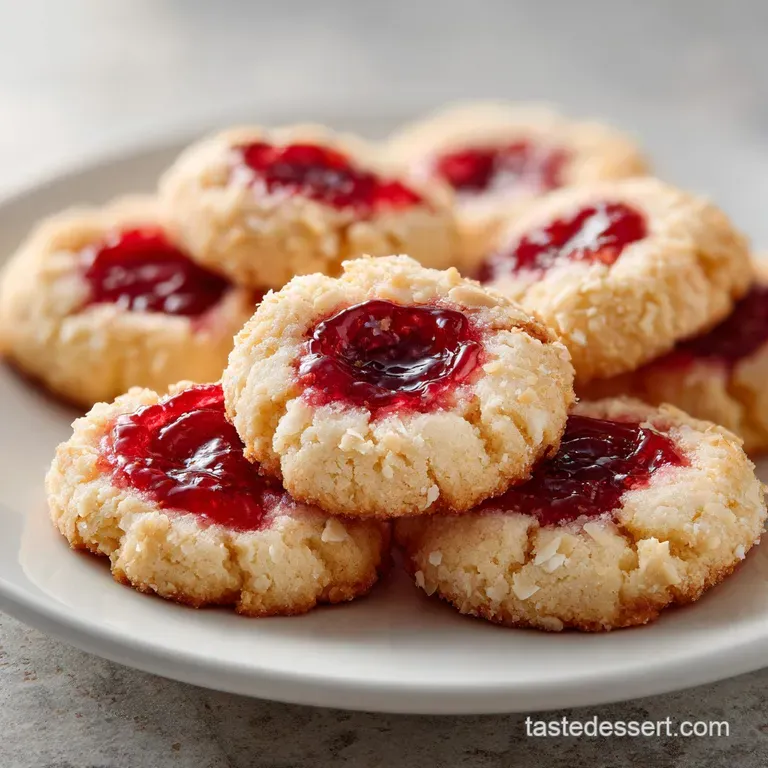
You don't need a pantry full of specialized gadgets to make incredible Raspberry Thumbprint Cookies, but a few specific items make the process much smoother. I highly recommend using a stand mixer or a hand mixer for the creaming step.
Trying to cream butter and sugar by hand for 2 full minutes is a workout you probably don't want, and you likely won't get enough air incorporated to keep the cookies light.
A small cookie scoop (the 1 tablespoon size) is also a massive help. It ensures every single dough ball is the same size, which means they will all finish baking at exactly the same time.
If you have some cookies that are 1 inch and others that are 1.5 inches, you'll end up with a tray of half burnt and half raw cookies. Finally, parchment paper is non negotiable for me. It prevents the bottoms from browning too quickly and makes cleanup a breeze, especially if a little jam happens to escape.
step-by-step Guide to Shaping and Baking
- Cream 225g softened butter and 135g granulated sugar on medium high speed until the mixture looks pale and fluffy. Note: This takes about 2 full minutes to properly aerate the fat.
- Stir in 1 teaspoon of almond extract until fully combined and fragrant.
- Add 280g all purpose flour and 0.5 tsp sea salt to the bowl. Mix on the lowest speed until the white streaks of flour just disappear. Note: Overmixing here will make the cookies tough.
- Roll the dough into 1 inch balls using your palms until they are smooth and round.
- Place balls on parchment lined sheets and use a small measuring spoon or thumb to press a deep indent into each center.
- Fill each well with approximately 1 teaspoon of raspberry jam until it sits level with the top of the hole.
- Bake at 350°F (175°C) for 10-12 minutes until the edges are just set and barely golden.
- Remove from oven; if centers have puffed, gently re press the indents while the cookies are still hot and soft.
- Allow the cookies to cool completely on the pan until they are firm enough to move.
- Whisk 120g powdered sugar, 1.5 tbsp milk, and 0.25 tsp almond extract; drizzle until the cookies are beautifully striped.
Solving Common Cookie Spreading and Cracking Issues
One of the most frequent frustrations with this recipe is the dough cracking when you go to press the thumbprint. This usually happens if the dough has sat out too long and the surface has dried, or if the dough is too cold from the fridge. If you see a crack forming, don't panic.
You can usually just use your finger to gently smooth the dough back together. The heat of the oven will help seal those small fissures as the butter melts and the starches expand.
Another common issue is "jam migration." This is when the jam decides to go on a journey over the side of the cookie. This usually happens if the well wasn't deep enough or if you used a jam with too much water content. A high-quality, thick preserve or a seedless jam works best because it stays viscous even when hot.
If your jam is very runny, try simmering it in a small saucepan for 5 minutes to reduce the water content before filling the cookies.
Why Your Cookies Spread Too Much
The main culprit for spreading is usually the butter temperature. If your butter was "greasy" rather than just "softened" when you started, the structure is already compromised. Butter should be around 65°F (18°C) soft enough to leave an indent with your finger, but still cool to the touch.
| Problem | Root Cause | Solution |
|---|---|---|
| Cookies are flat | Butter was too melted | Chill dough balls for 15 minutes before baking |
| Edges are very cracked | Dough is too dry or cold | Add 1 tsp of milk to the dough or warm it in your hands |
| Jam is chewy/hard | Overbaked | Reduce bake time by 2 minutes; fill jam after 5 mins of baking |
Common Mistakes Checklist
- ✓ Ensure your butter is softened but not shiny or oily (prevents over spreading).
- ✓ Measure your flour by weight or the "spoon and level" method (prevents dry cookies).
- ✓ Don't skip the second press if the centers puff up (creates space for the glaze).
- ✓ Let the cookies cool completely before drizzling the glaze (prevents the glaze from melting).
- ✓ Use a seedless jam for the best texture and appearance.
Flavor Variations and Simple Ingredient Swaps
If you want to move away from the classic raspberry and almond profile, there are several ways to tweak this recipe to suit your mood. You can easily swap the raspberry jam for apricot, blackberry, or even a tart lemon curd.
If you use lemon curd, I recommend adding it after the cookies are baked to preserve its bright, creamy texture. You can also roll the dough balls in granulated sugar or crushed nuts before pressing the indents to add an extra layer of crunch.
The Citrus Brightener
To give these a zesty kick, add the zest of one lemon to the butter and sugar while creaming. Swap the almond extract for vanilla, and use a bright strawberry or blueberry jam. This variation is particularly refreshing in the spring and summer months.
The citrus oils in the zest bind beautifully with the butter, creating a fragrant dough that pairs perfectly with a cup of Earl Grey tea.
Scaling the Recipe for Large Batches
If you need to make 48 or even 72 cookies for a large event, this recipe scales quite well. When doubling or tripling, I recommend keeping the salt and spices to about 1.5x the original amount rather than a straight 2x or 3x, as they can become overwhelming in larger volumes.
- Scaling Down: For a small batch of 12, simply halve everything. You can use a small hand mixer instead of a stand mixer.
- Scaling Up: Work in batches for the baking phase. Don't crowd too many sheets into the oven at once, as this can drop the oven temperature and lead to uneven baking.
- Baking Two Sheets: If baking two sheets at once, rotate them top to bottom and front to back halfway through the 12 minute cook time.
Debunking Cookie Myths
One of the biggest misconceptions is that you must chill shortbread dough for hours. While chilling helps with flavor development, it’s not strictly necessary for shape if your butter was at the correct temperature to start with.
In fact, if the dough is too cold, it becomes brittle and makes the thumbprint process much harder. Another myth is that the jam will "set" the cookie. Actually, it's the flour and butter structure that does the work; the jam is just the passenger!
Finally, many people think you can't over cream butter and sugar. You actually can! If you beat them for 5-10 minutes, you'll incorporate too much air, which will cause the cookies to rise and then collapse in the oven, leading to a wrinkled surface.
Stick to the 2 minute rule for the perfect balance of aeration and stability.
Keeping Your Cookies Fresh and Jammy Long Term
Storage is key for thumbprints because of the moisture in the jam. If you store them in a completely airtight container while they are still even slightly warm, the moisture from the jam will soften the crisp shortbread, turning it into a soft, cakey mess.
Always wait until the cookies and the glaze are 100% set and cool.
- Fridge: Store in a single layer (or separated by parchment) for up to 5 days. The cold helps keep the jam firm.
- Freezer: These freeze beautifully! You can freeze the baked cookies for up to 2 months. Just be aware the glaze might lose its shine once thawed.
- Zero Waste Tip: If you have leftover dough scraps, roll them into small logs, bake them off as "shortbread fingers," and dip them in leftover glaze or melted chocolate for a quick snack. Leftover jam can be whisked into a simple vinaigrette for a fruity salad dressing.
Best Drinks and Snacks to Serve Alongside
These cookies are the ultimate companion for hot beverages. The buttery, almond scented dough is a match made in heaven for a strong, bitter coffee or a delicate floral tea. Because they are quite sweet, they also pair well with something slightly acidic, like a glass of cold milk or even a sparkling dry cider if you're feeling adventurous.
If you're putting together a dessert board, I like to serve these alongside some darker, less sweet options to provide contrast. Think dark chocolate shards, toasted walnuts, or even a few slices of sharp cheddar cheese.
The combination of the sweet raspberry jam and the salty, savory cheese is a sophisticated twist that always surprises guests in the best way possible. Enjoy the process of making these they are as much fun to create as they are to eat!

Recipe FAQs
Is it better to put jam in thumbprint cookies before or after baking?
Add the jam before baking. Filling the indent with 1 teaspoon of jam before placing the trays in the oven ensures the preserves set perfectly as the cookie dough bakes around them.
What kind of jam is best for thumbprints?
Seedless raspberry jam is the superior choice. It provides the smoothest texture and professional appearance, as seeds can create an uneven consistency in the center of the cookie.
How to keep the centers from puffing up while baking?
Press the centers again immediately after removing from the oven. If the dough rises during the 10 12 minute bake time, use a small measuring spoon to gently re-press the well while the cookies are still warm and pliable.
How to avoid tough or dry cookies?
Mix on the lowest speed only until the flour streaks disappear. Overmixing develops excess gluten, which ruins the delicate crumb; if you enjoyed the precision required to maintain this texture, see how we apply similar fat-to-flour ratio logic in our other cookie recipes.
Is it true I must add eggs to this dough to keep it from crumbling?
No, this is a common misconception. This specific recipe is formulated as a shortbread style butter cookie that relies on the 225g of softened butter for structure, so no eggs are required.
How to tell if the cookies are done?
Look for edges that are just set and barely golden. Bake them at 350°F (175°C) for 10 12 minutes; if the edges appear darker than light gold, they have likely over baked and will lose their melt-in-your mouth quality.
How to store these cookies for maximum freshness?
Store in an airtight container at room temperature. Ensure the glaze has fully hardened before stacking them, and keep them away from direct heat to prevent the jam filling from becoming too sticky.
Raspberry Almond Thumbprint Cookies
Ingredients:
Instructions:
Nutrition Facts:
| Calories | 168 kcal |
|---|---|
| Protein | 1.3 g |
| Fat | 7.7 g |
| Carbs | 23.6 g |
| Fiber | 0.5 g |
| Sugar | 14.7 g |
| Sodium | 48 mg |
