Roasted Butternut Squash Recipe with Brown Sugar
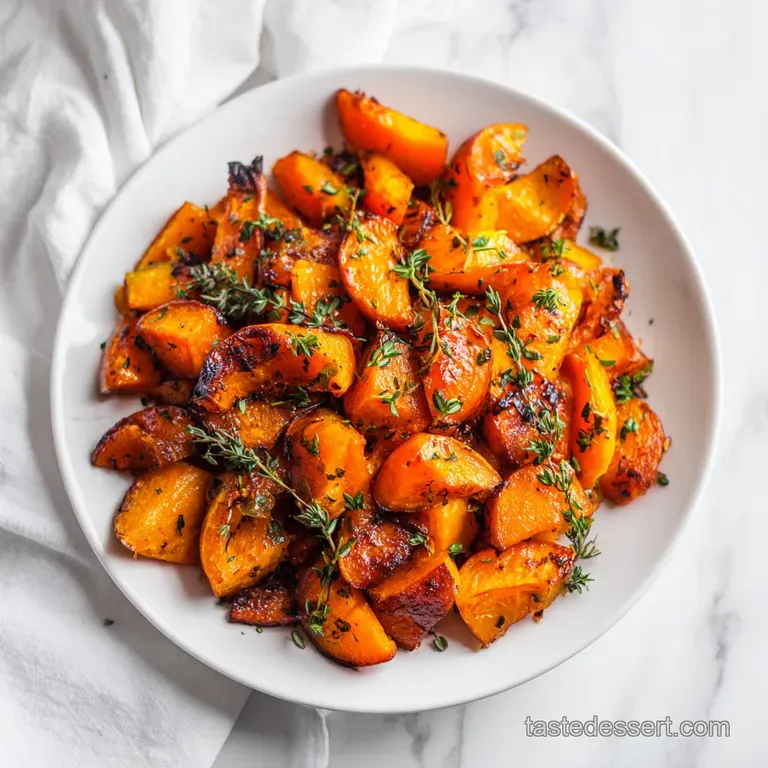
- Time: Active 10 minutes, Passive 30 minutes, Total 40 minutes
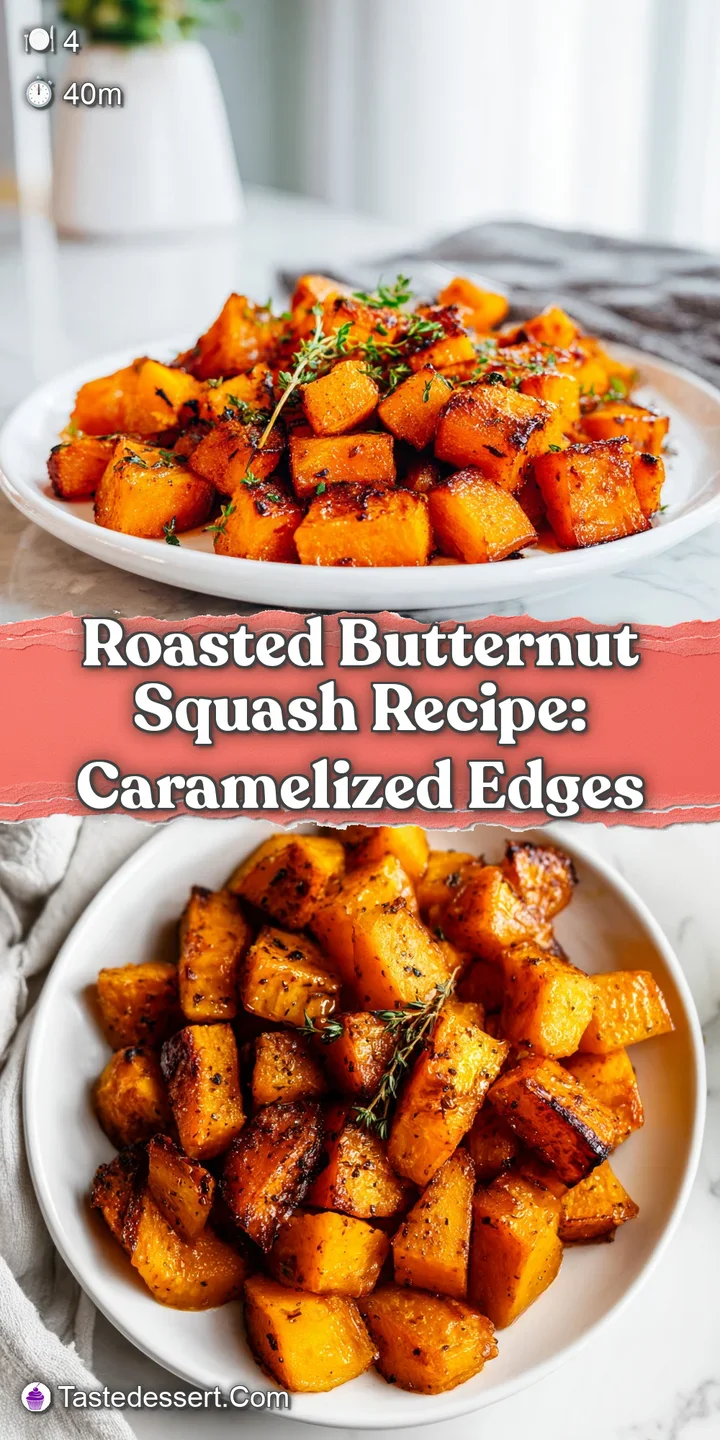
- Flavor/Texture Hook: Caramelized edges with a velvety, melt in-your mouth center
- Perfect for: Thanksgiving dinner, meal prep, or a cozy weeknight side
- Master the Ultimate Roasted Butternut Squash Recipe
- The Physics of the Crisp
- Recipe Success Indicators
- Elements for Balanced Flavor Depth
- Tools for Even Heat Distribution
- Process for the Crispiest Roast
- Resolving Texture and Cooking Flaws
- Flavor Variations and Smart Swaps
- Storage and Zero Waste Ideas
- Ideal Pairings for This Roast
- Recipe FAQs
- 📝 Recipe Card
Master the Ultimate Roasted Butternut Squash Recipe
The first time I tried roasting a butternut squash, I ended up with a pile of beige mush. I’d crowded the pan and used way too much oil, thinking more was better. But when I finally pulled a tray out of the oven where every single cube had a distinct, deep mahogany crust that shattered slightly before giving way to a velvety interior, I knew I’d cracked the code.
That smell the aroma of toasted wood and bubbling sugar is what defines autumn for me. It’s the kind of scent that makes you want to stand over the baking sheet and eat the squash with your fingers before it even hits the serving bowl.
Trust me, we've all been there, and with this approach, you'll be doing exactly that.
We are going to focus on how to get that contrast between the crispy exterior and the buttery middle. It isn't just about throwing it in the oven; it's about the surface area and the way the heat interacts with the natural starches.
If you've been looking for a way to make your vegetables the star of the show, this is the one.
The Physics of the Crisp
Maillard Reaction: High heat triggers a chemical reaction between amino acids and reducing sugars, creating that signature brown crust. Moisture Evaporation: Using a flat, wide sheet pan allows steam to escape quickly, preventing the squash from boiling in its own juices.
Chef's Tip: Freeze your peeled and cubed squash for just 10 minutes before roasting. This shocks the exterior, helping it crisp up faster while keeping the inside from overcooking into mush.
The Secret to the Crunch
To get that true "shatter" on the edges, I always suggest using a dark colored baking sheet. Dark metal absorbs more radiant heat than shiny aluminum, which helps the bottom of the squash caramelize faster. It's a small change that makes a massive difference in the final texture.
| Cooking Method | Time | Texture | Best For |
|---|---|---|---|
| Oven Roasting | 30 minutes | Crisp exterior, soft middle | Maximum flavor depth |
| Stovetop Sauté | 15 minutes | Soft and browned | Quick weeknight meals |
| Air Fryer | 20 minutes | Extra crunchy edges | Smaller batches |
If you are looking for more ways to use this versatile vegetable, you might want to try a Butternut Squash Lasagna recipe which uses similar flavor profiles in a more decadent format. It’s a great way to use up any extra squash you might have lying around after a big roast.
Recipe Success Indicators
We need to be precise to get these results. If you follow these three checkpoints, you won't fail. First, ensure your oven is truly preheated to 400°F (200°C) before the pan goes in.
Second, your squash cubes should be exactly 1 inch to ensure they cook through at the same time the outside browns. Third, the internal temperature of a finished cube should feel like sliding a needle through warm butter.
Component Analysis
| Ingredient | Science Role | Pro Secret |
|---|---|---|
| Butternut Squash | Starch source | Use the "neck" for uniform cubes |
| Dark Brown Sugar | Caramelization agent | Molasses content adds smoky depth |
| Smoked Paprika | Flavor balancer | Provides a "charred" taste without burning |
The dark brown sugar is doing more than just adding sweetness here. The molasses in the sugar has a higher mineral content than white sugar, which helps it withstand the high heat of the oven without turning bitter. It creates a sticky, savory glaze that clings to the squash perfectly.
Elements for Balanced Flavor Depth
For this roasted butternut squash recipe, we are keeping things simple but high-quality. Use a fresh squash that feels heavy for its size that's how you know it's full of moisture and hasn't started to dry out in the cellar.
- 1 large butternut squash (approx. 2.5 lbs): Look for a long neck for the most even cubes. Why this? More usable flesh and fewer seeds than other squash.
- Substitute: Honeynut squash (sweeter but smaller).
- 2 tbsp extra virgin olive oil: Use one with a high smoke point. Why this? Fats conduct heat to the vegetable surface.
- Substitute: Avocado oil for a more neutral taste.
- 1 tsp kosher salt: Use Diamond Crystal if possible. Why this? Larger grains make it harder to over salt.
- Substitute: Sea salt (use slightly less).
- 0.5 tsp freshly cracked black pepper: Grind it fresh for the most oils. Why this? Pre ground pepper tastes like dust.
- Substitute: White pepper for a milder heat.
- 1 tbsp dark brown sugar: This provides the "sticky" factor. Why this? Molasses adds a complex, earthy sweetness.
- Substitute: Maple syrup (will be thinner).
- 1 tsp fresh thyme leaves: Strip them right off the stem. Why this? Fresh herbs have volatile oils that pop in heat.
- Substitute: 0.5 tsp dried thyme.
- 0.25 tsp smoked paprika: Just a hint for depth. Why this? Mimics the flavor of an open fire roast.
- Substitute: Regular paprika or a pinch of cumin.
Tools for Even Heat Distribution
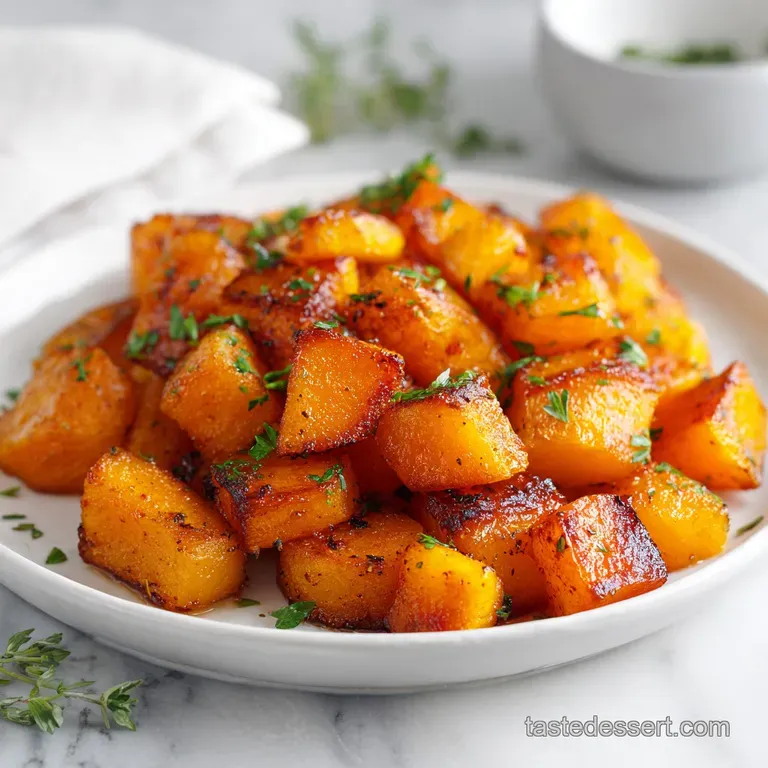
You don't need a lot of gear, but the right tray is everything. Avoid glass baking dishes at all costs here they trap moisture and will give you a soggy, steamed result rather than a roast.
- Large Sheet Pan: A half sheet pan (13x18 inches) is the gold standard.
- Sharp Chef's Knife: Essential for safely getting through the tough skin of the squash.
- Y Peeler: These are much more efficient for thick skinned vegetables than the traditional swivel peelers.
- Large Mixing Bowl: Gives you enough room to toss the squash thoroughly without spilling oil everywhere.
- Parchment Paper: Optional, but helps with the sticky sugar cleanup.
Process for the Crispiest Roast
- Preheat the oven to 400°F (200°C). Note: A hot oven is non negotiable for browning.
- Peel the butternut squash using a Y peeler until the bright orange flesh is visible.
- Trim the ends off and slice the squash in half where the neck meets the bulb.
- Scoop out the seeds and pulp using a sturdy metal spoon.
- Cube the flesh into 1 inch pieces. Consistency is key for even cooking.
- Toss the cubes in a large bowl with the 2 tbsp olive oil, salt, pepper, brown sugar, thyme, and smoked paprika.
- Spread the squash onto the sheet pan in a single layer. Ensure no pieces are touching.
- Roast for 15 minutes, then remove the pan and flip the pieces with a spatula.
- Bake for another 15 minutes until the edges are charred and the centers are tender.
- Rest the squash on the pan for 3 minutes before serving to let the sugars set.
Resolving Texture and Cooking Flaws
Sometimes things don't go as planned. If your squash isn't browning, it's usually a temperature or spacing issue. If it's burning, your sugar might be concentrated in one spot.
Solving Soggy Squash
If your squash comes out soft and pale, you likely overcrowded the pan. When the cubes are too close together, they release steam that gets trapped between them. This effectively steams the squash instead of roasting it. To fix this, always use two pans if you're doubling the recipe.
Preventing Burnt Edges
If the sugar is burning before the squash is soft, your oven might have "hot spots." Try moving the rack to the middle position and rotating the pan halfway through. Also, ensure the squash is thoroughly coated in oil; the oil acts as a heat buffer for the sugar.
| Problem | Root Cause | Solution |
|---|---|---|
| Bitter taste | Burnt sugar or paprika | Reduce oven to 375°F (190°C) next time |
| Uneven cooking | Varied cube sizes | Cut cubes precisely to 1 inch |
| Squash sticks | Not enough oil or no parchment | Use 0.5 tbsp more oil or parchment paper |
Right then, let's look at the mistakes most people make. I've made all of these, so don't feel bad if you have too.
- ✓ Always pat the squash dry with a paper towel after peeling if it feels "sweaty" or wet.
- ✓ Never use "light" brown sugar if the recipe calls for dark; you'll miss that deep molasses hit.
- ✓ Ensure the oven is fully preheated for at least 15 minutes before the tray goes in.
- ✓ Don't skip the "flip" at the 15 minute mark; it's the only way to get color on both sides.
- ✓ Check the squash at 25 minutes; every oven runs a little differently.
Flavor Variations and Smart Swaps
While I love the savory sweet balance of this roasted butternut squash recipe, you can easily pivot based on what's in your pantry. If you want something more "holiday," lean into the warm spices.
Savory Herb Adaptations
If you want to move away from the brown sugar, try a "garlic herb" version. Swap the sugar and paprika for 3 cloves of minced garlic and a teaspoon of chopped rosemary. This version is incredible when topped with a little grated Parmesan cheese right as it comes out of the oven.
Sweet Thanksgiving Style
For a classic holiday vibe, add a pinch of cinnamon and nutmeg to the mix. You can also toss in half a cup of pecan halves during the last 10 minutes of roasting. The pecans will toast in the squash oils and brown sugar, creating a built in garnish that everyone fights over.
Air Fryer Method
If you're short on time, the air fryer is a literal lifesaver. Set it to 380°F (190°C) and cook for about 18-22 minutes. You'll need to shake the basket every 5 minutes to ensure the sugar doesn't burn on the bottom pieces.
It results in a slightly drier but very crispy cube.
| Original Ingredient | Substitute | Why It Works |
|---|---|---|
| Dark Brown Sugar | Maple Syrup | Liquid sugar that coats evenly but burns faster |
| Olive Oil | Ghee (clarified butter) | Adds a rich, nutty flavor with a high smoke point |
| Fresh Thyme | Sage leaves | Sage crisps up in the oil and tastes like autumn |
This dish is very similar to How to Make recipe in terms of how the sugars interact with the salt. If you like this roast, you'll definitely enjoy the earthy tones of a good pumpkin salad as well.
Storage and Zero Waste Ideas
If you have leftovers (a rare occurrence!), they keep beautifully. Store them in a glass airtight container in the fridge for up to 4 days. To reheat, don't use the microwave unless you want mush.
Put them back on a baking sheet at 350°F (180°C) for about 10 minutes to bring back some of that exterior texture.
Don't throw away the seeds! You can roast them just like pumpkin seeds. Clean off the pulp, toss them with a tiny bit of oil and salt, and bake at 300°F (150°C) for about 15 minutes.
They are high in protein and make a great crunchy snack while you're waiting for dinner to finish.
For long term storage, you can freeze roasted squash for up to 3 months. However, the texture will change; it won't be crispy when thawed. It’s better to use frozen roasted squash for soups or purees. Just blend the thawed cubes with some vegetable stock for an instant, creamy soup.
Ideal Pairings for This Roast
This squash is a chameleon. It works as well next to a Tuesday night rotisserie chicken as it does on a formal Thanksgiving spread. Because of the smoked paprika and dark sugar, it loves to be paired with salty or tangy elements.
Try serving it alongside a sharp arugula salad with a lemon vinaigrette. The bitterness of the greens cuts through the richness of the caramelized squash perfectly. It’s also the ultimate companion for pork chops or roasted turkey.
Honestly, I’ve even been known to toss the cold leftovers into a grain bowl with some feta and quinoa the next day for lunch.
If you find yourself with a surplus of squash and want to try something different, consider making a Paula Deens Corn Casserole recipe. While it's a different vegetable, it shares that same comforting, creamy yet-structured vibe that makes side dishes the best part of the meal. Trust me, your guests will thank you.
Recipe FAQs
How best to roast butternut squash?
Spread cubes in a single layer without touching. High, dry heat (400°F) is essential for caramelization, not steaming. Ensure your oven is fully preheated before the pan goes in for optimal Maillard reaction.
What seasonings are good on butternut squash?
Use a balance of sweet, salt, and smoke. Dark brown sugar, kosher salt, smoked paprika, and fresh thyme create the best caramelized crust. If you love the savory sweet contrast here, you might enjoy how we balance similar flavors in our Sweet and Sour recipe.
How long to put butternut squash in the oven at 400 degrees?
Roast for 30 to 35 minutes total, flipping halfway. Cook for 15 minutes, flip the pieces with a spatula, then continue roasting for another 15 20 minutes until the edges are deeply browned and the interior is soft.
Do you need to peel butternut squash before you roast it?
Yes, always peel the skin off before roasting. The skin is tough and will not soften sufficiently during the roasting time, resulting in an unpleasant chewiness against the tender flesh.
Why is my roasted squash coming out soggy instead of crispy?
You likely overcrowded the sheet pan, causing steaming. The cubes release moisture, and if they are touching, that moisture gets trapped, effectively boiling the squash instead of crisping it. Use a wide sheet pan so every cube has contact with the hot metal.
Can I use a darker baking sheet for better results?
Yes, dark metal pans are superior for roasting vegetables. Dark surfaces absorb more radiant heat than shiny aluminum, which accelerates the browning and crisping of the sugars on the squash bottom. If you master this surface science here, you'll see better crust development on recipes like our Crispy Baked Baby recipe.
What is the best way to season a savory, non-sweet butternut squash?
Swap sugar for garlic, rosemary, and Parmesan. Omit the brown sugar and paprika, then toss the squash cubes with 2 tablespoons of olive oil, minced garlic, chopped fresh rosemary, salt, and pepper. Top with grated Parmesan cheese immediately after removing from the oven.
Roasted Butternut Squash Recipe
Ingredients:
Instructions:
Nutrition Facts:
| Calories | 158 kcal |
|---|---|
| Protein | 2.2 g |
| Fat | 7.0 g |
| Carbs | 24.4 g |
| Fiber | 4.0 g |
| Sugar | 6.6 g |
| Sodium | 485 mg |
