Chicken Marinade: the Chefs Secret Weapon
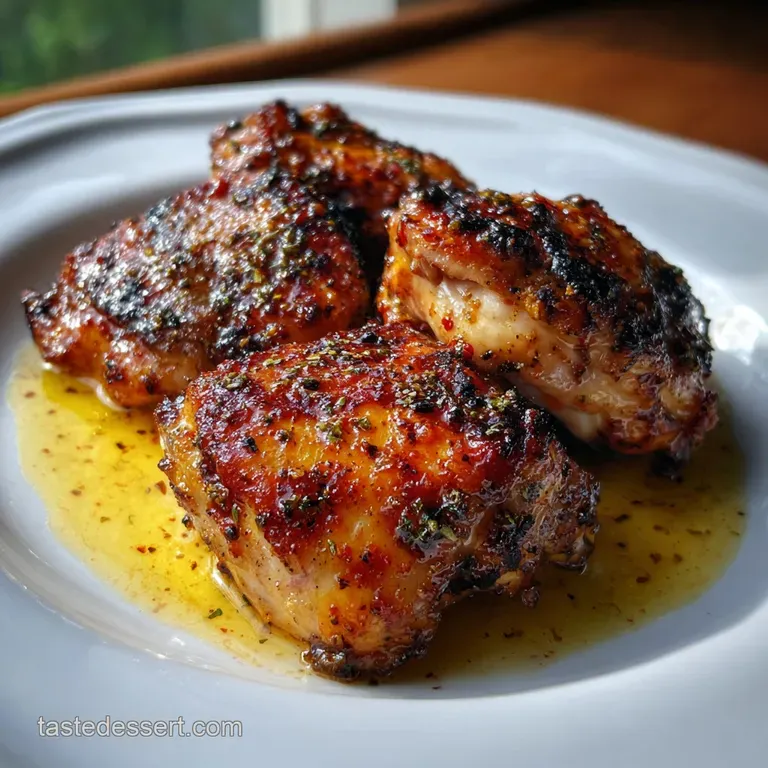
- The Chef’s Secret Weapon: Ultimate All-Rounder Smoked Paprika Marinade
- Essential Components for Your Signature Marinade Base
- Unlocking Maximum Flavor: The Science Behind a Cracking Marinade
- Step-by-Step: Crafting the Marinade and Preparing the Cut
- Mastering the Technique: Chef's Tips and Troubleshooting Marinade Fails
- Prep Ahead Power: Storage and Freezing Protocols
- Versatility on the Plate: Serving Suggestions for Marinated Dishes
- Recipe FAQs
- 📝 Recipe Card
The Chef’s Secret Weapon: Ultimate All-Rounder Smoked Paprika Marinade
The moment you whisk this mixture together, the aroma hits you: sharp lemon, pungent garlic, and that deep, earthy hug of smoked paprika. It’s a sensory sneak peek into the incredible flavor explosion that’s about to happen. Forget dry, bland cuts forever.
This incredibly easy Chicken Marinade recipe is a total weeknight lifesaver. You can prep a massive batch in under ten minutes and stash it away, ready to turn boring meals into something truly spectacular without emptying your wallet. It’s fast, flexible, and honestly, foolproof.
If you’ve ever wondered how restaurant dishes manage to be so uniformly moist and flavorful right to the core, the secret often lies in a perfectly balanced Chicken Marinade . This recipe is my tried and true foundation, and trust me, we are about to elevate your entire cooking game.
Let's crack on.
Why Every Home Cook Needs a Go-To Marinade
A spectacular Chicken Marinade doesn't just add surface flavor; it fundamentally changes the way your cut behaves during cooking. It acts as both a flavor delivery system and a crucial tenderizer.
Getting your Chicken Marinade right is the difference between a sad, tough piece of meat and one that is effortlessly juicy. We are aiming for flavor deep down, not just on the crust.
The Magic of Balancing Acid, Fat, and Sweetness
Every successful Chicken Marinade works by a strict flavor equation. You need acid (lemon/vinegar) to slightly unravel the muscle fibers, fat (oil) to carry the fat-soluble spices and seal in moisture, and sweetness (honey) for that gorgeous, non-bitter caramelization.
Without the right balance, you end up with either mushy, over tenderized meat or flavors that just sit on the surface. Mastering this ultimate Chicken Marinade recipe means mastering that balance.
Beyond the Breast: Perfecting Thighs and Spatchcocked Cuts
While most people use a Chicken Marinade primarily for lean breasts, this robust recipe shines brilliantly on fattier, tougher cuts like thighs or drumsticks.
Because thighs naturally have more fat and connective tissue, they can handle a longer marination time, absorbing every bit of the flavor. For spatchcocked (butterflied) whole cuts, ensure you rub the marinade generously under the skin as well, creating a uniform, delicious crust.
This is truly the best Chicken Marinade I've ever made.
Essential Components for Your Signature Marinade Base
Building the perfect Chicken Marinade is like assembling a winning band; every member has a crucial role to play. Our smoky paprika blend requires specific components that deliver the acidity, pungency, and sweetness needed for maximum flavor extraction.
Skip the pre-made bottles seriously, they are full of unnecessary additives and preservatives. This homemade Chicken Marinade is pure magic.
Chef’s Note: Never underestimate the importance of fresh garlic. Garlic powder simply doesn't deliver the same volatile aromatic compounds that freshly minced cloves do. It’s worth the extra 30 seconds of chopping for this incredible Chicken Marinade .
| Component Role | Key Ingredient | Why It’s Included | Viable Substitute |
|---|---|---|---|
| Acid | Fresh Lemon Juice | Breaks down surface proteins, adding brightness. | White wine vinegar (use less) or lime juice. |
| Fat | Extra Virgin Olive Oil | Transfers fat-soluble flavors and ensures moisture retention. | Canola or vegetable oil for a milder flavor. |
| Pungency | Dijon Mustard | Adds a crucial emulsifying factor and sharp tang. | Whole grain mustard (use 1.5x volume) or horseradish paste. |
| Sweetener | Runny Honey | Promotes browning (Maillard reaction) and balances the acid. | Maple syrup or 1/2 Tbsp brown sugar. |
| Aromatic | Smoked Paprika | Provides depth, color, and smoky flavor without a grill. | Mild Paprika + a dash of liquid smoke. |
Unlocking Maximum Flavor: The Science Behind a Cracking Marinade
The secret to this unbelievably good Chicken Marinade isn't just the ingredients; it's understanding how they interact with the muscle fibers. We are creating a mild environment that forces the flavors into the meat without turning it into an overly sour mess.
This preparation will create one of the best Chicken Marinade recipes you'll ever encounter.
From Sweet to Heat: Navigating Smoked Paprika Varieties
Smoked paprika (Pimentón de la Vera) is the non-negotiable hero of this particular Chicken Marinade . You generally find three varieties: sweet (dulce), bittersweet (agridulce), and hot (picante).
I usually recommend sweet smoked paprika for its deep, rich color and earthy flavor that plays wonderfully with honey. If you want a slight kick, the bittersweet is perfect. Never substitute regular, unsmoked paprika unless you are actively adding smoke flavor later, or you will miss the entire profile of this amazing Chicken Marinade .
The Pungency Factor: Substitutions for Dijon Mustard
Dijon is more than just flavor in this Chicken Marinade ; it contains lecithin, an emulsifier that helps bind the oil and the lemon juice together. If you skip the mustard entirely, your marinade will separate rapidly, meaning you get uneven coating.
If Dijon is unavailable, a high-quality whole grain mustard works well, adding a nice texture boost. If you absolutely cannot stand mustard, try using a tiny bit of mayonnaise (which contains egg yolk, another emulsifier) along with a little extra lemon zest for tang.
Choosing Your Fat: Olive Oil vs. Neutral Blends
I prefer Extra Virgin Olive Oil in this Chicken Marinade because its mild fruity notes complement the oregano and garlic beautifully. However, if you are planning on cooking at extremely high heat, like on a blazing hot grill, olive oil’s low smoke point can be a problem.
For intense over high heat cooking, switch to avocado oil or a neutral vegetable blend to ensure your Chicken Marinade doesn't burn before the meat is cooked through.
Tenderization Mastery: How Acid and Salt Activate the Meat
The lemon juice and salt are the real workers in any excellent Chicken Marinade . Salt dissolves muscle proteins, allowing the flavor mixture to penetrate deeper than the surface. The acid then helps relax the muscle fibers, resulting in a more tender cut.
Too much acid is disastrous, however; it can "cook" the surface proteins and give you that unpleasant, chalky texture. That’s why we use just a single tablespoon of lemon juice in this ultimate Chicken Marinade .
Achieving Perfect Caramelisation: The Role of Honey
The small amount of runny honey in this recipe is crucial for two reasons: flavor and color. It balances the sharp tang of the lemon juice and mustard, making the overall flavor profile wonderfully well rounded.
More importantly, those sugars caramelize when exposed to heat, giving the cooked cut a stunning golden brown crust and a beautiful sheen. This is the secret to getting a deep, rich color from your Chicken Marinade whether you are grilling or oven roasting.
step-by-step: Crafting the Marinade and Preparing the Cut
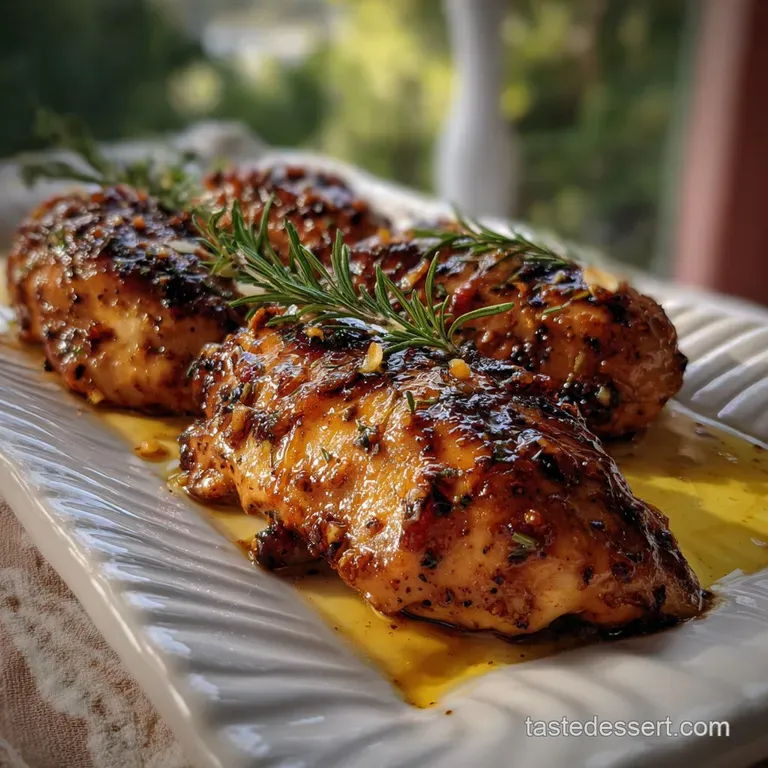
Making the marinade is simple, but the preparation of the meat is where amateurs often stumble. Achieving a great result means respecting the process from start to finish.
The Golden Rule of Whispering: Combining the Wet Ingredients
Start by combining all the wet ingredients first: the oil, the Dijon, the honey, and the lemon juice. Whisk them vigorously until they temporarily hold together in a creamy emulsion. This prevents the heavy spices and salt from clumping at the bottom.
Once emulsified, you can "whisper" in the dry components the smoked paprika, oregano, salt, and pepper and then the minced garlic. This technique ensures a smooth, uniformly flavored Chicken Marinade .
Preparing the Cut: Scoring vs. Pounding Techniques
If you are working with thicker cuts like full breasts, consider briefly pounding them to an even thickness (about 3/4 inch). This ensures consistent cooking time. If pounding isn't an option, use a sharp knife to score the surface of the meat lightly (don’t cut all the way through!) with shallow diagonal cuts.
Scoring helps the thick, luscious Chicken Marinade sink deeper into the meat fibers.
Applying the Mix: Ensuring Even Coating and Contact
The best way to apply any Chicken Marinade is in a sturdy, large zip-top bag. The bag minimizes air pockets and allows you to massage the mixture over the meat, ensuring every millimeter is coated. This maximum contact guarantees that the smoky flavor permeates throughout.
Use tongs or wear gloves if using a container to avoid direct contact and cross contamination.
The Essential 30 Minute Rule for Optimal Penetration
While 30 minutes is the absolute minimum time required for the salt and acid to start working their magic, 4 to 6 hours is the sweet spot for maximum flavor without compromising texture.
Longer than 12 hours, and the lemon juice can start turning the edges of the protein mushy. Don't waste time on a 10 minute soak; that’s barely enough time to season the surface. Dedicate proper time to this excellent Chicken Marinade .
Mastering the Technique: Chef's Tips and Troubleshooting Marinade Fails
I once made the rookie mistake of leaving the garlic chunks too big, and they immediately carbonized on the grill, leaving bitter black streaks across my beautiful dinner. Learn from my errors!
- Mind the Mince: Always ensure your garlic is very finely minced. If you are worried about burning, use a microplane to create a paste; this integrates the flavor fully into the liquid of the Chicken Marinade and minimizes chunks.
- The Wipe Down: If your marinade is extremely chunky or very thick with oil, gently wipe off the excess before cooking. You want the flavor on the meat, not a pooling mess that will steam or burn. Excess surface liquid is the enemy of a good sear.
- Fixing a Salty Marinade: If you over salted your batch, you can often save it by adding a splash more neutral oil (like canola) and a small squeeze of fresh honey to rebalance the flavors. It dilutes the saltiness and adds back crucial moisture. Getting the proper balance ensures you achieve the truly unbelievable Chicken Marinade result we are after.
Prep Ahead Power: Storage and Freezing Protocols
This marinade is fantastic for batch cooking and meal prep. Why make a single batch when you can make enough for the entire month?
Storing the Raw Marinade: You can easily mix up a large quantity of the raw Chicken Marinade (without the meat, of course) and store it in an airtight container in the fridge for up to 5 days. Just give it a good shake or whisk before using, as the oil and acid will separate over time. This is especially handy when preparing larger meals like Jack and Coke BBQ Pulled Chicken Sliders Recipe that require large volumes of liquid flavor.
Freezing the Marinade: Yes, you can freeze this Chicken Marinade ! Place the prepared marinade in a sturdy zip-top freezer bag or container. It keeps perfectly for 3 to 4 months. When ready to use, simply thaw the marinade and pour it over your meat.
Freezing Marinated Cuts: For ultra convenient meal prep, place your raw, coated meat directly into a freezer bag with the marinade. Label the bag with the date and cooking instructions. Freezing and thawing in the marinade allows the flavors to penetrate exceptionally well as the cells expand and contract. Thaw it overnight in the fridge it will essentially marinate as it defrosts. I use this trick all the time for quick weeknight dinners like Chicken Quesadillas: The Crispiest 35 Minute Tex-Mex Recipe .
Versatility on the Plate: Serving Suggestions for Marinated Dishes
This smoky, slightly sweet profile works with almost any style of cooking, making it an incredibly versatile Chicken Marinade .
The over High heat Hurdle: Preventing Sugar Burn on the Grill
Because this delicious Chicken Marinade contains honey, the sugars can burn quickly if the heat is too high, turning black and bitter. Always start cooking over medium high heat and if grilling, move the pieces to a cooler zone (indirect heat) once a nice char has formed.
If you notice it browning too quickly, slightly reduce the heat or tent the pieces loosely with foil.
Safety First: Avoiding Cross Contamination During the Process
This one is vital! Never, ever use the same tongs, cutting board, or plates for handling raw, marinated meat and cooked food. Discard any leftover liquid from the Chicken Marinade immediately.
If you desperately want to use some of the liquid as a serving sauce, boil it vigorously for a minimum of five minutes to kill any bacteria. Honestly, I find it much easier (and safer) just to whip up a tiny, fresh batch of the marinade and save it specifically for basting or drizzling.
How Long is Too Long? Maximizing Marinating Time Safely
As mentioned, 12 hours is usually the maximum for safe, texture friendly marination when using an acidic base like this Chicken Marinade . If you need to prep things 24 or 48 hours in advance, either freeze the meat in the marinade or slightly reduce the lemon juice component before applying. Longer marination is perfect for sturdy cuts like those used in Chicken Ropa Vieja: Smoky Cuban Comfort Stew Recipe where the meat needs to break down completely.
Batch Cooking Strategy: Freezing the Marinade Separately
To maximize kitchen efficiency, quadruple the recipe for the Chicken Marinade base and freeze it in labeled freezer bags or ice cube trays. You can pull out exactly what you need later without having to chop garlic or juice lemons every time you want to cook.
This prep ahead strategy is the secret behind my speedy weeknight meals.
Cooking Method Guide: Oven Roasting vs. over High heat Grilling
This incredible Chicken Marinade is suitable for any method. For oven roasting, preheat your oven to 400°F (200°C) and bake until the internal temperature reaches 165°F (74°C).
For grilling, high heat for 3- 4 minutes per side followed by finishing on indirect heat works best.
Perfect Pairings: Sides That Complement Smoked Paprika
The smoky intensity of this particular Chicken Marinade begs for fresh, contrasting sides. Think about a crunchy cucumber and tomato salad dressed with feta and a bright red wine vinaigrette.
For something warmer, roasted root vegetables tossed with fresh thyme provide a beautiful earthy balance to the sweetness of this ultimate Chicken Marinade . Getting this foundation recipe down is the best move you can make in your kitchen this year. You're going to absolutely love the results!
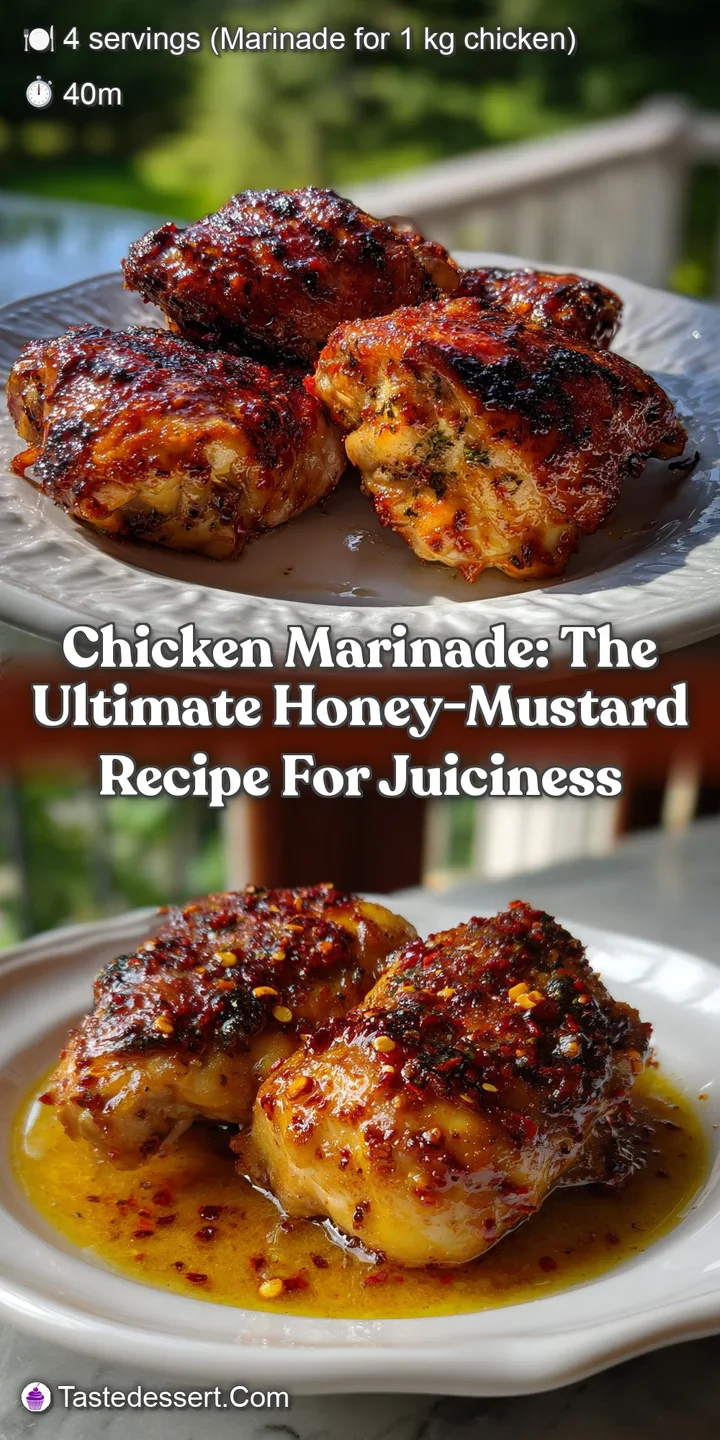
Recipe FAQs
How long should I marinate the chicken to achieve the best results?
For boneless chicken breasts, marinate for a minimum of 30 minutes, but no longer than 4 hours, as the acid begins to firm the proteins. Fatty cuts like thighs can handle longer marination, ideally 4 to 12 hours, to ensure maximum flavour penetration without compromising texture. Never exceed 24 hours.
Why did my chicken turn mushy or dry after marinating?
A mushy texture is typically caused by over marinating, allowing the acid (vinegar or citrus) to partially "cook" the meat fibers. If the chicken is dry, it may have been under marinated or, more commonly, cooked past the safe internal temperature of 165°F (74°C).
Use a meat thermometer to guarantee juicy results.
I don't have honey. What is a suitable substitution for the sweetness?
You can easily substitute honey with maple syrup, brown sugar, or agave nectar, using equal measures to maintain the sweet and savory balance. Maple syrup works especially well as it adds a subtle layer of complementary depth to the smoked paprika flavor.
If using brown sugar, ensure it dissolves fully into the liquid ingredients before adding the chicken.
Can I use regular sweet paprika instead of smoked paprika in this recipe?
While you can substitute sweet paprika, the marinade's flavor profile will change significantly, losing its signature barbecue like depth. Smoked paprika is essential for delivering the rich, earthy notes that elevate this particular chicken recipe.
If you must use sweet paprika, consider adding a tiny amount of liquid smoke or grilling over charcoal to introduce smokiness.
Should I wipe off the excess marinade before grilling or searing?
Yes, for high heat cooking methods like grilling or pan-searing, it is crucial to gently wipe off excess surface marinade. Too much liquid will prevent the Maillard reaction (browning) and cause the chicken to steam instead of sear, resulting in less flavorful crust.
Leave a thin coat of marinade for moisture, but eliminate the pools of liquid.
What type of oil is best for carrying the flavors in this chicken marinade?
A neutral oil, such as canola, vegetable, or light olive oil, is highly recommended as it acts as an excellent flavor carrier without overpowering the other ingredients. Oil is essential for binding the spices, helping the marinade adhere to the chicken, and providing crucial moisture retention during cooking.
Avoid extra virgin olive oil if you plan on high heat grilling due to its lower smoke point.
Can I freeze the chicken directly in the raw marinade?
Absolutely; freezing marinated chicken is a fantastic meal prep strategy and actually helps tenderize the meat during the thawing process. The cold temperatures effectively pause the action of the acids, preventing over marination.
Ensure you use thick, freezer safe bags and thaw the chicken slowly and completely in the refrigerator before proceeding with cooking.
Smoked Paprika Chicken Marinade
Ingredients:
Instructions:
Nutrition Facts:
| Calories | 183 kcal |
|---|---|
| Protein | 2.1 g |
| Fat | 15.5 g |
| Carbs | 11.5 g |
