Blackeyed Pea Recipes: Smoky Hoppin John Stew
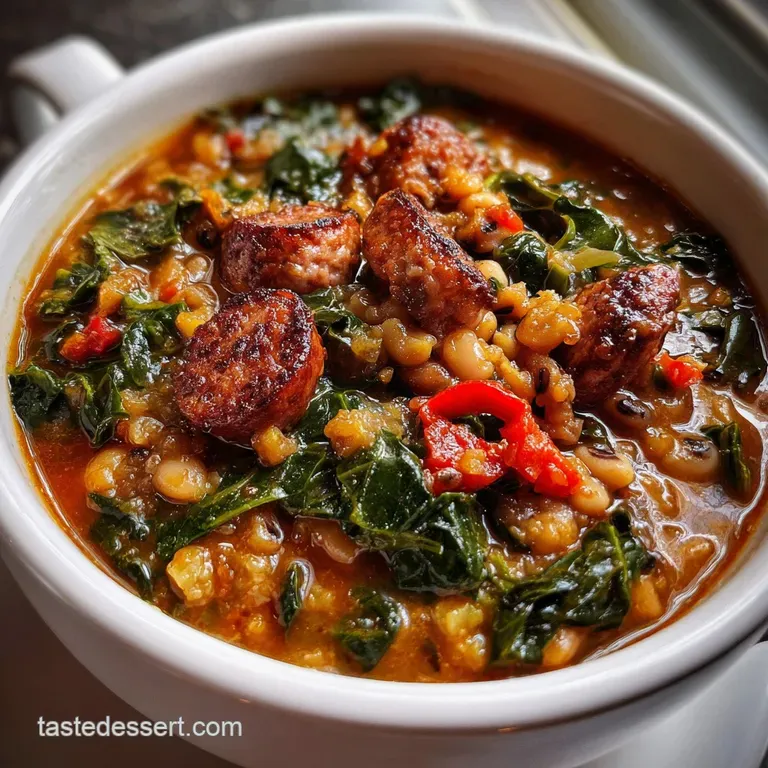
- The Lucky Charm: Elevating Blackeyed Peas from Tradition to Delicacy
- The Science of Comfort: Why These Blackeyed Peas Are Exceptionally Flavorful
- Essential Pantry Checklist: Ingredients for a Quintessential Southern Stew
- Method Mastery: Cooking Smoky Hoppin' John Stew from Start to Finish
- Troubleshooting Your Stew: Expert Tips for Creamy Peas, Not Mush
- Preservation Guide: Storing, Freezing, and Reheating Leftovers
- Completing the Meal: Serving Suggestions and Essential Pairings
- Recipe FAQs
- 📝 Recipe Card
The Lucky Charm: Elevating Blackeyed Peas from Tradition to Delicacy
The minute that rendered sausage fat hits the diced onions, the whole house transforms. It's an earthy, smoky scent that promises deep, soul satisfying comfort. We’re not talking about bland, boiled legumes today; we are diving deep into some seriously flavorful Blackeyed Pea Recipes .
This version, my Hoppin’ John Stew, is so good it will redefine how you view this humble ingredient.
Listen, life is busy, and we need recipes that deliver maximum flavor without requiring a PhD in Southern cuisine. These peas are ridiculously economical, shockingly easy to scale up for a crowd, and they freeze beautifully.
They are truly one of the most essential Easy Black Eyed Pea Recipes you can keep in your arsenal.
So grab your Dutch oven and let's crack on. I’m sharing every trick I’ve learned and trust me, I’ve made some truly awful, tough, pale blackeyed peas in my time to deliver a rich, creamy, and undeniably smoky Blackeyed Pea recipe that works every single time.
The Science of Comfort: Why These Blackeyed Peas Are Exceptionally Flavorful
If you want amazing texture and depth, you need to think about layering flavor, not just mixing ingredients. The key to successful Blackeyed Pea Recipes is building the foundation before the peas even hit the pot.
We are utilizing the power of rendered fat and the "holy trinity" of aromatics, which is non-negotiable for any true Southern dish.
Unlocking Prosperity: Why Hoppin' John Defines New Year's Day
For many people, the goal is finding the best Black Eyed Peas Recipes for New Years because tradition demands them for luck and prosperity. Hoppin’ John isn’t just a stew; it’s a cultural ritual. My biggest piece of advice? Don’t save this recipe just for January 1st. It’s too comforting and too delicious to ignore the rest of the year. In fact, if you want the absolutely classic version, check out my dedicated Hoppin John: Traditional Smoky Black Eyed Peas Recipe .
Beyond Basic Broth: Achieving Deep Smoke and Savory Depth
A lot of people think smokiness comes just from the ham hock or sausage, but the real secret is rendering the fat first . When you allow the Andouille to crisp up and release its fat, you create the perfect, flavorful medium to sweat the vegetables.
This step alone distinguishes truly incredible Southern Black Eyed Peas Recipe techniques from the merely mediocre. We’re basically creating a mini, intensely flavored roux right there in the bottom of the pot.
A Culinary Blueprint for the Perfect Blackeyed Pea Stew
We’re aiming for creamy peas that are still intact, not a grainy, soupy mess. Achieving this requires precise timing and, crucially, avoiding early salting. This blueprint for classic Blackeyed Pea Recipes focuses on extracting maximum flavor from inexpensive ingredients, transforming them into something luxurious.
The Magic of Rendered Andouille: Building the Smoky Base Layer
Andouille sausage isn't just spicy; it’s incredibly fatty and smoky. By slicing it thick and rendering it until crispy, you are essentially creating your own custom cooking oil. This reserved fat is where 80% of the flavor foundation for these Blackeyed Pea Recipes comes from.
Don’t ever pour it out! If you use a lean substitute, you absolutely must add a tablespoon of bacon grease or olive oil to compensate.
Mustard Greens vs. Collards: Achieving the Optimal Earthy Texture
I prefer mustard greens in these specific Blackeyed Pea Recipes because they offer a slight peppery bite that cuts through the richness of the sausage fat. Collards are fantastic too, providing a slightly heartier, denser texture.
Whatever you choose, make sure you strip those thick, tough central stems they take too long to cook and can make the stew bitter.
The Essential Blackened Spice Rub for the Sausage
While we are cooking the sausage until it’s crispy, we’re technically using the fat it releases. However, I add a touch of smoked paprika and dried herbs after the initial fat rendering, but before adding the peas. Why?
Cooking those spices in the hot, rendered fat toasts them, making their flavors bloom and infuse into the entire dish. This is a critical step in these Blackeyed Pea Recipes .
Essential Pantry Checklist: Ingredients for a Quintessential Southern Stew
If you're looking for truly authentic Blackeyed Pea Recipes , the ingredients list needs to be built around depth and tradition. Don't skimp on the aromatics or the quality of the smoked meat.
| Component | Key Ingredient | Why It Matters | Substitution Tip |
|---|---|---|---|
| Peas | Dried Blackeyed Peas | Affordable, traditional, best texture. | Use canned (drained/rinsed) in a pinch, but reduce cook time significantly. |
| Smoke | Andouille Sausage | Spicy, fatty, deep smoke flavor. | Smoked ham hocks (longer cook time) or Tasso ham. |
| Liquid | Low-Sodium Stock | Controls seasoning and adds richness. | Water works, but the flavor won’t be as deep. |
| Greens | Mustard Greens | Adds bitterness to balance the fat. | Collard greens or even de-ribbed kale. |
Selecting and Preparing the Blackeyed Peas (Dry vs. Canned)
I will always champion the dried pea for superior texture in my Blackeyed Pea Recipes . Canned peas are mushy and lack the starchy quality that thickens the stew beautifully. Always sort and rinse your dried peas!
Even the highest quality bag usually hides a pebble or two I learned that the hard way when I chipped a tooth one unfortunate New Year’s Day. Soaking is highly recommended; it cuts the cooking time almost in half and ensures even tenderness.
Navigating Smoked Meats: Andouille Alternatives for Maximum Depth
Andouille is the star here, but if you can’t find it, or prefer less heat, try smoked ham hocks or meaty smoked bacon. If you go the ham hock route, remember it requires a much longer simmer it needs to cook down until the meat is literally falling off the bone.
These Blackeyed Pea Recipes rely heavily on that smoky flavor being rendered into the cooking fat. If you are aiming for a Black Eyed Pea Recipes Vegan variation, use liquid smoke and extra smoked paprika with olive oil.
The Trinity and Beyond: Aromatics That Define This Recipe
The holy trinity is onion, celery, and bell pepper. That’s it. Some people skip the bell pepper in their Blackeyed Pea Recipes , but it adds an essential vegetal sweetness that rounds out the heavy smoke.
Cooking them until they are thoroughly softened about 8 to 10 minutes is the difference between a chunky soup and a perfectly integrated stew.
Smoky Depth: Best Broth Choices for Blackeyed Pea Recipes
Use low-sodium stock. Please. If you use regular stock, salty sausage, and then add salt later, you will overshoot the seasoning every single time. Homemade Southern Black Eyed Peas Recipe perfection starts with homemade or high-quality low-sodium chicken stock.
It provides a savory base without overpowering the delicate, earthy flavor of the peas themselves.
Method Mastery: Cooking Smoky Hoppin' John Stew from Start to Finish
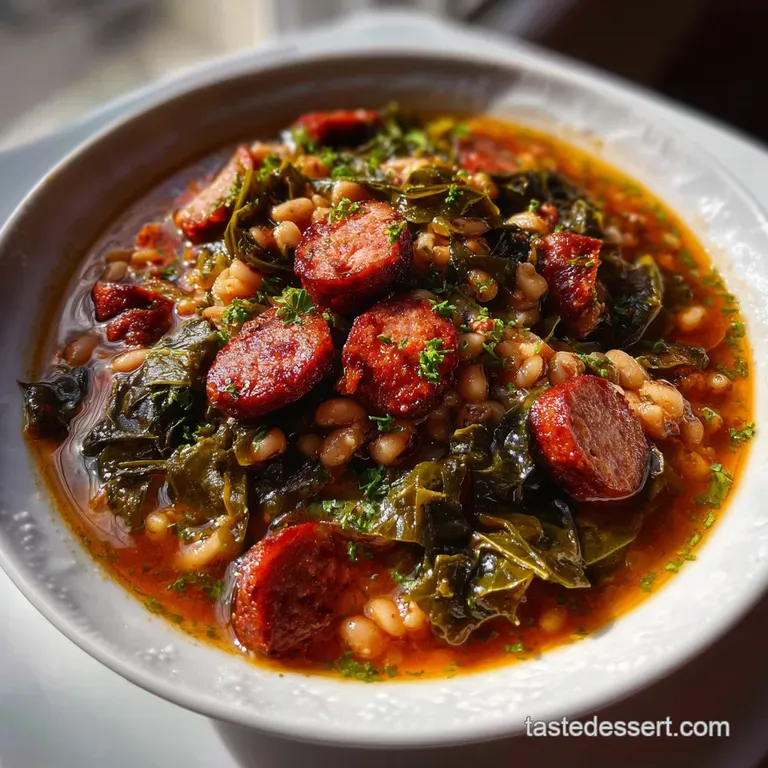
Ready to dive into the technique? Don’t rush the early stages; that’s where the magic for these amazing Blackeyed Pea Recipes happens.
Phase I: Searing the Andouille and Building the Flavor Foundation
Heat your heavy Dutch oven over medium high heat it needs to be hot enough to sizzle the sausage immediately. Lay the sliced Andouille in a single layer and let it go. You want those edges browned and crispy. Remove the sausage and immediately drop the heat to medium before adding the trinity.
Sauté until those vegetables are soft, glossy, and your kitchen smells incredible. Add the garlic and dried spices last, cooking for only 60 seconds until they are intensely fragrant. This spice bloom is essential for deeply flavored Black Eyed Pea Recipes .
Phase II: The Low Simmer Perfecting the Pea Texture
Add the soaked peas, stock, water, and bay leaf. Bring everything up to a boil, then immediately drop the heat. We want the gentlest, laziest simmer possible. A vigorous boil will shred the peas and turn them into mush. Cover partially and let the alchemy begin.
This slow simmer is why these Blackeyed Pea Recipes taste so comforting.
Phase III: Integrating the Greens and Final Seasoning Adjustments
After about an hour of simmering, the peas should be softening up. This is when we add the initial salt and pepper. After 30 to 45 more minutes, the peas should be mostly tender. Now, stir in the chopped greens and the reserved sausage.
Cook them for about 10- 15 minutes until the greens are tender and fully wilted. Finally, remove that bay leaf don’t forget it!
The Crucial Final Rest Before Serving
Don't skip this. Removing the pot from the heat, covering it fully, and letting it sit for 10 minutes allows the residual heat to finish marrying the flavors and, most importantly, allows the stew to thicken beautifully.
If you want truly Creamy Black Eyed Peas , this rest time is vital.
Troubleshooting Your Stew: Expert Tips for Creamy Peas, Not Mush
We've all been there: rock hard peas after two hours of cooking, or a flavor that just falls flat. Here’s how to fix the most common missteps when creating your own Blackeyed Pea Recipes .
Mistake Alert: Why You Should Never Salt Your Peas Too Early
This is the number one reason people fail. Salt molecules are tiny jerks that prevent the pea skin from properly absorbing water during the cooking process. Adding salt at the beginning of the cooking time will ensure you get tough, leathery peas, no matter how long you simmer them.
Wait until the peas are already softening (about an hour in) before adding the bulk of your salt.
Rescuing Under Cooked Peas: Pressure Cooking vs. Longer Simmering
If you hit the two-hour mark and your peas are still firm, you have two options. If you own an Black Eyed Peas Instant Pot or pressure cooker, transfer the stew and cook on high pressure for 5- 8 minutes, followed by a natural release.
If not, just keep simmering gently, covered, and add 1/2 cup of hot water or stock every 20 minutes until they yield. Patience is key in these Blackeyed Pea Recipes .
The Acidity Factor: Using Vinegar to Brighten Heavy Flavors
A rich, smoky stew can feel heavy on the palate. The secret weapon? Acid! That final stir of apple cider vinegar (or red wine vinegar) doesn't make the stew taste sour; it cuts through the rendered fat and rich broth, brightening every other flavor.
It makes the Southern Black Eyed Peas Recipe taste vibrant and balanced.
Preservation Guide: Storing, Freezing, and Reheating Leftovers
Yes, you should make a huge batch. These Blackeyed Pea Recipes are arguably better the next day, after the flavors have truly settled.
Refrigerator Shelf Life and Maximizing Freshness
Store your cooled Hoppin’ John in an airtight container in the fridge. It will stay fantastic for 4 to 5 days. Since the liquid thickens dramatically when chilled, you might need to add a splash of water or stock when reheating.
Freezing Hoppin' John: Tips to Prevent Grainy Texture
Hoppin’ John freezes beautifully, which makes it one of the best batch cooking Black Eyed Peas Side Dishes . Cool the stew completely before placing it into freezer safe bags or containers, leaving about an inch of headspace for expansion.
Frozen Blackeyed Pea Recipes will keep for up to 3 months. When thawing, do it slowly overnight in the fridge rapid thawing or reheating can sometimes make the pea skins slightly grainy.
Reheating the Stew Without Losing Smoky Flavor
Reheat slowly on the stovetop over medium low heat. Add 1/2 cup of stock or water to loosen the consistency. Crucially: Add a tiny splash of fresh vinegar and a grind of black pepper after reheating.
This re-awakens the flavors that can dull slightly during storage, ensuring your Blackeyed Pea Recipes taste freshly made.
Completing the Meal: Serving Suggestions and Essential Pairings
You simply cannot serve this dish without certain accompaniments. It's practically sacrilege!
Serve these deeply comforting Blackeyed Pea Recipes in a bowl over fluffy white rice, traditionally referred to as "lowcountry rice." Alternatively, serve them alongside warm, buttery cornbread it’s perfect for soaking up every last bit of that smoky broth. A light dusting of finely chopped parsley provides a gorgeous flash of green and freshness. If you're planning a whole meal, you could even follow this savory goodness with something incredibly sweet, like Peanut Butter Brownie Parfaits: Fudgy Creamy Layers .
Recipe FAQs
Do I need to soak blackeyed peas before making this stew?
While blackeyed peas cook faster than larger legumes, soaking them for 4 to 8 hours significantly reduces the overall cooking time and aids in digestibility. If you choose not to soak, you will need to increase the simmering time by at least 30 to 45 minutes and monitor the liquid level closely during the process.
Why are my blackeyed peas still hard or crunchy after the recommended cooking time?
This is usually due to extremely old peas or using water that is too mineralized (hard water), which prevents legumes from softening properly. If using hard water, adding a pinch of baking soda (1/4 teaspoon) to the soaking or cooking water can help tenderize them, but use sparingly to avoid a soapy flavor.
Can I make this Smoky Hoppin' John Stew completely vegan or vegetarian?
Absolutely. Replace the Andouille sausage with thick cut smoked mushrooms (like King Oyster) or a plant based smoked sausage substitute. Crucially, substitute the chicken stock with high-quality vegetable broth and ensure you include smoked paprika or a dash of liquid smoke to maintain the required smoky profile.
What is a good substitute if I cannot find Andouille sausage?
If Andouille is unavailable, you can use any high-quality, flavorful smoked sausage like Kielbasa or a spicy Spanish Chorizo (though Chorizo will slightly change the color of the stew). Alternatively, thick cut smoked ham hocks or bacon are excellent substitutes for generating the foundational smoky flavor.
How should I store leftovers, and can I freeze this stew?
Store cooled stew in an airtight container in the refrigerator for up to 4 days; the flavors will meld beautifully overnight. This stew freezes exceptionally well, so portion it into freezer safe containers, leaving about an inch of headspace, and consume within 3 months for the best texture and flavor.
My stew tastes a bit bland. How can I boost the depth of flavor or smokiness?
If the stew lacks depth, you may have used too much liquid or not enough umami elements. Try stirring in a tablespoon of concentrated tomato paste, a dash of Worcestershire sauce, or a bit more smoked paprika, then let it simmer uncovered for 10 minutes to reduce slightly.
Is it traditional to serve Hoppin' John with anything specific?
Yes, traditional Hoppin' John is almost always served over white rice to symbolize good luck and is often accompanied by collard greens for prosperity. Garnishing with fresh scallions, hot sauce (preferably vinegar based), or a side of cornbread is highly recommended for a complete Southern meal.
Smoky Hoppin John Stew Recipe
Ingredients:
Instructions:
Nutrition Facts:
| Calories | 268 kcal |
|---|---|
| Protein | 17.0 g |
| Fat | 8.7 g |
| Carbs | 29.8 g |
