The Proper Batch Soft Supple Homemade Flour Tortillas
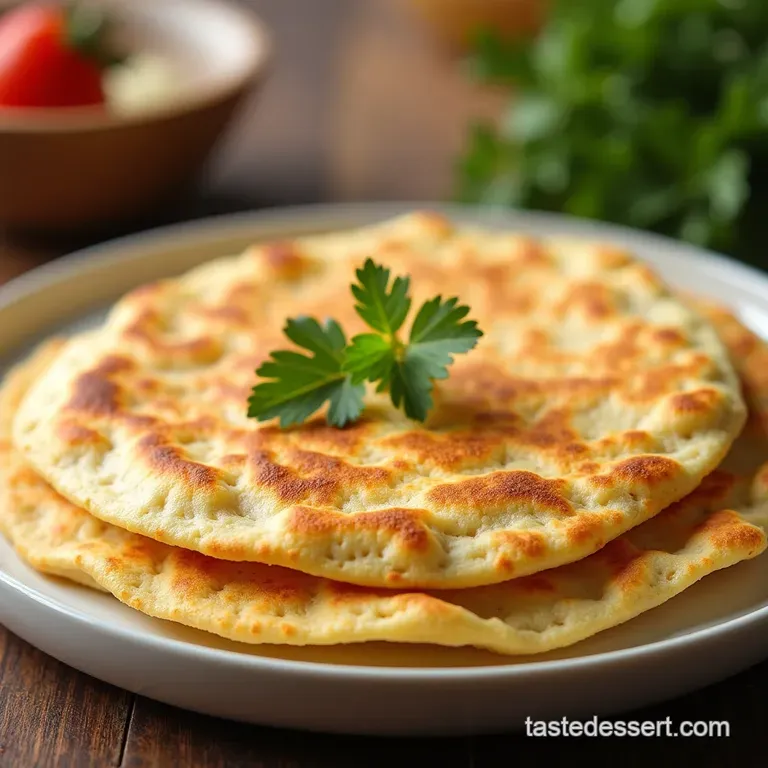
Unlocking the Secret to Truly Bendable Bread
There is something deeply satisfying about mastering the foundations of comfort food, and perhaps no foundation is more essential in Mexican and Tex-Mex cuisine than the humble yet magnificent flour tortilla.
We've all encountered those stiff, dry supermarket versions the ones that crack the moment you try to fold them into a respectable taco. Today, we embark on the journey to banish those frustrating culinary moments forever.
Our goal is creating Flour Tortillas that are tender, pliable, and ready to embrace any filling you desire. This is more than just a recipe; it’s an understanding of dough science that results in superior, Soft Flour Tortillas .
Why Ditching store-bought Flour Tortillas is Essential
The difference between a good meal and a transcendent one often lies in the integrity of its wrapper. store-bought versions are frequently engineered for shelf life, meaning they are packed with preservatives and often rely on industrial processes that yield a less flavourful, more rubbery result.
Making your Homemade Flour Tortillas from Scratch instantly elevates any dish. They possess a cleaner, slightly nutty flavour profile and, most importantly, the texture we crave: warm, yielding, and perfectly Bendy Flour Tortillas .
Our Pledge: The Ultimate Texture Guarantee
The key to achieving that ideal, pliable texture lies in how we introduce fat and water to the flour. We aren't just mixing ingredients; we are creating an emulsion that prevents the gluten strands from developing too tightly.
This focus on tenderness ensures that whether you are rolling a giant burrito or folding a simple quesadilla, your wrap will hold together beautifully, delivering on its promise of softness every single time.
The Foundation: What Makes This Recipe Superior
This Easy Flour Tortilla Recipe is rooted in simplicity, relying on just four main components. The magic isn't in complex additions, but in the careful handling of the basics. The ratio of fat to flour, combined with the method of hydration, determines the final outcome.
We aim for that soft, slightly chewy mouthfeel characteristic of superior Traditional Flour Tortillas .
A Quick Look at Achieving Authentic Taste
The flavour of an Authentic Flour Tortilla should be subtle, allowing the fillings to shine. We achieve this by using minimal flavourings just salt and the richness imparted by the fat and relying on the toasting process to develop that signature, lightly browned flavour.
This recipe is a fantastic starting point for all your Cooking Bread Recipes .
The Essential Pantry Components for Success
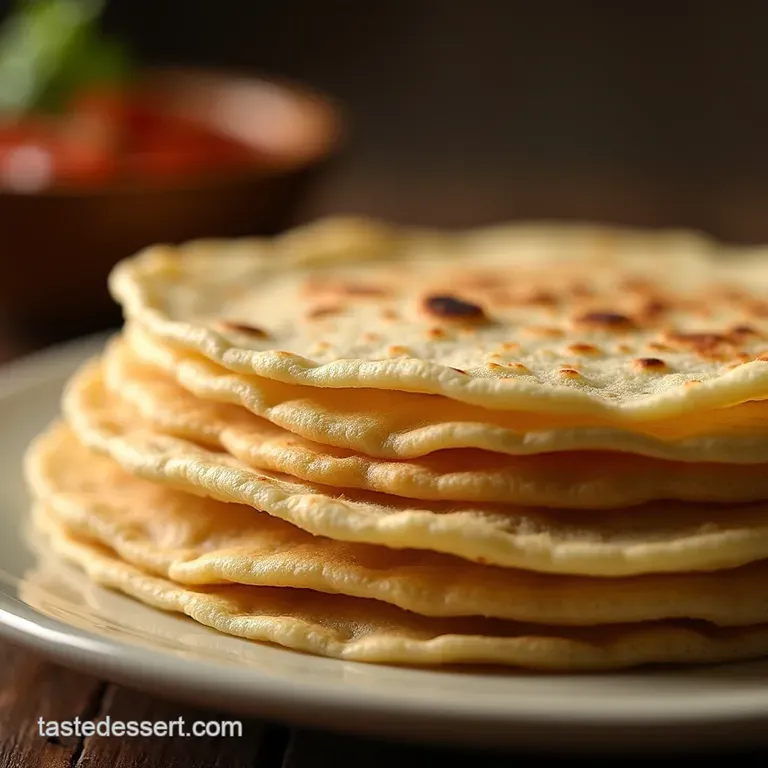
Before diving into the physical process of How to Make Flour Tortillas , ensure your larder is stocked correctly. Precision here prevents headaches later. You will need standard all-purpose flour, baking powder for a touch of lift, fine sea salt for flavour balance, and crucially, a specific type of fat.
Gather these items, and you are halfway to deliciousness.
Related Recipes Worth Trying
- Lemon Almond Flour Cake My Easiest GlutenFree Recipe — Looking for delicious almond flour cake recipes This easy lemon almond flour cake is glutenfree moist and perfect with tea Get my secret for a tender crumb
- Scrumptious Almond Flour Banana Bread (gluten-free!) — My go-to almond flour banana bread recipe! It's gluten-free, super moist, and packed with flavor. Forget dry bread - this is a winner. Get the recipe now!
- Easy Corn and Flour Tortillas: My Family's Go-To Recipe for Tacos! — Craving the best corn and flour tortillas? Try my foolproof recipe! Perfect for tacos, quesadillas, or just a spot of butter. Get my tips inside!
Gathering Your Dough Making Arsenal
The tools you employ matter significantly, particularly when working with delicate doughs. While you don’t need heavy duty machinery, having a reliable rolling pin and the right cooking surface makes the process far more enjoyable.
Precision Measurements for Perfect Flour Tortillas
When dealing with flour, volume measurements can be misleading. For the best results in this Easy Flour Tortilla Recipe , always spoon the flour lightly into your measuring cup and level it off, or better yet, weigh it using a kitchen scale.
Accuracy in the flour measurement directly impacts the final water absorption and resulting pliability.
Choosing the Right Fat Source: Lard vs. Shortening vs. Oil
The fat content is what tenderizes the dough. Traditionally, lard is preferred because its saturated fat structure creates the flakiest, most tender crumb. If lard isn't your preference, high-quality vegetable shortening is an excellent, neutral substitute.
While some recipes suggest oil, solid fat (lard or shortening) is superior because it coats the flour particles more effectively during the mixing stage, leading to those supremely Bendy Flour Tortillas .
The Critical Role of Hot Water in Hydration
This is perhaps the most surprising element for newcomers: we use boiling water. Introducing very hot water to the flour mixture starts the gelatinization process immediately, partially cooking the starches.
This action results in a dough that is far more extensible and easier to roll thinly without tearing a non-negotiable step for achieving that supple texture.
Mastering the Mix and Rest Cycle
Once ingredients are assembled, the workflow must be intentional. We move from combining ingredients to developing structure, followed by a crucial period of rest.
step-by-step Mixing Technique for Elasticity
Start by whisking the dry ingredients thoroughly. Next, you must "cut in" the solid fat. Use your fingertips or a pastry blender to incorporate the lard or shortening until the mixture resembles coarse sand or tiny peas. This even distribution of fat is vital.
Then, pour in the near boiling water all at once and stir rapidly with a wooden spoon until a shaggy mass forms.
The Non-Negotiable Rest Period Explained
After mixing, the dough will look rough. Turn it out and knead it for about five to seven minutes until it becomes smooth and elastic. Once smooth, cover it tightly and let it rest for a minimum of 30 minutes at room temperature.
This resting period is fundamental; it allows the gluten strands that you just developed during kneading to relax. If you skip this, the dough will fight you when you try to roll it thin, resulting in tough, resistant wraps rather than soft ones.
Achieving Uniform Thickness: Rolling Tips and Tricks
After resting, divide the dough into 12 equal portions aim for uniformity so they cook evenly. Roll each portion into a smooth ball, keeping the unused portions covered. When rolling, work on a lightly floured surface.
Use steady, even pressure to create an approximate 8 inch circle, aiming for a consistent thickness of about 1/8 of an inch. Less flour on the surface during rolling ensures better browning and fewer dry spots on your finished Flour Tortillas .
Dry Heat Perfection: Cooking Your Tortillas on the Comal
The cooking stage must be executed quickly over high heat. Heat a cast iron skillet or comal until it is quite hot a water droplet should sizzle away immediately. Do not add oil. Lay the thinly rolled dough onto the dry, hot surface.
Cook for about 30 45 seconds until the top begins to show bubbles and the bottom has developed those characteristic toasted brown spots. Flip, cook the second side for another 30 45 seconds, gently pressing down if it doesn't puff up on its own to encourage steam trapping.
Troubleshooting and Pro-Tips for Elevated Results
Even the best recipes can encounter minor hurdles. Knowing how to correct course ensures your batch of Homemade Flour Tortillas from Scratch remains successful.
Solving Common Issues: Sticky Dough and Tough Results
If your dough feels sticky during kneading, add flour very sparingly a half teaspoon at a time. If your finished tortillas feel tough or break when folded, it usually signals one of two things: either you didn't knead long enough (insufficient gluten development) or you skipped the rest period.
Toughness also occurs if you used too much flour during the rolling process.
Storage Solutions: Keeping Your Batch Fresh for Days
To maintain peak softness, stack the freshly cooked tortillas immediately into a thermal container or wrap them snugly in a clean, thick kitchen towel. For longer storage, allow them to cool completely, then stack them between sheets of parchment paper inside an airtight bag.
They will stay wonderfully soft in the refrigerator for up to a week or freeze beautifully for three months.
Flavor Twists: Infusing Herbs and Spices into Your Dough
While our primary focus is on achieving the best base texture, you can easily customize these wraps. For a savoury kick perfect for breakfast tacos, incorporate 1 tablespoon of finely ground cumin and a teaspoon of smoked paprika directly into your dry ingredients.
For a fresh note, finely minced cilantro or parsley stirred in during the final stages of kneading works wonders.
From Tostadas to Enchiladas: Versatile Uses
The beauty of mastering Recipes with Flour Tortillas lies in their versatility. These pliable rounds are perfect for soft tacos, of course, but they can also be crisped up lightly for quick tostadas, layered and baked into satisfying enchiladas, or even fried slightly to create crispy chalupas.
Their dependable, soft structure makes them a kitchen MVP.
Recipe FAQs
Why are my homemade Flour Tortillas turning out tough and rubbery instead of soft?
This is usually down to two things: either you haven't let the dough rest long enough, or you've used too much flour during the rolling stage. That 30-minute rest allows the gluten to relax, which is crucial for flexibility. Also, try to use as little extra flour as possible when rolling them thin.
Can I use regular cold water instead of boiling water for these tortillas?
While you technically can, using near boiling water is the secret weapon here it gelatinizes the starch, giving you those wonderfully pliable, soft results we’re aiming for. Cold water will result in a dough that’s much harder to roll thinly without tearing, making for a chewier final product.
How should I store leftover Flour Tortillas to keep them fresh?
For short term storage (up to 3 days), keep them wrapped tightly in a clean kitchen towel placed inside an airtight plastic bag at room temperature. If you’re planning on keeping them longer, they freeze brilliantly: stack them between sheets of parchment paper, place them in a freezer bag, and freeze for up to two months.
My tortillas aren't puffing up when I cook them what am I doing wrong on the griddle?
Puffing happens when the heat is high enough to trap the steam inside the dough quickly. Make sure your comal or skillet is properly hot we want a medium high heat that immediately sizzles when a drop of water hits it. A quick flip after the first bubbles appear also encourages that lovely pocket inflation.
Can I make these ahead of time, and if so, what is the best fat to use for flavour?
You can certainly make the dough ahead of time and refrigerate it for up to 24 hours, but always let it come back to room temperature before rolling. For the absolute best, most authentic flavour, traditional lard is the way to go; however, vegetable shortening is a perfectly acceptable, vegetarian friendly substitute that yields great results.
Soft Homemade Flour Tortillas
Ingredients:
Instructions:
Nutrition Facts:
| Calories | 146 kcal |
|---|---|
| Protein | 1.1 g |
| Fat | 8.5 g |
| Carbs | 10.7 g |
| Fiber | 0.3 g |
| Sodium | 3371 mg |
