Thanksgiving Side Dishes: Sourdough Dressing with Apple, Sage, and Hazelnuts
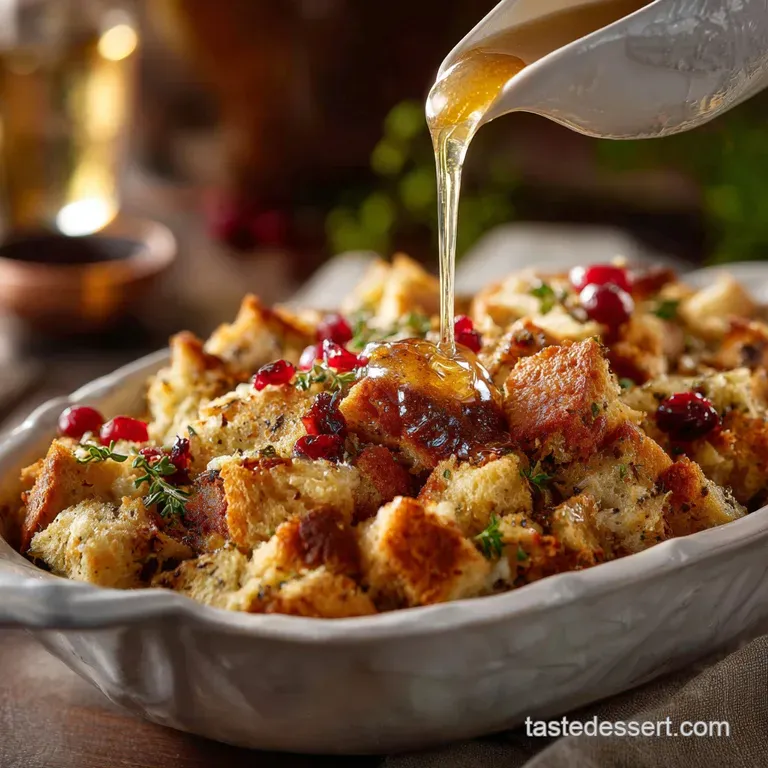
Why This Sourdough Dressing is the Heart of Your Thanksgiving Plate
Look, I’m just going to say it. The turkey is fine. It’s traditional. It looks great on Instagram. But when you look at the best sides for Thanksgiving, when you really think about the meal you are dreaming about from September onward, it’s the stuffing.
Or, in this case, the dressing, because we are baking it outside the bird (we are not amateurs here, we know the food safety risks, and frankly, the texture is better).
Every year, I bring this version. It’s got that classic, deeply buttery flavour profile you expect from a holiday side, but we are using sourdough. Why sourdough? Because regular white bread turns into a regrettable, gummy mess. Sourdough has attitude. It has structure.
It maintains its shape even when drenched in glorious butter and stock. This isn't just one of the easy Thanksgiving side dishes; this is a dependable, spectacular centrepiece. Trust me, the minute your guests smell the sage and apples hitting the heat, they will forget the turkey even exists.
Escaping the Dreaded Soggy Stuffing Trap
I made soggy stuffing once. It was 2018. I was using a standard sandwich loaf and was far too generous with the stock. It came out looking like a dense, beige brick. My family was too polite to say anything, but I knew. I knew I had failed the Thanksgiving side dish mission.
The trick, the absolute non and negotiable rule, is starting with dry, sturdy bread. Sourdough works like a champion here because its crust is thicker and its interior structure is more robust than any standard loaf. We want the bread to absorb the flavour and packed butter and stock mixture without dissolving.
You need those crisp edges and fluffy interiors. If you skip the drying step, you are setting yourself up for failure. Don't do it. Use day and old bread, or better yet, dry it out yourself. It takes minimal effort for maximum reward.
The Ultimate Autumnal Flavor Pairing: Apple, Sage, and Crunch
What makes this dressing stand out among all the other Thanksgiving side dishes ideas? We go beyond just celery and onion. We introduce an incredibly crucial tartness. Apples.
Specifically, tart apples like Granny Smith. They cut through the richness of the butter and stock beautifully. You get the savoury earthiness of the fresh sage (which smells like pure autumn, honestly) mixed with the sweetness of the softened onion and celery, and then BAM (sorry, I got excited), the crisp, slightly acidic burst of the apple.
To finish it off, we toss in toasted hazelnuts. That nutty crunch is vital. It gives texture variation, so every mouthful is a little adventure. This isn't just about flavour; it's about making a side dish with dimension. It makes you want to go back for seconds, and thirds.
Procuring Your Ingredients for the Perfect Dressing
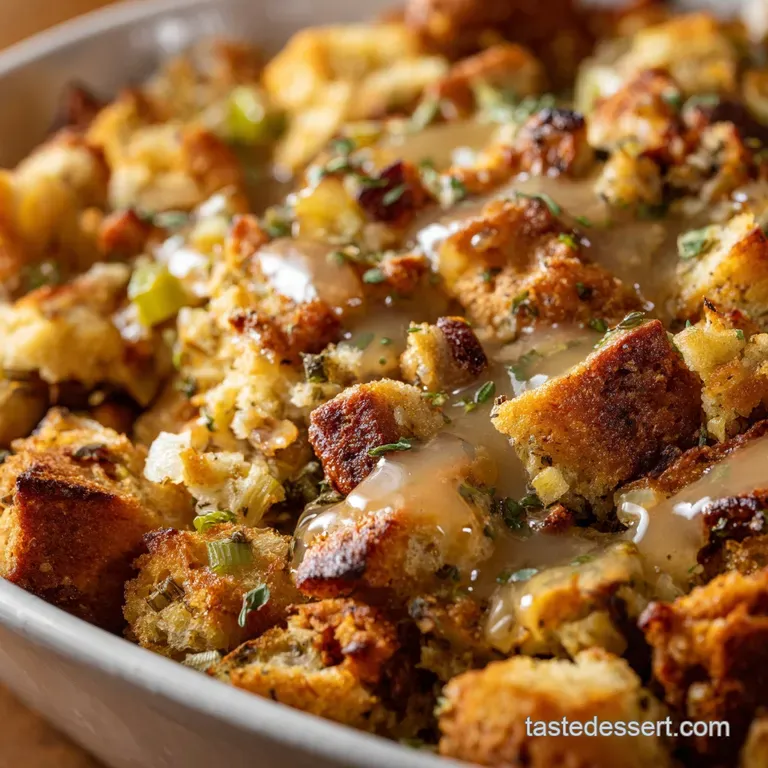
Right then, let’s talk sourcing. You can’t make epic food with poor ingredients. For the best sides for Thanksgiving, we need high and quality starting materials.
Securing the Superior Bread: Sourdough Preparation Steps
If you’re planning ahead (which, for a large holiday meal, you absolutely should be), buy your sourdough loaf a day or two in advance. You need it dried out. It must feel light and brittle, not soft or springy.
Crucial Warning: If your bread is still soft, it will turn to cement when you add the stock. Cut it into cubes and spread it on a sheet pan. Leave it uncovered on the counter overnight, or if you’re short on time (like I usually am on Thanksgiving morning), bake it at 150°C (300°F) for about 15 minutes.
You’re aiming to dry it out, not toast it brown.
Checklist of Core Flavor Components and Pantry Staples
Here are a few quick notes on the essentials. Don't skimp here.
- Butter: Only unsalted, please. We control the salt. And yes, you use a lot. It’s Thanksgiving!
- Herbs: Fresh, always. Dried herbs taste like dust compared to fresh sage and parsley. Buy these the day before and keep them cool.
- Stock: Use low and sodium chicken stock. Warming the stock slightly before adding it helps the bread absorb the liquid more evenly. It’s a small step, but it makes a huge difference.
| Component | Why it Matters |
|---|---|
| Apples (Tart) | Provides necessary acidity; prevents the dish from feeling heavy. |
| Hazelnuts | Adds crucial textural contrast (the crunch factor). |
| Celery/Onion | The savoury foundation of literally every good stuffing ever made. |
Specialty Tools That Make Stuffing Prep Effortless
You don't need fancy gadgets for this, but a couple of things really speed up the process, especially if you’re making thanksgiving side dishes for a crowd.
- The Biggest Mixing Bowl: Seriously, get the industrial and sized one. When you go to toss the bread with the butter and vegetables, you need space. Trying to mix this in a standard bowl means half of it ends up on your kitchen floor.
- Good Chef’s Knife: All that chopping of celery, onion, and apples goes way faster if your knife is sharp. I usually tackle this prep work the day before.
- 9x13 Casserole Dish: Standard size, easy to transport if you are bringing this side dish to Thanksgiving.
Related Recipes Worth Trying
- Thanksgiving Side Dishes: The Butchers Sourdough, Sage Sausage Dressing — Thanksgiving Side Dishes just got an upgrade. This robust, make-ahead dressing combines sourdough and cider kissed sausage. Its one of the best Thanksgiving...
- Thanksgiving Side Dishes: Crispy Maple Glazed Brussels Sprouts Recipe — Thanksgiving Side Dishes just got an upgrade! Master this Easy Thanksgiving Side Dish featuring crispy sprouts glazed in maple and bacon fat. A savory sweet...
- Creamy Pumpkin Pie: The Silky, No-Crack Thanksgiving Recipe — Our Creamy Pumpkin Pie recipe uses a chefs technique to guarantee a silky, crack free filling. Learn how to make the best pumpkin pie from scratch for your...
Step and by-Step Guide to Crafting This Delicious Thanksgiving Side Dish
This recipe has three main stages: the sauté, the soak, and the bake. We take it slow and easy.
Preparing the Toasted Nuts and Aromatic Flavor Base
First, get your nuts toasted. This intensifies their flavour hugely. Dry pan, medium heat, maybe three or four minutes until they smell amazing. Pull them off the heat before they burn. They go into your massive mixing bowl with the dry bread. Done.
Next, the butter melt. This is where the magic starts. We cook the onion and celery gently for a long time. They need to soften until they are translucent and sweet. We are sweating them, not browning them. Once they are soft, throw in your garlic, the chopped apples, and all that beautiful fresh sage and thyme.
Cook this mixture until the apples just barely start to give. This whole process smells divine. Don’t forget to season heavily here; this butter mixture is where 90% of your flavor lives.
When it’s done, stir in the fresh parsley (we add this last so it stays bright green) and pour the entire buttery mess over the bread cubes. Toss gently until every piece of sourdough is coated in shiny butter.
Integrating the Liquid: Mastering the Moist and But-Not and Soggy Consistency
Now, the moment of truth. The liquid.
First, pour in your lightly beaten eggs. These act as the binder. Then, grab your warmed stock. Start with three cups. Pour about a third of the stock over the mixture, toss gently. Wait 30 seconds. Add another third, toss gently.
You need to rely on feel here. The goal is for the bread to look thoroughly dampened. If you pick up a handful and gently squeeze it, it should hold together slightly, and a small bead of moisture might appear, but it should not drip.
If you add the full 3.5 cups and it looks soupy at the bottom of the bowl, you have gone too far. If you are worried, use that tip I gave you earlier: toss in a half cup of plain dried breadcrumbs to suck up excess liquid. It’s a lifesaver.
Baking Method: Ensuring Buttery Edges and a Warm Center
Grease your baking dish like your life depends on it. We want those crispy, buttery edges, and butter prevents sticking. Gently transfer the mixture into the dish. Do not push down. We are aiming for a relaxed, airy feel.
We bake in two stages:
- Covered ( 35 minutes): Tightly wrap the dish with aluminum foil. This step is critical because it steams the interior, ensuring the dressing is cooked through and deeply moist without drying out.
- Uncovered (15– 20 minutes): Rip the foil off. Crank the heat slightly if you feel like it needs extra crunch. We are now developing that golden, crispy top crust that everyone fights over.
Let it rest 10 minutes out of the oven. Those beautiful Thanksgiving side dishes are ready.
Mastering Your Menu: Tips for Serving Thanksgiving Side Dishes
Logistics are everything on Thanksgiving. No one wants to be panicking over a hot stove while guests are arriving.
Advance Preparation and Safe Storage Guidelines
You can prep almost everything a day ahead of time. I usually do the following:
- Wednesday Night: Dice all vegetables (onion, celery, apples) and chop all the fresh herbs. Store them separately in airtight containers in the fridge. Toast the hazelnuts. Cube the sourdough.
- Thanksgiving Morning (Early): Make the entire dressing mixture (Steps 1 8). Place it unbaked into the prepared dish, cover it tightly with foil, and refrigerate.
- Baking Time: Take the dish out of the fridge about 30 minutes before you plan to bake it, allowing it to come closer to room temperature. Then, proceed with the two and stage baking instructions (covered, then uncovered).
Simple Substitutions for Nuts, Herbs, or Broth
Need to pivot the recipe for dietary needs or pantry shortages? No problem.
- If you have a nut allergy concern, skip the hazelnuts entirely and instead, toss in 1/2 cup of crunchy, pre and fried onion topping (like the ones used for green bean casserole). It adds a different texture but still gives a great savoury crunch.
- If you don't have fresh sage, you can use 2 teaspoons of dried rubbed sage, but please try to find fresh. It’s just better.
- If you want a vegetable side dish for Thanksgiving that is strictly vegetarian, swap the chicken stock for a rich mushroom or vegetable broth. Just make sure the seasoning level is adjusted, as vegetable stocks often have less salt than commercial chicken stock.
Reheating Strategies to Maintain Maximum Crispness
Leftovers are one of the best parts of the holiday, but reheated stuffing often gets rubbery.
The secret to reheating side dishes to impress is moisture control and high, direct heat.
- Slice the leftover dressing into thick squares.
- Preheat your oven or toaster oven to 175°C (350°F).
- Place the slices on a baking sheet. Here’s the trick: Dab the top of each slice with a tiny bit of extra butter or sprinkle with a splash of chicken stock.
- Reheat for 10– 15 minutes. The butter/stock adds back moisture, and the direct heat crisps up the exterior again. It will taste nearly as good as the first time. I promise.
Recipe FAQs
Can I prep this recipe ahead of time, as Thanksgiving Side Dishes require so much oven space?
Absolutely! You can prepare the entire mixture from toasting the nuts to adding the stock up to 24 hours in advance. Cover it tightly and chill, but remember to let the dish warm up to room temperature for 30 minutes before baking so it cooks evenly.
Why does my dressing sometimes turn out soggy instead of having that lovely crisp top?
The culprit is usually bread that wasn't stale enough, or adding too much liquid; start with the minimum amount of stock and ensure the bread is truly dry first. Also, remember not to compact the mixture when placing it in the dish this allows steam to escape and encourages those cracking good crispy edges.
Is this technically 'stuffing' or 'dressing'? Does it matter for safety?
Since this mixture is baked in a separate dish outside the main roast, it’s technically called ‘dressing.’ This method is infinitely safer and easier, as it guarantees the stuffing reaches a high enough internal temperature without relying on the turkey’s cooking time.
I need a vegetarian option, and also, can I swap the hazelnuts for something else?
Making this vegetarian is easy peasy: just use high-quality vegetable stock instead of chicken stock. If hazelnuts aren't your cup of tea, pecans or walnuts are excellent 1:1 substitutes that maintain the required texture and autumnal flavour.
How should I store the leftovers, and will they freeze well?
Store any leftovers in an airtight container in the fridge for up to four days. While it won’t freeze perfectly due to the bread texture, you can reheat chilled portions by sprinkling a dash of extra stock over the top and warming them covered with foil in a moderate oven.
Sourdough Thanksgiving Side Dish Dressing
Ingredients:
Instructions:
Nutrition Facts:
| Calories | 330 calories |
|---|---|
| Fat | 18 g |
| Fiber | 4 g |
