Southern Smothered Steak: Cast-Iron Comfort with Rich Onion Gravy
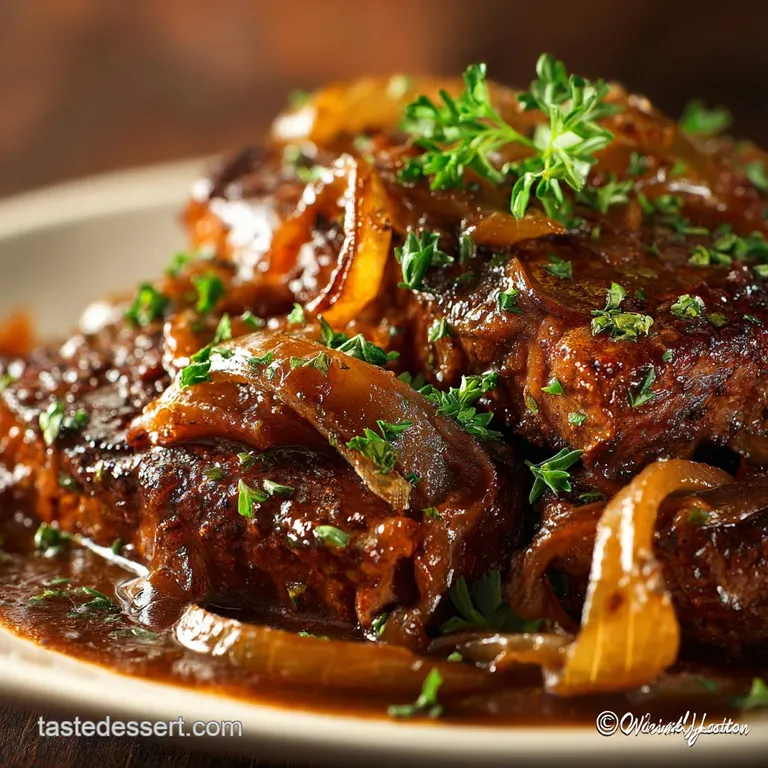
- The Ultimate Southern Smothered Steak: A Sunday Dinner Tradition
- The Science of Tenderness: Why This Smothering Technique Works
- Essential Ingredients for Classic Southern Smothered Steak
- Step-by-Step: Crafting Your Cast-Iron Smothered Steak
- Chef's Secrets and Common Mistakes to Avoid
- Storage, Reheating, and Making Smothered Steak Ahead
- What to Serve with Southern Smothered Steak
- Recipe FAQs
- 📝 Recipe Card
The Ultimate Southern Smothered Steak: A Sunday Dinner Tradition
Forget complicated techniques and expensive cuts; this is proper, honest-to-goodness Southern comfort food. The aroma alone that deep, savory, slightly sweet scent of caramelized onions and rich gravy will drag every single person in your house right into the kitchen.
We’re aiming for steak that is so meltingly tender, you don't even need a knife.
This recipe is truly a lifesaver because it turns an economical, tougher cut of meat into something luxurious. It’s mostly hands off cooking once the skillet is loaded, making it perfect for those busy Sunday afternoons when you still want a huge, satisfying family meal.
Seriously, anyone can master this classic smothered steak and gravy.
I’m going to walk you through exactly how we build flavor layers, from seasoning the dredge to achieving the perfect, velvety onion gravy using the magic of the cast iron skillet. This is the real deal, Southern Smothered Steak, ready to claim its permanent spot in your weekly rotation. Let’s crack on!
The Science of Tenderness: Why This Smothering Technique Works
What Makes Smothered Steak Truly Southern Soul Food?
The term "smothered" isn't just descriptive; it’s the technique that defines this dish. Smothered food, common across the South, means something that is slow cooked completely submerged in a thick, rich sauce or gravy. It's essentially a braise, but with much more love and a deeper, roux based flavor.
Economical Cuts, Luxurious Flavor: The History of Smothering
Smothering developed out of necessity, transforming cheaper, tougher cuts of meat that are packed with connective tissue into fall apart feasts. When you cook this cut low and slow in liquid for over an hour, the collagen breaks down into gelatin.
That gelatin is what gives the steak its incredibly fork tender texture and adds body to our gravy.
Building the Flavor Base: Mastering the Cast Iron Fond
The first critical step is searing the dredged steak hard and fast in batches. We aren’t trying to cook the steaks through yet, we are simply aiming for massive flavor creation.
Those browned, crusty bits left stuck to the bottom of your skillet (we call that the fond ) are the backbone of the gravy. Never scrape those bits out! They are pure flavor gold.
Achieving Velvety Texture: The Key to a Robust Roux
The secret to a thick, lump free, deeply flavorful gravy is the roux fat and flour cooked together. When we deglaze the pan and then stir the roux into the caramelized onions, we capture all that flavor.
The brief cooking time eliminates that awful raw flour taste and ensures your final gravy is velvety smooth, not pasty.
Low and Slow: The Secret to Fork Tender Results
Once the steaks are returned to the skillet, the temperature must drop significantly. We need a very gentle, lazy simmer. If the pot boils too aggressively, the moisture evaporates too quickly and the meat dries out, making it tough. A gentle simmer ensures the slow conversion of tough fibers into tender deliciousness.
Essential Ingredients for Classic Southern Smothered Steak
This recipe relies on simple pantry staples, but quality matters, especially with your stock. Use a low-sodium stock so you control the final seasoning.
Selecting the Best Cuts and Gravy Components
The ideal meat for authentic Southern Smothered Steak is something that benefits from the long braise. Round steak or cube steak are perfect because they are economical and tenderize beautifully. We want enough liquid to fully submerge those steaks for proper "smothering."
| Ingredient Category | Ingredient | Essential Tip |
|---|---|---|
| Steak Cut | Round or Cube Steak | Pound thin (1/4 inch) before dredging! |
| Gravy Fat | Oil and Butter Combo | Use over high heat oil (canola/veg) but add butter for that incredible flavor. |
| Seasoning | Worcestershire Sauce | Non-negotiable! It adds a critical layer of umami depth. |
Choosing the Right Steaks: Round, Cube, or Chuck Recommendations
Cube steak is already tenderized, but I still recommend giving it a gentle pound to make the pieces uniform. If you use round steak, which is leaner, pounding is crucial to speed up the tenderizing process.
If you can only find a slightly thicker cut like chuck, just extend the simmering time by 20– 30 minutes until it shreds easily.
The Importance of Onion Caramelization for Depth of Flavor
Do not rush the onions! We need them softened and starting to brown, releasing their sugars and soaking up the pan fat. This sweet, savory layer is what makes this gravy complex and unique, separating it from standard brown gravy.
Gravy Liquids: Broth vs. Water and Seasoning Adjustments
Use good quality stock, full stop. Water might work, but it dilutes all the flavor we worked hard to build. I always use low-sodium stock so I can adjust the salt right at the end. That final taste test is everything, especially if you’re pairing this richness with something acidic like my famous collard greens.
Substitution Guide for Flour and Thickening Agents
If you can't use all-purpose flour for the dredge or the roux, you have options.
| Ingredient | Viable Substitute | Notes |
|---|---|---|
| All-Purpose Flour | gluten-free measure for-measure flour blend | Works perfectly for the roux and dredge. |
| Beef Stock | Vegetable stock (with a dash of soy sauce) | It lightens the flavor but is better than plain water. |
| Vegetable Oil | Bacon Grease or Lard | Highly recommended for a traditional, smoky flavor profile! |
step-by-step: Crafting Your Cast Iron Smothered Steak
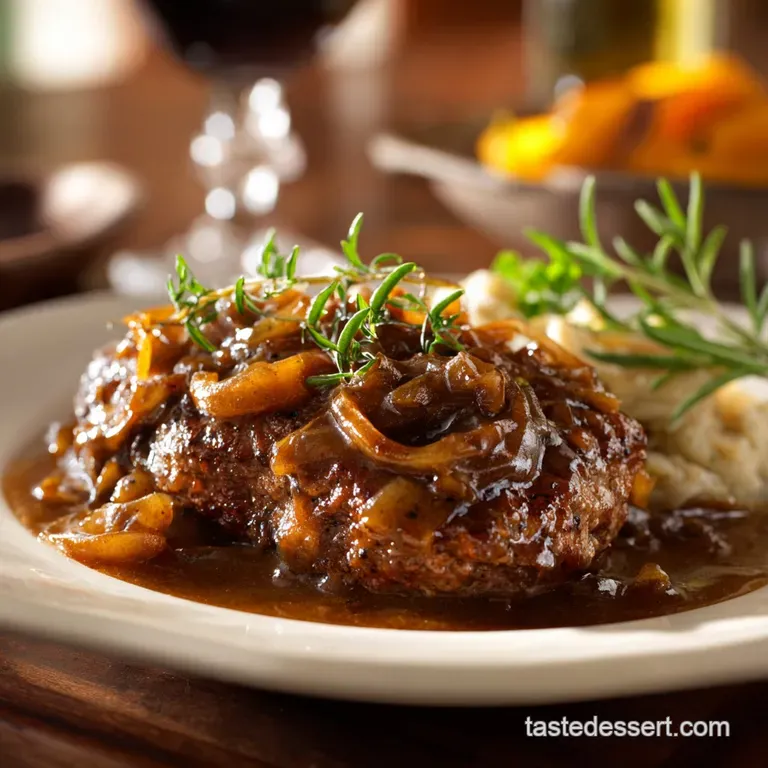
You absolutely need a heavy bottomed pan, preferably cast iron, to maintain heat evenly. This prevents sticking and ensures a fantastic sear.
Preparing and Sealing the Seasoned Steaks
- Prep the Meat: Lay those steak pieces flat and hit them! Use a meat mallet to pound the steaks until they are thin, about 1/4 inch thick. This step is non-negotiable for max tenderness.
- Dredge: Mix your flour, salt, pepper, and paprika in a shallow dish. Thoroughly coat each piece of steak, dusting off any excess flour.
- Sear: Heat the oil and butter over medium high heat until sizzling. Sear the steaks in batches, only 2- 3 minutes per side, until deeply golden brown. Don't crowd the pan! Set the seared steaks aside.
Deglazing the Pan and Building the Rich Onion Gravy Base
- Cook Onions: Reduce the heat to medium. Add your sliced onions to the skillet. Cook for 8- 10 minutes, stirring, until they soften and start sticking slightly, scraping up the precious fond from the bottom.
- Roux Time: Stir in the minced garlic for 1 minute until fragrant. Sprinkle the 1/4 cup of flour over the onions and stir constantly for 2- 3 minutes. This cooks the raw flour taste out and creates our roux.
- Liquify: Slowly, slowly pour the warm stock into the skillet, whisking constantly to prevent any dreaded lumps. Stir in the Worcestershire, thyme, and bay leaf.
Chef's Note: Using warm or hot stock instead of cold stock dramatically decreases the chance of forming lumps when incorporating it into the roux. It's a game changer!
The Critical Smothering Phase: Ensuring Steaks Are Submerged
Gently nestle the seared steaks back into the gravy, making sure they are mostly covered. Bring the liquid to a light simmer, then immediately drop the heat to the lowest setting possible. Cover the skillet tightly.
Monitoring Consistency and Checking for Doneness
Let the steaks simmer for 70 to 90 minutes . You are looking for those tough connective tissues to completely surrender. The steaks are done when they are easily pulled apart with a fork, and the gravy has reduced and thickened beautifully.
If the gravy looks too thick, stir in a splash of water or stock.
Chef's Secrets and Common Mistakes to Avoid
Troubleshooting: How to Rescue Steaks That Are Too Tough
If you hit the 90 minute mark and the steak is still tough, you made one of two mistakes: either you didn't pound it thin enough, or the heat was too high during the simmer. The fix? Add a little more liquid, cover, and keep simmering on the lowest possible heat for another 20 minutes.
Patience is mandatory here.
Getting the Gravy Right: Avoiding Lumps and Separating Fat
Lumps are usually caused by adding cold liquid to the hot roux too fast, or not cooking the roux long enough. If you get lumps, pull the steaks out and aggressively whisk the gravy until smooth. If your gravy looks greasy and separated, it means the simmering was too vigorous.
Next time, try cooking it lower and slower, or skim the excess fat off the top just before serving.
The Role of Acidity in Balancing Richness
Southern food is rich, which means it requires a counterpoint. That Worcestershire sauce is essential, but if the gravy still feels heavy after resting, a tiny splash of apple cider vinegar or even a squeeze of lemon juice at the end can brighten everything up immensely.
This is one of those small secrets I learned the hard way a tiny touch of acid makes a huge difference.
Storage, Reheating, and Making Smothered Steak Ahead
Best Practices for Refrigerating Leftovers
Smothered Steak actually tastes better the next day! Once cooled completely, store the steak and gravy together in an airtight container in the fridge for up to 3 days. The gravy will thicken significantly as it chills.
Freezing the Meal: Whole or Separated Gravy?
Yes, it freezes well! You can freeze the entire dish, gravy and all. Transfer the cooled mixture to a heavy duty freezer bag or a freezer safe container, squeezing out all the air. It will keep for up to 3 months. When ready to reheat, thaw overnight in the fridge.
Classic Starch Pairings (Grits and Mashed Potatoes)
To reheat, the key is low and slow. Transfer the mixture to a pot on the stovetop and heat over medium low, stirring occasionally, until heated through. If it’s too thick, add a tablespoon of water or stock to loosen it up. Do not microwave unless you want rubbery steak.
What to Serve with Southern Smothered Steak
This glorious, rich, comforting dish demands a simple backdrop to soak up that gravy. You need something starchy and something green.
Classic creamy mashed potatoes are non-negotiable for maximum gravy delivery. If I’m making this for a big family holiday, I also pull out my famous recipe for Southern Pecan Pie Recipe: Best Classic with No Soggy Bottom for dessert the perfect end to a proper Southern feast.
If you’re looking for a dramatically faster steak dinner, maybe one that doesn't require two hours of simmering, you should check out my Marinated Grilled Flank Steak: Easy Citrus Herb Marinade Recipe . But honestly, nothing beats this smothered steak for pure, enveloping comfort. Just don't forget the cornbread!
Recipe FAQs
Why is my Southern Smothered Steak still tough after simmering?
Toughness usually indicates the steak has not simmered for a long enough duration. Economical cuts like round steak require patience, needing at least 1.5 to 2 hours of gentle simmering in the gravy for the connective tissues to fully break down.
Ensure the heat is kept low enough so the gravy maintains a gentle bubble, not a rapid boil.
My onion gravy turned out too thin. How can I fix the consistency?
If the gravy lacks body, create a quick slurry by mixing one tablespoon of cornstarch with two tablespoons of cold water, then whisk it into the simmering gravy. Alternatively, you can remove the steak temporarily and allow the gravy to simmer uncovered for an extra 30 minutes to naturally reduce and concentrate its flavor and thickness.
Can I use a different cut of beef besides round steak or cube steak?
Yes, while Round Steak (Bottom or Top) is traditional, you can substitute it with Chuck Steak, Sirloin Tip, or even thick cut pork chops for a variation. Remember that tougher, leaner cuts require the full smothering time, whereas a cut like cube steak will tenderize much faster.
Is it possible to freeze the leftovers of Smothered Steak and Gravy?
Absolutely, Southern Smothered Steak is an excellent dish for freezing and meal prepping. Allow the steak and gravy to cool completely before transferring them together into an airtight, freezer safe container. It should last well for up to three months and is best reheated slowly on the stovetop.
Why did my gravy separate or look greasy after cooking?
Gravy typically turns greasy if the heat is too high, causing the fat to separate from the liquid, or if the initial roux had too much oil compared to the flour. To fix it, you can skim the excess fat gently from the surface using a shallow spoon.
If the separation is minor, sometimes whisking in a small splash of cold beef broth can help re-emulsify the sauce.
Can I make this dish without using a traditional flour roux for thickening?
Yes, you can substitute the roux by thickening the gravy with a cornstarch slurry at the end of the cooking process. Mix equal parts cornstarch and cold water and slowly whisk it into the boiling gravy until thickened.
You can also use gluten-free flours, though they may require slightly more cooking time to ensure they don't taste starchy.
What are the best side dishes to serve with Southern Smothered Steak?
The rich gravy is perfect for soaking up starches, making creamy mashed potatoes or rice ideal companions. For vegetables, classic Southern sides like sautéed collard greens, green beans, or sweet corn will balance the richness of the beef. Don't forget a side of cornbread to wipe the plate clean!
Southern Smothered Steak And Gravy Recipe
Ingredients:
Instructions:
Nutrition Facts:
| Calories | 450 kcal |
|---|---|
| Protein | 9.4 g |
| Fat | 13.5 g |
| Carbs | 75.4 g |
