Southern Sweet Potato Casserole the Creamiest Base with a Praline Pecan Crust
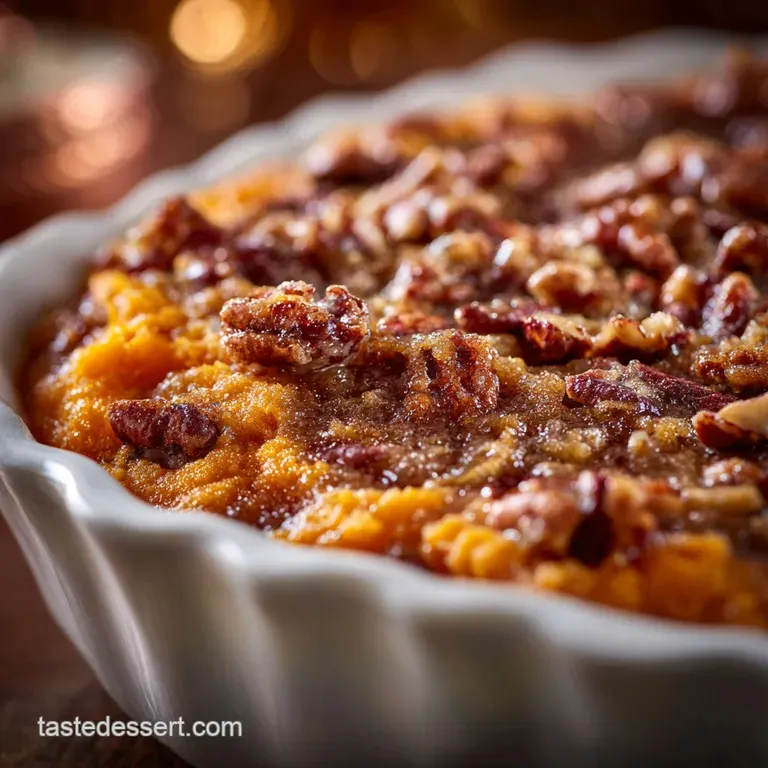
- The Essential Guide to Southern Sweet Potato Casserole
- Stocking Your Pantry: Ingredients for the Perfect Casserole
- Prep Work: Necessary Kitchen Gear and Techniques
- Phase One: Creating the Creamy Southern Sweet Potato Casserole Filling
- Phase Two: Assembling and Baking to Golden Perfection
- Mastering the Details: Make and Ahead, Storage, and Reheating
- Recipe Adaptations for Dietary Needs and Flavor Shifts
- Recipe FAQs
- 📝 Recipe Card
The Essential Guide to Southern Sweet Potato Casserole
Okay, friend, if you're looking for the Southern Sweet Potato Casserole that people actually fight over at Thanksgiving, you've come to the right place. We are skipping the watery, under and seasoned, vaguely orange mush of the past.
We are going straight for richness, depth of flavor, and, most importantly, crunch . This dish is deceptively simple, but the difference between "meh" and "OMG" hinges entirely on a few small decisions. Are you ready to upgrade your holiday game? Good.
The Magic of Roasting: Unlocking Natural Sweetness
Listen up: if you’re still boiling your sweet potatoes, we need to have a little chat. Boiling is the number one culprit behind a soupy, bland casserole. Why? Because potatoes are sponges. When you boil them, they absorb water, and when they absorb water, they refuse to set up nicely during baking.
They taste less like sweet potatoes and more like... wet starch. The answer is roasting. When you roast the sweet potatoes whole, with the skin still on, their natural sugars caramelize beautifully inside the skin. It deepens the flavor profile from merely sweet to something richer, almost malty.
Seriously, this one step changes everything.
Defining Decadence: Why the Pecan Praline Topping Wins
I know, I know. Some people are purists and insist on marshmallows. And yes, a burnt marshmallow top is fun, but does it really offer a satisfying textural contrast? Nah. It just adds another layer of gooey sweetness. The pecan praline topping? That’s where the grown and up decadence lives.
It’s buttery, crunchy, slightly salty, and stays crisp right up until the last spoonful. We use cold butter cut into the dry ingredients so that when it bakes, you get proper crumbs, not a soft, doughy lid. Trust me, once you go pecan praline, you won’t look back at the marshmallows.
The Southern Secret to a Smooth, Creamy Base
So, we’ve roasted the spuds for flavor, but how do we achieve that melt and in-your and mouth creamy base that still holds its shape when you scoop it? The secret is twofold: first, we use both granulated and brown sugar for a deeper molasses note.
Second, we use evaporated milk or heavy cream instead of regular whole milk. That extra fat content binds everything gorgeously with the eggs, ensuring an incredibly creamy texture without being heavy.
Also, if you absolutely must boil your potatoes, please, please drain them immediately and let them steam dry for five minutes before mashing. Don’t skip that part.
Stocking Your Pantry: Ingredients for the Perfect Casserole
When you're making a dish this simple, the quality of the ingredients matters. Don't skimp on the butter or the vanilla.
- Sweet Potatoes: Look for ones that feel heavy for their size. I aim for about two pounds of raw potatoes, which yields plenty for a standard 9x13 dish.
- Butter: Unsalted is the way to go. You want control over the salt. We need some melted for the filling and some cold from the fridge for the topping.
- The Spice Rack: Cinnamon and nutmeg are essential for that warming holiday feel. A pinch of salt is crucial, too. It balances the overwhelming sweetness, making the dish actually taste complex instead of just sugary.
- Milk: If you’re going for ultra richness, grab a can of evaporated milk. It just adds a density that whole milk can’t match.
- Pecans: Get whole or halves, not pre and chopped. Give them a rough chop yourself. This prevents tiny dust and like pieces and guarantees those big, satisfying pecan crunch moments in the topping.
Prep Work: Necessary Kitchen Gear and Techniques
Selecting the Starches: Yams vs. Sweet Potatoes
This is a common source of confusion, especially here in the US. When a Southern Sweet Potato Casserole recipe calls for sweet potatoes, we are talking about the variety with the bright orange flesh (like Beauregard or Garnet).
In many grocery stores, these might be confusingly labeled as "yams." True yams are a starchy root vegetable with white flesh and rough, bark and like skin. Make sure you get the orange ones! They contain the high sugar levels needed for this casserole.
Crafting the Crunch: Pecan Praline Topping Essentials
The success of the topping depends on temperature. The butter must be cold. If it’s soft, it will melt into the flour mixture instantly and you'll end up with a paste. We want sandy, coarse crumbs that will crisp up separately from the creamy base.
- Chill the butter right up until you need it. Cut it into tiny ½ inch cubes.
- Use your fingers to rub the butter into the flour and brown sugar. Work quickly so the butter doesn't warm up too much.
- Stop mixing when the largest pieces of butter are about the size of small peas.
- Use chopped pecans, not whole. They distribute better across the surface.
The Dairy Difference: Making the Filling Extra Rich
I mentioned evaporated milk already, but let's dive into why. Since we've roasted the potatoes to remove excess water, the milk we add needs to be pure richness. Evaporated milk is condensed and has a slightly caramelized flavor due to the canning process, which just boosts the overall holiday feel.
Heavy cream is a close second. If you use standard whole milk, just make sure you pull it out of the fridge a bit ahead of time so it doesn't seize the melted butter when you mix.
Must and Have Tools for Blending and Baking
You don't need a stand mixer here. In fact, a stand mixer can overwork the potatoes and make them gummy.
- Potato Masher: The traditional tool is often the best. It leaves a little texture, which I like.
- Hand Mixer (Optional): If you want a perfectly smooth, velvet and like base, a hand mixer (or even a food processor, used briefly!) works wonders. Just don't run it too long or you’ll release too much starch.
- 9x13 Casserole Dish: This size allows the casserole to bake evenly and ensures the topping is distributed perfectly.
Prepping the Potatoes for Optimal Texture
If you choose to roast (which you should), simply scrub the potatoes and pierce them several times with a fork or knife. Don't peel them yet! The skin protects the flavor and keeps the moisture in check while they bake. Once they are fork and tender, you let them cool just long enough to handle.
Then slice them open and scoop out the flesh.
Related Recipes Worth Trying
- Sweet Potato Casserole The Ultimate Brown Butter Pecan Streusel Recipe — Sweet Potato Casserole just got an upgrade This Best Sweet Potato Casserole recipe uses nutty brown butter and a crunchy pecan streusel topping for Thanksgiving
- Green Bean Casserole The Ultimate Scratch Recipe with Fresh Beans — Green Bean Casserole gets a scratchmade glowup Skip the can This homemade green bean casserole recipe features fresh beans a silky mushroom sauce and crispy...
- Sweet Potato Cranberry Gratin Creamy Holiday Gratin Recipe — Sweet Potato Cranberry Gratin elevates your holiday table with creamy custard tart cranberries and a pecan crunch A gourmet Thanksgiving side dish that...
Phase One: Creating the Creamy Southern Sweet Potato Casserole Filling
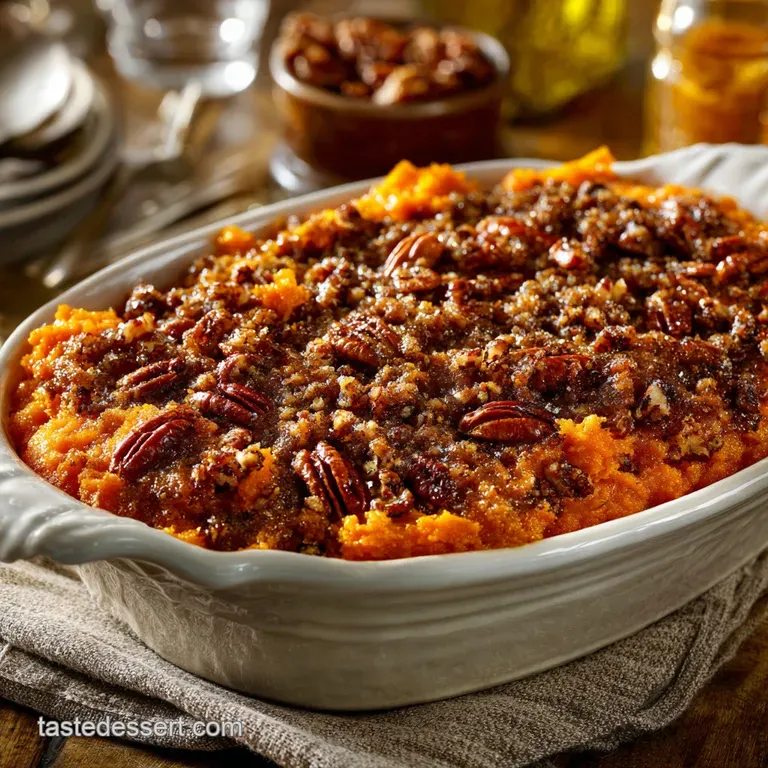
Right then, you’ve got your beautifully roasted, slightly cooled sweet potato flesh ready to go. Dump it into your largest mixing bowl. If you used a hand mixer, start beating it until it’s smooth.
Next, whisk in your melted butter. It needs to be fully incorporated before you add the eggs, otherwise, you might end up cooking the eggs when they hit the hot potato mixture (scrambled eggs in sweet potato? No thanks).
Once the butter is blended, add the slightly beaten eggs, the milk (or evaporated milk), and the vanilla. Mix this until it’s homogeneous.
Finally, introduce the sugars, salt, cinnamon, and nutmeg. Give it a good, enthusiastic stir. The final filling should be thick enough to hold its own shape on a spoon, but still easily spreadable.
Phase Two: Assembling and Baking to Golden Perfection
Roasting and Mashing the Potatoes for the Base
If your potatoes were roasted, they should be naturally sweeter and less messy. Scrape every bit of that caramelized goodness into the bowl. Mash it thoroughly. I sometimes take a spatula and press the mash against the side of the bowl to ensure there are no annoying hidden lumps.
Lumpy sweet potato casserole is an instant party foul.
Blending the Wet Ingredients for Ideal Consistency
As you blend the melted butter, eggs, and dairy, think of it as creating a custard binder for the potato starch. It should loosen the mash just slightly, making it pliable and easy to spread into the dish. If it looks too thick, add one extra tablespoon of milk at a time until it's just right.
Seasoning and Taste Testing Before Baking
This is where you earn your stripes. Before that filling goes into the oven, taste it! Is it too sweet? Add a tiny extra pinch of salt. Does it need more warmth? Another dash of cinnamon or nutmeg won’t hurt.
Because the sweet potato casserole filling uses raw egg, just taste a small spoonful (don’t eat the whole bowl!). Adjust now, or forever hold your peace.
The Quick Prep for the Praline Crumble Topping
Remember the cold butter rule? Good. Once you've rubbed the flour, brown sugar, and chilled butter together into perfect crumbles, fold in your pecans. Be gentle here. You don’t want to smash the pecan pieces.
CRITICAL WARNING: Do not make the topping too far in advance. If the topping sits at room temperature for hours, the moisture from the air and the sugar will start to make the flour heavy and soft. Mix the topping right when the filling goes into the casserole dish.
Layering the Casserole Dish for Presentation
Use a rubber spatula to smooth the filling evenly into your greased 9x13 dish. You want a flat surface so that the topping doesn't sink in spots. Then, generously sprinkle the praline crumble evenly across the top, ensuring every corner is covered. It's the crown jewel of this dish.
Achieving the Perfect Bake and Resting Time
Bake this beauty at 400°F (200°C) for about 25 to 30 minutes. You’re looking for a top that is deeply golden brown and crunchy, and a filling that puffs up slightly around the edges.
If the topping starts to get too dark (sometimes the pecans go fast), just loosely tent a piece of foil over the dish. When it comes out of the oven, do not cut into it immediately. Seriously, stop. Let it sit on the counter for 15 minutes.
That resting period allows the egg binder to fully set, ensuring that when you serve it, the scoops are clean and the filling is firmly creamy, not messy.
Mastering the Details: Make and Ahead, Storage, and Reheating
Storing Leftovers and Safe Reheating Methods
If you somehow manage to have leftovers (a rare miracle), cover the casserole tightly once it’s fully cooled and refrigerate for up to four days. To reheat, the microwave works, but it will make the topping soft.
For true excellence, scoop out the portion, put it on an oven and safe plate, and place it in the oven at 350°F (175°C) for about 10 minutes until warmed through and the topping is crisp again.
Prep Day Strategy: Making the Filling 24 Hours Ahead
This is essential for holiday sanity. You can absolutely prep the entire sweet potato base roast the potatoes, mix the filling ingredients and store it tightly covered in the refrigerator for up to 24 hours. Just let it come close to room temperature before baking.
However, you MUST make the praline topping fresh right before baking. If you put the topping on the cold filling and leave it overnight, it will get soggy.
Troubleshooting: Why Your Casserole Might Be Watery
If your casserole came out soupy, odds are high that you either:
- Boiled the potatoes instead of roasting them, or didn't drain them sufficiently afterwards.
- Added too much milk or not enough egg binder relative to the potato mass.
- Didn't allow it to rest after baking, meaning the liquid binder hadn't finished setting.
Switching the Topping: The Classic Marshmallow Option
Look, if your Aunt Betty insists on the marshmallows, we can compromise. Instead of the praline topping, make the base exactly as written. Bake the casserole for 20 minutes first.
Then, pull it out, cover the top with large or mini marshmallows, and return it to the oven for the final 5– 7 minutes, just until the marshmallows are golden and toasted. But, just between us, the praline is still the best.
Recipe Adaptations for Dietary Needs and Flavor Shifts
Storing Leftovers and Safe Reheating Methods
| Adjustment | Change Required | Notes |
|---|---|---|
| Dairy and Free | Swap butter for vegan baking sticks (like Miyoko’s or Earth Balance) and use oat milk or full and fat coconut milk (not canned cream). | Vegan butter is crucial for the topping’s texture. |
| Gluten and Free | Use a 1:1 gluten and free flour blend for the pecan topping. | Ensure your mix contains xanthan gum for structure. |
| Lower Sugar | Halve the granulated sugar in the filling, relying more on the natural sweetness of the roasted potato and the brown sugar. | Don't cut sugar entirely; it's needed for texture and caramelization. |
A Quick Nutritional Breakdown of This Holiday Side Dish
Let’s be honest, this is a holiday indulgence. It's rich, buttery, and packed with both good things (fiber and vitamins from the sweet potatoes) and celebratory things (butter and sugar). This dish is calorie dense, but that’s okay! It’s meant to be savored alongside savory mains.
It provides fantastic complex carbohydrates and healthy fats from the pecans, so enjoy every single bite without guilt. You earned it.
Recipe FAQs
I'm cooking for a proper crowd this Christmas; can I make the Southern Sweet Potato Casserole ahead of time?
Yes, you absolutely can! Assemble the sweet potato base mixture entirely and refrigerate it for up to 24 hours, but critically, keep the praline topping separate and only sprinkle it on just before the casserole goes into the oven to guarantee maximum crunch.
My topping went soft and chewy last time. What’s the secret to keeping that perfect praline crunch?
Right, the trick is using cold, cubed butter in your praline mixture and cutting it into the flour/sugar until you have coarse crumbs; this prevents the butter from melting too quickly, allowing those lovely pockets to crisp up properly during the bake.
Is it really worth the fuss to roast the sweet potatoes instead of just boiling them?
Absolutely! Roasting caramelises the natural sugars, giving the casserole base a deeper, richer flavour and, crucially, prevents the potatoes from becoming waterlogged, which can lead to a soggy final texture.
I need a dairy-free version are there easy swaps for the butter and milk?
Certainly, you can use a high-quality, plant based vegan butter stick (often found alongside regular butter) and swap the milk for unsweetened plant based alternatives like almond or cashew milk with no flavour compromise.
How long will the leftovers last, and what’s the best way to reheat this side dish?
Store any remaining casserole tightly covered in the refrigerator for 3 to 4 days, then reheat individual servings gently in the microwave or briefly in a low oven (150°C/300°F) to help restore a bit of the topping’s structure and crunch.
Southern Sweet Potato Casserole With Pecans
Ingredients:
Instructions:
Nutrition Facts:
| Calories | 450 kcal |
|---|---|
| Fat | 20 g |
| Fiber | 4 g |
