Peanut Noodles with Chicken: Sticky, Creamy, 30-Minute Dinner

- Unlocking the Ultimate Weeknight Dinner: Peanut Noodles With Chicken
- Ingredients You Need for Peanut Noodles With Chicken
- How to Make Perfect Satay-Style Peanut Noodles With Chicken: Step-by-Step Guide
- Troubleshooting and Expert Tips for Next-Level Peanut Noodle Mastery
- Storage Solutions: Keeping Your Leftover Peanut Noodles Fresh
- What to Serve With Peanut Noodles and Chicken: Perfect Pairings
- Recipe FAQs
- 📝 Recipe Card
Unlocking the Ultimate Weeknight Dinner: Peanut Noodles With Chicken
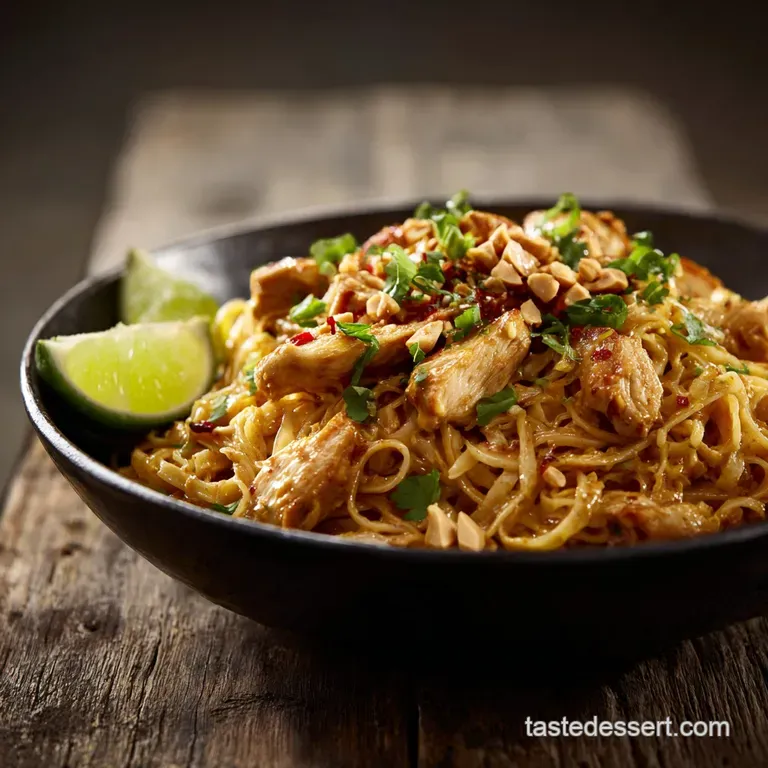
That smell, right? When the soy sauce hits the wok and mingles with the creamy peanut butter and toasted sesame oil? Pure comfort, honestly. The texture is absolutely key here, too; we need a sauce sticky enough to cling to every single noodle strand but never, ever gloppy.
Look, we all have those chaotic nights where ordering takeout seems like the only option left. Don't do it! This recipe for Peanut Noodles With Chicken is a total lifesaver and a far better Idee Pasto Sano (healthy meal idea) than delivery.
It’s genuinely faster than figuring out your payment details on UberEats, and it’s dirt cheap besides. (: Speedy Peanut Noodles)
I’ve spent years trying to nail that elusive, restaurant quality coating without drying out the protein. This method fixes the common problems and delivers perfect, juicy, satay style chicken every single time.
Ready to ditch the delivery menu for good and master these irresistible Asian Dishes ? Let’s crack on.
The 30 Minute Flavour Accelerator: Why Speed Doesn't Mean Compromise
The secret to keeping this dish fast and flavourful is twofold. First, we use a technique called velveting on the chicken. By tossing the thin slices of chicken breast or thighs with a tiny bit of cornflour, we create a protective barrier.
That cornflour locks the moisture inside, ensuring the chicken stays tender even when seared at high heat.
The second trick, and trust me on this one, involves the noodle water. Most people drain the noodles and forget the beautiful, starchy liquid left behind. That starchy liquid is pure gold. It helps emulsify the fat in the peanut butter and sesame oil, preventing your sauce from separating or becoming grainy.
Defining the Satay Style Sauce: Creamy, Tangy, and Spicy Notes
A great satay sauce needs balance. We want creamy texture from the peanut butter, obviously, but without enough acid, it just tastes heavy and dull. We hit it hard with fresh lime juice and rice vinegar to bring the necessary tang.
Sweetness comes from honey or maple syrup, balancing the saltiness of the soy sauce. Don't be afraid to adjust the red pepper flakes. That small kick of heat really wakes up the flavour profile! This results in the perfect dressing for our Peanut Noodles With Chicken .
Is This Dish Best Served Warm or Cold? (Addressing Common Preferences)
I prefer these peanut noodles served warm, straight out of the wok, where the sauce is at its silkiest and the chicken is piping hot. The heat really brings out the aroma of the ginger and garlic. However, this is one of those magic dishes that also holds up beautifully when cold.
If you are packing this for lunch, or prepping for a picnic, simply let it cool to room temperature before refrigerating. The sauce will thicken significantly as it chills, creating a wonderful, chewy texture perfect for a refreshing cold noodle salad.
Ingredients You Need for Peanut Noodles With Chicken
Keeping the pantry stocked with these Asian staples means you can whip up dinner at a moment's notice. Always go for smooth, natural peanut butter that doesn't have a ton of added sugar or stabilizers, okay? That cheap, oily stuff just won't emulsify properly!
Main Ingredients Notes
I use chicken breast because it cooks lightning fast, making this a true 30 minute meal. But Peanut Noodles With Chicken Thighs are arguably more forgiving if you're worried about overcooking. Thighs stay juicy even if you forget about them for a minute!
For the noodles, linguine is my go-to because it’s easy to find and holds the sauce perfectly. Lo Mein or Pad Thai noodles also work wonderfully if you happen to have them. I always make sure I have fresh ginger and garlic on hand.
Chef’s Note: The cornflour in the chicken marinade is non-negotiable. It creates that silky texture and ensures the chicken stays incredibly moist.
Easy Substitutions and Swaps
Life happens, and sometimes you’re missing an ingredient! Don't panic. Here are some quick fixes, especially if you're tackling Weight Watchers Meals and need swaps.
| Ingredient Missing | Use This Instead |
|---|---|
| Rice Vinegar | Apple cider vinegar (use 10% less) or white wine vinegar. |
| Peanut Butter | Cashew butter or Tahini (if using Tahini, you might need extra sweetener). |
| Honey/Maple Syrup | Brown sugar or Agave syrup. |
| Linguine | Use spaghetti, ramen noodles, or even thicker rice vermicelli. |
| Toasted Sesame Oil | Walnut oil (just a dash, as it’s potent) or skip entirely; the flavor profile changes but the texture holds. |
Essential Equipment
You only need two main things for this recipe, seriously. A deep stockpot for boiling the pasta and a large, wide wok or a high sided skillet for the stir fry. High sides are important because you’re going to be tossing vigorously later! A simple whisk is needed for the sauce, too.
How to Make Perfect Satay Style Peanut Noodles With Chicken: step-by-step Guide
Step 1: Whisking the No-Cook Peanut Sauce
Grab a medium bowl and whisk together your peanut butter, both types of soy sauce, rice vinegar, lime juice, ginger, garlic, honey, and sesame oil. It will look like a thick paste at first. Then, gradually pour in the hot water while whisking continuously.
We want a smooth, creamy consistency like melted ice cream. Taste it now! Adjust the lime, honey, or chili flakes before it goes in the wok.
Step 2: Pan-Searing the Marinated Chicken Slices
Heat your oil in the wok until it’s shimmering hot. High heat is mandatory! Add your marinated chicken strips, making sure not to overcrowd the pan. If you put too many in, the temperature drops and the chicken will steam instead of sear.
Cook in batches, stirring often, for about 3– 5 minutes until nicely golden brown and cooked through. Remove the chicken to a clean plate and set it aside; don't wipe out the pan.
Step 3: Cooking the Noodles to Al Dente Perfection
While the chicken is resting, get those noodles boiling according to the package directions. You want them cooked until they still have a tiny bit of bite left (al dente). This is super important: Right before you drain them, scoop out at least 1 cup of that cloudy, starchy cooking water.
Reserve it! Then, drain your noodles immediately and toss them lightly with a tiny dash of oil to keep them from sticking.
Step 4: Combining and Coating: The Final Toss Technique
Reduce the heat under your wok to medium low. Add the white parts of the spring onions and sauté for about 30 seconds to release their flavour. Now pour in your entire batch of peanut sauce. Stir it constantly until it starts to bubble slightly.
If it looks too thick which it almost certainly will start whisking in the reserved starchy noodle water, one tablespoon at a time, until the sauce looks silky and easily coats the back of a spoon. Add the cooked noodles and the seared chicken back into the pan.
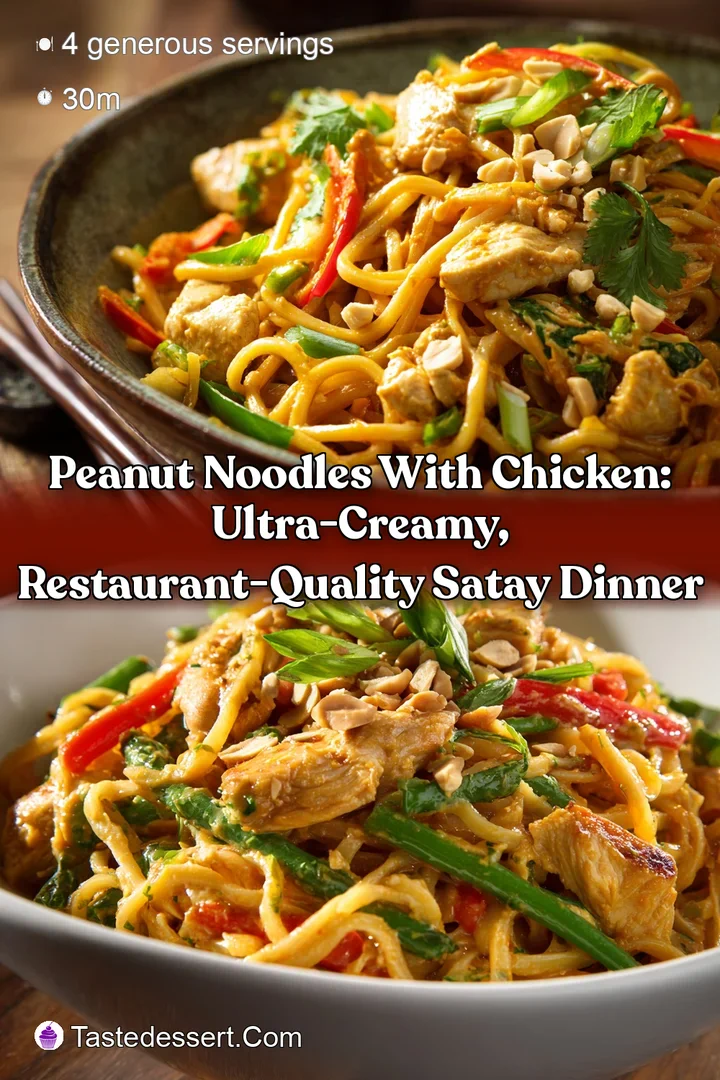
Toss quickly and vigorously using tongs until everything is coated gorgeously. Serve immediately, garnished with chopped peanuts and coriander.
Troubleshooting and Expert Tips for Next Level Peanut Noodle Mastery
The #1 Mistake: Overcooking the Noodles (And How to Fix It)
Soggy noodles are a total tragedy here; they can’t absorb the sauce properly and they become mushy. The fix is simple: start checking the noodles two minutes before the package suggests they are ready. Drain them slightly underdone, knowing they will continue to cook a tiny bit when they hit the hot sauce in the wok. If you love quick, fresh sides, try pairing this rich dish with something lighter, like my Lemon Asparagus Couscous Salad with Tomatoes: Zesty Summer Side Dish .
Thinning a Sauce That’s Too Thick or Oily
Sometimes, especially if you use a less natural peanut butter, the sauce can look a bit split or too thick once heated. This is precisely why we saved that water! The starch acts as an emulsifier. Whisk in a tablespoon or two of the reserved noodle water.
It will instantly bring the sauce together and create that beautiful, smooth finish we're looking for.
Maximizing Chicken Sear Without Drying It Out
The key here is two-fold: slice the chicken thinly, against the grain, and use high heat. If you crowd the pan, the temperature drops, and the chicken releases water, resulting in a tough, steamed texture instead of a sear. Cook in two batches if necessary.
It only takes an extra minute and makes a huge difference to the quality of your finished dish.
Storage Solutions: Keeping Your Leftover Peanut Noodles Fresh
Best Practices for Refrigerating Sauced Noodles
These Satay Chicken Noodles store remarkably well! Let them cool completely I mean completely before transferring them to an airtight container. They will last safely in the fridge for up to 3 4 days.
Be aware that the noodles will absorb a lot of the sauce as they sit, so the leftovers will be drier and the sauce much thicker than when fresh.
The Freezing Verdict: Can I Freeze the Chicken and Sauce Separately?
I strongly advise against freezing the fully assembled dish, as frozen and thawed noodles often break down and turn mushy. However, the peanut sauce freezes beautifully! Pour it into an airtight container or zip-top bag and freeze for up to 3 months.
Thaw it overnight in the fridge and give it a vigorous whisk, adding a tiny splash of hot water if needed to restore the consistency.
Reheating Without Losing Texture or Flavour
The best way to reheat your peanut noodles is on the stovetop. Put the leftovers in a skillet over medium low heat. Add 1 2 tablespoons of water or chicken stock and stir gently until heated through. The added liquid helps loosen that now-thickened sauce and restores some of the silkiness.
Avoid the microwave if possible, as it can dry out the chicken.
What to Serve With Peanut Noodles and Chicken: Perfect Pairings
Because this dish is rich, savory, and satisfying on its own, I like to pair it with something fresh and crisp to cut the richness. A simple side of blanched green beans or quick sautéed bok choy works wonders.
If you are looking for other fast, Asian Dishes but prefer a low-carb alternative for dinner, you might love my Healthy Asian Chicken Lettuce Wraps Quick, Low-Carb Ready in 25 Mins . They use a lot of the same pantry staples! Otherwise, garnish the noodles heavily with fresh cilantro, a mountain of crunchy chopped peanuts, and extra lime wedges. It makes all the difference.
Recipe FAQs
Why did my peanut sauce seize up or become too thick when I mixed it with the hot noodles?
This usually happens if the sauce was too cold or if the noodles were insufficiently drained, causing rapid cooling. To fix this, always reserve about half a cup of the hot pasta water before draining the noodles; whisk in 1 to 2 tablespoons of this starchy water until the sauce returns to your desired velvety consistency.
A splash of hot chicken broth also works perfectly if you forgot to save the noodle water.
Can I prepare the peanut sauce ahead of time?
Absolutely. The sauce can be made up to 3 days in advance and stored in an airtight container in the refrigerator. Because the sauce contains fats, it will thicken considerably when chilled. Before serving, let it come to room temperature and whisk in a splash of warm water or lime juice to restore its smooth texture.
How can I make this dish suitable for vegetarians or vegans?
To make this dish vegan, substitute the chicken with firm pressed tofu or edamame, ensuring the tofu is pan-fried until crispy. Crucially, replace the fish sauce in the peanut dressing with an equal amount of tamari or a high-quality vegetarian oyster sauce replacement.
Consider adding a small dash of white miso paste for an extra layer of savory depth.
My chicken turned out dry even though I marinated it. What is the key to keeping it tender?
The primary issue is often overcrowding the pan or overcooking the thin slices. Ensure you cook the chicken in batches over high heat so the pieces brown quickly without steaming, which keeps the interior juicy.
Remove the chicken from the heat immediately once the pieces are just opaque throughout, around 3-4 minutes total cooking time.
What types of noodles work best for this recipe?
Flat noodles with a good surface area work best for coating with the thick sauce; ramen noodles, lingual fettuccine, or even wide rice noodles are excellent choices. Avoid extremely thin vermicelli noodles, as they tend to clump easily when mixed with a rich sauce.
Always cook your chosen noodles al dente according to package instructions.
I don't have Sriracha. What can I use to adjust the heat level?
Sriracha primarily adds moderate heat alongside noticeable sweetness; a suitable replacement is chili garlic paste (sambal oelek), which offers a similar heat profile but is less sweet, so you may need a pinch of added sugar.
For a smokier heat, use a few drops of high-quality toasted chili oil, being mindful that its potency varies greatly between brands.
What is the best way to store leftovers, and can I freeze this dish?
Store leftovers in an airtight container in the refrigerator for up to 3 days; the noodles are best eaten cold or slightly warmed, as reheating the dish can dry out the chicken. Freezing the assembled dish is not recommended because the noodles will become mushy and the emulsion in the peanut sauce will often separate upon thawing.
Speedy Peanut Noodles With Chicken
Ingredients:
Instructions:
Nutrition Facts:
| Calories | 654 kcal |
|---|---|
| Protein | 27.0 g |
| Fat | 20.6 g |
| Carbs | 90.1 g |
