The Emergency Rations Speedy Vanilla Mug Cake Ready in Under 5 Minutes
- When Only Cake Will Satisfy: The 5-Minute Solution
- Why This Speedy Vanilla Mug Cake Is Your Culinary Lifesaver
- Assembling Your Emergency Rations: The Key Components
- Preparing the Vessel: Essential Tools and Measurements
- Mixing and Zapping: The Two-Step Method
- Achieving the Ideal Texture: Microwave Timing Mastery
- Upgrading Your Cake Experience: Next-Level Customizations
- Troubleshooting and Storage Secrets for Mug Cakes
- Recipe FAQs
- 📝 Recipe Card
When Only Cake Will Satisfy: The 5-Minute Solution
We’ve all experienced that sudden, undeniable need for real, comforting cake. Not a cookie, not a bowl of ice cream, but something warm, fluffy, and deeply satisfying. This is precisely when the Vanilla Mug Cake steps in as your culinary hero.
Requiring mere minutes from measuring cup to first bite, this single serving treat bypasses the hassle of preheating an oven, sifting ingredients, or dealing with a monumental cleanup effort.
It is the ultimate spontaneous dessert solution, ensuring you can satisfy those immediate sugar cravings with a moist, delicious piece of cake ready in less time than it takes to brew a cup of tea.
Why This Speedy Vanilla Mug Cake Is Your Culinary Lifesaver
The beauty of this method lies in its efficiency and simplicity. When you need that classic bakery flavor without the commitment of a full baking session, this Vanilla mug cake recipe easy method provides a flawless, consistent result.
It scales down traditional techniques perfectly, giving you a proper vanilla cake structure using minimal ingredients and zero fuss.
The Magic Behind Microwaving Cake Batter
The microwave is traditionally seen as the enemy of fine baking, but for the mug cake, it is the secret weapon. Unlike the slow, even heat of an oven, the microwave generates intense internal heat rapidly.
This causes the liquid components to flash steam and the baking powder to activate almost instantly, forcing a quick, dramatic rise. This mechanism allows a small amount of batter to cook completely through in a fraction of the time, resulting in a perfectly portioned dessert.
Is This Truly the Easiest Dessert You'll Ever Make?
Absolutely. If you can handle a measuring spoon and a fork, you can master this cake. This Simple Cake In A Cup Recipe eliminates complex techniques and relies entirely on balanced ratios. You won't be dealing with egg separation or folding techniques.
Because the batter is mixed and cooked in the same vessel, the active preparation time clocks in at only three minutes. It’s the perfect, low-stakes introduction for anyone learning How To Make Mug Cake successfully.
The Essential Equipment Check (No Oven Needed!)
The equipment list for this recipe is brilliantly short. All you need is a standard coffee mug (ideally 12 14 ounces), a set of accurate measuring spoons, and a simple fork for mixing. That’s it.
There's no need for stand mixers, specialized baking tins, or even a cooling rack, maintaining the spirit of instant gratification.
Decoding the Perfect Vanilla Flavor Profile
Because the ingredient list is so concise, the flavor of this Easy Mug Cake Recipe Vanilla hinges entirely on the quality of your key components. We rely on the combination of mild oil and milk to create richness without adding density, ensuring the cake remains moist and tender.
This neutral base allows the pure flavor of vanilla to dominate, creating a comforting, buttery taste that feels incredibly decadent despite the speed of preparation.
Assembling Your Emergency Rations: The Key Components
This recipe operates on carefully calculated tablespoon and teaspoon measures, making the process almost foolproof. The foundation consists of 4 tablespoons of all-purpose flour providing structure, balanced by 2 ½ tablespoons of granulated sugar for sweetness and necessary moisture retention.
The lift comes entirely from the ¼ teaspoon of baking powder, which is essential for that signature microwave puff. Getting these dry components right is the first step toward a perfect result.
Preparing the Vessel: Essential Tools and Measurements
The key to a successful mug cake is precision in measurement and vessel choice. Even slight variations can throw off the delicate balance needed for microwave cooking.
Pantry Staples for the Classic Vanilla Mug Cake Base
The binding ingredients 3 tablespoons of whole milk and 1 tablespoon of neutral oil (like sunflower or vegetable) are crucial for producing a tender crumb. Unlike recipes relying on eggs or large amounts of butter, the oil ensures superior moisture retention during the high speed cooking process, resulting in a cake that is fluffy rather than tough.
Choosing Your Vanilla Extract: Essence vs. Paste
Since vanilla is the star, reaching for a high-quality pure vanilla extract is highly recommended for the half teaspoon required. While artificial vanilla essence is available, it lacks the depth and subtle complexity that pure extract brings, especially in a dessert where the flavor is so front and center.
Using a vanilla bean paste can also elevate the finished product, offering beautiful specks of flavor.
The Perfect Mug Size for Optimal Cake Rise
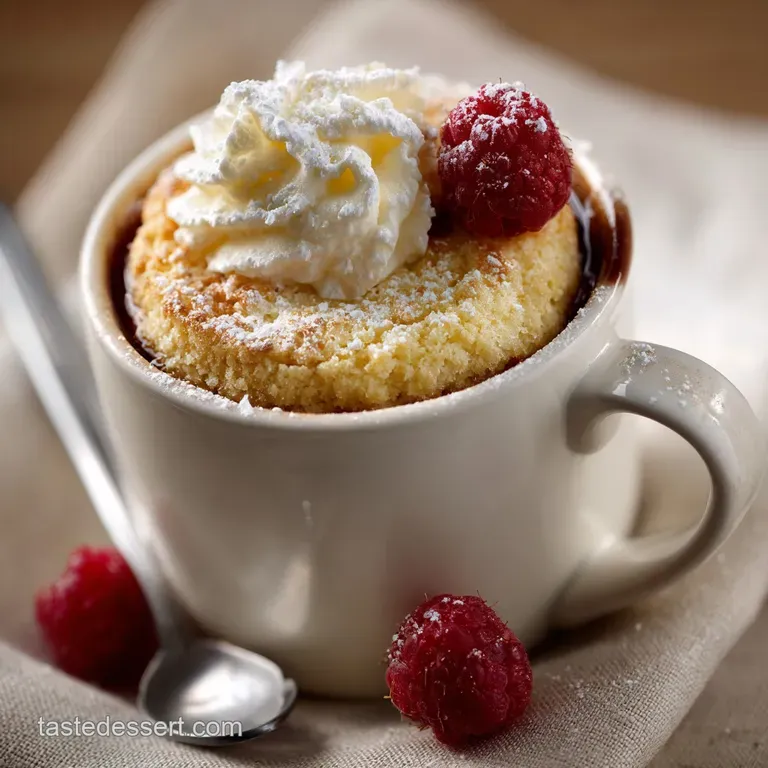
Do not underestimate the microwave’s power; the batter will easily double, or even triple, in size during cooking. To prevent a spectacular overflow that creates a sticky mess, always use a large, high walled mug, preferably 12 to 14 ounces (350 400 ml).
This allows enough headspace for the rapid expansion powered by the baking powder.
Smart Swaps for dairy-free or Gluten Conscious Baking
This recipe is naturally forgiving when it comes to dietary adjustments. If you require a Vanilla mug cake no milk option, simply swap the whole milk for an equal quantity of a creamy plant based alternative, such as oat, soy, or almond milk.
For those avoiding gluten, a standard 1:1 gluten-free baking blend can be substituted for the flour with minimal change to the texture, though a slightly longer resting time (a minute or two after mixing) helps hydrate the gums in GF blends.
Related Recipes Worth Trying
- Fluffy Banana Pancake Cereal The Perfect Fun Weekend Mini Breakfast — Master the viral Banana Pancake Cereal trend These cheeky mini pancakes have a cosy banana bread flavour and make the perfect fun weekend breakfast
- The Ultimate Spiced Peach Cobbler Cheesecake Recipe — Forget choosing Our Peach Cobbler Cheesecake recipe marries silky cream cheese filling with a warm Southern Peach Cobbler topping Rich buttery and worth the...
- The Ultimate 90Second Chocolate Mug Cake Fudgy Foolproof — This Chocolate Mug Cake recipe delivers instant satisfactiona proper fudgy treat ready from pantry to plate in under two minutes in the microwave Minimal...
Mixing and Zapping: The Two-Step Method
The mixing technique is as simple as the ingredient list. To keep cleanup to an absolute minimum, everything should be combined directly in the serving mug. The goal is efficiency, focusing on the quick integration of ingredients rather than complicated aeration.
Achieving the Ideal Texture: Microwave Timing Mastery
Perfect texture relies on careful mixing followed by precise timing. Mastery over your appliance is key to avoiding a dry or rubbery cake.
Combining Dry Ingredients for a Lump Free Start
Begin by adding the 4 tablespoons of flour, sugar, baking powder, and salt into the mug. Use a fork to vigorously whisk these dry elements together for about 10 seconds. This step is vital because it ensures the baking powder is uniformly distributed throughout the flour, guaranteeing an even, spectacular rise when the heat hits.
Integrating the Wet Elements (The Crucial Stir)
Once the dry ingredients are uniform, pour in the 3 tablespoons of milk, 1 tablespoon of oil, and the vanilla extract. Switch to a gentle stirring motion. Mix only until the last streaks of dry flour have disappeared typically 10 to 15 seconds. Be disciplined and resist the urge to continue stirring.
Over mixing develops gluten, which is the fast track to a tough, dense, or rubbery cake texture. A few tiny lumps are far better than an over worked batter.
Microwave Power Settings and Initial Cook Time
Place the mug centrally in your microwave. Cooking time is highly dependent on your specific appliance's wattage, but for most standard high power settings (800W 1000W), start with 60 to 75 seconds .
This time range provides the essential heat needed to cook the batter through without dehydrating it. Always err on the side of caution and start at the lower end of the range.
How to Check for That Perfectly Set Center
The cake is done when it has dramatically puffed up, and the surface appears dry and matte, losing any shiny, wet appearance. Gently touch the center; it should feel springy and resilient. If the center looks damp or glossy, return it to the microwave for tiny 5 10 second bursts until set.
Once removed, allow the mug cake to rest in the mug for a crucial minute. This resting period allows the trapped heat to finish setting the cake’s structure, preventing it from collapsing and ensuring maximum moisture.
Upgrading Your Cake Experience: Next Level Customizations
While delicious in its simplicity, this single serving Vanilla Mug Cake acts as a blank canvas for customization. For a bright, citrusy twist, stir in half a teaspoon of finely grated lemon zest and a small squeeze of juice to the wet ingredients.
If you prefer warmth, a simple cinnamon swirl can be achieved by dropping half a teaspoon of brown sugar mixed with cinnamon into the center of the batter just before cooking. For those who want textural variation, fold in a tablespoon of mini chocolate chips or chopped nuts pecans are a wonderful addition to the vanilla base.
Troubleshooting and Storage Secrets for Mug Cakes
Even simple recipes can occasionally go awry. Knowing how to tweak the process ensures consistent perfection every time.
Amazing Topping Ideas for Your Warm Dessert
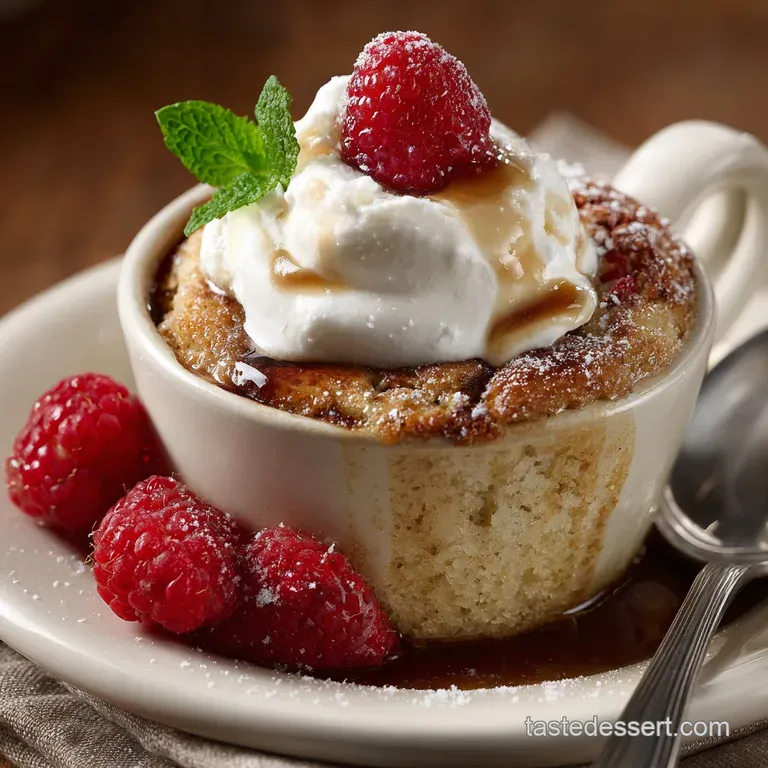
Serving this warm dessert directly from the mug is the way to go. Immediately after its minute rest, the cake is crying out for toppings. A generous scoop of quality vanilla bean ice cream that begins to melt down the sides is the classic choice.
For richness, try a drizzle of homemade salted caramel sauce or a quick berry coulis. A sprinkle of crushed graham crackers or toasted walnuts adds a welcome crunch.
Converting This Recipe for Oven Baking (If You Must)
Though the whole point is speed, if your microwave is unavailable, you can adapt this recipe for a conventional oven. Transfer the batter to a small, oven safe ramekin. Bake at 350° F ( 180° C) for approximately 12 to 15 minutes, or until a toothpick inserted into the center comes out clean.
Why Did My Mug Cake Turn Out Rubbery? (Fixing Common Mistakes)
A rubbery texture is the most common complaint with this cooking method, and it is almost always due to one of two things: over mixing or over cooking. As mentioned, over mixing develops the gluten, leading to toughness.
Next,, microwaves quickly evaporate moisture; cooking past the 75-second mark dramatically dries out the cake, turning it hard and chewy. Stick strictly to the minimum cooking time needed for the center to just set.
Can I Store Leftover Vanilla Mug Cake Batter? (Safety First)
The point of the mug cake is instant access, and storing the mixed batter is generally discouraged. While this particular recipe is a desirable Vanilla mug cake no egg formulation, making it safer to store than traditional batters, the active baking powder will rapidly lose potency once mixed with the liquid.
Storing the batter overnight, even in the refrigerator, will result in a cake that barely rises and comes out dense and flat. It is best to measure the dry and wet ingredients separately and combine them only when you are ready to cook.

Recipe FAQs
My cake came out really tough and rubbery. What went wrong?
Ah, the dreaded rubbery texture! This is the most common issue with microwave baking, and it usually boils down to two things: over mixing or over cooking. Over mixing the batter develops the gluten too much, giving you a chewy result. Only mix until the dry streaks disappear a few lumps are absolutely fine.
Crucially, overcooking by even 10 seconds can sap all the moisture, so start at 60 seconds and go up in tiny increments until the top looks dry.
Can I make this Vanilla Mug Cake gluten-free or dairy-free?
Absolutely! This recipe is surprisingly flexible. For a dairy-free version, simply swap the whole milk for a plant based alternative like oat or soy milk; just ensure it's not too watery, as the fat content is key.
If you need it gluten-free, use a reputable 1:1 gluten-free baking blend that already contains xanthan gum. You might find the gluten-free version needs an extra 5-10 seconds of cooking time.
I’m planning a little tea party. Can I mix the batter ahead of time?
While this cake is an 'Emergency Rations' recipe, mixing the entire batter ahead isn't ideal, as the baking powder activates as soon as it meets the wet ingredients. If it sits too long, it will lose its rising power, leaving you with a dense hockey puck.
Instead, queue up all the dry ingredients in the mug, then simply add the milk, oil, and vanilla extract right before you’re ready to nuke it. Total game changer for quick serving!
The instructions are very specific about microwave power. How do I know when mine is truly done?
Microwaves are a bit like siblings they all behave differently! If you don't know your wattage, start cooking at 60 seconds and watch carefully. The cake should rise dramatically and then stop. When it's done, the surface should look set and dry, not glossy or wet.
Give the top a very light, quick touch; if it springs back slightly, it’s sorted. If it feels squidgy, pop it back in for just 5 seconds more.
What are the best toppings to give this basic vanilla recipe a bit of a glow-up?
The beauty of vanilla is that it’s a wonderful blank canvas! For a true comfort treat, nothing beats a dollop of clotted cream or proper vanilla custard melting over the hot cake.
If you’re feeling fancy, try stirring through a spoonful of raspberry jam or lemon curd before cooking, creating a hidden pocket of flavour. For simple crunch, a sprinkle of toasted pecans or crushed digestive biscuits never fails to please.
Speedy Vanilla Mug Cake Recipe 5 Mins
Ingredients:
Instructions:
Nutrition Facts:
| Calories | 2264 kcal |
|---|---|
| Protein | 41.3 g |
| Fat | 48.4 g |
| Carbs | 302.8 g |
| Fiber | 6.2 g |
| Sodium | 848 mg |
