The Perfect Golden Roast Turkey Brine Butter and Brilliance
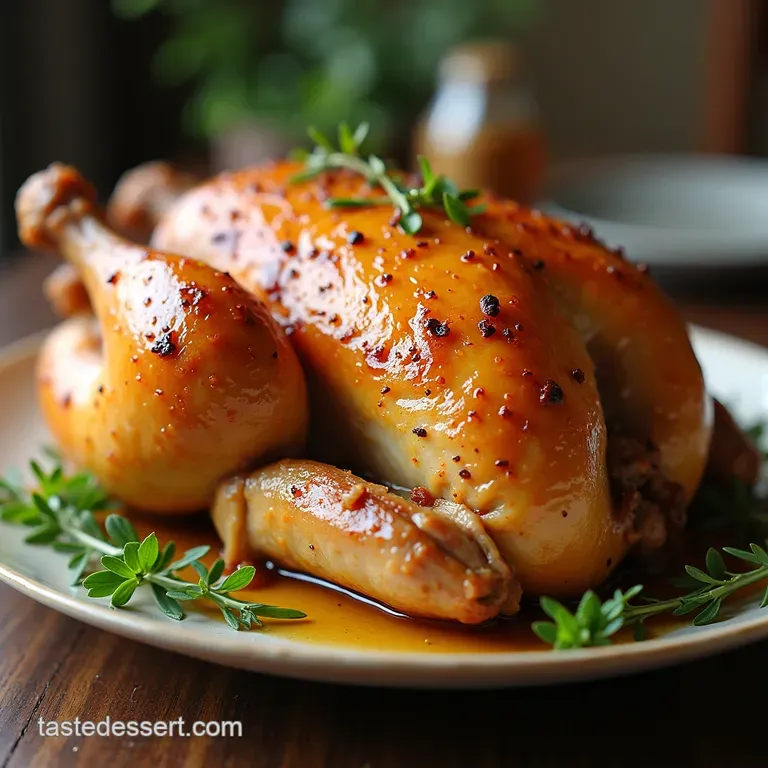
- The Ultimate Blueprint for Golden-Skinned, Succulent Roast Turkey
- Why This Brine-and-Butter Method Guarantees Turkey Triumph
- Assembling Your Essentials for Peak Flavour
- Mastering the Compound Butter and Quick Brine Components
- Step-by-Step Mastery: From Prep to Perfect Carving
- Achieving That Coveted Crispy Skin Texture
- Elevating Your Turkey Experience with Next-Level Sides
- Troubleshooting and Storing Leftover Grandeur
- Recipe FAQs
- 📝 Recipe Card
The Ultimate Blueprint for Golden Skinned, Succulent Roast Turkey
A majestic Roast Turkey is more than just a meal; it’s the proud centrepiece around which memories are built. Many home cooks approach the process with trepidation, fearing dry breast meat or pale, flabby skin. Fear not!
This comprehensive guide dismantles the mystery surrounding Whole Turkey Recipes , delivering a reliably golden skinned, incredibly moist bird every time. We are focusing on classic, robust flavour profiles that truly celebrate the bird itself, ensuring every slice offers that coveted succulence.
Forget complicated injections or hours of soaking; our method focuses on high impact preparation techniques that yield professional results without undue stress.
Why This Brine and-Butter Method Guarantees Turkey Triumph
The success of any great Roast Turkey hinges on two critical elements: retaining moisture throughout the long cooking time and maximizing the flavour of the exterior. Our chosen method combines a brief but powerful dry brine with a rich compound butter application.
This dual approach guarantees that the seasoning penetrates deep into the muscle fibres while the fat barrier protects the exterior, promising a true Crispy Skin Roast Turkey result.
Setting the Stage: Our Secret to a Showstopping Centrepiece
When aiming for perfection, you must manage surface moisture. This recipe utilizes a technique similar to what one might find in expert Roast Turkey Recipes : a dry brine applied hours before cooking.
This process draws out surface moisture, which then dissolves the salt and sugar, creating a concentrated brine that is reabsorbed by the meat. The result? Seasoned meat and a skin surface that is primed to turn shatteringly crisp when it hits the heat.
This attention to the exterior is what separates an adequate bird from a phenomenal one.
Moving Beyond Dry: The Promise of Unbelievably Moist Meat
The primary challenge when roasting a Turkey In Oven is the difference in cooking times between the lean breast and the fattier legs/thighs. To counteract this inherent issue, we apply a generous amount of herbed compound butter directly underneath the skin over the breast meat.
This barrier bastes the meat from the inside out as it cooks, locking in essential moisture and delivering rich flavour directly to the muscle. If you were seeking a variation, a Roast Turkey Breast Recipe often benefits from this exact same internal application technique.
Why We Are Skipping The Stuffing (For Now)
While some prefer traditional stuffing inside the cavity, for the best cooking consistency and food safety, we advise against it for this particular method. Stuffing slows down the internal temperature rise of the breast meat, often leading to an overcooked breast by the time the thighs are safe.
Instead, we fill the cavity with aromatics lemon and herbs which flavour the meat from within without interfering with the crucial temperature management required for a Succulent Roast Turkey .
Assembling Your Essentials for Peak Flavour
Preparing a spectacular roast requires assembling your tools and ingredients thoughtfully. Since the bird itself is large, the flavour components must be bold enough to stand up to the long roasting process. We aim for a balanced profile: savoury, herbaceous, and slightly sweet from the sugar in the brine.
Mastering the Compound Butter and Quick Brine Components
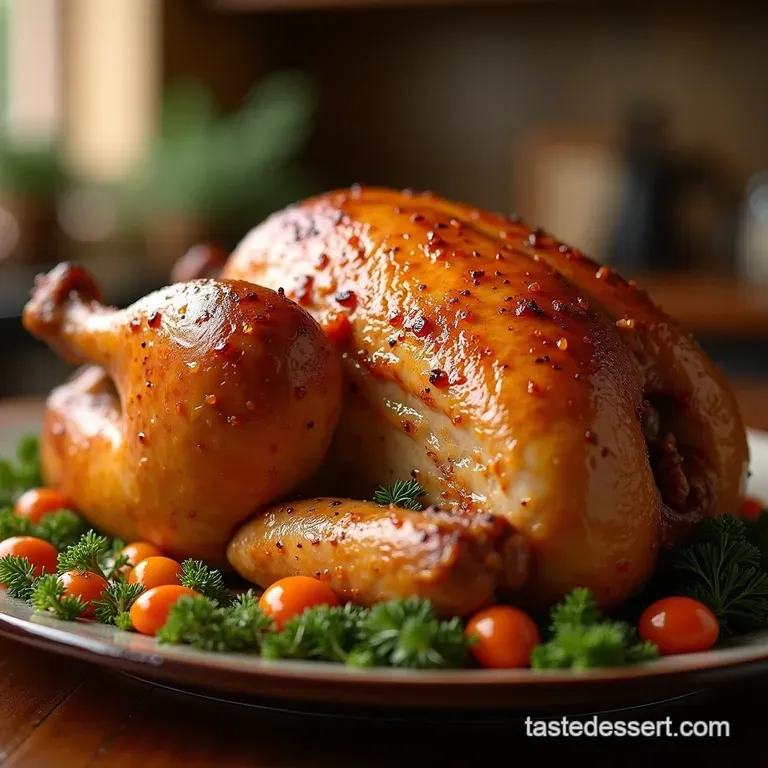
The magic in this preparation truly lies in the compound butter and the dry brine mixture. These components work in tandem to season the bird thoroughly and protect it during the heat exposure. Having these elements ready before you begin preparing the physical bird streamlines the entire process considerably.
The Bird and Beyond: Essential Shopping List for Roast Turkey
For a gathering of 10 to 12 people, securing a 14-pound bird is ideal. When you shop, ensure the turkey is completely thawed; a frozen bird demands days of slow refrigeration thawing time.
Beyond the bird, you need Kosher salt and brown sugar for the brine, robust fresh herbs like rosemary and thyme, fresh citrus (lemon), and high-quality unsalted butter for the coating.
Don't forget the mirepoix onions, carrots, and celery to build a flavour foundation in the roasting pan for your gravy later.
Crafting the Aromatic Herbaceous Butter Coating
The key to that burnished, golden exterior is the fat applied externally. We soften a full cup of unsalted butter to room temperature, making it easy to blend. Into this, we fold finely minced garlic, chopped fresh sage, and rosemary, along with simple sea salt and pepper.
The sage is critical here, offering that quintessential savoury, earthy note traditional to Roast Turkey . This butter should be spreadable, creamy, and intensely fragrant before application.
The Speedy Brine Solution: Ingredients Breakdown
Our dry brine is designed for maximum flavour penetration in a shorter timeframe than a traditional wet brine. It requires ¾ cup of Kosher salt, ¼ cup of light brown sugar, and crushed black peppercorns.
The sugar helps with browning and balances the salt, while the crushed peppercorns add a subtle, spicy warmth. This mixture is rubbed all over the surface of the bird and left to work its magic in the refrigerator.
Related Recipes Worth Trying
- Tender SlowRoasted Prime Rib with GarlicHerb Crust — The definitive guide to the best roast prime rib featuring a lowandslow method for perfect medium rare results every time Get the ultimate holiday roast au...
- The Perfect Sunday Joint Tender Roast Beef with Rich Pan Gravy — Master the classic Sunday Roast Beef with foolproof instructions for a mediumrare finish and silky pan gravy made from scratch Perfect for beginners
- Velvety Roasted Butternut Squash Soup with Brown Butter — This is the ultimate Roasted Butternut Squash Soup recipe deepened by roasting and finished with nutty brown butter and sage Easy to make and perfectly...
step-by-step Mastery: From Prep to Perfect Carving
The actual process of preparing the bird for the oven is where precision matters most. From drying the skin to applying the seasoning layers, each step builds towards that desired final texture and flavour.
The first step involves ensuring the turkey is impeccably dry after thawing use paper towels liberally. Next, combine your dry brine ingredients and rub this aggressively over the entire surface, top, bottom, and cavity entrance.
Place the seasoned bird on a rack set over a sheet pan and refrigerate uncovered for a minimum of four hours, or ideally overnight. When ready to roast, remove the turkey from the fridge about an hour prior. Gently work your fingers between the skin and the breast meat, creating pockets.
Take two-thirds of your compound butter and push it directly onto the breast meat beneath the skin. Rub the remaining butter generously over the outside skin. Stuff the cavity loosely with herb sprigs and halved lemons.
Finally, arrange the roughly chopped onions, carrots, and celery in the bottom of your roasting pan, pouring in a cup of stock this creates the base for exceptional pan drippings.
Achieving That Coveted Crispy Skin Texture
The secret to a Crispy Skin Roast Turkey lies in aggressive drying followed by an initial blast of high heat. This technique creates immediate texture before the slow cooking begins to render the fat.
The Crucial Pre-Roast Turkey Brining Process
As detailed, the dry brining process is non-negotiable. By allowing the salt mixture to work for several hours or overnight, the salt dissolves surface moisture, priming the skin for dehydration in the oven the precursor to crispiness.
This also seasons the meat deeply, ensuring that even the thickest parts of the breast are flavourful.
Butter Application and Oven Loading Sequence
After applying the butter both under and over the skin, load the turkey onto the rack in the prepared pan. We start the Turkey In Oven at a high temperature: 425° F ( 220° C) for 30 minutes.
This initial blast rapidly heats the skin and begins the rendering process. After this period, immediately drop the oven temperature down to 325° F ( 160° C) for the remainder of the cook time.
This two-stage temperature control ensures browning without burning, moving us toward the ideal Roast Turkey experience.
Temperature Targets: Knowing When Your Bird Is Truly Done
Never rely solely on the clock! You must use a reliable meat thermometer. Insert the probe deep into the thickest part of the thigh, ensuring you do not touch the bone, and check the breast meat as well.
The safe final temperature for the breast is 160° F ( 71° C), but because the thighs require a higher temperature for collagen breakdown, we aim for the thighs to reach 175° F ( 80° C).
Due to carryover cooking, you should remove the bird when the breast is about 5 degrees below the target.
The Essential Resting Period: Why Patience Pays Off
Once those target temperatures are hit, the turkey must be extracted from the oven. Transfer the bird to a clean cutting board, tent it loosely with foil, and let it rest for at least 30 to 45 minutes.
This resting period allows the muscle fibres, tightened by the heat, to relax and reabsorb the released juices. Skipping this step guarantees a dry product, no matter how perfectly you cooked it.
Elevating Your Turkey Experience with Next Level Sides
While the Roast Turkey is the star, its supporting cast must be equally memorable. Think about balancing the richness of the herbed butter and the depth of the drippings with sides that offer textural contrast and bright acidity.
Troubleshooting and Storing Leftover Grandeur
Even with the best plans, questions can arise, especially concerning the inevitable glorious leftovers. Being prepared for minor setbacks ensures the whole process remains enjoyable.
Gravy Gold Standard: Utilizing Drippings for Superior Sauce
The vegetables and drippings left in your roasting pan after the turkey has rested are liquid gold. Strain the accumulated juices and discard the vegetables. Skim off any excess fat, then bring the remaining liquid to a simmer on the stovetop.
Whisk in a slurry made from cornstarch or flour mixed with cold water until the gravy reaches your desired consistency. This method yields a far richer sauce than any packet mix could offer and is the natural culmination of your Roast Turkey efforts.
Flavor Variations: Introducing Global Spice Profiles
While this blueprint focuses on a classic Citrus Herb Roasted Turkey , the foundation is highly adaptable. For a different flavour profile, consider adapting it to a Dry-brined Turkey With Tangy Honey Glaze .
After the initial high heat blast, you could brush on a mixture of honey, Dijon mustard, and a splash of apple cider vinegar during the lower temperature roasting phase. Alternatively, for a deeper, richer note, explore using the concept behind a Roast Turkey With Cranberry Bourbon Glaze applied near the end of the cooking time.
Optimal Storage for Leftover Roast Turkey Sections
Once completely cooled, dismantle your turkey. Storing the breast meat separately from the darker meat helps maintain moisture. Place the meat in airtight containers and refrigerate for up to four days. For longer storage, freeze carved portions immediately.
The leftover carcass can be simmered for hours to make rich stock, which is excellent for future soups or gravy bases.
FAQ: Addressing Common Roast Turkey Concerns
Q: My turkey skin is getting too dark, but the internal temperature is low. What should I do? A: This is easily managed. Gently cover the breast area and only the breast area with a piece of aluminum foil.
This shields the browning skin while allowing the thighs to continue cooking until they reach their required temperature.
Q: Should I roast the turkey breast separately if I’m worried about the dark meat? A: If you are catering to guests who exclusively prefer white meat, roasting a Roast Turkey Breast Recipe separately alongside the whole bird is an excellent strategy.
A separate breast cooks faster and more evenly, allowing you to pull it out when perfectly done, regardless of the legs' progress.
Q: My brine worked, but the meat is still a little salty. How can I fix this next time? A: Your salt ratio might be too high, or you might have left the brine on too long.
If using Kosher salt, ensure you are measuring by volume accurately, and for a 14lb bird, 12 hours is generally the absolute maximum for a dry brine. Always pat off excess surface salt before applying the butter.
Recipe FAQs
My last Roast Turkey was dry! How can I guarantee moist meat this time?
The secret is in the preparation; this recipe uses a dry brine which draws moisture in and seasons the meat beautifully. Crucially, you must also smear plenty of the compound butter underneath the skin directly onto the breast meat before roasting.
How long does the turkey actually need to rest after cooking, and why can't I just carve it straight away?
You must rest your turkey for a minimum of 30 to 45 minutes, tented loosely with foil, after it comes out of the oven. If you skip this step, all those lovely, re-settled juices will simply run out onto your chopping board instead of staying in the meat, resulting in a dry bird.
Is it better to cook the turkey at a high temperature the whole time, or use the two-temperature method described?
Using the two-temperature method a high blast initially, then a lower temperature is the best of both worlds. The high heat (425°F) helps render the fat and crisp up the skin beautifully, while the lower heat (325°F) allows the interior meat to cook through evenly without burning the exterior.
I'm worried about food safety. What is the minimum internal temperature I should look for when checking my turkey?
You need to check both the breast and the thigh, as they cook at different rates. Pull the turkey when the thickest part of the breast reads 160°F (71°C) and the thigh reads 175°F (80°C); the carry over cooking during the resting period will bring the breast up to a safe 165°F.
Can I cook the vegetables mentioned in the recipe alongside the turkey, or will they burn?
Yes, the onions, carrots, and celery are placed under the bird in the roasting pan with stock, forming the base for your gravy later. They are protected by the stock and the bird's position, ensuring they soften beautifully and infuse the drippings with flavour.
Succulent Roast Turkey Triumph
Ingredients:
Instructions:
Nutrition Facts:
| Calories | 638 kcal |
|---|---|
| Protein | 7.3 g |
| Fat | 13.5 g |
| Carbs | 47.3 g |
| Fiber | 17.0 g |
| Sodium | 4213 mg |
