Tinis Viral Tiktok Mac and Cheese the Ultracreamy Nobake Recipe

- The Stovetop Secret: Why Tini’s Mac Is the Creamiest Ever
- Ditching the Oven: The Genius of This No and Bake Method
- Building the Perfect Cheese Blend: Dairy Essentials
- Gathering the Components for the Ultimate Creaminess
- Mastering the Method: Step and by-Step for the Velvety Sauce
- From Pot to Perfection: Assembling Your Comfort Food
- Troubleshooting and Advanced Tips for Your Tinis Viral TikTok Mac and Cheese
- Extending the Life: Storage, Reheating, and Make and Ahead Notes
- Recipe FAQs
- 📝 Recipe Card
The Stovetop Secret: Why Tini’s Mac Is the Creamiest Ever
Okay, hands up if you’ve ever followed a mac and cheese recipe only to end up with a dry brick of sadness after 20 minutes in the oven. Been there. It’s the worst.
Tini’s viral TikTok Mac and Cheese changed everything for me. We are ditching the traditional baked method completely. This isn't just about speed, although that's a huge bonus. This is about texture .
When you bake cheese sauce, you risk separating the fats and evaporating the moisture you worked so hard for. This technique uses a specific combination of liquids and stabilizers that keep everything emulsified and incredibly silky, right until the moment it hits your bowl.
You get a perfect, luxurious pool of molten cheese that stays exactly where you want it. It’s brilliant.
Ditching the Oven: The Genius of This No and Bake Method
Why do we bother with the oven anyway? Usually, it’s for that crispy breadcrumb topping, or maybe because Grandma always did it that way. But in truth, most oven and baked mac and cheese recipes are a gamble.
Tini figured out that the ultimate goal (creamy, cheesy goodness) can be achieved faster and more reliably on the stovetop.
Decoding the Hype: What Makes This Mac and Cheese Go Viral?
It went viral because it actually works, quickly, and the results are stunning. If you look at most no and bake mac recipes, they rely heavily on Velveeta or some kind of processed cheese for stability.
We are getting that same intense stability and stretch using real ingredients, mainly thanks to one highly underrated pantry item: evaporated milk. We're using fresh cream cheese, too, which melts beautifully and acts as a hidden stabilizer to prevent that annoying graininess.
You get all the comfort of the processed cheese texture without the processed taste. That’s the magic.
The Unbeatable Texture: Evaporated Milk vs. Traditional Roux
If you’re wondering why we don't just use regular milk in our béchamel, here’s the scoop. Evaporated milk is basically concentrated milk with a higher protein and fat content. Crucially, it has far less water than regular whole milk. This means it provides amazing stability for the cheese.
Regular milk often risks breaking or curdling when it hits that high concentration of fat and salt (i.e., the cheddar). Evaporated milk just shrugs and keeps on truckin'. I tried this with heavy cream once, and while rich, it was just too heavy. The evaporated milk cuts through that thickness perfectly.
Time Commitment: How Long Does the Stovetop Method Really Take?
Honestly, the longest part is grating the cheese. Once the water is boiling, you are 30 minutes away from total comfort food heaven. We're talking 10 minutes for the pasta and maybe 15 minutes of active stirring for the sauce.
It's the ultimate no fuss mac and cheese recipe when you need dinner fast.
Essential Kitchen Tools for Tinis Viral TikTok Mac and Cheese
Don’t sweat it. You don’t need a stand mixer or a blowtorch. Just grab:
| Tool | Purpose |
|---|---|
| Box Grater | Non and negotiable for smooth cheese. |
| Sturdy Whisk | For the roux and incorporating milk without lumps. |
| Medium Saucepan | Ideally one with a heavy bottom to regulate heat. |
Building the Perfect Cheese Blend: Dairy Essentials
Listen, you can’t make great mac and cheese with just a sad bag of mild cheddar. We need complexity. We need melt. The secret of the best homemade mac n chz is always blending cheeses. We need a sharp flavour bomb and a smooth melting agent.
Gathering the Components for the Ultimate Creaminess
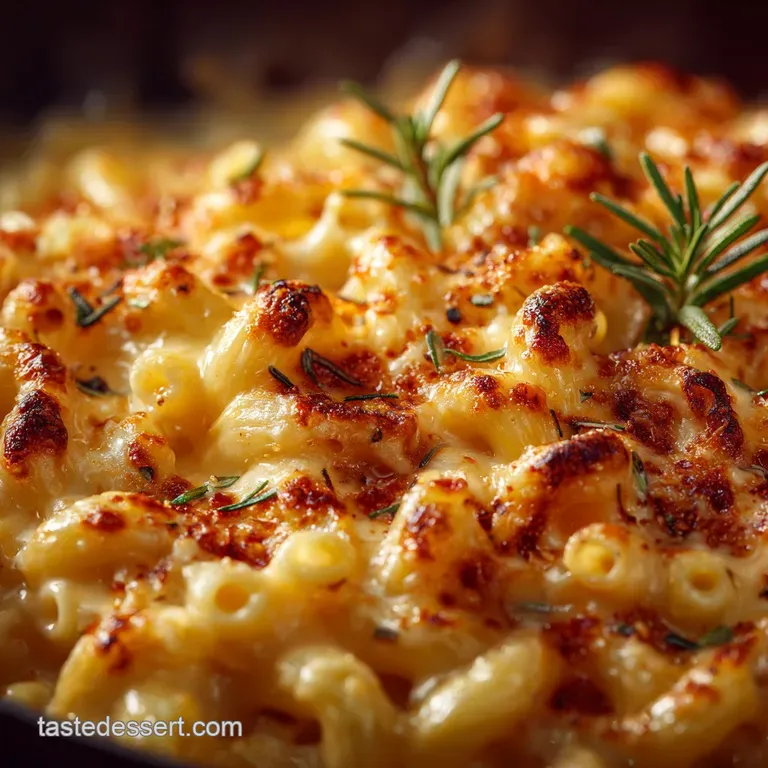
The Required Trio: Sharp Cheddar, Gruyère, and Cream Cheese
Sharp yellow cheddar is the foundation. It gives us that requisite tangy, savory flavor. But cheddar can sometimes be a bit stiff and grainy when melted alone. That’s where Gruyère or Monterey Jack comes in. These are fantastic stretching cheeses. They make that epic cheese pull happen.
And then there's the secret weapon: cream cheese. It’s the MVP for mouthfeel. It melts into a velvety texture that holds the sauce together, giving you that rich, almost bouncy coating that defines this Tinis Viral TikTok Mac and Cheese recipe.
Optimizing the Melt: Why Shredding Your Own Cheese Matters
This isn’t me trying to be a food snob. This is science. Pre and shredded cheese is tossed in cellulose (a starch or anti and caking agent) to keep it from clumping in the bag. That cellulose will not dissolve completely in your sauce. It floats around, and guess what? It makes your sauce grainy.
I once ignored this rule and regretted every oily, bumpy spoonful. Please, get a block. It takes three extra minutes. Trust me on this one.
Dairy Decisions: Evaporated Milk Alternatives and Substitutions
If you absolutely cannot find evaporated milk, you can use whole milk combined with heavy cream (about 3:1 ratio). However, be extra vigilant about the heat, as that blend is much more likely to split than the evaporated milk base. Don’t even bother trying this with skim milk. Just don't.
Beyond Salt and Pepper: Flavor Enhancers for the Sauce
Salt and pepper are non and negotiable, obviously. But the true game changer here is mustard powder. You won't taste mustard; you'll taste more cheddar . It unlocks the inherent savory flavour of the cheese. I also throw in smoked paprika for depth and a slight orange hue.
A tiny dash of nutmeg is also brilliant, though optional.
Related Recipes Worth Trying
- Cowboy Queso Loaded Beef and Velveeta Cheese Dip Recipe — Cowboy Queso is the ultimate party dip This easy Cowboy Queso Dip recipe is loaded with spiced ground beef sausage and smoked peppers for a truly robust...
- Southern Oven Candied Sweet Potatoes Best Recipe for a Candied Crust — Southern Oven Candied Sweet Potatoes are the ultimate holiday side dish This easy baked southern candied sweet potatoes recipe uses maple syrup and brown...
- Kale Salad with Quinoa and Cranberries Best MapleDijon Vinaigrette — This Kale Salad with Quinoa and Cranberries recipe is a superfood champion Learn the key to zero bitterness and create a vibrant hearty kale grain bowl...
Mastering the Method: Step and by-Step for the Velvety Sauce
The absolute key to mastery here is temperature. We are creating a stable béchamel (butter, flour, milk), and then we are removing the direct heat before adding the fat and heavy cheese. This controls the meltdown and guarantees that beautiful, glossy finish.
From Pot to Perfection: Assembling Your Comfort Food
Prepping the Base: Achieving Al Dente Elbow Macaroni
You know the drill. Boil salty water. Add the pasta. Cook it for about a minute less than the package says. It needs a little fight left in it (al dente). Critically, always scoop out about a cup of that cloudy, starchy cooking water before you drain the pot.
If your final sauce looks too thick, that starchy liquid is your emergency rescue button. Drain the pasta immediately and set it aside.
The Crucial Step: Creating the Ultra and Smooth Evaporated Milk Base
Start the roux: Melt the butter, add the flour, and whisk constantly for 60 90 seconds until it smells faintly nutty. If you skip this, your mac and cheese will taste like raw flour paste, which is gross. Then, reduce the heat to low and slowly, slowly whisk in the evaporated milk and whole milk.
Keep whisking until it’s smooth and starting to thicken. Add the cubed cream cheese and seasonings now. Stir until everything is melted and the sauce base is perfectly smooth.
Incorporating the Cheese: Key Techniques to Avoid Graininess
Stop right there. Take the pot completely off the heat. I mean it. If you try to melt the cheese over a simmering sauce, you’ll end up with separation anxiety and oily cheese. We want residual heat only. Add your grated sharp cheddar and Gruyère/Jack blend in three batches.
Stir until the first batch is fully melted and incorporated before adding the next. This allows the sauce to maintain a steady, lower temperature, preventing the cheese proteins from seizing. The result is pure liquid gold.
Final Mix: Folding the Pasta Without Breaking the Sauce
Once your sauce is velvety and gorgeous, pour it over the warm, drained pasta in your large pot. Use a rubber spatula to gently fold everything together. Don't stir aggressively like you're kneading dough. We want to coat the macaroni thoroughly without crushing the pasta or deflating the sauce. Serve immediately!
Troubleshooting and Advanced Tips for Your Tinis Viral TikTok Mac and Cheese
Extending the Life: Storage, Reheating, and Make and Ahead Notes
Why Did My Sauce Break? Troubleshooting Common Mac and Cheese Errors
If your sauce looks oily or grainy, you committed one of the cardinal sins of cheese sauce. Here are the usual suspects:
- Heat Offense: You left the sauce over direct, medium heat when adding the cheese. It was too hot.
- Pre and Shredded Crime: You used bagged, pre and shredded cheese. The cellulose starches cause separation.
- Wrong Dairy: You tried to use low and fat milk, which lacks the necessary fat content to create a stable emulsion.
A broken sauce is always about temperature control. If you see oil pooling, you got too excited with the burner. Take it off immediately and try whisking in a splash of cold milk or reserved pasta water to re and emulsify it. Sometimes this works, sometimes you just have to eat your mistakes.
Customizing the Flavor: Spice Mixes and Optional Protein Add and Ins
Want to take this to the next level? Add a tiny pinch of cayenne pepper for subtle heat. For depth, a half teaspoon of onion powder and garlic powder stirred in with the other seasonings (in Step 3) is a total game changer. If you need protein, stir in some shredded, rotisserie chicken right before serving.
It soaks up the sauce beautifully.
Turning Up the Heat: Adding a Crispy Panko Topping (If Desired)
Since this is a stovetop recipe, we don’t get that built and in crunch. But we can fake it! Toss 1 cup of Panko breadcrumbs with 2 tablespoons of melted butter and a pinch of salt. Toast them gently in a separate pan over medium heat until deep golden brown.
Sprinkle this crunchy goodness over the top of each serving just before it goes to the table. Skip the baking step entirely.
Handling Leftovers: Reheating Methods That Maintain Creaminess
Look, mac and cheese is never quite the same the next day. The starches in the pasta tighten up, and the sauce gets stiff. But you can rescue it. The best way to reheat is on the stovetop. Put the leftovers in a pot and add a generous splash of milk (about 1/4 cup per serving).
Heat slowly over low heat, stirring constantly, until the sauce re and liquifies and coats the pasta again. Never microwave it unless you enjoy rubbery texture and dry edges. You’ve been warned.

Recipe FAQs
Why does my cheese sauce look grainy or oily? It’s the dreaded 'split'!
This common mishap is usually down to overheating the cheese. The secret to this "Tinis Viral TikTok Mac and Cheese" is removing the saucepan completely from the heat before adding the grated cheese, allowing the residual warmth to melt it slowly and maintain that lovely, velvety emulsion.
Does this stovetop mac and cheese reheat well, or will it dry out completely?
Stovetop macs often seize up when cold, but don't fret; to bring it back to life, reheat gently on the hob with a generous splash of extra milk or reserved pasta water until the sauce is creamy and luscious again it will be spot on.
I don't have Monterey Jack; can I swap the secondary cheese for something else, like just extra cheddar?
While cheddar provides the core flavour, swapping the Jack/Gruyère for another excellent melting cheese like Gouda or Fontina will ensure you still get that superior, stretchy cheese pull that makes this dish such a right treat.
Do I really need to use evaporated milk in this recipe, or can I just use regular whole milk?
Absolutely stick to the evaporated milk; its concentrated protein structure handles heat far better than standard milk, acting as a crucial stabiliser to deliver that signature ultra creamy, no-fuss texture without fear of the sauce breaking.
I want to make this ahead for a party; how long can I store the leftovers?
Leftovers should be stored in an airtight container in the fridge for up to 3 days, but remember that the mac is always best eaten fresh, so perhaps prepare the roux base ahead of time and add the pasta and cheese just before serving.
Tinis Viral Tiktok Mac And Cheese

Ingredients:
Instructions:
Nutrition Facts:
| Calories | 1206 kcal |
|---|---|
| Protein | 44.8 g |
| Fat | 52.1 g |
| Carbs | 103.9 g |
