Turkey Brine: the Perfect Citrus and Herb Recipe for a Juicy Roast
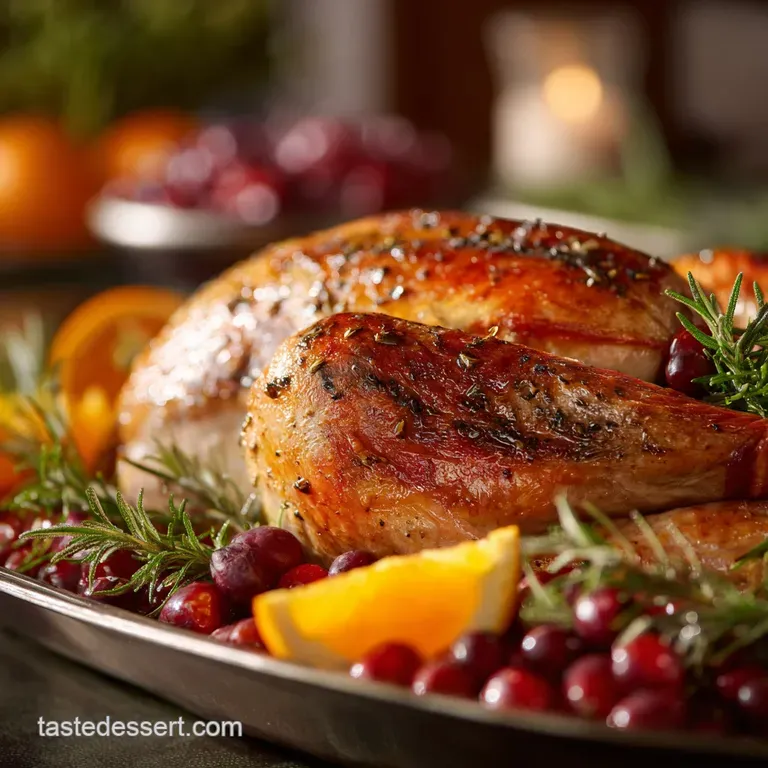
- Achieving the Perfect Bird: An Overview of Aromatic Citrus Turkey Brine
- The Science of Succulence: Why This Aromatic Turkey Brine Guarantees Moisture
- Essential Components for Your Citrus and Herb Turkey Brine
- Step and by-Step Method: Preparing and Applying Your Turkey Brine
- Post and Brine Management: Storage and Preparation for Roasting
- Recipe FAQs
- 📝 Recipe Card
Achieving the Perfect Bird: An Overview of Aromatic Citrus Turkey Brine
You know that scent? That incredibly warm, heady mix of rosemary, orange zest, and garlic that fills the kitchen the night before a big feast? That's the aroma of a turkey that is about to change your life.
Forget everything you thought you knew about bland, dry holiday birds; we’re chasing perfection this year, and it starts right here.
I spent years wrestling with dry meat, always trying to inject butter or baste constantly, but the real secret isn't what you do during the roast. It’s what you do the day before.
This easy turkey brine recipe is a lifesaver it forces moisture deep into the meat fibers, ensuring every bite is succulent and perfectly seasoned, regardless of how long you accidentally leave it in the oven.
This isn't just salty water; this is a flavor infusion, a glorious bath of herbs and citrus that guarantees an absolutely gorgeous centerpiece. Ready to ditch the fear of the cardboard turkey forever? Let's crack on and master this Thanksgiving turkey brine.
The Science of Succulence: Why This Aromatic Turkey Brine Guarantees Moisture
Why We Brine: The Scientific Secret to Turkey Juiciness
When you submerge a turkey in our carefully calibrated salty bath, magic happens at the cellular level. Salt breaks down some of the muscle proteins (myosin, if you want to get nerdy!), allowing the meat to absorb more liquid.
Think of it like giving the turkey a tiny internal sponge it soaks up water and, critically, holds onto it during the high heat of roasting. This is the simple secret behind every great turkey brine.
Wet Brine vs. Dry Brine: Making the Right Choice for Your Roast
Both methods work, but they do different jobs. A dry brine requires less effort and space, resulting in intensely crispy skin, but it won't add mass moisture. A wet brine (like this aromatic turkey brine recipe) guarantees maximum moisture retention and infusion of those amazing citrus and herb notes.
Since large turkeys tend to dry out easily, I always lean toward the wet method for that ultimate guarantee of juiciness.
Preparation Timeline: Planning for the Best Thanksgiving Turkey
Brining is not a last and minute job. The most critical failure point is rushing the process! You need a minimum of 12 hours for a 5.5 kg (12 lb) turkey, and up to 24 hours for a larger one.
This means if you want the bird to go into the oven at noon on Thursday, the brine needs to be applied by noon on Wednesday. Plan ahead, or the salt won't penetrate deeply enough.
The Perfect Salt and to-Sugar Ratio for Maximum Brine Penetration
We use a 2:1 ratio of salt to sugar here. The Kosher salt does the heavy lifting, tenderizing the meat and forcing moisture in. But the dark brown sugar is essential for balance. It stops the brine from becoming aggressively salty, and the molasses in the brown sugar helps the turkey skin achieve that beautiful, deep, golden and brown colour when you finally roast it.
Extracting Maximum Flavor from Citrus and Fresh Herbs
You can't just dump cold water and whole herbs on a turkey and call it a day. The trick is creating a concentrated flavor starter a mini and syrup by simmering a small portion of the water with the salts, sugars, and the hardier aromatics like garlic and half the herbs.
This bloom step forces the flavor molecules out, ensuring maximum infusion.
The Osmosis Effect: How Turkey Brining Retains Water Mass
Osmosis is why this works. The high salt concentration outside the turkey initially draws moisture out, but as the muscle proteins change structure, the water is drawn back in, carrying salt and flavor with it.
This process means that even after hours in the oven, your turkey has a buffer of pre and absorbed moisture to keep it tender.
Essential Components for Your Citrus and Herb Turkey Brine
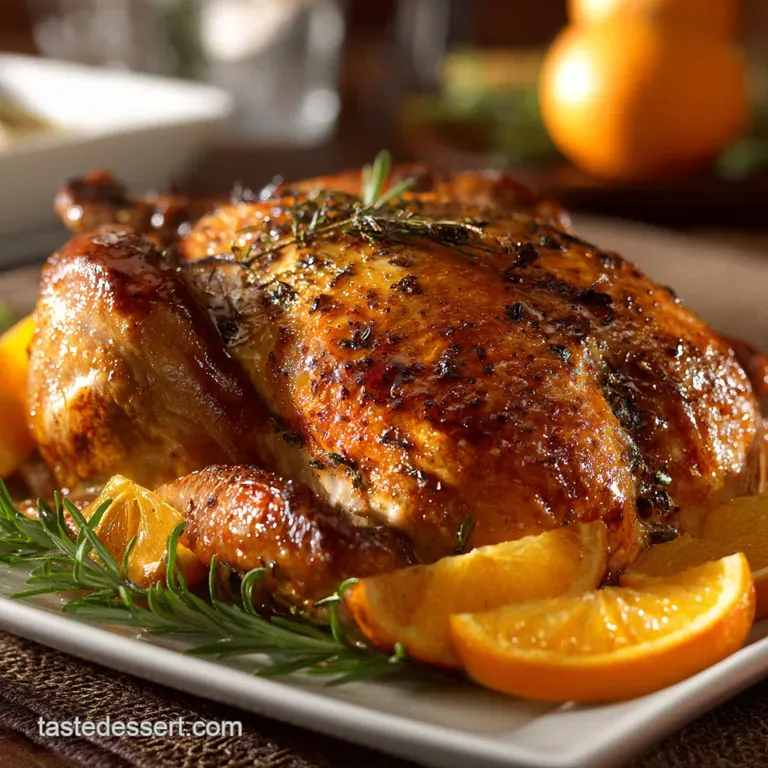
Sourcing the Right Salt: Kosher vs. Iodized Salt Comparison
This is non and negotiable. Use Kosher Salt or Coarse Sea Salt . Never, ever use fine table salt (iodized). Table salt measures differently (it’s much denser by volume), and the iodine can impart a weird, metallic, almost bitter flavour to your beautiful bird.
Coarse, non and iodized salt is the foundation of any great turkey brining recipe.
The Role of Dark Brown Sugar in Balancing the Brine
While any sugar works, I swear by dark brown sugar for this turkey brine recipe. It has a richer, almost smoky depth compared to white sugar. It helps counter the saltiness beautifully, and that touch of molasses caramelizes slightly on the skin during roasting, contributing to a gorgeous, crisp crust.
Herb Selection: Fresh Rosemary and Thyme Over Dried Alternatives
You simply must use fresh herbs here. Dried herbs tend to float and offer a dusty flavor rather than the clean, vibrant notes we are looking for. Fresh rosemary and thyme release their potent oils into the warm brine base, giving the turkey that classic holiday aroma. Don't skimp; a massive bunch is needed!
Citrus Notes: Utilizing Lemon and Orange Zest for Brightness
The citrus is the secret weapon that cuts through the richness of the turkey and the deep saltiness of the brine. Squeezing and halving whole oranges and lemons into the chilled brine adds brightness.
Crucial Tip: Smash the orange rinds slightly before adding them; this releases their potent oils much faster.
| Ingredient | My Recommendation | Substitution |
|---|---|---|
| Kosher Salt | Coarse, non and iodized | Reduce iodized salt by 25% |
| Dark Brown Sugar | Deep molasses flavor | Maple Syrup (equal amount) |
| Fresh Rosemary/Thyme | Potent and aromatic | Dried herbs (use half the amount) |
| Water | Filtered cold water | Ice cubes (if cooling quickly) |
Step and by-Step Method: Preparing and Applying Your Turkey Brine
Creating the Brine Base: The Simmer and Chill Process
In your largest stockpot, combine 1 litre of water with all the salt, sugar, garlic, bay leaves, peppercorns, and half the herbs. Bring it to a rolling boil until everything dissolves this is your flavor starter! Immediately remove it from the heat and add the remaining 3 litres of ice and cold water.
This rapid cooling step is essential. Once cooled to room temp, add the remaining fresh herbs and citrus.
Chef's Note: You must chill this brine in the fridge until it is below 40°F (4°C) before introducing the turkey. Warm brine + raw poultry is a guaranteed food safety disaster.
Prepping the Turkey for Optimal Absorption (Gizzard and Neck Removal)
Get that turkey out of its packaging. You need to remove every piece of plastic and paper, and don't forget the cavity contents! Pull out the gizzards, heart, and neck (save these for stock, trust me). The goal is to make sure the brine can access every internal and external surface of the bird for maximum absorption.
Pat it bone and dry afterward.
Submerging and Safely Storing the Bird (Brine Time Guide)
Place the turkey into your clean brining vessel (I love using a big brining bag inside a cooler for easy cleanup). Pour the completely chilled brine over the bird. If the turkey floats (and it probably will), weigh it down with a clean dinner plate to ensure it stays fully submerged.
Seal it up and pop it into the fridge. I recommend 12 to 16 hours for a 14lb bird.
Dealing with a Frozen Turkey: Thawing Before Brining
You cannot brine a frozen turkey. The salt cannot penetrate ice. If your turkey is frozen, you need to thaw it safely in the refrigerator this usually takes one day for every 5 pounds of weight. Start the thawing process a full week before you plan to brine it. There is no quick fix here.
The Critical Post and Brine Internal Temperature Check
When you pull the brined bird out, quickly verify its internal temperature. It should still be below 40°F (4°C). If it has warmed up significantly, you need to discard the brine and immediately get the turkey back into the cold or start cooking it right away. Brining is a refrigeration process!
Avoiding the #1 Mistake: Over and Brining and Texture Breakdown
The single biggest mistake people make is brining for too long. While 12 to 24 hours is perfect, brining for 36 or 48 hours is a recipe for disaster.
The salt eventually starts to completely break down the protein structures, resulting in a strange, spongy, almost ham and like or mushy texture. Set a timer and stick to the 24 hour maximum!
Post and Brine Management: Storage and Preparation for Roasting
Rinsing and Patting Dry: Achieving the Crispiest Skin
Once the brining time is up, remove the turkey and rinse it thoroughly under cold water. You are washing off the excess surface salt. Then, and this is truly crucial for that shatteringly crispy skin, pat it absolutely dry with paper towels. You want the surface bone and dry before you apply any butter or oil.
Handling Leftover Brine Safely (Disposal Notes)
The leftover turkey brine is essentially raw poultry runoff mixed with extremely salty water. It must be discarded. Do not reuse it for anything. I usually pour it down the sink (it's safe for plumbing) or directly into the compost bin if I've used a disposable liner.
Recommended Sauces and Gravies (Focus on Reduced Salt)
Since your turkey is now seasoned internally, you need to be cautious about adding further salt elsewhere. When making your gravy, especially if you are using pan drippings, do not season the gravy until the very end. You may find you need little to no added salt.
For a great roasting method that pairs perfectly with this moist, brined bird, check out my guide on [Herb Butter Turkey The Secret to Crispy Skin and Juicy Meat].
Complementary Side Dishes for Aromatic Turkey
Because this aromatic turkey brine leans heavily on citrus, piney rosemary, and earthy thyme, it pairs beautifully with classic root vegetables. Think roasted parsnips, mashed potatoes loaded with garlic, and Brussels sprouts roasted with balsamic glaze. Avoid competing flavors; let the turkey shine!
Using Brine Drippings for Flavorful Pan Juices (A Cautionary Note)
Yes, the drippings are flavorful, but they will be exceptionally salty. If you plan to incorporate them into a gravy or sauce, skim off the fat and use the remaining liquid sparingly , diluting it heavily with unsalted chicken or turkey stock.
If you’re just making simple pan juices for the table, you may be better off sticking with the giblet stock instead to control the sodium level.

Recipe FAQs
How long and at what temperature should I brine the turkey safely?
Brine a 5 7 kg turkey for a minimum of 12 hours up to a maximum of 24 hours for optimal flavour absorption. It is absolutely vital that the turkey remains refrigerated (below 4°C/40°F) throughout the entire brining process to prevent bacterial growth.
I don't have a container large enough for the turkey and the brine. What are my options?
A large, heavy duty food grade brining bag (often specialized for turkey) is the safest and most efficient choice, as it requires less liquid and takes up less space. Alternatively, a clean cooler packed with ice and the sealed turkey/brine can be used, provided you monitor the temperature and replenish the ice frequently.
Do I need to rinse the turkey after brining, and what about patting it dry?
Yes, thoroughly rinse the turkey inside and out after brining to remove excess surface salt, which can otherwise lead to overly salty skin. Immediately pat the turkey completely dry using paper towels; a very dry skin is crucial for achieving that crispy, golden finish during roasting.
Can I substitute standard table salt for Kosher salt in this recipe?
You can, but you must reduce the volume significantly, as table salt crystals are much finer and denser than Kosher salt, resulting in higher salinity per volume. Use approximately half the volume of table salt specified in the recipe, or the finished turkey will become overwhelmingly salty.
Why is the dark brown sugar included in this savoury brine?
The sugar helps balance the high salt content, preventing the meat from tasting purely saline while adding subtle depth to the final flavour. More critically, residual sugar on the skin accelerates the Maillard reaction during roasting, contributing to a beautiful, deep golden colour and enhanced crispy texture.
My turkey is still partially frozen. Can I start the brining process early?
No, the turkey must be fully thawed before it is submerged in the brine, as the osmotic process that draws flavour into the meat only works effectively on fully hydrated tissue. Brining a partially frozen bird will lead to uneven seasoning and absorption, compromising both flavour and food safety.
Can I reuse the brine liquid for other poultry or for making gravy?
Absolutely not; never reuse the brine liquid, as it has been contaminated by raw turkey juices and cannot be safely boiled to sterilize due to the high salt content. The liquid should be poured down the sink drain with plenty of running water, ensuring no solids block the drain.
Turkey Brine Recipe Citrus Herb
Ingredients:
Instructions:
Nutrition Facts:
| Calories | 10 cal |
|---|---|
| Fat | 0 g |
| Fiber | 0 g |
