Pad Thai Recipe: Ultimate Takeaway Style Noodles, Better Than Local
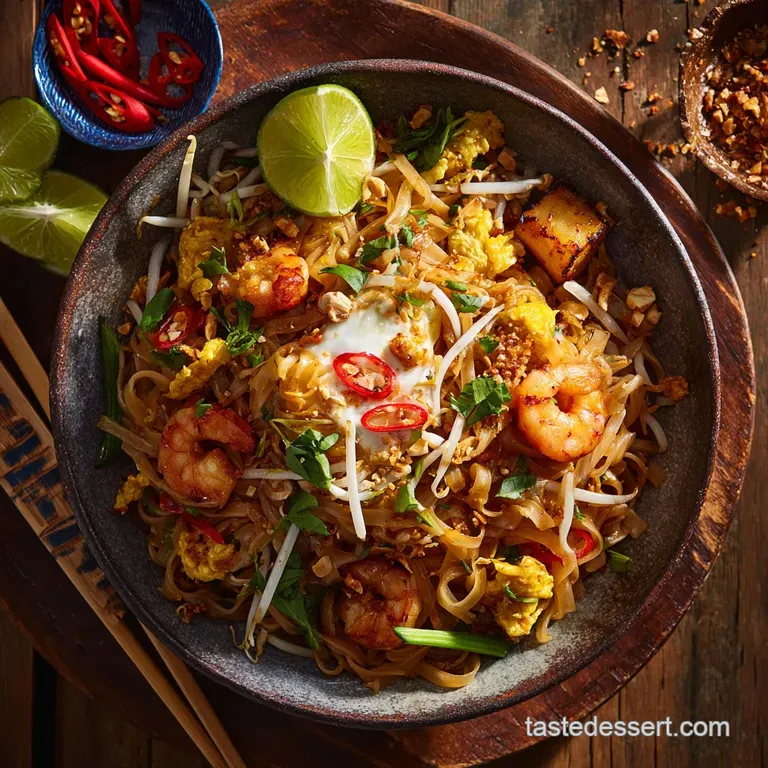
- Mastering the Art of Authentic Pad Thai at Home
- The Science Behind Perfect Pad Thai Texture and Flavor
- Essential Ingredients: Building Your Pad Thai Pantry
- Prep and Cook: Step-by-Step Instructions for the Ultimate Pad Thai
- Troubleshooting Common Pad Thai Issues
- Make-Ahead, Storage, and Reheating Pad Thai
- Expert Serving Suggestions and Classic Garnishes
- Recipe FAQs
- 📝 Recipe Card
Mastering the Art of Authentic Pad Thai at Home
That sweet, sour, salty aroma hits you the second you start cooking, immediately transporting you to the chaotic, delicious streets of Bangkok. It’s glorious. The combination of chewy rice noodles, perfectly seasoned shrimp, and crunchy peanuts is instantly addictive, proving exactly why Pad Thai is a global superstar.
Seriously, stop ordering takeout right now. This Homemade Pad Thai recipe is ridiculously fast once you nail the prep, clocking in under 15 minutes of actual cook time.
Trust me, making the Best Pad Thai Recipe yourself is cheaper, healthier, and tastes miles better than anything delivered in a sweaty, oily container.
I’ve ruined enough batches over the years to know the critical mistakes mostly soggy noodles and weak, unbalanced sauce. We are going to nail the perfect balance today, achieving that deep, complex 'Takeaway Style' Pad Thai flavor without needing a commercial burner. Let’s get that wok smoking.
The Science Behind Perfect Pad Thai Texture and Flavor
What Makes 'Takeaway Style' Superior?
The magic word is balance. Authentic Pad Thai isn't just sweet; it must hit the four cornerstones: salty from the fish sauce, sweet from the sugar, sour from the tamarind, and spicy from the chili (which we add at the end).
Achieving 'Takeaway Style' means cooking fast and hot, ensuring the noodles are coated but beautifully chewy, not sticky.
The Essential Four: Decoding Pad Thai's Flavor Balance
Every single ingredient in the Pad Thai Sauce Recipe plays a crucial role. If you mess up the proportions of palm sugar, tamarind, and premium fish sauce, the whole dish falls apart it becomes either sickly sweet or overwhelmingly fishy.
I learned the hard way that you absolutely need the sour counterpoint of tamarind to cut through the richness of the stir fry.
A Brief History of Thailand’s Famous Street Noodle
Pad Thai is relatively modern, actually. It was popularized during World War II as a way to promote nationalism and boost rice consumption in Thailand. It successfully became the national dish, quickly transforming into the savory, umami rich street food we know and love today.
Tamarind: The Unskippable Ingredient for Sour Depth
If you only take one tip from me, let it be this: Do not skip the tamarind. Lime juice is lovely, but tamarind paste provides a deep, fruity, complex sourness that lime simply cannot replicate. Look for the jarred paste (sometimes labeled pulp), not the thin brown concentrate.
Achieving the Perfect Wok Hei (Smoky Street Food Flavor)
"Wok hei" translates roughly to the "breath of the wok." It’s that wonderfully smoky, slightly charred aroma you get from over high heat cooking. You achieve this at home by using a large, hot wok and avoiding crowding the pan cook in small batches if your stove isn't powerful enough.
High heat is non-negotiable for real Pad Thai.
The Critical Noodle Rehydration Technique
This is where 90% of home cooks fail, turning their rice noodles into a giant, gooey clump. You must only soak the Pad Thai Noodles in hot tap water, not boiling, until they are pliable but still seriously firm we call this "al dente." The noodles finish cooking by absorbing the sauce in the wok, which gives them that wonderful chewy texture.
Essential Ingredients: Building Your Pad Thai Pantry
This ingredient list looks long, but most items keep forever in the fridge or pantry, making this a great go-to recipe. These specific ingredients are what make the difference between a sad, brown bowl and the truly Authentic Pad Thai experience.
Choosing the Right Rice Noodle: Thickness and Soak Times
I always reach for medium flat rice noodles (Sen Lek), usually about 3 5 mm thick. Thin noodles disintegrate easily, and super thick ones take too long to cook. Remember that critical soak time: 30 to 45 minutes in warm water is usually perfect, depending on the brand.
Detailed Notes on Fish Sauce and Dried Shrimp Integrity
Use a quality fish sauce; it should be clear and amber colored, not cloudy or overly dark. That salty punch is the backbone of the entire dish. The dried shrimp are technically optional, but they add an incredible, funky depth of umami that screams "authentic Thai street food."
The Ultimate Homemade Pad Thai Sauce Ratio
My ratio is slightly high on the tamarind because I love that bright, sour edge. We combine palm sugar (for earthy sweetness), tamarind, and fish sauce, adding a bit of water to ensure the sugar dissolves quickly.
Always taste the sauce before it hits the noodles you want it intense, because it will be diluted by the noodles and veggies.
Smart Substitutions for Authentic Ingredients
Don't panic if you can't find everything; flexibility is key to home cooking.
| Ingredient Missing | Viable Substitute | Notes |
|---|---|---|
| Tamarind Paste | Lime juice + 1 Tbsp Ketchup | The ketchup provides necessary thickness and fruity depth. |
| Palm Sugar | Light Brown Sugar | Palm sugar is more complex, but packed brown sugar works fine. |
| Dried Shrimp | Anchovy Paste (1 tsp) or extra Fish Sauce | Boosts the essential savory, umami flavor. |
| Garlic Chives | Spring Onion (Scallions) | Use the green parts, cut into 1 inch lengths. |
Prep and Cook: step-by-step Instructions for the Ultimate Pad Thai
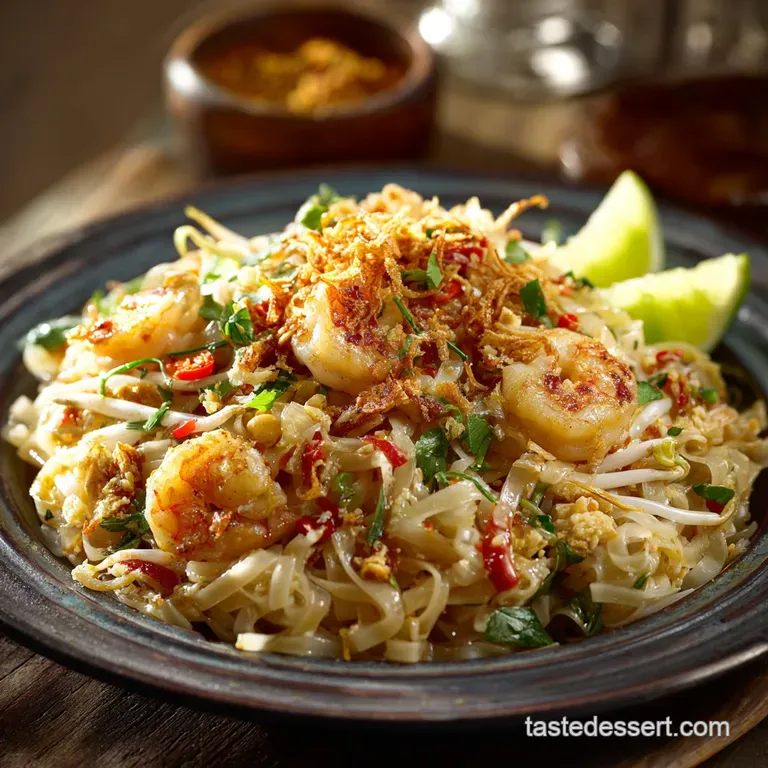
Phase 1: Preparation is Key (Mis-en-place)
Get everything chopped, measured, and positioned by your stove this dish moves way too fast for you to pause and find the bean sprouts. Soak those noodles (30 45 min), drain them immediately, and whisk together your Pad Thai Sauce . Shell and devein your shrimp, too.
Phase 2: Building the Sauce Base and Aromatics
Get the wok screaming hot before you add the oil. Quickly cook your shrimp until they are just pink, then use a spider or slotted spoon to scoop them out and set them aside. Next, add the preserved radish, dried shrimp, shallots, and garlic, stirring constantly for about 45 seconds until gorgeously fragrant don't let the garlic burn!
Phase 3: Frying the Noodles and Final Tossing
Push the aromatics to the side, drop in the lightly beaten eggs, and scramble them quickly. As soon as the eggs are mostly set, introduce the drained rice noodles and pour over two-thirds of the pre-made Pad Thai sauce.
Toss aggressively over high heat, allowing the noodles to absorb the liquid and finish cooking this takes about 2 to 3 minutes. If they are stiff or sticking, add a splash of water, not more oil.
How to Serve Your Homemade Pad Thai
Once the noodles are tender and perfectly coated, toss the reserved shrimp, garlic chives, and most of the bean sprouts back in. Cook for only 30 seconds to warm them up and slightly wilt the chives. Taste and adjust the seasoning one last time. Serve immediately, topped with crushed peanuts and a mandatory lime wedge.
Troubleshooting Common Pad Thai Issues
Preventing Soggy or Clumpy Noodles
This is all about the pre-soak, period. If your noodles come out mushy, you soaked them too long or used water that was too hot. They should feel hard and almost breakable after soaking but pliable enough to bend. Also, ensure your wok heat is high enough to evaporate the moisture rapidly.
The Danger of Overcooking the Egg Curd
The egg should look like lacy ribbons mixed throughout the noodles, not giant rubbery clumps. Adding the eggs to the side of the wok and scrambling them before mixing with the noodles ensures they set quickly and mix seamlessly into the overall texture.
Adjusting the Heat and Sweetness Post Cook
If your finished dish tastes too bland, a tiny drizzle of fish sauce can fix the saltiness. If it's too sweet, a good squeeze of fresh lime juice (use one of your garnishes!) will balance the tamarind and sugar perfectly. If you’re a spice fanatic, you should totally try making a bowl of Tom Yum Soup Quick Thai Flavor at Home alongside this!
make-ahead, Storage, and Reheating Pad Thai
Can You Make the Sauce Ahead of Time?
Yes, and you absolutely should! Make a double batch of the Pad Thai Sauce and keep it tightly sealed in the refrigerator for up to two weeks. This simple trick makes the weeknight cooking time ridiculously short.
Best Practices for Refrigerating Leftovers
Shrimp Pad Thai stores well, surprisingly. Let the leftovers cool completely, then place them in an airtight container in the fridge for up to 3 days. Past that, the noodles start to degrade and become very dry and brittle.
Revitalizing Dry Day-Old Noodles
Never microwave cold Pad Thai straight out of the fridge it dries out the noodles instantly. Instead, toss the leftovers in a hot, lightly oiled wok or skillet for about 60 seconds.
Add a tiny splash (1 2 teaspoons) of water or reserved Pad Thai sauce to create steam, which gently rehydrates the rice noodles and makes them wonderfully chewy again.
Expert Serving Suggestions and Classic Garnishes
You need textural contrast to make this dish sing. Serving Pad Thai with just the noodles is a crime!
- Fresh Lime: Non-negotiable! The acidic juice brightens the whole dish right before you eat it.
- Crushed Peanuts: Provides essential crunch and earthy flavor.
- Raw Bean Sprouts: Reserve a handful for serving on the side; they deliver a clean, refreshing bite.
If you’re hosting a full Thai dinner, this Pad Thai pairs brilliantly with something grilled and aromatic, like our amazing Coconut Red Curry Shrimp Skewers: Easy Thai Grilled Recipe . The richness of the noodles cuts through the bright curry flavor beautifully.
Recipe FAQs
Why is my Pad Thai dry and sticky instead of coated and glossy?
This is usually caused by insufficient moisture or overcooking the noodles after the sauce is added. Ensure your noodles are only 80% tender (very al dente) before stir frying, as they will absorb the remaining liquid quickly.
If the wok seems dry during the final toss, add 1 to 2 tablespoons of reserved noodle soaking water or chicken stock to create steam and loosen the noodles.
How can I make this Pad Thai recipe vegan or vegetarian?
To adapt the recipe, substitute the fish sauce with an equal amount of light soy sauce or tamari for depth and saltiness, and omit the dried shrimp. Use firm, pressed tofu cubes, pan-fried until golden, as the primary protein source.
Ensure your sugar source is vegan (use agave or maple syrup instead of certain refined white sugars).
I can’t find tamarind paste. What is the best substitute?
While tamarind offers a unique deep, fruity sourness, you can approximate the flavor using substitutes. Mix lime juice and brown sugar (a 2:1 ratio of lime juice to brown sugar) or use rice vinegar combined with a small amount of prune juice or concentrated orange juice.
Adjust the quantity slowly, tasting often, to match the desired tangy base.
Do I have to boil the rice stick noodles, or is soaking sufficient?
Soaking is the preferred method for Pad Thai noodles as it allows for better control and prevents the noodles from becoming waterlogged. Soak the dried rice noodles in hot (but not boiling) tap water for about 20 30 minutes until they are pliable but still have a firm resistance in the middle.
They will finish softening perfectly when added to the hot wok with the sauce.
How do I adjust the flavor balance of the sauce if it turns out too sweet or too sour?
Pad Thai is all about balance: if it is too sweet, stir in extra lime juice or a splash of rice vinegar to cut the sugar. If it is too sour, add a small pinch more palm sugar or regular brown sugar until the flavors harmonize.
Remember that the fresh lime wedge served alongside is essential for brightening the final dish just before serving.
What is the best way to store and reheat leftover Pad Thai?
Store leftovers in an airtight container in the refrigerator for up to three days. The best way to reheat is by quickly stir frying the noodles in a very hot wok or large skillet with a tiny splash of oil or water. Avoid the microwave, which typically results in tough, clumpy noodles that lose their appealing texture.
My Pad Thai sauce lacks that deep red-brown color found in restaurants. How can I fix this?
The characteristic color comes primarily from a quality dark tamarind paste and, critically, from chili paste or paprika and sometimes a touch of tomato paste. If you desire a deeper hue without adding more heat, incorporate a teaspoon of good quality sweet dark soy sauce (kecap manis), ensuring you reduce other salty elements accordingly.
Cooking the sauce down slightly until thickened before adding the noodles will also intensify the color.
Ultimate Takeaway Pad Thai Recipe
Ingredients:
Instructions:
Nutrition Facts:
| Calories | 682 kcal |
|---|---|
| Protein | 0.0 g |
| Fat | 0.0 g |
| Carbs | 0.0 g |
