Valentine Ganache Cookies
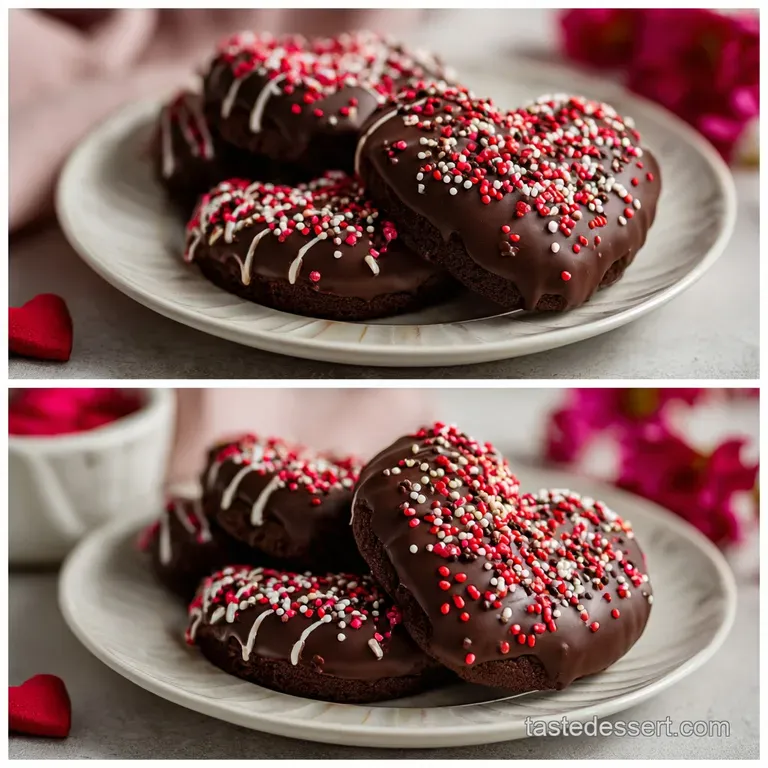
- Time: Active 42 minutes, Passive 1 hour, Total 1 hour 42 minutes
- Flavor/Texture Hook: Shattering cocoa shortbread meets a velvety, melt in-the mouth center
- Perfect for: Valentine's Day gifts, romantic dessert platters, or high end cookie swaps
- Mastering Our Favorite Valentine ganache cookies
- Vital Timing and Batch Size Specs
- Deep Dive Into Key Cocoa Ingredients
- Essential Tools for Precision Baking
- Steps for Homemade Valentine ganache cookies
- Fixes for Common Cookie Problems
- Flexible Swaps for Different Diets
- Storing Your Sweet Chocolate Treats
- Pairing Ideas for Dessert Success
- Recipe FAQs
- 📝 Recipe Card
Mastering Our Favorite Valentine ganache cookies
The scent of dark cocoa hitting cold, creamed butter is a sensory trigger that always signals something special is happening in my kitchen. When I first tried making Valentine ganache cookies, I struggled with the dough spreading into sad, unrecognizable blobs that looked nothing like hearts.
It took a few messy batches to realize that the secret isn't just in the ingredients, but in the thermal control of the fats.
This recipe is about the contrast between a crisp, slightly bitter cocoa exterior and a rich, fudge like interior. We aren't just making a snack, we're building layers of chocolate intensity that vary in texture and temperature.
I've found that using Dutch process cocoa is non negotiable here if you want that deep mahogany color and a smooth, mellow flavor that doesn't bite back with too much acidity.
You'll find that the dough behaves almost like a sugar cookie but with the sophisticated soul of a truffle. It's a joyful process to roll out the dark, earthy dough and stamp out those precise shapes.
Trust me, once you see that glossy ganache being piped onto a perfectly baked heart, you'll understand why this is my go to for showing someone I care.
The Science of Why it Works
Protein Structure: The addition of a single egg yolk provides lecithin, which acts as an emulsifier to bind the high fat butter and dry cocoa into a cohesive, non crumbly dough.
Starch Gelatinization: Using powdered sugar instead of granulated sugar ensures a tighter crumb and prevents spreading, as the cornstarch in the sugar absorbs excess moisture during the bake.
Vital Timing and Batch Size Specs
Getting the timing right is the difference between a cookie that snaps and one that is simply hard. I always set a timer for the chilling phases because if the butter gets too warm, the intricate edges of your heart shapes will melt into the tray.
We are looking for a specific window of doneness where the edges are firm but the center still holds a tiny bit of give.
| Feature | Specification | Detail |
|---|---|---|
| Total Yield | 24 sandwich cookies | 48 individual shells total |
| Baking Temperature | 350°F (175°C) | Center rack placement is best |
| Dough Chill Time | 1 hour | Minimum time for gluten relaxation |
I've learned the hard way that trying to rush the cooling process for the ganache results in a runny mess that slides right off the cookie. Patience is your best friend when working with chocolate emulsions. You want the filling to be the consistency of peanut butter before you even think about assembly.
Deep Dive Into Key Cocoa Ingredients
Selecting your chocolate is where the flavor profile really comes to life. Since the cocoa powder provides the structural base and the dark chocolate provides the heart of the filling, don't reach for the cheap stuff.
I prefer a dark chocolate with at least 60% cacao to ensure the sweetness of the powdered sugar is well balanced by a sophisticated bitterness.
| Ingredient | Science Role | Pro Secret |
|---|---|---|
| Dutch process Cocoa | Lowers acidity for deep color | Sift it twice to prevent bitter clumps |
| Unsalted Butter | Provides "shatter" texture | Keep it cubed and cold for flakey layers |
| Powdered Sugar | Prevents cookie spreading | Measuring by weight avoids a dry dough |
| Dark Chocolate (60%) | Sets the ganache structure | Chop into tiny shards for faster melting |
The fat content in the heavy cream is also vital. You need at least 36% milk fat to ensure the ganache stabilizes properly. If the fat content is too low, the filling will remain liquid at room temperature, making the cookies impossible to handle without a napkin. Just like when I'm making my Aunt Millies Butter recipe, the quality of your dairy will dictate the final mouthfeel of the bake.
Essential Tools for Precision Baking
You don't need a professional bakery setup, but a few specific items make this much easier. A rolling pin with thickness rings is a total lifesaver for ensuring every heart is exactly the same height. This ensures they all bake at the same rate and sandwich together without looking lopsided.
- Heart shaped cutters: 2 inch diameter works best for the perfect bite size.
- Piping bag: With a small round tip for clean ganache application.
- Fine mesh sieve: To ensure the cocoa and flour are airy and lump free.
- Silicone baking mats: These provide a consistent heat surface compared to parchment.
I often use a stand mixer such as a KitchenAid to cream the butter and sugar. It incorporates just enough air without over working the gluten. If you over mix, you'll end up with a tough cookie that lacks that signature shortbread snap.
Steps for Homemade Valentine ganache cookies

Phase 1: The Shattering Dough
- Whisk the 250g all purpose flour, 45g cocoa powder, and 0.5 tsp sea salt. Note: This aerates the dry base for a lighter texture.
- Cream the 225g cold cubed butter and 100g powdered sugar until pale. Note: Do this for 3 minutes until no large butter chunks remain.
- Add the 1 egg yolk and 0.5 tsp vanilla bean paste to the butter mixture. Mix until the yellow streaks disappear.
- Fold in the dry ingredients on low speed. Stop as soon as the dough looks like dark, wet sand.
- Press the dough into a flat disk and wrap tightly in plastic. Note: Flattening it now makes it easier to roll later.
- Chill the dough for at least 1 hour. The dough should feel firm and cold to the touch.
Phase 2: Cutting and Baking
- Roll the dough between two sheets of parchment to 1/8 inch thickness. Note: This prevents the dough from sticking without adding extra flour.
- Cut out heart shapes and place on a lined tray. Leave 1 inch of space between each cookie.
- Bake for 12 minutes until the surface looks matte and the edges feel set.
- Allow cookies to cool completely on the tray. Moving them too early will cause them to snap.
Phase 3: The Ganache Tempering
- Place 200g finely chopped dark chocolate in a glass bowl. Note: Smaller pieces melt more evenly.
- Heat 120ml heavy cream and 1 tsp corn syrup until it begins to simmer. Watch for small bubbles around the edges.
- Pour the hot cream over the chocolate and let it sit for 2 minutes. Note: This allows the heat to penetrate the chocolate core.
- Whisk gently from the center outward until the mixture is glossy and dark.
Phase 4: Finishing the Hearts
- Let the ganache thicken at room temperature for 30 minutes. It should hold its shape when lifted with a spoon.
- Pipe a small amount of ganache onto the bottom of one cookie. Note: Stay 1/4 inch away from the edges.
- Press a second cookie on top gently. Stop when the filling reaches the very edge.
Fixes for Common Cookie Problems
The biggest hurdle with ganache cookies is usually the stability of the filling or the texture of the dough. I once made a batch where the ganache was so oily it just separated into a puddle. I learned that boiling the cream too vigorously can actually break the chocolate's emulsion, leading to a greasy mess.
Fixing Grainy or Broken Ganache
If your ganache looks curdled, the temperature was likely too high or you stirred too aggressively. You can usually save it by adding a teaspoon of room temperature heavy cream and whisking very slowly. The goal is to re establish the fat in-water emulsion without introducing more air.
Fixing Cookies That Spread
If your hearts look like round blobs after baking, your butter was too warm when it hit the oven. To prevent this, place the cut out cookies on their baking sheet into the freezer for 10 minutes before sliding them into the oven.
This "shocks" the butter, keeping the shape locked in place while the structure sets.
| Problem | Root Cause | Solution |
|---|---|---|
| Dry, Crumbly Dough | Too much flour or cocoa | Add 1 tsp of cold water and knead briefly |
| Ganache is Runny | Not enough chill time | Refrigerate for 15 mins then whisk again |
| Cookies are Tough | Over mixing the flour | Mix only until the white streaks vanish |
Chef's Tip: If you want an even deeper chocolate experience, add a pinch of espresso powder to the flour. It won't taste like coffee, but it makes the chocolate flavor feel much more "three dimensional."
Flexible Swaps for Different Diets
We all have friends with different needs, and luckily this recipe is quite sturdy. You can swap ingredients without losing that luxurious feel, though the texture might shift slightly. For instance, if you're looking for a different flavor profile for your filling, you might get inspiration from the Fudgy Peanut Butter recipe which uses a thicker, nut based center.
| Original Ingredient | Substitute | Why It Works |
|---|---|---|
| All purpose Flour | gluten-free 1:1 blend | Use a blend with xanthan gum for structure |
| Heavy Cream | Full fat Coconut Milk | Similar fat content. Note: Adds a slight tropical flavor |
| Unsalted Butter | Vegan Butter Sticks | Use sticks, not tub margarine, for stability |
When using a gluten-free substitute, I've noticed the dough can feel a bit more "sandy." Don't be afraid to let it rest in the fridge an extra 30 minutes to allow the alternative flours to fully hydrate. This prevents the cookies from feeling gritty on the tongue.
Storing Your Sweet Chocolate Treats
These cookies actually taste better the day after they are made. The moisture from the ganache slightly softens the inner layer of the shortbread, creating a texture that is both crisp and fudgy.
I recommend storing them in a single layer if possible, or using parchment paper between layers to prevent the hearts from scuffing each other.
- Fridge: Store in an airtight container for up to 5 days. The ganache will firm up, so let them sit at room temperature for 10 minutes before eating.
- Freezer: You can freeze the filled cookies for up to 2 months. Thaw them overnight in the refrigerator.
- Zero Waste: If you have leftover ganache, roll it into small balls and coat them in cocoa powder to make quick truffles. Leftover cookie scraps can be baked, crushed, and used as a topping for ice cream.
I've found that keeping them in a cool, dry place is better than a humid kitchen counter. If the room is too warm, the ganache can become overly soft, making the sandwich "slide" when you take a bite.
Pairing Ideas for Dessert Success
To truly celebrate the flavor layers in these Valentine ganache cookies, you want to serve them with something that cuts through the richness. A tart raspberry coulis or a glass of cold, creamy milk is classic. If you're hosting a party, a spread of these dark hearts next to some lighter Soft and Chewy recipe treats creates a beautiful visual and textural contrast.
- Fresh Berries: Strawberries or raspberries highlight the fruity notes in high-quality dark chocolate.
- Coffee: A sharp espresso balances the sweetness of the powdered sugar.
- Sparkling Wine: The bubbles cleanse the palate between bites of the dense ganache.
Precision Checkpoints: 1. Ensure your butter is exactly 60°F (15°C) when you start creaming to avoid over aeration. 2. The ganache should reach 85°F (29°C) before you start piping for the best "set." 3.
Bake exactly 2 trays at a time to ensure even airflow in a standard oven.
My Triple Chocolate Myth Busting
One common myth is that you need to use "baking chocolate" bars for ganache. In reality, any high-quality chocolate bar will work as long as it isn't "tempered" with too many stabilizers like those found in chocolate chips. Another myth is that the dough must be room temperature to roll out.
Actually, rolling it while slightly cold prevents the butter from melting and sticking to your pin.
Decision Shortcut
- If you want a crunchier cookie, bake for an extra 2 minutes.
- If you want a softer, truffle like bite, increase the heavy cream by 10ml.
- If you want a matte finish, omit the corn syrup from the ganache.
Stovetop vs Oven for Ganache
While some people melt everything in the oven's residual heat, I always recommend the stovetop method for the cream. It gives you much more control over the simmer point.
| Method | Control Level | Best For |
|---|---|---|
| Stovetop Cream | High | Achieving a perfect emulsion without burning |
| Microwave | Low | Quick melting but risks "seizing" the chocolate |
| Double Boiler | Medium | Keeping ganache melted during long assembly |
The double boiler is a great middle ground if you are decorating a large batch and don't want the chocolate to set too quickly in the bowl. Just make sure no steam or water droplets get into the chocolate, or it will seize into a grainy clump instantly. Trust me, I've made that mistake more than once!
FAQ: Your Cookie Problems Solved
Can I use milk chocolate for the filling? Yes, but you will need to reduce the amount of heavy cream. Milk chocolate has more milk solids and sugar, making it softer at room temperature. Use 80ml of cream instead of 120ml to ensure it sets firmly enough to sandwich.
Why did my cookies lose their heart shape? This usually happens because the dough was too warm or there was too much leavening. This recipe uses no baking powder or soda specifically to keep the edges sharp. Always chill the cut shapes before they go into the heat.
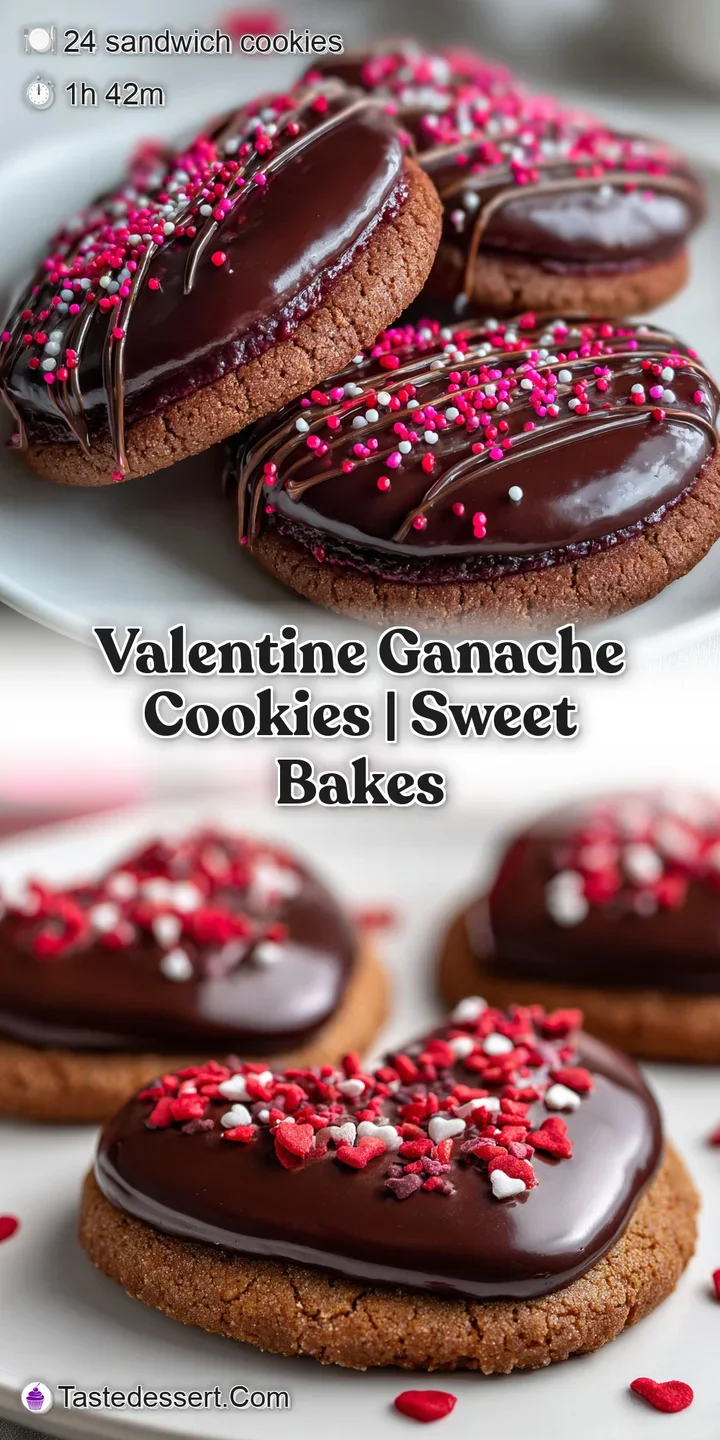
How do I get the ganache to look glossy? The light corn syrup is the secret ingredient here. It's an inverted sugar that prevents the chocolate from crystallizing, giving you that professional, mirror like shine that looks so beautiful on a Valentine's platter.
Recipe FAQs
What makes these ganache cookies perfect for Valentine's Day?
Their rich chocolate flavor and elegant heart shape make them ideal. They offer a sophisticated contrast between a crisp, cocoa shortbread and a velvety ganache center, perfect for gifting or sharing.
Can I substitute the Dutch process cocoa powder?
No, stick with Dutch process for best results. It provides a smoother, less acidic flavor and a deeper color essential for the cookie's profile. Natural cocoa will alter both the taste and appearance.
Why is chilling the dough so important?
Chilling solidifies the butter, preventing spread. Cold butter won't melt as quickly in the oven, ensuring your heart shapes maintain their crisp edges and definition.
How do I achieve a glossy ganache filling?
Use high-quality dark chocolate and a touch of corn syrup. The corn syrup acts as an invert sugar, preventing crystallization and giving the ganache that professional, mirror like shine.
My cookies spread too much, what went wrong?
Your butter was likely too warm when baking. To fix this, try freezing the cut-out cookies on their baking sheet for 10 minutes before oven time; this 'shocks' the butter and locks in the shape.
Can I make the ganache filling ahead of time?
Yes, but with a caveat. Prepare the ganache and let it thicken at room temperature. If it becomes too firm, gently warm it slightly before piping; over warming can break the emulsion.
What's the secret to a crisp, shortbread texture?
Using cold, cubed butter and powdered sugar is key. This technique ensures minimal gluten development and keeps the fat intact, leading to that signature "shatter" texture similar to the one achieved in our Best Ever Buttery Shortbread Cookies Recipe Simple Crisp.
Valentine Ganache Cookies

Ingredients:
Instructions:
Nutrition Facts:
| Calories | 192 calories |
|---|---|
| Protein | 2.2 g |
| Fat | 13.1 g |
| Carbs | 18.1 g |
| Fiber | 1.3 g |
| Sugar | 8.4 g |
| Sodium | 46 mg |
