Vegan Thai Pumpkin Curry: Creamy Fiery Autumn Meal
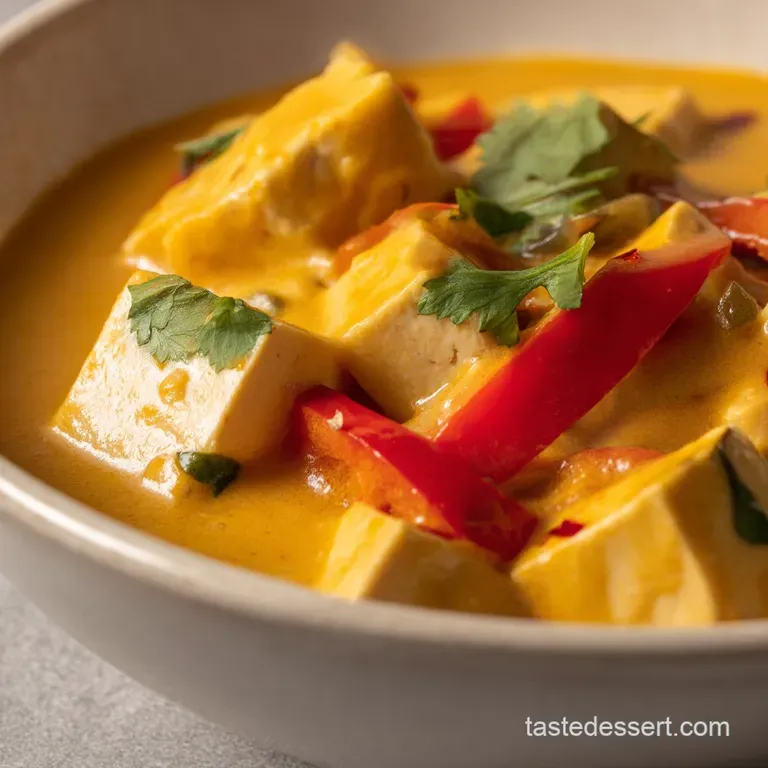
- The Ultimate Autumn Comfort: Vegan Thai Pumpkin Curry
- Essential Components: Ingredients for the Perfect Plant-Based Curry
- Flavor Science: Why This Creamy Thai Curry Excels
- From Prep Bowl to Plate: The Method for Making Thai Pumpkin Curry
- Expert Tips and Troubleshooting Your Thai Pumpkin Curry
- Meal Prep Guide: Storing and Reheating Your Curry
- Presentation and Pairing: How to Serve This Vibrant Dish
- Recipe FAQs
- 📝 Recipe Card
The Ultimate Autumn Comfort: Vegan Thai Pumpkin Curry
The second the red curry paste hits the hot oil, you know exactly what kind of night it's going to be. That incredible, immediate rush of lemongrass, galangal, and chile fills the kitchen.
This Vegan Thai Pumpkin Curry isn't just a warming bowl; it’s an aromatic hug that transports you straight to Southeast Asia. The pumpkin melts into the coconut milk, creating a sauce so velvety smooth and rich, you’ll forget it’s totally plant based.
Look, we all have those evenings where ordering takeout seems like the path of least resistance. But trust me, this recipe is faster, cheaper, and infinitely more satisfying than waiting for delivery.
With minimal chopping and about 30 minutes of active cooking, you can have a truly restaurant quality, healthy meal on the table. It’s perfect for busy weeknights when you still want something deeply comforting and flavourful.
I’ve been making various pumpkin curries for years, learning exactly which techniques transform a good curry into a great one. We’re going to cover the secret to developing maximum flavor from the paste and how to achieve perfectly tender pumpkin every single time.
Get your wok ready, because mastering this Vegan Thai Pumpkin Curry recipe starts right now.
A Central Thai Classic, Plant Based Reinvented
Traditional Thai red curry often relies on fish sauce and sometimes shrimp paste, but our plant based twist loses none of the complexity. We substitute the traditional umami boosters with high-quality tamari or dark soy sauce, ensuring that savory depth remains intact.
We utilize the natural sweetness and thickness of the pumpkin itself, specifically varieties like Kabocha or Sugar Pumpkin, which break down just enough to thicken the sauce without needing any extra starch.
Mastering the Depth: Why This Curry is Different
The magic of any great Thai curry lies in the oil break —a technique we absolutely must employ here. This simply means frying the curry paste directly in the fat (oil or the separated coconut cream) until the oils in the paste fully separate and bloom.
This intense heat releases the volatile oils from the spices, deepening the flavour profile from a one-note spice bomb to a complex, savory masterpiece. This specific approach to making Vegan Thai Pumpkin Curry is the foundation of its superior taste and texture.
Prep Time vs. Cook Time: A Quick Weeknight Meal
The most time consuming part of this Vegan Thai Pumpkin Curry is honestly just peeling and chopping the squash. If you use pre-cut butternut squash, you can shave off ten minutes instantly.
We pair it with quickly pressed and seared tofu this brief sear adds crucial texture that prevents the tofu from becoming sad and soft when simmering. Once the prep is done, the actual cook time is wonderfully swift.
Essential Components: Ingredients for the Perfect Plant Based Curry
Getting the ingredients right is half the battle for a truly stellar Vegan Thai Pumpkin Curry . Quality over quantity always applies here. Don't skimp on the full fat coconut milk; that's our creamy base!
Choosing Your Star Vegetable: Best Types of Pumpkin (or Squash) for Curry
The type of pumpkin or squash you choose makes a huge difference in the final texture of your curry. You are looking for dense, relatively low-water squashes that hold their shape but still soften beautifully.
My Top Picks:
- Kabocha Squash: My personal favorite. It has an earthy, slightly nutty flavor and a firm texture that manages to soften to a buttery consistency while maintaining its shape.
- Sugar Pumpkin: Often labeled "pie pumpkins," these are fantastic. They are dense and sweet, exactly what you want for a rich, warming curry.
- Butternut Squash: The easiest to find and peel. While slightly sweeter, it’s a brilliant substitute if you can’t source the others.
Chef's Note: Avoid carving pumpkins (Jack-o'-lanterns). They are too watery and stringy; they will make your Vegan Thai Pumpkin Curry watery and bland.
Tofu Prep: Pressing and Browning Techniques for Optimal Texture
If you skip pressing your tofu, you are basically adding a sponge filled with water to your beautiful sauce. Pressing removes that excess liquid, allowing the tofu to absorb the incredible curry flavour instead.
| If you don't have... | Use this instead... | Note |
|---|---|---|
| Kabocha or Sugar Pumpkin | Butternut Squash or Sweet Potato | Butternut squash is the closest flavour/texture match. |
| Firm or Extra Firm Tofu | Canned, drained chickpeas or white beans | Add these in Stage Two (Simmering) to allow them to absorb the spices fully. |
| Kaffir Lime Leaves | The zest of one small lime (no pith!) | The aroma is distinct, but the zest will provide a similar brightness. |
Decoding Red Curry Paste: Finding a Quality Vegan Brand
This is where many people mess up their Vegan Thai Pumpkin Curry unintentionally. Always, always check the ingredients list on your red curry paste. Brands like Mae Ploy and many generic store brands contain shrimp paste, rendering them non-vegan. Look for specifically labeled vegan options.
I prefer Aroy-D or Thai Kitchen if I’m in a pinch, but a quick trip to an Asian grocer usually yields the best quality paste.
Achieving Velvety Texture: The Role of Coconut Milk and Pumpkin Starch
We rely entirely on two things for the luxurious, velvety texture: high fat coconut milk and the natural starches released by the pumpkin as it simmers. The secret is using full fat coconut milk, not the light stuff.
The light coconut milk simply doesn't have the volume of fat needed to create that creamy mouthfeel and properly carry the complex spice flavors of the Vegan Thai Pumpkin Curry .
Flavor Science: Why This Creamy Thai Curry Excels
This recipe excels because it focuses intensely on building flavor layers, starting with the dry spices in the paste and ending with the fresh, acidic pop of lime. We cook the pumpkin just until it's tender, preventing it from dissolving entirely but allowing the edges to soften and thicken the sauce beautifully.
It’s a harmonious blend of creamy richness and vibrant spice.
From Prep Bowl to Plate: The Method for Making Thai Pumpkin Curry
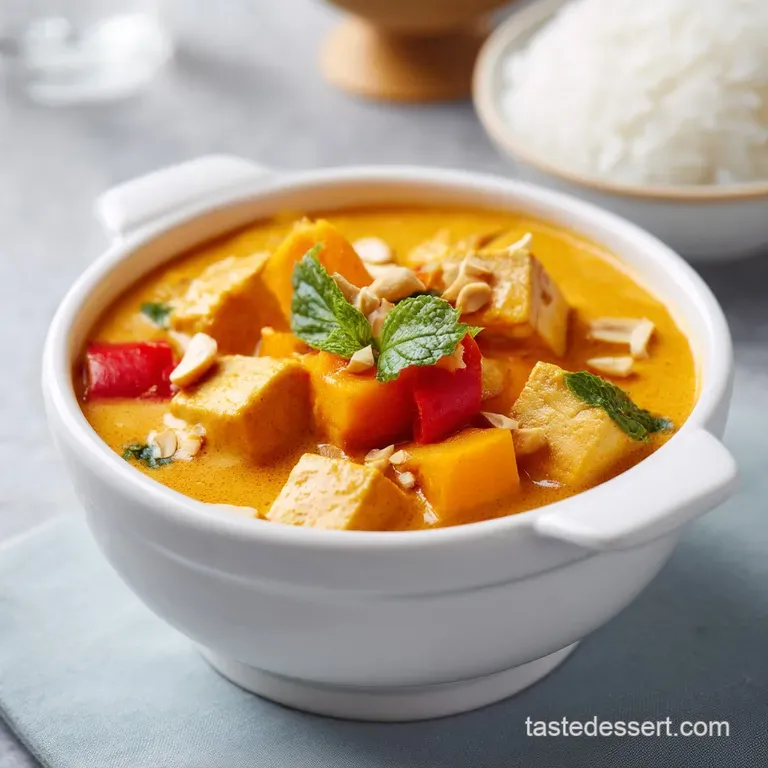
Stage One: Building the Aromatic Base (Sautéing the paste)
Once your tofu is pressed and your pumpkin is chopped, it’s time to cook. Heat the oil in your wok over medium heat until shimmering. Add your prepared and cubed tofu, searing it until it is golden brown and slightly crispy on all sides.
Take it out, set it aside, and resist the urge to nibble it all before the curry is ready.
Lower the heat slightly. Now, add your four tablespoons of vegan red curry paste. Stir it constantly for 1 to 2 minutes. You are literally frying the paste. This is the key step.
You should see the paste darken and the oil start to separate, indicating the deep flavor is unlocking. Then, toss in the sliced shallots or onion and cook until softened about 3 minutes.
Finally, add the garlic and ginger, cooking just until fragrant (30 seconds), but do not let the garlic burn!
Stage Two: Simmering for Softness (Introducing the pumpkin)
Deglaze the pot with a splash of stock, scraping up any browned bits from the bottom. Pour in both cans of full fat coconut milk and the remaining stock. Drop the heat to a simmer.
Add your pumpkin cubes, the sliced red bell pepper, and the Kaffir lime leaves (make sure you score them with a knife first that maximizes the aroma release).
The beauty of this Vegan Thai Pumpkin Curry is its low and slow simmer. Let it cook gently for 15 to 20 minutes, stirring occasionally. You are looking for the pumpkin to be tender but still slightly firm; we don't want pumpkin mash.
This is the stage where all the flavors marry and the sauce thickens naturally.
Stage Three: The Final Seasoning and Tofu Integration
Once the pumpkin is tender, stir the seared tofu back into the pot. If using spinach or kale, toss it in now and let it wilt for 2 to 3 minutes. Remove and discard the Kaffir lime leaves. Now for the crucial balance: add the soy sauce/tamari and the brown sugar. Taste it.
Does it need more depth? More soy. Too spicy? More sugar or a tiny splash more coconut milk.
The very final step, right before serving, is the lime juice. Fresh lime juice is mandatory; it provides the bright, acidic finish that lifts the entire Vegan Thai Pumpkin Curry and prevents it from tasting heavy or dull.
Stir it in and serve immediately, garnished with a generous scattering of torn fresh Thai basil leaves.
Pro Tip: How to Achieve the ‘Oil Break’ for Maximum Flavor
The ‘oil break’ means ensuring your fat is hot enough to literally fry the aromatics in the paste. I once just stirred the paste into the coconut milk without frying it first. Big mistake. The resulting curry was edible, but it lacked the deep, complex resonance I knew it could have.
It tasted like raw spices, not toasted depth. For the best Vegan Thai Pumpkin Curry results, use medium heat and dedicated fat, stir for the full 90 120 seconds, and watch for that color change.
Expert Tips and Troubleshooting Your Thai Pumpkin Curry
Too Thin or Too Thick? Adjusting Curry Consistency
If your Vegan Thai Pumpkin Curry is too thin after 20 minutes of simmering, there are two quick fixes. Either remove the lid and increase the heat slightly to encourage evaporation, or, even better, take out about 1/2 cup of the softest pumpkin pieces and mash them vigorously.
Stir the mash back into the sauce; the natural starch will instantly thicken the curry without resorting to cornstarch.
If it's too thick (maybe your coconut milk was ultra thick, or your squash broke down too much), simply add a splash of vegetable stock or water until you reach your desired consistency. Remember, it will thicken slightly as it cools.
Boosting Umami: The Role of Soy Sauce or Vegan Fish Sauce Alternatives
Umami is that savory, mouth filling flavor that makes you crave another bite. Since we aren’t using traditional fish sauce, we rely on the soy sauce or tamari for depth. If you want a more authentic, salty tang without the fish, try a quality vegan fish sauce substitute made from seaweed.
A dash of that will really elevate your Vegan Thai Pumpkin Curry . This delicious flavor depth is one reason this recipe is superior to takeout versions.
Does Pumpkin Curry Freeze Well? Best Practices for Thawing
You bet it freezes well! Vegan Thai Pumpkin Curry is an amazing meal prep staple. Because the base is entirely coconut milk and not dairy cream, it tends to thaw without separating or becoming grainy.
- Freezing: Cool the curry completely. Store it in airtight containers, leaving about an inch of headspace. It keeps beautifully for up to 3 months.
- Thawing: Thaw overnight in the fridge.
- Reheating: Reheat gently on the stovetop over medium low heat, stirring frequently. If it looks slightly separated, don't worry! A vigorous stir usually brings it right back together. If it’s too thick, add a tiny splash of water or stock.
Meal Prep Guide: Storing and Reheating Your Curry
This recipe is designed to be made ahead. Once cooled, store the Vegan Thai Pumpkin Curry in glass containers in the refrigerator for up to 4 days. It actually tastes better the next day, as the tofu and pumpkin have more time to soak up the aromatics. If you're looking for more quick, healthy prep ideas, this fits right alongside my recipe for Southwestern Black Bean Quinoa and Mango Medley Zesty Vegan Salad for a perfect week of lunches.
Presentation and Pairing: How to Serve This Vibrant Dish
Best Rice Varieties for Thai Curry Absorption (Jasmine vs. Brown)
For a dish like this, you need a side that is fluffy and fragrant, but also sturdy enough to soak up that creamy sauce.
- Jasmine Rice: The absolute champion. Its floral fragrance complements the Thai basil and lime beautifully. It’s also slightly sticky, perfect for scooping.
- Brown Rice: A great, healthy alternative. It offers a nuttier flavor and a chewier texture. Just ensure it's fully cooked and fluffed so it doesn't compete with the curry's softness.
Pairing this bright, hearty Vegan Thai Pumpkin Curry with rice is essential, but don't forget the garnishes! Fresh Thai basil is non-negotiable, but toasted cashews, fresh cilantro, and a few slivers of red chile provide texture and visual pop. And if you’re looking for a dessert that carries the autumn theme, my Pumpkin Cheesecake Shooters Ultra Creamy No-Bake Dessert Shots are the perfect light finish to this hearty meal.
I hope you love this Vegan Thai Pumpkin Curry as much as I do. It truly is the ideal marriage of comforting fall flavor and vibrant, authentic Thai spice.
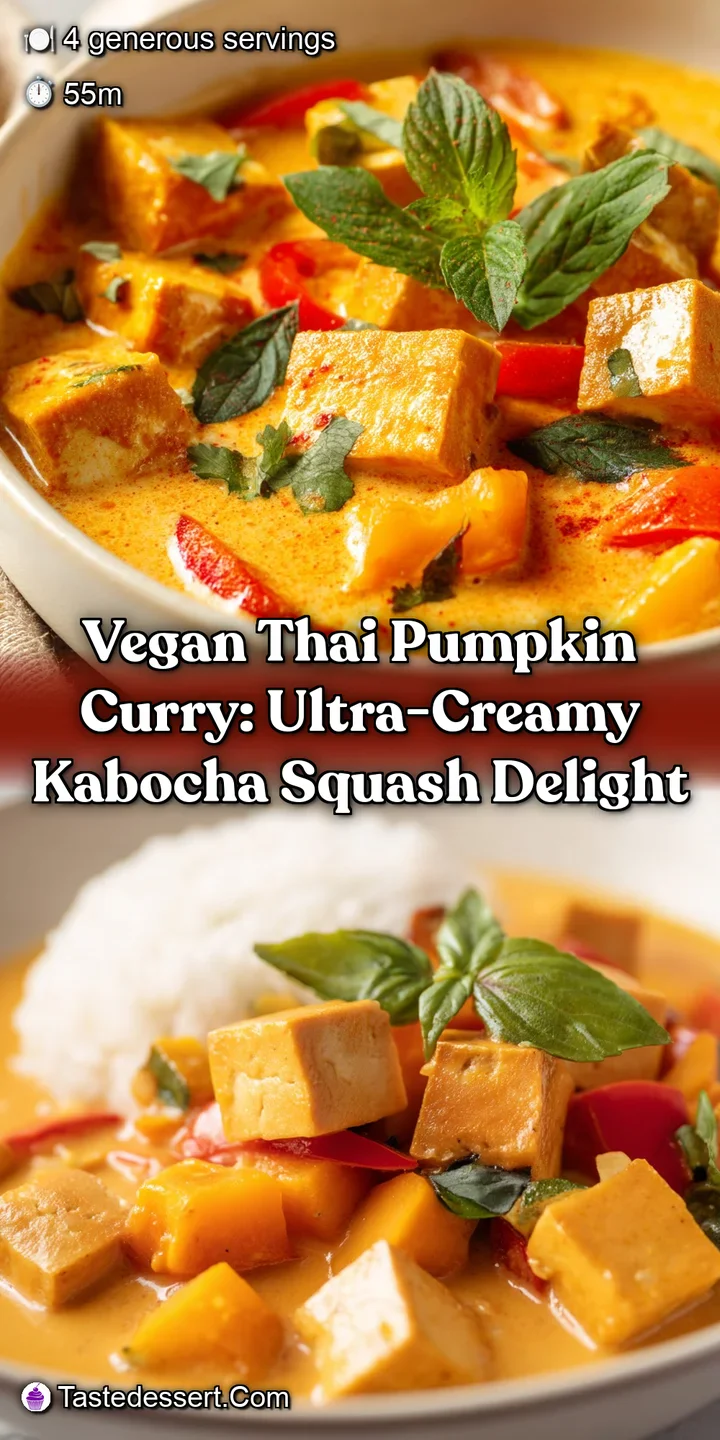
Recipe FAQs
Can I use pre-cut butternut squash instead of fresh pumpkin?
Absolutely. Butternut squash is an excellent and common substitute, offering a very similar texture and sweetness profile that pairs beautifully with the Thai spices. Ensure you cut the squash pieces to the same size as specified in the recipe so they cook evenly and become fork tender at the same time as the tofu.
How can I adjust the heat level of this curry?
The primary source of heat is the red curry paste, so you should adjust the amount used at the beginning of the cooking process. To reduce the heat, start with half the recommended amount and taste the sauce before adding more coconut milk.
To increase the heat, incorporate one thinly sliced bird’s eye chili during the initial sauté step, or serve with chili oil on the side.
What is the best type of tofu to use, and does it need to be pressed?
Firm or extra firm tofu is mandatory for this recipe, as silken tofu will disintegrate when simmered in the sauce. Yes, pressing the tofu is crucial to expel excess water, which allows the pieces to better absorb the rich curry flavors and achieve a pleasingly chewy texture.
Pat the pressed tofu dry before adding it to the pot.
My sauce looks oily or slightly separated. What went wrong?
This separation, often called ‘breaking the sauce,’ happens when the coconut milk is heated too aggressively or simmered for too long, causing the fats to split from the liquid. Ensure you are using full fat coconut milk and maintain a gentle simmer, stirring frequently to keep the emulsion stable.
If it breaks, try stirring in a tablespoon of cold vegetable stock or water off the heat to help it re-emulsify.
Can I freeze leftover Vegan Thai Pumpkin Curry?
Yes, this curry freezes quite well, though the texture of the pumpkin might become slightly softer upon thawing and reheating. Store cooled leftovers in an airtight container for up to three months.
When reheating, do so slowly on the stovetop and add a splash of fresh coconut milk or water if the sauce appears too thick or grainy.
Is this recipe automatically gluten-free?
This recipe is generally gluten-free, but careful label reading is essential when purchasing the red curry paste. Some pastes contain wheat or barley derivatives as thickeners, so you must specifically look for brands labeled 'gluten-free' or 'wheat free.' The remaining ingredients pumpkin, tofu, and coconut milk are naturally gluten-free.
Vegan Thai Pumpkin Curry Recipe
Ingredients:
Instructions:
Nutrition Facts:
| Calories | 358 kcal |
|---|---|
| Protein | 11.6 g |
| Fat | 15.4 g |
| Carbs | 43.6 g |
