The Classic Takeaway Revival Velvet Chicken and Broccoli Stirfry

- Escaping the Gloppy Takeout Trap: Mastering the Homemade Chicken and Broccoli
- Gathering Your Arsenal: Essential Ingredients for Perfect Stir-Fry
- Setting Up Your Stir-Fry Station
- The Two-Stage Cook: Achieving Tender Chicken Through Velveting
- Bringing It All Together: Wok Technique and Sauce Development
- Troubleshooting Common Stir-Fry Issues and FAQs
- Customizing Your Chicken and Broccoli Dish
- Recipe FAQs
- 📝 Recipe Card
Escaping the Gloppy Takeout Trap: Mastering the Homemade Chicken and Broccoli
For many, the classic Chicken and Broccoli is the quintessential Chinese takeout order. However, the dish often arrives home heavy, overly sweetened, and submerged in a thick, monotonous sauce. Our approach elevates this chicken and broccoli recipe by focusing intensely on high heat technique and superior texture.
We are aiming for bright green, crisp broccoli and irresistibly tender chicken coated in a light, glossy, and truly savory sauce.
Understanding the Power of Chinese Velveting
Chinese velveting is the cornerstone technique that ensures the protein remains incredibly moist and tender even under the high heat of the wok. This unique process involves coating sliced meat in a mixture often containing egg white, rice wine, and cornstarch.
We use a tiny amount of baking soda as the secret chemical agent to tenderize the chicken fibers before cooking the Chicken Broccoli.
The protective coating created by the velvet ensures the chicken cooks quickly without seizing up or drying out. Velveting guarantees that this homemade chicken and broccoli chinese recipe delivers that specific melt-in-your mouth quality often sought in restaurant preparations.
This simple preparation step is non-negotiable for achieving a truly high-quality dish.
The Secret Ingredient for Umami Depth (It's Not Soy Sauce)
While soy sauce provides essential saltiness and a foundation of savory flavor, true umami depth comes from another source. Authentic chicken and broccoli stir fry relies heavily on a high-quality oyster sauce.
This dark, viscous condiment is derived from oysters and provides a complex, savory richness with a hint of natural sweetness.
If you are preparing a vegetarian version, substituting with a mushroom stir fry sauce offers a similar dark color and earthy umami profile. Including oyster sauce is crucial for developing that characteristic restaurant sheen and rich mouthfeel on the sauce.
Skipping this ingredient results in a flat sauce, lacking the dynamic complexity required for a genuine chicken and broccoli chinese flavor.
Gathering Your Arsenal: Essential Ingredients for Perfect Stir Fry
Successfully executing this recipe depends entirely on using the right components, ensuring maximum flavor and proper texture. We need precise amounts of ingredients for the marinade, the sauce, and the main components themselves.
These details ensure you get that coveted, authentic texture found in the best Chinese restaurants, rather than a lackluster attempt.
| Component | Key Ingredient | Purpose in Recipe |
|---|---|---|
| Velveting Agent | Baking Soda (1 tsp) | Chemical tenderizer for ultimate tenderness. |
| Thickener | Cornstarch (total 4 tbsp) | Creates the velvet coating and glossy final sauce. |
| Flavor Base | Oyster Sauce (2 tbsp) | Essential source of rich, savory umami depth. |
| Aromatic Core | Ginger & Garlic | Provides essential fragrance and complexity. |
Setting Up Your Stir Fry Station
The success of any high heat cooking method like stir frying rests entirely on preparation, demanding swift, coordinated movements once the heat is on. We must address every ingredient and piece of equipment before the actual cooking begins.
A chaotic kitchen leads to undercooked meat or scorched aromatics, ruining the entire chicken and broccoli recipe.
Sourcing the Best Cuts: Prepping the Chicken Breast or Thighs
You have the flexibility to choose between boneless, skinless chicken breast or thigh meat for this dish. If you opt for lean chicken breast, slicing thinly against the grain is vital for ensuring a tender final product.
Using Chicken Tenderloin And Broccoli Recipes as a reference, we aim for uniform, thin slices that maximize the surface area for the velvet coating. Thigh meat is more forgiving but can be slightly richer, while breast meat requires the velveting technique to remain juicy.
Freshness Counts: Selecting and Cutting Your Broccoli Florets
Always select broccoli heads that are deep green and firm, avoiding any with slight yellowing, which indicates age. Cut the heads into uniform, bite sized florets; this consistency is crucial for the subsequent par-blanching step.
Ensuring the florets are roughly the same size guarantees they cook evenly and achieve that perfect crisp tender al dente texture we are aiming for in the final Chicken Broccoli.
Specialty Sauces That Define Authentic Flavor
Achieving the right sauce requires a balance of savory, sweet, and aromatic notes, not just simple saltiness. The recipe calls for a blend of light soy sauce for salinity and dark soy sauce, which adds a beautiful mahogany color without excessive sodium.
These sauces, combined with oyster sauce, create the robust, complex flavor profile that defines genuine chicken and broccoli chinese. The final drizzle of toasted sesame oil adds an indispensable fragrant finish.
The Wok Vs. The Skillet: Choosing the Right Cooking Vessel
An authentic carbon steel wok is the ideal choice because its shape allows for rapid heat dissipation and concentration in the center. This heat capacity is necessary for achieving the high heat searing required in a chicken and broccoli stir fry.
If a wok is unavailable, use the largest, heavy bottomed skillet you possess to maximize the cooking surface area and minimize ingredient crowding. Proper vessel choice prevents the food from steaming and allows for true caramelization.
Mis En Place: Why Prep is Half the Battle
Mise en place , a French term meaning "everything in its place," is the golden rule of stir frying. Because the total cook time is only about twelve minutes, there is absolutely zero time to pause and search for ingredients.
Ensure the chicken is marinated and chilling, the broccoli is blanched, the aromatics are minced, and the sauce and slurry are whisked and ready. This organizational discipline allows you to focus purely on the crucial high heat technique.
Related Recipes Worth Trying
- Mums Tender Beef Tomato and Acini Di Pepe Soup Hearty Comfort 61 characters — The ultimate Beef Tomato and Acini Di Pepe Soup This rich slowsimmered broth with meltingly tender beef is the top of the range for Comfort Soup Recipes 159...
- Authentic Grilled Chicken Tzatziki Bowl The Meal Prep Hero — Master the perfect nonwatery authentic Greek Chicken Tzatziki Bowl Featuring juicy yogurt marinated chicken and vibrant Mediterranean flavours Perfect for a...
- Ultimate Strawberries and Cream Sweet Rolls with Cream Cheese Glaze — Our bestever Strawberries and Cream Sweet Rolls recipe delivers a pillowy enriched dough and bright strawberry swirl topped with a tangy cream cheese glaze...
The Two-Stage Cook: Achieving Tender Chicken Through Velveting
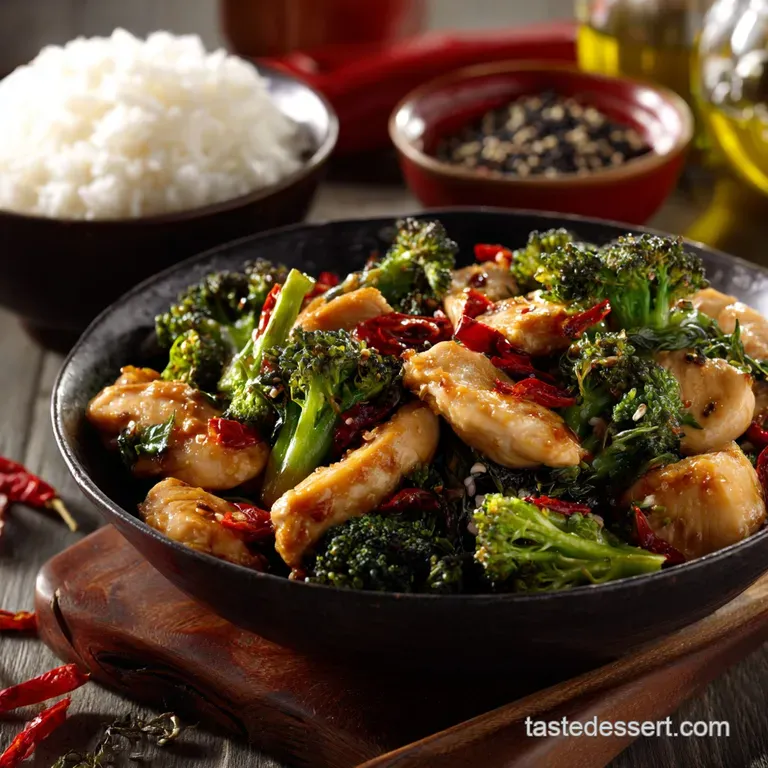
The magic of this chicken and broccoli recipe lies in the two-stage cooking method: initial velveting followed by a brief, high heat sear. The initial refrigeration allows the baking soda and egg white to chemically alter the proteins, resulting in an exceptionally tender product.
This preparation prevents the chicken from toughening up when it hits the searing heat of the wok.
The first stage of cooking involves quickly searing the velveted chicken until it is opaque, but not completely cooked through. By removing the partially cooked chicken from the wok, we avoid the risk of overcooking the meat while the sauce is being prepared.
This technique ensures that the final product remains juicy and perfectly cooked when it is reintroduced to the simmering sauce at the very end.
Bringing It All Together: Wok Technique and Sauce Development
The final phase of this process is extremely rapid, requiring focused attention to heat management and timing. We move quickly from sautéing the aromatics to building the sauce, thickening the liquid, and combining all the elements.
Maintaining high heat throughout is crucial to infuse the sauce with the savory wok hei flavor characteristic of great chicken and broccoli chinese.
Marinating the Meat: Building the Protective Velvet Layer
The process begins by thinly slicing the chicken and then mixing it thoroughly with the velveting agents baking soda, salt, Shaoxing wine, and egg white. This mixture ensures maximum moisture retention.
Finally, the cornstarch is worked in, creating the smooth, protective coating that prevents the chicken from sticking to the wok and safeguards its tender texture during searing.
Par-Blanching the Broccoli for Optimal Crispness
To ensure the broccoli florets are tender but still structurally sound, they are briefly par-blanched in boiling water or stock. This quick soak, which lasts only two to three minutes, sets the vibrant green color and cooks the broccoli to the desirable al dente state.
Immediately draining the broccoli and cooling it stops the cooking process, ensuring the florets will remain crisp when they are incorporated into the sauce later.
High Heat Dynamics: Searing and Stirring Protocols
The wok must be screaming hot before the oil is added and shimmering. Introduce the velveted chicken, spreading it out to sear quickly for only one to two minutes until just opaque.
If your wok is not large enough, cook the chicken in smaller batches to prevent the temperature from dropping, which would cause the meat to steam instead of sear. Remove the chicken promptly after searing to prevent it from seizing up.
Thickening the Glossy Sauce Without Clumping
Once the aromatics are sautéed, the pre-mixed liquid sauce base is poured into the wok and brought to a rapid boil. The key to thickening without clumping is the cornstarch slurry, which must be stirred again right before pouring.
Add the slurry slowly to the simmering sauce while stirring constantly, stopping immediately when the sauce achieves a glossy, thick consistency that coats a spoon easily.
Final Plating: Serving Your Magnificent Chicken and Broccoli
With the sauce glossy and thickened, quickly return the par-seared chicken and the blanched broccoli to the wok. Toss everything vigorously for one to two minutes, allowing the sauce to uniformly coat all the ingredients and ensuring the chicken reaches an internal temperature of 165° F ( 74° C).
Serve this perfect Chicken Broccoli immediately over steaming jasmine rice for maximum enjoyment.
Troubleshooting Common Stir Fry Issues and FAQs
Achieving restaurant quality results requires attention to detail, especially regarding heat and technique. If your chicken turned out tough or rubbery, the most likely culprit was either skipping the velveting step or overcrowding the wok, which caused the meat to steam.
If your sauce is too thin, the slurry may have separated or you did not allow the sauce to simmer long enough after adding the thickener.
If your wok or skillet is overcrowded, the temperature drops instantly, causing your chicken to steam instead of searing. This results in gray, rubbery meat. Always cook the velveted chicken in two separate batches if you are using a standard home stove to ensure adequate high heat.
Customizing Your Chicken and Broccoli Dish
This classic chicken and broccoli stir fry is highly adaptable, allowing for simple changes to suit various dietary needs or flavor preferences. We can easily adjust ingredients to make it low-carb, gluten-free, or to intensify the heat factor.
Minor tweaks can transform the dish while maintaining its core savory appeal.
Can I Use Frozen Broccoli? Adjusting Cook Times
Yes, frozen broccoli can be used effectively, but it requires adjusting the cooking procedure. Skip the initial par-blanching step entirely, as frozen vegetables are partially cooked already. Simply add the frozen florets directly into the simmering sauce just before you return the chicken.
Note that frozen broccoli releases more moisture, so you may need slightly less stock or a small additional amount of cornstarch slurry to maintain sauce thickness.
Safe Storage and Reheating Methods
Properly stored Chicken Broccoli can be kept in an airtight container in the refrigerator for up to three days. For the best quality reheat, avoid the microwave if possible, as it tends to dry out the velveted chicken.
Instead, gently warm the leftovers in a non-stick skillet over medium low heat with a tablespoon of added water or chicken stock to refresh the sauce.
Making it gluten-free or Low-Carb: Simple Ingredient Swaps
Adapting this chicken and broccoli recipe for specific diets is straightforward. To align with a Ww Chicken And Broccoli Stir Fry or similar low-fat, high protein structure like Chicken Broccoli Lean And Green, eliminate the granulated sugar entirely and minimize the oil used for searing.
For a gluten-free version, replace all soy sauces with Tamari and verify that your oyster sauce (or mushroom sauce) is certified gluten-free.
Flavor Boosters: Adding Ginger, Garlic, or Chili Flakes
If you desire a more complex or spicier flavor, you can easily incorporate additional aromatics and spices. Increase the amount of fresh minced ginger and garlic sautéed at the beginning of the stir fry sequence.
For heat, incorporate one teaspoon of dried red chili flakes or a tablespoon of chili garlic paste into the hot oil alongside the aromatics. A small pinch of white pepper added to the marinade also provides a subtle, authentic layer of warmth to this satisfying chicken and broccoli chinese recipe.

Recipe FAQs
What exactly is velveting the chicken, and do I really need baking soda for this Chicken and Broccoli dish?
Velveting is the secret Chinese technique that tenderises the chicken breast, using cornstarch and a tiny pinch of baking soda (don't worry, you can't taste it!) to achieve that unbelievably soft, silky texture found in high end stir fries.
Skipping this step means your chicken will be merely good, but using it means it will be absolutely magnificent definitely worth the minimal effort!
My takeaway broccoli is always soggy. How do I keep my homemade florets bright green and lovely?
The trick is a quick blanching (boiling briefly) followed by an immediate cold rinse or ice bath, which stops the cooking instantly and locks in that glorious, bright green colour and desirable al dente crunch.
If you skip this, they'll overcook when you return them to the wok, leading to that sad, watery texture nobody wants.
I've made too much! What's the best way to store leftovers and reheat them without turning the chicken rubbery?
Store leftovers sealed in the fridge for up to three days, but avoid the microwave if you can, as it tends to dry out the delicate velveted chicken. The best reheating method is a quick blast in a very hot pan or wok with a tablespoon of water or stock, stirring vigorously until piping hot.
I don't have oyster sauce can I swap it out, or maybe use something else instead of chicken?
Absolutely! Oyster sauce can be substituted with vegetarian mushroom stir fry sauce for similar deep, savoury umami flavour; and yes, feel free to use sliced beef flank, pork tenderloin, or extra firm tofu (pressed first) using the exact same velveting method.
My sauce went gloopy, or worse, runny. Did I mess up the cornstarch slurry?
It sounds like a classic slurry mishap! Always stir your slurry thoroughly right before adding it (the starch settles quickly), pour it in slowly while stirring the simmering sauce, and stop when it looks glossy, remembering it will thicken further once you take it off the heat.
Velvet Chicken Broccoli
Ingredients:
Instructions:
Nutrition Facts:
| Calories | 833 kcal |
|---|---|
| Protein | 41.4 g |
| Fat | 9.3 g |
| Carbs | 41.6 g |
| Fiber | 4.7 g |
| Sugar | 3.1 g |
| Sodium | 1564 mg |
