Eggplant and Tomato Sauce the Proper Italian Velvety Ragu
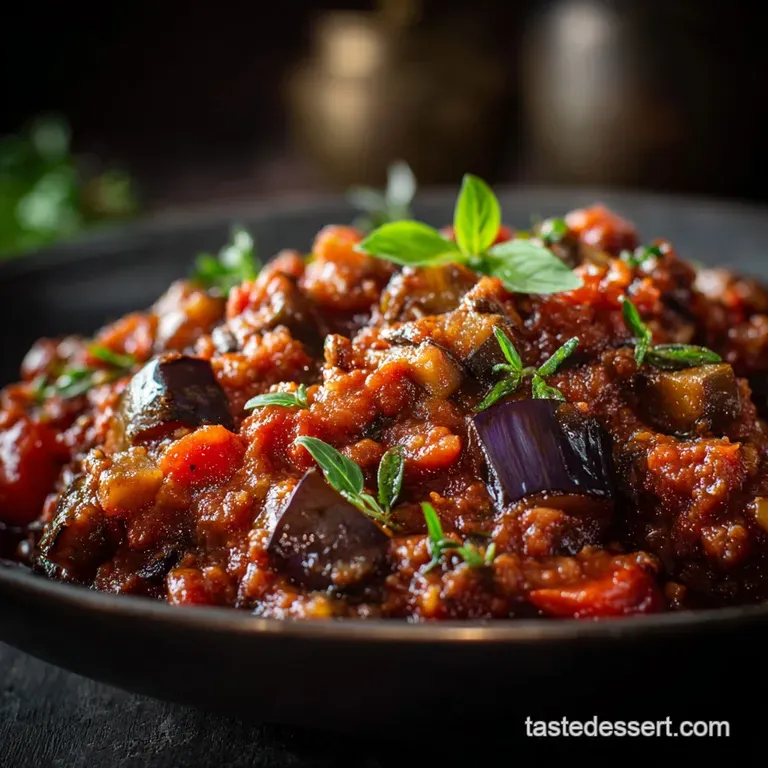
- The Proper Italian Job: Elevating the Humble Eggplant and Tomato Sauce
- Unlocking the Velvety Texture: Why This Ragu Is Different
- Larder Essentials: Gathering Your Ingredients for a Flawless Eggplant and Tomato Sauce
- The Kit Checklist: Tools and Techniques for a Professional Finish
- The Cooking Methodology: Building the Layers of Flavour
- From Raw to Ragu: Mastering the Step and by-Step Process
- Adapting Your Eggplant and Tomato Sauce: Variations and Pairings
- FAQ: Troubleshooting and Nutritional Insight
- Recipe FAQs
- 📝 Recipe Card
The Proper Italian Job: Elevating the Humble Eggplant and Tomato Sauce
If you’re anything like me, you’ve tried making an eggplant sauce before and ended up with something... well, something kind of wet and aggressively chunky. It just didn't hit that deep, savoury note you crave. I know the feeling.
I used to rush it, tossing the eggplant straight into the pot with the marinara, thinking that 20 minutes of simmering would do the job. Mate, I was wrong. Seriously wrong.
This Eggplant and Tomato Sauce (which we are calling a ragu because it’s deeply slow and cooked and rich) is different. It’s a game and changer. It’s the kind of thick, velvety, deeply satisfying sauce that makes you scrape the bottom of the bowl.
We are going beyond just "tomato sauce with veg." We are coaxing the eggplant to completely surrender its texture and merge into the flavour base. This is the sauce I make when I need comfort, and honestly, the simple act of chopping and simmering is therapeutic.
Unlocking the Velvety Texture: Why This Ragu Is Different
The secret to why this eggplant sauce works and others fail comes down to one thing: texture control. You don't want bouncy cubes; you want a velvety richness that coats the pasta beautifully. That richness is achieved through preparation and time.
Ragu vs. Marinara: Understanding the Depth of Flavour
When you’re making a quick weeknight pasta, you make marinara. Marinara is bright, acidic, and generally cooks quickly (maybe 30 minutes tops). It's fresh.
A ragu, however, is a different beast entirely. It means slow cooking . We’re talking at least an hour on the stove, sometimes more. This time allows the complex flavours to meld, but crucially for this recipe, it lets the eggplant completely disintegrate and melt into the sauce.
This adds body and a subtle, earthy sweetness that you won’t get from marinara. It's why this Vegetarian Tomato Eggplant Recipe feels so incredibly hearty.
Sicilian Secrets: The Key to Sweetness and Acidity Balance
True Southern Italian cooking understands balance. Tomatoes (especially canned ones) can be acidic. Eggplant, if not properly treated, can be bitter. How do we fix this without pouring in half a cup of sugar?
We use two secret weapons: the deep caramelisation of the eggplant before the simmer, and a small splash of balsamic vinegar right before the long cook. The balsamic vinegar adds a layer of depth (umami, really) that tricks your palate into sensing a longer cook time, while also softening any harsh edges from the tomato.
Trust me on this.
The Essential Step of Salting the Aubergine
I used to think this step was a massive, old and fashioned chore that fussy cooks did for no reason. I was a fool. Skipping the salting process results in two major problems:
- Bitterness: Salting draws out some of the bitter compounds found naturally in eggplant, especially older ones.
- Oil Sponge: Eggplant is notorious for absorbing oil like a sponge. When you salt it, you draw out moisture. Less moisture means less capacity to soak up oil during the initial frying stage. This is key for a non and greasy Eggplant and Marinara Sauce.
If you skip this step, you will use twice the oil, and your final sauce will be watery and taste unfinished. You have been warned. Thirty minutes of passive prep saves the whole dish.
Larder Essentials: Gathering Your Ingredients for a Flawless Eggplant and Tomato Sauce
I love simple recipes that rely on quality ingredients. You don't need a massive list, but you need the right stuff. This is where your shopping budget should focus: the olive oil and the tomatoes.
I always go for San Marzano crushed tomatoes. Yes, they cost a little more, but their natural low acidity and superb sweetness are worth every penny, especially in recipes where the tomato is the star, like this Eggplant Tomatoes Recipe.
Don’t worry about the stock, vegetable stock is fine, but even water works if you have good tomatoes and olive oil.
The Kit Checklist: Tools and Techniques for a Professional Finish
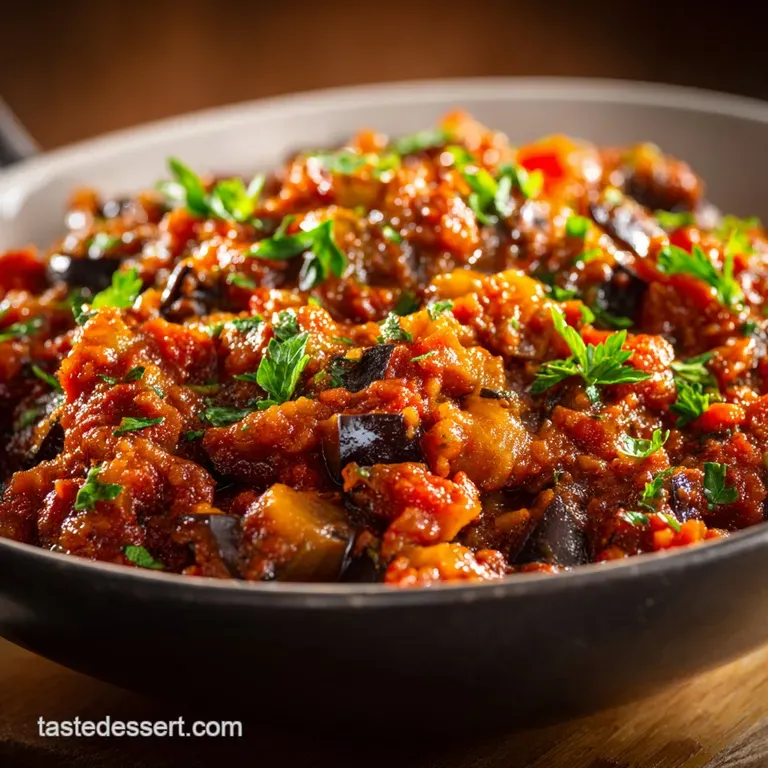
Selecting the Best Tomatoes (Crushed vs. Whole Peeled)
I recommend good quality crushed tomatoes for this ragu. Why crushed? Because they’ve already started the breakdown process, which assists in achieving that velvety, thick texture without using a blender later.
If you use whole peeled tomatoes (which are usually higher quality), you will need to manually crush them or use an immersion blender at the end. For a slow and simmered Ragu, stick to the crushed variety for ease.
Which Eggplant Variety Delivers the Best Melt?
For this Rich Eggplant Tomato Ragu, I stick with the large, purple globe eggplants, or sometimes the smaller Italian eggplants. They have enough flesh to absorb the flavour and stand up to the frying process without completely turning to mush instantly.
Avoid the long, thin Japanese or Chinese varieties here; they’re delicious, but they break down too quickly for the texture we want in this Eggplant Sauce For Pasta.
Beyond Basil: Finishing Herbs That Make the Dish Sing
Basil is non and negotiable for the finish, lending that beautiful fresh, aromatic lift. But for the cooking process, dried oregano is your powerhouse. It’s robust, it’s earthy, and it holds up perfectly during the long simmer, giving that classic Mediterranean flavour.
A little sprinkle of red pepper flakes adds warmth, not necessarily fire. It’s brilliant.
Must and Have Equipment: Deep Pots and Wooden Spoons
You need a proper heavy and bottomed pot. Seriously. If you’ve got a Dutch oven (cast iron enamel pot), use it. Its heat retention is superb, ensuring the long simmer stays gentle and even, preventing scorching on the bottom. Nothing ruins a slow and cooked sauce faster than a burnt base.
A wooden spoon is just tradition, but I find it great for scraping those delicious, caramelised bits off the bottom as the sauce cooks down.
Related Recipes Worth Trying
- Crockpot Breakfast Potatoes Crispy Edges SetandForget Brunch Hero — Crockpot Breakfast Potatoes are the ultimate brunch lifesaver This easy recipe delivers fluffy perfectly seasoned slow cooker breakfast potatoes ideal for a...
- Bruschetta Recipe Classic Tomato and Basil Summer Appetizer — Bruschetta is the essential classic Italian Appetizer Recipe Learn how to make this quick bruschetta dish featuring vibrant tomato fresh basil and perfectly...
The Cooking Methodology: Building the Layers of Flavour
You build flavour in stages here, like constructing a house. You can't just slap the roof on first.
- The Foundation (Soffritto): Softening the onion and garlic first, drawing out their sweet aromatics. This needs low heat and patience.
- The Walls (Browning the Eggplant): Giving the eggplant colour and texture before it hits the liquid. This adds complexity and prevents sogginess.
- The Roof (Simmering): The long, slow cook that marries everything together. Low and slow is the mantra. No aggressive boiling allowed.
From Raw to Ragu: Mastering the Step and by-Step Process
Right then, let's crack on with making the best Eggplant and Tomato Sauce you’ve ever tasted.
Step 1: The Crucial Eggplant Prep and Frying Strategy
We dice the eggplant into roughly 1 inch cubes. Toss them with coarse salt in a colander, and let the moisture drain for 30 minutes. Once drained, rinse them really well to remove the excess salt, then pat them bone dry with a clean kitchen towel. Now we fry them.
Use just enough oil to coat the bottom of the pan, and fry until they are golden brown and starting to shrink slightly. Take them out and set them aside immediately. We don't want them to cook completely yet, just get that crucial colour.
Step 2: Sautéing the Soffritto Base (Aromatic Foundation)
Add the rest of your olive oil. Medium heat. Add the diced onion and cook until totally soft and translucent (5- 7 minutes). Then add the garlic, oregano, and pepper flakes. This needs only a minute. You want fragrant, not burnt!
If the garlic looks like it's changing colour too fast, pull the pan off the heat for a second.
Step 3: Integrating the Tomatoes and Starting the Long Simmer
Return the browned eggplant to the pot. Pour in the crushed tomatoes and the stock. Now add the secret weapon: the balsamic vinegar. Stir it all up. Bring it to a gentle simmer, just barely bubbling. Taste and lightly salt it (remember the eggplant was already salty).
Step 4: Achieving the Perfect Velvety Reduction
Reduce the heat to the lowest setting possible. You need the gentlest bubble. Cover the pot, but leave the lid slightly cracked. This allows just enough steam to escape so the sauce can reduce and thicken beautifully. Stir it every 15 minutes.
After about 60 to 75 minutes, the eggplant cubes should have practically vanished, leaving behind a thick, deeply savoury, incredibly creamy sauce. It's ready when a wooden spoon drawn through the middle leaves a trail that closes slowly.
Adapting Your Eggplant and Tomato Sauce: Variations and Pairings
This Aubergine and Tomato Sauce recipe is already stellar, but sometimes you need to shake things up, right?
- Puttanesca Style: Add 1/4 cup of pitted Kalamata olives and 2 tablespoons of capers 15 minutes before the end of the simmer for a salty, sharp kick.
- Boost the Herbs: Instead of just basil, try finishing it with fresh marjoram or a bit of finely chopped parsley mixed with the basil.
- Add Dairy: Stir in 1/4 cup of heavy cream or a dollop of mascarpone right at the end for an extra luxurious, rosy colour (if you don't mind breaking the Italian purity rules a bit).
FAQ: Troubleshooting and Nutritional Insight
Storage Solutions: Freezing and Refrigerating Your Ragu
This recipe is fantastic for batch cooking. It freezes like a dream.
- Refrigerate: Cool the sauce completely, then transfer it to an airtight container. It keeps beautifully in the fridge for up to 5 days.
- Freeze: Transfer to heavy and duty freezer bags or containers, leaving about an inch of headspace (sauce expands). It will keep well for 4 6 months. Thaw overnight in the fridge and reheat gently on the stovetop. The texture will be unchanged.
Nutritional Snapshot: Calories, Protein, and Fibre
| Component | Why It’s Great |
|---|---|
| Fibre | Eggplant and tomatoes are loaded, making this a very satisfying and gut and friendly Vegetarian Tomato Eggplant Recipe. |
| Healthy Fats | Primarily from the olive oil (monounsaturated fats). These fats are crucial for flavour and nutrient absorption. |
| Low Sugar | We only added a teaspoon of sugar to balance acidity; the rest is natural sugar from the vegetables. |
Transforming Ragu into a Rich Melanzane Gratin
Oh, you want the next level? Layer this rich ragu with thin slices of fresh mozzarella, a generous sprinkling of Parmesan, and bake it until bubbly. Serve it with crusty bread instead of pasta. It’s like a lighter, spoonable version of classic Melanzane Parmigiana. Heaven.
Suggested Pasta Pairings: From Paccheri to Pappardelle
You need a robust pasta that can stand up to this thick, chunky sauce. Skip the fine capellini or spaghetti (it will just slide off).
- Tubular Shapes: Rigatoni, Ziti, or the large, glorious Paccheri. These shapes catch the sauce chunks perfectly inside their tubes.
- Ribbon Pasta: Thick Pappardelle is a great choice if you prefer a noodle, as its width can handle the weight of the sauce.
- Alternative: Creamy polenta is honestly the best vehicle if you are trying to cut back on flour.

Recipe FAQs
This recipe looks a bit of a marathon do I really need to simmer the ragu for over an hour?
Absolutely, mate! That long, slow simmer is the secret to achieving that deep, velvety texture; it allows the eggplant to completely melt into the sauce, giving it its proper depth of flavour, rather than being merely a watery tomato sauce.
Why is salting the eggplant so important, or can I skip that faff?
Please don't skip it! Salting the eggplant draws out excess moisture and bitterness, ensuring it browns properly and prevents the final Eggplant and Tomato Sauce from tasting spongey or soaking up too much oil.
I’ve made a big batch. How long can I keep the leftovers, and does it freeze well?
You can keep this ragu in the fridge for up to 4 days it often tastes even better the next day as the flavours marry! Luckily, this sauce freezes brilliantly for up to three months in an airtight container, making it a perfect freezer stash for a speedy midweek meal.
I need to make this vegetarian or vegan, are there any cheats to boost the richness without cheese?
The ragu is already naturally vegetarian and vegan if you omit the cheese finish; for an ultra rich, dairy-free result, try stirring in a spoonful of cashew cream or full fat coconut milk near the end of the simmer for that luxurious mouthfeel.
Apart from pasta, what other glorious ways can I serve this ragu?
This ragu is cracking when spooned over creamy polenta, used as a vibrant topping for thick cut bruschetta, or as a proper base layer in a hearty baked pasta dish like Pasta al Forno.
Velvety Eggplant And Tomato Sauce Ragu
Ingredients:
Instructions:
Nutrition Facts:
| Calories | 220 kcal |
|---|---|
| Fat | 15 g |
| Fiber | 7 g |
