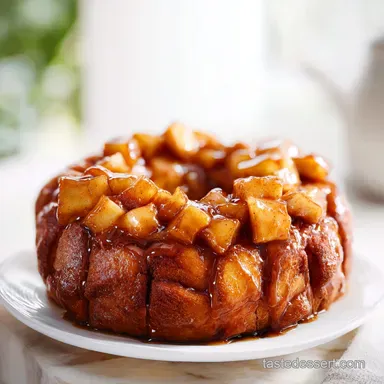
Apple Fritter Monkey Bread: Golden and Caramelized
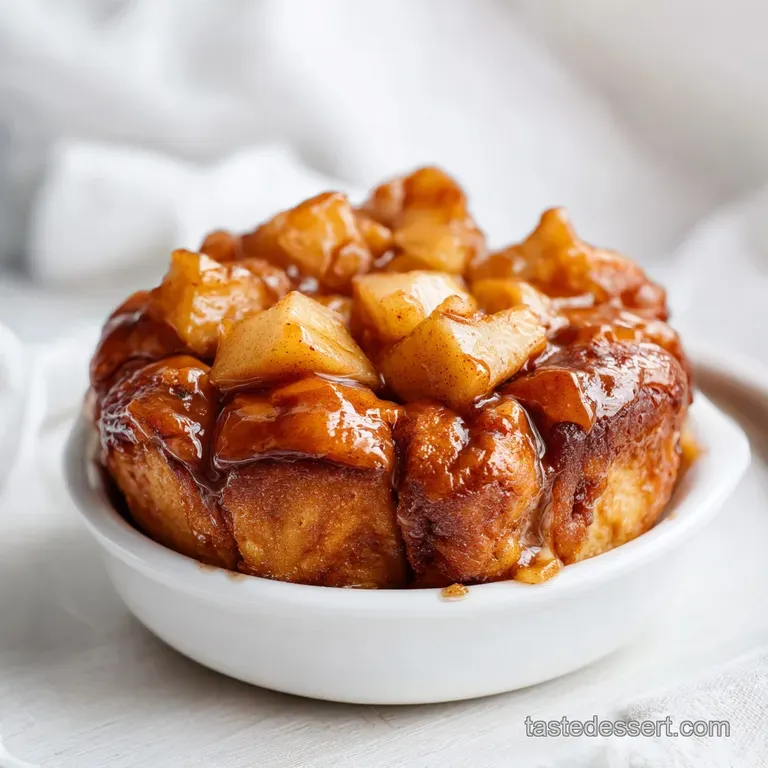
- Time: 25 min active + 35 min baking = Total 70 mins
- Flavor/Texture Hook: Shatter crisp sugar crust with velvety apple pockets
- Perfect for: Lazy Sunday brunch or a cozy autumn gathering
Apple Fritter Monkey Bread
That first sizzle of butter in the skillet is where the magic starts. I remember the first time I tried to make a fruit filled pull apart bread, and I made the classic rookie mistake: I used Red Delicious apples. They basically dissolved into a flavorless mush, and my bread turned into a soggy, sweet sponge.
It was a disaster, but it taught me that the apple choice is everything.
Now, I only use Granny Smiths for this. That sharp, tart contrast is what cuts through the heavy brown sugar and butter, making every bite feel balanced rather than just sugary. When you pull a piece of Apple Fritter Monkey Bread apart, you should see those distinct, golden brown apple chunks clinging to the dough.
This recipe is all about those layers of flavor. We're talking about a salty sweet glaze, a buttery cinnamon crust, and tender, tart apples. It's the kind of treat that makes your whole house smell like a professional bakery, but it's surprisingly low stress because we're using a few clever shortcuts to keep it manageable.
The Secret Texture Logic
The real trick here is managing the moisture. If you just toss raw apples into the dough, they release all their water during the bake, which leads to a gummy center. By sautéing them first, we concentrate the flavor and lock in the texture.
This ensures the dough stays fluffy while the apples remain tender but distinct.
But what about the crust? The brown sugar and melted butter create a thick syrup that bubbles up around the edges of the pan. As the water evaporates, the sugar caramelizes, creating that signature "fritter" crunch. It's a balance of steam from the apples and searing heat from the oven.
Let's look at how this compares to the traditional, labor intensive version.
| Feature | Fast Method (Biscuits) | Classic Method (Yeast) | Impact |
|---|---|---|---|
| Prep Time | 25 minutes | 3 hours | Massive time saving |
| Texture | Flakier, more buttery | Chewier, bread like | Different mouthfeel |
| Effort | Low (no kneading) | High (rising/proofing) | Better for weeknights |
Timing and Yield Guide
Right then, let's get the logistics out of the way. This is a high yield recipe, meaning you can feed a small crowd without spending your entire morning in the kitchen. Because we use a Bundt pan, the heat distributes evenly, but you have to be mindful of the center.
Precision Checkpoints:
- Apple Sauté: Cook for exactly 5-7 minutes. Any longer and they lose their structure.
- Oven Temp: Stick to 350°F (175°C). Higher temps will burn the sugar before the center is cooked.
- Cooling Window: Wait 5-10 minutes before flipping. Flip too early and the glaze ruins the structure; flip too late and it sticks to the pan.
The Component Breakdown
I like to think of this as three separate recipes coming together. First, you have the tart apple filling, then the buttery dough, and finally the velvety glaze. Each part has a specific job to do.
Why the Butter Goes In Cold (for the apples): Using a small amount of butter to sauté the apples creates a fat barrier that helps the cinnamon stick to the fruit. It's a simple move, but it prevents the apples from steaming in their own juices.
The One Step Most People Skip: Adding lemon juice. According to King Arthur Baking, acidity not only prevents oxidation (browning) but also brightens the apple flavor, stopping the brown sugar from overwhelming the palate.
| Ingredient | Science Role | Pro Secret |
|---|---|---|
| Granny Smith Apples | Tartness & Structure | Dice them into uniform 1cm cubes for even cooking |
| Brown Sugar | Caramelization | Use light brown sugar for a cleaner, buttery taste |
| Refrigerated Biscuits | Structure & Fat | Cut into quarters to maximize the surface area for coating |
| Heavy Cream | Emulsification | Keeps the glaze velvety and prevents it from cracking |
Essential Kitchen Tools
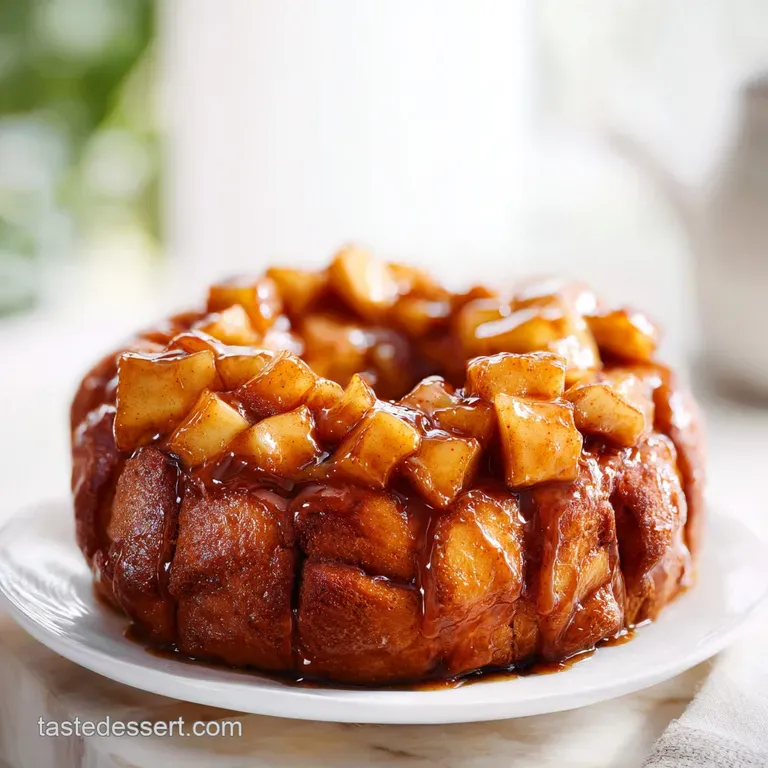
You don't need a professional kitchen for this, but a few specific tools make it way easier. If you don't have a Bundt pan, a 10 inch cake pan works, but you'll lose that classic "tower" look and some of the caramelized edges.
- 10 inch Bundt Pan: This is the gold standard. It creates the center hole that allows heat to reach the middle of the bread.
- Large Mixing Bowl: You need plenty of room to toss the dough pieces without knocking them off the counter.
- Non Stick Skillet: For the apples. A cast iron works great if you want a deeper sear.
- Whisk: For the glaze. You want a smooth, lump free consistency.
Chef's Note: If you find your Bundt pan is a bit sticky, don't just use spray. Brush it with melted butter and then dust it with a little cinnamon sugar. This creates a non stick "crust" that actually adds to the flavor.
Step by step Guide
Let's crack on. The key here is speed once the dough is coated, so have your pan greased and ready to go before you start mixing.
Sautéing the Apples
- Melt 14g butter in a skillet over medium heat.
- Add 300g diced Granny Smith apples, 30ml lemon juice, 25g sugar, and 2g cinnamon.
- Cook for 5-7 minutes until the apples are slightly softened and smelling aromatic. Note: Don't let them turn into applesauce; they should still hold their shape.
Coating the Dough Pieces
- Cut each refrigerated biscuit into quarters.
- In a large bowl, toss the biscuit pieces with 115g melted butter, 150g brown sugar, and 8g cinnamon.
- Mix thoroughly until every piece of dough is completely enveloped in cinnamon sugar. Note: Use your hands for this; it's the only way to ensure full coverage.
Assembling the Pan
- Grease a 10 inch Bundt pan thoroughly.
- Layer the coated dough pieces and the sautéed apples alternately.
- Press down slightly until the air gaps are minimized. Note: Too many gaps can cause the bread to collapse when you flip it.
Baking to Golden Perfection
- Bake at 350°F (175°C) for 30-35 minutes.
- Remove from oven until the bread is deep golden brown and the edges pull away from the pan.
Glazing for the Final Touch
- Let the bread cool in the pan for 5-10 minutes, then invert onto a platter.
- Whisk together 120g powdered sugar, 30ml heavy cream, 5ml vanilla extract, and a pinch of salt.
- Drizzle the glaze over the warm bread until it drips down the sides in velvety streaks.
Solving Baking Issues
Even for a seasoned cook, things can go sideways. Usually, it comes down to temperature or moisture. If your bread feels too wet, it's almost always because the apples weren't sautéed long enough or you used a very juicy apple variety.
Why Your Bread Is Gummy
If the center feels like raw dough, the pan was likely overfilled or the oven temperature was too low. This prevents the heat from penetrating the core of the monkey bread. Ensure you aren't packing the dough too tightly, as some air is needed for the biscuits to rise.
Why the Bread Stuck
This happens when the sugar doesn't caramelize enough to release from the pan, or the pan wasn't greased properly. If you wait too long to flip it, the sugar cools and acts like glue. The 5-10 minute window is critical.
Fixing a Runny Glaze
If your glaze is too thin, it will just soak into the bread instead of sitting on top. Add powdered sugar one tablespoon at a time until it reaches a thick, pourable consistency.
| Problem | Root Cause | Solution |
|---|---|---|
| Soggy Bottom | Too many apples/low heat | Sauté apples longer; increase oven temp by 10°F |
| Burnt Edges | Sugar burned before center cooked | Shield edges with foil after 20 minutes |
| Glaze Disappears | Bread was too hot when glazing | Wait 15 minutes before drizzling the glaze |
Common Mistakes Checklist:
- ✓ Avoid using "soft" apples like McIntosh or Red Delicious.
- ✓ Ensure the oven is fully preheated before the pan goes in.
- ✓ Don't skip the lemon juice; it's the secret to the flavor profile.
- ✓ Use a timer for the cooling phase so you don't forget to flip.
- ✓ Don't over mix the glaze or it will become too thin.
Flavor Swaps and Twists
One of the best things about Apple Fritter Monkey Bread is how adaptable it is. Once you have the base down, you can really play with the flavor profiles. If you're feeling adventurous, try these modifications.
Adding a Nutty Crunch: Incorporating pecans or walnuts adds a wonderful earthy contrast to the sugar. I recommend tossing 50g of chopped pecans into the dough mixture. The nuts toast in the oven, creating a shatter crisp texture that complements the softness of the biscuits.
Upgrading the Syrup: Instead of just brown sugar, try replacing half of it with maple syrup. This gives the bread a deeper, more autumnal flavor. Just keep in mind that adding more liquid might require an extra 5 minutes of bake time.
Diet Specific Swaps: If you're looking for a different base, you can use gluten free bread dough but you'll need to increase the bake time by about 10-15 minutes. gluten-free doughs tend to hold more moisture and take longer to set in the center.
| Original Ingredient | Substitute | Why It Works |
|---|---|---|
| Heavy Cream (2 tbsp) | Greek Yogurt (2 tbsp) | Similar thickness. Note: Adds a slight tang to the glaze |
| Brown Sugar (3/4 cup) | Coconut Sugar (3/4 cup) | Similar caramel notes. Note: Slightly less moisture, may be drier |
| Granny Smith Apples | Honeycrisp Apples | Similar crunch. Note: Sweeter flavor; reduce granulated sugar by 1 tsp |
| Refrigerated Biscuits | Homemade Crescent Rolls | Richer butter flavor. Note: Requires more prep time |
Storage and Zero Waste
I'll be honest, this bread rarely lasts more than a day in my house. But if you have leftovers, there are ways to keep them from turning into bricks.
Storage Guidelines: Keep the bread in an airtight container at room temperature for up to 2 days. If you store it in the fridge, the butter in the dough will solidify, making it feel dense. If you must freeze it, wrap individual portions in foil and freeze for up to 2 months.
Reheating for Freshness: To get that shatter crisp exterior back, don't use the microwave. Instead, pop a slice in a toaster oven or a dry skillet over medium heat for 2-3 minutes. This re melts the sugar and crisps the edges.
Zero Waste Tips:
- Apple Peels: Don't toss the peels from your Granny Smiths. Simmer them with a bit of water and cinnamon to make a quick apple syrup for pancakes.
- Leftover Glaze: If you have extra glaze, use it to dip apple slices or drizzle over a piece of toast the next morning.
- Biscuit Scraps: If you have a few leftover biscuit quarters, toss them in a pan with butter and cinnamon for a quick "cheat" donut hole.
Best Pairing Ideas
Because Apple Fritter Monkey Bread is so decadent, you want to pair it with things that provide contrast. I usually lean toward something acidic or salty to balance the sugar.
A sharp cheddar cheese slice on the side is a classic pairing. The saltiness of the cheese cuts through the brown sugar glaze in a way that's surprisingly satisfying. If you're serving this for brunch, pair it with a strong, black coffee or a tart cranberry mimosa.
For those who want a full dessert spread, this bread works well alongside something lighter. If you've already got the oven going, maybe whip up some homemade blueberry pie for a fruit filled feast. The tartness of the berries complements the warmth of the cinnamon in the monkey bread.
Trust me on this: don't overcomplicate the plating. Just put the whole tower on a wooden board, let the glaze drip naturally, and let your guests pull it apart. It's a communal experience that's half the fun of the dish.
Right then, you've got everything you need. This Apple Fritter Monkey Bread is all about that balance of tart fruit and buttery, caramelized dough. It's a wonderful way to bring a bit of bakery luxury into your own kitchen without the stress of a professional setup.
Now, get that butter sizzling and enjoy the smell of autumn in your home!
Recipe FAQs
Can I make apple fritter monkey bread ahead of time?
No, bake and serve it fresh. Preparing it too early can lead to soggy dough and a glaze that absorbs too deeply into the bread.
What's the best apple variety for this recipe?
Granny Smith apples are the ideal choice. Their tart flavor balances the sweet brown sugar and they maintain their structure during the sautéing process.
Can I freeze leftover apple fritter monkey bread?
Yes, wrap individual portions in foil. They will stay fresh in the freezer for up to 2 months.
How do I know when the monkey bread is fully cooked?
Look for a deep golden brown color and edges that pull away from the pan. These signs indicate the dough is set and the sugars have caramelized at 350°F.
Can I use homemade biscuit dough instead?
Yes, you can. Just ensure you cut the dough into quarters so the pieces are small enough to be thoroughly coated in the cinnamon sugar mixture.
How to serve this for a party?
Invert the bread onto a large platter and drizzle with glaze while warm. For a complete brunch spread, pair it with an effortless entertaining board.
Is it true the glaze must be applied after the bread is completely cold?
No, this is a common misconception. Drizzle the glaze over the warm bread to ensure it settles beautifully into the crevices.
Apple Fritter Monkey Bread