Venezuelan Quesillo: Caramel Flan
- Time: 15 min active + 50 min baking + 4 hours chilling
- Flavor & Texture: Rich, creamy custard with a deep amber syrup
- Perfect for: Family celebrations or a decadent weekend treat
Homemade Quesillo
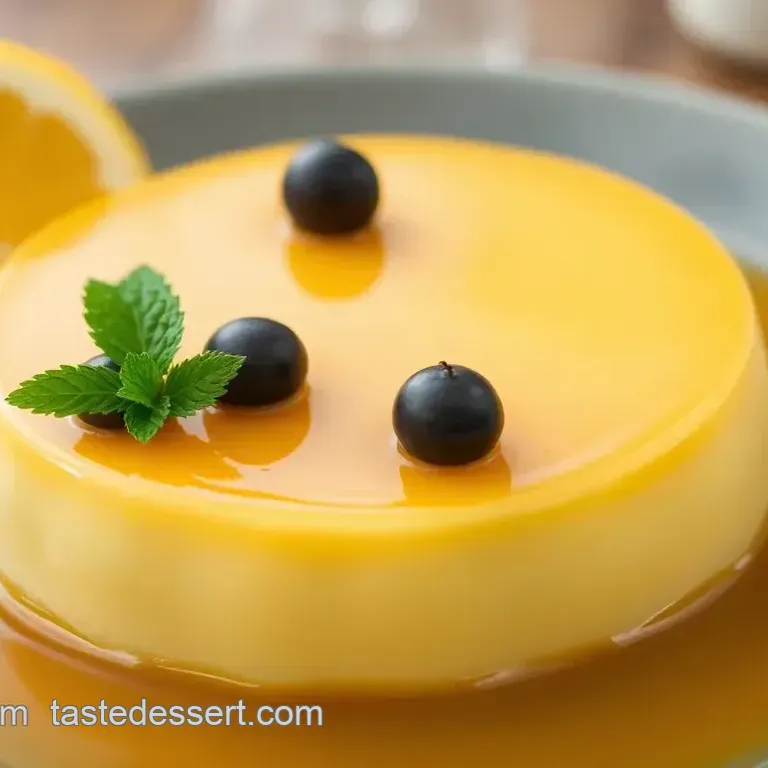
The best part is the moment you flip the mold and a glossy, amber sauce cascades over the edges. It has a weight to it that feels more substantial than a typical custard, making it a standout for any dinner party.
Making Quesillo requires a bit of patience with the caramel, but the result is a dessert that cuts in clean, sharp slices. It’s decadent without being overly airy, hitting that sweet spot between a flan and a dense custard.
You only need a few pantry staples and a blender to pull this off. Just make sure you have a water bath ready, as that's what keeps the texture smooth.
Why the Texture Stays Firm
Condensed Milk: This adds significant body and sugar, which helps the custard set firmly without needing gelatin.
Water Bath: Surrounding the mold with water keeps the heat gentle. This prevents the eggs from curdling or creating large holes in the custard.
Ingredient Deep Dive
| Ingredient | Role | If You Don't Have It |
|---|---|---|
| Condensed Milk | Body and sweetness | Evaporated milk + sugar (texture will be thinner) |
| Eggs | Binding and structure | Use more egg yolks for extra richness |
| Granulated Sugar | Caramel base | Brown sugar (tastes more like molasses) |
Necessary Ingredients
- 200 g granulated sugar Why this? Caramelizes cleanly for the topping
- 30 ml water
- 397 g sweetened condensed milk (1 can, 14 oz)
- 355 ml evaporated milk (1 can, 12 fl oz)
- 240 ml whole milk
- 200 g large eggs (about 4 eggs), at room temperature Why this? Emulsifies better with the milks
- 5 ml pure vanilla extract
Substitution Guide
| Original Ingredient | Substitute | Why It Works |
|---|---|---|
| Whole Milk | Almond Milk | Similar liquid volume. Note: Lighter flavor and slightly softer set |
| Vanilla Extract | Almond Extract | Provides a nutty aroma. Note: Use half the amount as it's stronger |
Essential Kitchen Tools
You'll need a medium saucepan with light colored sides. This is important because you can see the sugar changing color, preventing you from burning the caramel.
A blender is the fastest way to get a smooth mix, but a large bowl and whisk work too. You also need an 8 inch (20 cm) round metal mold and a roasting pan that can hold enough water to reach halfway up the mold's side.
The Cooking Process
Phase 1: Build the Caramel
Preheat the oven to 350°F (180°C). In a saucepan over medium heat, combine 200 g sugar and 30 ml water. Instead of stirring with a spoon, simply swirl the pan. Cook until the liquid becomes a light amber and smells toasted.
Quickly pour the hot caramel into the mold, tilting it to coat the bottom. Let it harden for a few minutes.
Phase 2: Blend the Custard
Place the condensed milk, evaporated milk, whole milk, eggs, and vanilla in a blender. Blend until the mixture is perfectly smooth.
Pour the custard through a fine-mesh sieve into a bowl. Note: This removes any egg fragments and air bubbles for a cleaner cut.
Phase 3: Bake in a Water Bath
Pour the strained custard over the set caramel. Cover the mold tightly with aluminum foil or a lid. Place the mold in a roasting pan and fill with hot water to the midpoint of the mold.
Bake for 50 minutes until the perimeter is firm and the center still jiggles. Verify that the internal temperature hits 160°F (71°C) using a thermometer.
Phase 4: Cool and Unmold
Remove the mold from the water and allow it to cool to room temperature. Chill in the fridge for a minimum of 4 hours, though overnight is ideal for a firm set.
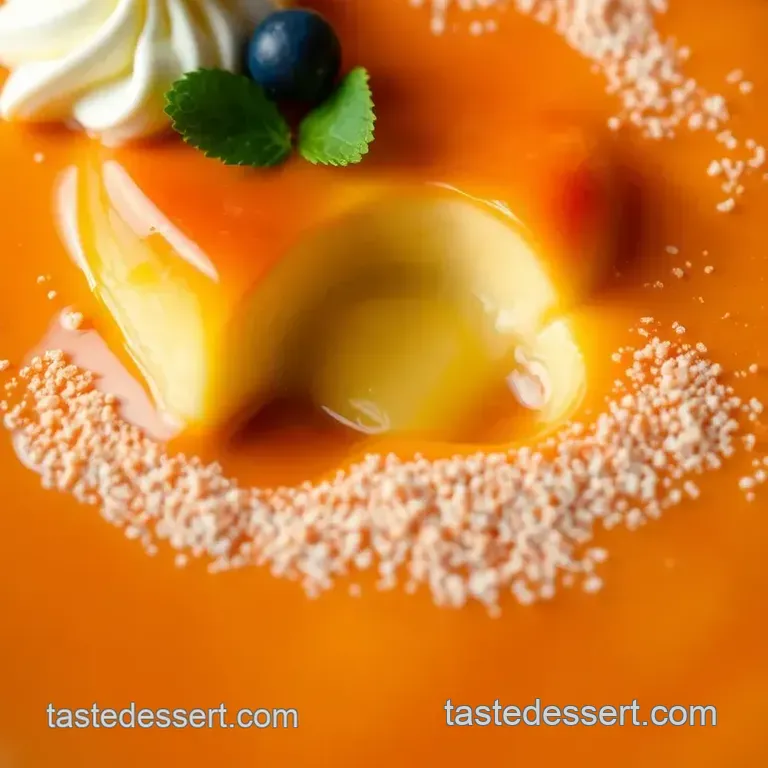
Slide a thin knife around the inner edge. Place a plate over the mold and invert it quickly. The caramel sauce will flow down the sides of the custard.
Avoiding Kitchen Disasters
If your caramel smells burnt, it's already too late. The taste will be bitter and will seep into the custard. It's better to start over than to use burnt sugar.
When the custard doesn't unmold, it's usually because it hasn't chilled long enough. The cold temperature helps the caramel liquefy and the custard contract.
Solving Common Issues
| Problem | Root Cause | Solution |
|---|---|---|
| Bitter taste | Caramel cooked too long | Pull sugar off heat at light amber |
| Holes in custard | Oven too hot or boiled | Use a water bath and check internal temp |
| Stuck to mold | Not chilled enough | Refrigerate for a full 8 hours |
Dietary Adaptations
For those avoiding gluten, this recipe is naturally gluten-free since it uses no flour. I like adding a pinch of salt to the custard to balance the sweetness of the condensed milk.
Flavor Twists
- Coconut Quesillo: Swap the whole milk for full-fat coconut milk. It adds a tropical note that pairs well with the amber caramel.
- Citrus Twist: Add a teaspoon of lemon or orange zest to the blender. This cuts through the richness.
Texture Adjustments
For a firmer set, you can add one extra egg yolk. This increases the fat and protein content, making the result more like a dense cake.
| Variation | Adjustment | Result |
|---|---|---|
| Extra Rich | +1 Egg Yolk | Denser, more buttery texture |
| Lighter | Swap whole milk for skim | Slightly less creamy finish |
Make-ahead and Leftover Tips
Store the sliced dessert in the fridge in a covered container, where it will keep for 4 days. Avoid leaving it at room temperature due to the high moisture and egg content.
Do not freeze this treat. Freezing breaks the emulsion of the milks and eggs, resulting in a grainy, separated texture once thawed.
If you have leftover caramel sauce, drizzle it over vanilla ice cream or fresh berries.
How to Serve and Enjoy
Slice the dessert with a sharp knife dipped in hot water. This ensures every piece has a clean edge and a glossy coat of syrup.
I like serving a slice with a few fresh raspberries or a dollop of unsweetened whipped cream. The tartness of the berries balances the deep sweetness of the caramel. For a more traditional approach, serve it plain to let the vanilla and milk flavors shine.
Recipe FAQs
What is quesillo made of?
It is made from sweetened condensed milk, evaporated milk, whole milk, eggs, sugar, water, and vanilla. These ingredients create a rich, creamy custard with a caramel topping.
How does this differ from flan?
This version is typically firmer and denser than standard flan. The combination of evaporated and condensed milk gives it a more substantial consistency.
Is quesillo the same as Oaxaca cheese?
No, this recipe is for a sweet custard dessert. While the name is shared with a Mexican string cheese, this specific dish is a sweet treat.
Why is this different from leche flan?
The main difference is the texture and richness. Quesillo is generally more compact and less airy than traditional leche flan.
How to make this quesillo?
Blend the milks, eggs, and vanilla until smooth. Bake the strained mixture over caramel in a water bath at 350°F (180°C) for 50 minutes.
Can I use almond milk?
Yes, almond milk works as a substitute for whole milk. It maintains the liquid volume but results in a lighter flavor and a slightly softer set.
Where should I store the dessert?
Keep the quesillo in the refrigerator. Because it contains eggs and dairy, it must be kept chilled to remain safe and firm.
Venezuelan Quesillo for 8 Servings