Delicious Jewish New Year Food Idea with Braised Brisket
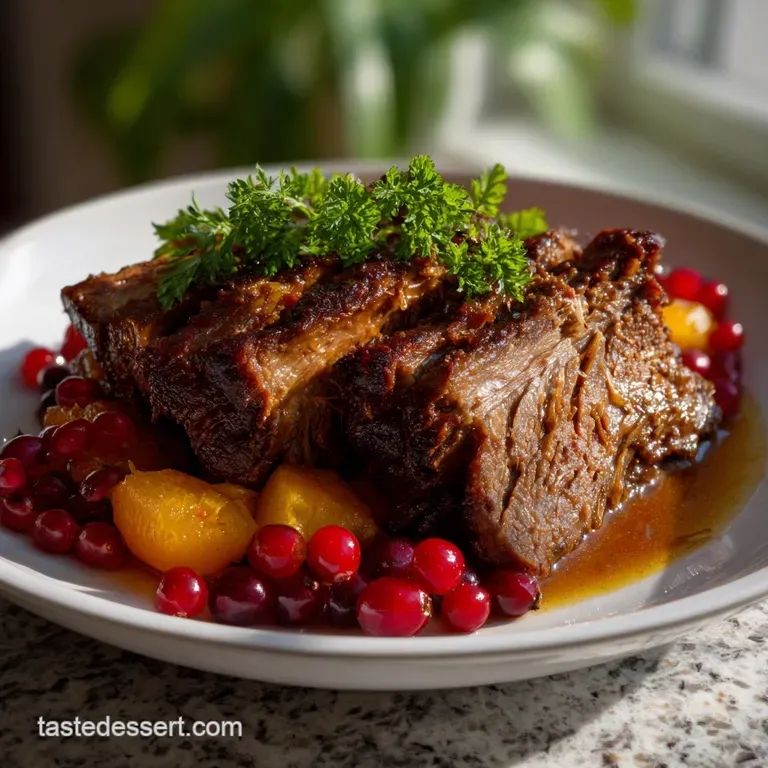
- Time: Active 45 minutes, Passive 4 hours 30 minutes, Total 5 hours 15 minutes
- Flavor/Texture Hook: Velvety, fork tender beef with a rich, honey glazed mahogany finish
- Perfect for: Rosh Hashanah dinner or a cozy winter family gathering
- Delicious Jewish New Year Food Idea with Braised Brisket
- Essential Braising Techniques Explained
- Specific Holiday Recipe Details
- Selecting Premium Braising Elements
- Necessary Cooking Equipment List
- Simple Step Instructions
- Fixes for Common Roast Problems
- Inspired Flavor Variation Ideas
- Storage and Reheating Guidelines
- Creative Dish Pairing Ideas
- Brisket Myths Debunked
- Recipe FAQs
- 📝 Recipe Card
The kitchen fills with the scent of onions slowly turning to gold, a sure sign that a celebration is near. Here's a delightful Jewish New Year food idea featuring braised brisket for a memorable family celebration.
This isn't just a main course, it's a labor of love that turns a humble, stubborn piece of beef into something that literally shatters at the touch of a fork.
I remember the first time I attempted this holiday centerpiece. I was so worried about the toughness of the cut, but as the hours ticked by, the transformation began. The house smelled like home, and the sauce became this dark, glossy syrup that felt like liquid gold.
It's the kind of dish that demands you slow down and enjoy the process of creation.
We are aiming for a specific contrast here. You want the deep, rich notes of the beef to play against the bright sweetness of the carrots and the floral hum of the honey. This is a Delicious Jewish New Year Food Idea with Braised Brisket to Celebrate with Family that relies on patience rather than complicated gadgets.
Let's get the oven preheated and start this journey of flavor.
Delicious Jewish New Year Food Idea with Braised Brisket
The Science of Collagen Conversion
The secret to a tender brisket is the breakdown of collagen into gelatin. Brisket is packed with connective tissue that is impossible to chew when cooked quickly. By maintaining a steady low heat, those tough fibers melt, creating the silky mouthfeel we crave.
This process, known as hydrolysis, requires moisture and time to turn a "work muscle" into a culinary joy.
The Maillard Reaction vs Steaming
Searing the meat before adding liquid is non negotiable for flavor. When you press that cold beef into a hot Lodge Cast Iron Dutch Oven, the proteins and sugars react to create hundreds of new flavor compounds. If you skip this, your roast will taste "steamed" and flat.
That deep brown crust provides the backbone for the entire braising liquid, turning the beef bone broth into a complex sauce.
The Chill and Slice Protocol
Science tells us that hot meat loses its structure. If you try to slice a brisket straight out of the oven, the muscle fibers will shred into a mess. Cooling the roast allows the gelatin to set, acting like a glue that holds the slices together.
This is why many families find this Jewish New Year Food Idea with Braised Brisket to Celebrate with Family tastes even better the next day.
The Power of Osmosis
Salt doesn't just sit on the surface, it travels. By seasoning the 5.5 lb second cut beef brisket heavily with Diamond Crystal Kosher Salt at least an hour before cooking, you initiate osmosis. The salt draws moisture out, dissolves, and then is reabsorbed into the fibers.
This seasons the center of the roast, not just the outside, and helps the proteins retain moisture during the long trek in the oven.
Essential Braising Techniques Explained
| Component | Science Role | Pro Secret |
|---|---|---|
| 5.5 lb Second Cut Brisket | Fat distribution | Keep the fat cap intact; it bastes the meat from the top down during the long cook. |
| 2 cups Dry Red Wine | Acidic tenderizer | Use a Cabernet; the tannins help break down protein while providing a structural "grip" to the sauce. |
| 0.25 cup Honey | Hygroscopic sweetener | Adds shine to the final glaze and balances the sharp acidity of the chili sauce and wine. |
| 4 Large Yellow Onions | Umami base | Don't rush the sauté; the more they caramelize, the deeper the mahogany color of your final gravy. |
Specific Holiday Recipe Details
To recreate this New Year Food Idea with Braised Brisket to Celebrate with Family, you need to trust the numbers. This is a slow dance, not a sprint.
- Weight: 5.5 lb second cut brisket (look for the "point" for more marbling)
- Liquid Ratio: 5 cups total (wine and broth) for optimal submersion
- Vegetable Prep: 1 inch thick carrot rounds to prevent them from turning to mush
- Internal Temp: Aim for 202°F for that "pull apart" texture
Selecting Premium Braising Elements
Gathering your ingredients is the first step in the art of the holiday roast. Each item plays a role in the final transformation.
- 5.5 lb second cut beef brisket, fat cap intact: Why this? The second cut has more internal fat than the first cut, ensuring juicy results.
- Substitute: First cut brisket (be sure to add 2 tbsp extra oil to compensate for less fat).
- 2 tbsp Diamond Crystal kosher salt: Why this? Large flakes provide even coverage without over salting.
- Substitute: 1 tbsp table salt (it is much denser, so use half).
- 1 tbsp coarse black pepper: Why this? Adds a sharp bite that cuts through the rich fat.
- Substitute: White pepper (for a milder, more floral heat).
- 3 tbsp neutral oil: Why this? High smoke point for that initial over high heat sear.
- Substitute: Grapeseed oil or avocado oil.
- 4 large yellow onions, thinly sliced: Why this? These melt down to create the body and sweetness of the sauce.
- Substitute: White onions (though they are less sweet).
- 3 large carrots, cut into 1 inch rounds: Why this? Adds natural sugar and bright color contrast.
- Substitute: Parsnips (for an earthier, spicy undertone).
- 2 leeks, sliced: Why this? Offers a more delicate, buttery onion flavor.
- Substitute: Shallots (3-4 large ones).
- 6 cloves garlic, smashed: Why this? Mellows out during the braise into sweet, nutty nuggets.
- Substitute: 1 tsp garlic powder (not recommended, but works in a pinch).
- 2 cups dry red wine: Why this? Provides the essential acid to tenderize the fibers.
- Substitute: 2 cups pomegranate juice (adds a festive, tart sweetness).
- 3 cups beef bone broth: Why this? Provides the gelatinous body for a velvety sauce.
- Substitute: Vegetable broth (the flavor will be lighter and less rich).
- 0.5 cup chili sauce: Why this? Adds a subtle tang and thickens the braising liquid.
- Substitute: Tomato paste with a splash of apple cider vinegar.
- 0.25 cup honey: Why this? The key to the Jewish New Year "sweet year" symbolism.
- Substitute: Maple syrup or brown sugar.
- 4 sprigs fresh thyme: Why this? Adds a woodsy aroma that pairs perfectly with beef.
- Substitute: 1 tsp dried thyme.
- 2 dried bay leaves: Why this? Adds a subtle herbal layer that rounds out the aromatics.
Necessary Cooking Equipment List
Having the right tools makes the process a joy rather than a chore. If you enjoy making this, you might also find the technique used in my Potato Leek Soup Recipe helpful for handling aromatics.
- Lodge 7 quart Dutch Oven: You need something heavy that retains heat evenly for the long oven stay.
- Long Tongs: For flipping that heavy 5.5 lb roast without splashing hot oil.
- Sharp Chef's Knife: Essential for slicing the onions thin and the carrots into even rounds.
- Fat Separator: This is the secret to a glossy sauce that isn't greasy.
- Instant Read Thermometer: To hit that exact 202°F sweet spot.
Simple Step Instructions
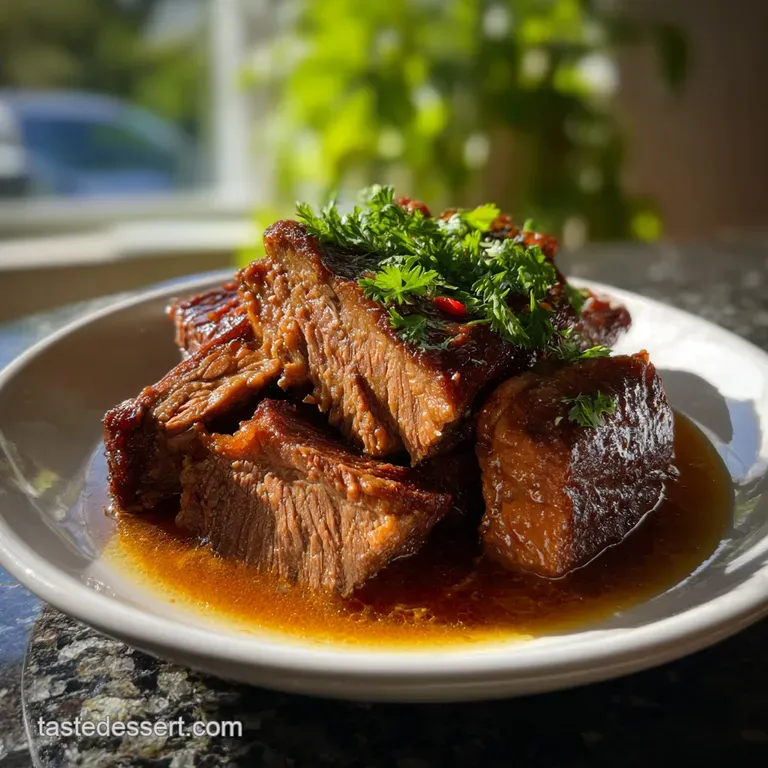
1. The Deep Mahogany Sear
Dry the 5.5 lb brisket thoroughly with paper towels. Rub the Diamond Crystal salt and pepper over every inch. Heat the oil in your Dutch oven over medium high heat. Place the beef in fat side down. Sizzle for 8 minutes per side until a dark, mahogany crust forms. Remove and set aside.
Note: Drying the meat is crucial; moisture creates steam, which prevents browning.
2. Developing the Aromatic Fond
Lower the heat to medium. Toss in the sliced onions and leeks. Cook for about 15 minutes until they are golden and soft, scraping the bottom of the pot to release the brown bits (the fond). Add the garlic and carrots, cooking for another 5 minutes until fragrant.
3. The Deglazing Stage
Pour in the 2 cups of red wine. Use a wooden spoon to scrape every last bit of flavor off the bottom. Let the wine simmer for 5 minutes until it reduces by half and smells less sharp.
4. Building the Braise
Stir in the beef bone broth, chili sauce, and honey. Whisk gently to combine the honey so it doesn't sink and burn. Nestling the brisket back into the pot, ensure the liquid comes about halfway up the sides of the roast. Add the thyme and bay leaves.
5. The Low and Slow Submersion
Cover the pot with a tight fitting lid. If your lid is a bit loose, place a piece of parchment paper or foil under the lid to create a tighter seal. Slide it into a 300°F oven.
Bake for 4 hours 30 minutes until the meat is tender enough to cut with a spoon.
6. The Overnight Transformation
Remove the roast from the liquid. Let it cool on a tray, then wrap and refrigerate. Strain the liquid into a container and chill overnight. Note: This makes it incredibly easy to lift the solidified fat off the top the next day.
7. Slicing and Reducing
The next morning, remove the cold fat. Slice the cold brisket against the grain into 1/4 inch slices. Pour the liquid back into a wide skillet and simmer for 10-15 minutes until it coats the back of a spoon.
8. Final Glaze and Serve
Place the sliced meat and carrots back into the sauce. Heat gently on the stove or in a 325°F oven for 20 minutes until the beef is heated through and glazed in the sauce. Serve with a sprinkle of fresh herbs for a bright finish.
Fixes for Common Roast Problems
The Beef Feels Tough
This usually means the collagen hasn't finished melting. Even after 4 hours, some cuts are just more stubborn. If it’s not yielding, it needs more time, not more heat.
The Sauce is Greasy
With a second cut brisket, you get a lot of rendered fat. If you don't have time to chill it overnight, use a fat separator or carefully skim the top with a wide spoon.
| Problem | Cause | Fix | Pro Tip |
|---|---|---|---|
| Dry Meat | Overcooked or sliced with grain | Slice against the grain | Always look for the lines in the meat before you start cutting. |
| Bitter Sauce | Burnt garlic or wine | Add a tsp of honey | A tiny bit of extra sugar can mask over reduced wine bitterness. |
| Mushy Carrots | Cut too small | Cut into 1 inch chunks | Larger pieces withstand the 4.5 hour cook time much better. |
Inspired Flavor Variation Ideas
If you're feeling adventurous with this with Braised Brisket to Celebrate with Family, try these twists.
- Pomegranate & Date Twist: Replace 1 cup of broth with 1 cup of pomegranate juice and add 6 halved Medjool dates to the braise. This leans into the "sweet" tradition of the New Year even more.
- Coffee Rubbed Depth: Rub the beef with 1 tbsp of finely ground espresso beans before searing. It sounds strange, but the bitterness of the coffee creates a savory depth that mimics a 24 hour smoke.
- Spiced Sephardic Style: Add a cinnamon stick and a teaspoon of cumin to the aromatics. This brings a warm, earthy profile that is common in North African Jewish traditions.
Storage and Reheating Guidelines
This New Year Food Idea with Braised Brisket to Celebrate with Family is practically designed to be leftovers. In fact, I rarely serve it the day I make it because the flavors need that quiet time in the fridge to truly marry.
- Fridge: Store in an airtight container with the sauce for up to 4 days. The sauce keeps the meat from drying out.
- Freezer: Brisket freezes beautifully. Slice it first, lay it in a freezer safe bag with plenty of sauce, and freeze for up to 3 months.
- Reheating: Always reheat slowly. Put the slices and sauce in a covered dish at 325°F for 20-30 minutes. Avoid the microwave, as it can turn the tender fat into rubber.
- Zero Waste: Don't toss the leftover sauce! It makes an incredible base for a Classic Homemade Chili recipe or can be used as a rich gravy for mashed potatoes.
Creative Dish Pairing Ideas
What you serve alongside this roast is just as important as the beef itself. You want sides that can soak up that incredible honey wine reduction.
- Crispy Potato Kugel: The classic choice. The crunchy edges of the kugel provide a much needed texture contrast to the soft beef.
- Horseradish Gremolata: Mix lemon zest, parsley, and a bit of fresh horseradish. Sprinkle this over the finished roast right before serving to add a "bright" pop that cuts through the richness.
- Roasted Brussels Sprouts: Toss them with a bit of balsamic to echo the acidity in the brisket sauce.
If you are looking for a sweet ending to the meal, this roast pairs wonderfully as a precursor to a New York Style recipe for mini cheesecakes. The lightness of the cheesecake is a great follow up to the heavy, rich main course.
Brisket Myths Debunked
Many people believe that searing "seals in the juices." This is actually a myth. Searing is entirely about the Maillard reaction and creating flavor. The meat actually loses moisture during the searing process, but the trade off for that crust is well worth it.
Another common misconception is that you need to completely submerge the meat in liquid. If you cover the brisket entirely, you are boiling it, not braising it. Keeping the top third of the meat exposed allows the fat cap to crisp slightly and creates a more concentrated, flavorful sauce.
| Feature | Fresh Preparation | Shortcut Version |
|---|---|---|
| Texture | Velvety and cohesive | Can be stringy or dry |
| Sauce | Deeply layered umami | Often one note or salty |
| Prep Time | 5 hours 15 mins | 2 hours (Pressure Cooker) |
Chef's Note: If you really want to take this to the next level, let the brisket sit in the salt and pepper rub uncovered in the fridge for 24 hours before you even start the stove. This "dry brine" ensures the seasoning reaches the very center of the 5.5 lb cut.
Making this Delicious Jewish New Year Food Idea with Braised Brisket is about more than just a recipe. It's about the joy of the transformation and the art of bringing people together.
When you pull that heavy pot out of the oven and see that shimmering, dark sauce, you'll know that every minute of waiting was worth it. Trust me on this, your family will be talking about this roast until next year's celebration. Right then, let's get cooking!

Recipe FAQs
Is it necessary to chill the brisket before slicing?
Yes, absolutely. Cooling the roast allows the gelatin set, which effectively glues the muscle fibers together, resulting in clean, non-shredded slices. If you slice it hot, the structure collapses.
Can I use a first cut brisket instead of the recommended second cut?
Yes, but adjust your expectations slightly. The second cut has more internal fat, ensuring silkiness. If you use the leaner first cut, consider adding an extra two tablespoons of neutral oil during the searing stage to compensate for the missing moisture barrier.
Why is searing the beef before braising so important?
Searing builds the flavor foundation. This high heat reaction, known as the Maillard reaction, creates hundreds of new, complex flavor compounds that enrich the final sauce. Skipping this step leads to a flat, steamed tasting roast.
What is the most critical temperature I must reach for tenderness?
Aim for an internal temperature of 202°F. This temperature signals that the tough collagen has fully hydrolyzed into smooth gelatin, transforming the meat into that sought after, pull apart texture. If you enjoy mastering temperature control, apply similar precision when trying to Juicy How to Grill New York Strip Like a Pro.
What can I substitute for the red wine in the braising liquid?
Pomegranate juice is an excellent substitute. It maintains the necessary acidity to tenderize the meat while offering a beautiful, slightly tart fruit flavor that complements the honey. This method is similar to how balancing acid works in many baking recipes.
How can I prevent the carrots from turning into mush during the long cook?
Cut the carrots significantly thicker. They should be cut into rounds at least 1 inch thick before they go into the liquid. If you are looking for another comforting, slow cooked protein, you might enjoy seeing the technique utilized in Mamas Pot Roast Classic Comfort Food Made Easy.
Can this brisket recipe be made entirely in a slow cooker?
Yes, but you must sear first. Skip the oven and sear the meat on the stovetop, then transfer everything to the slow cooker on low for 8-10 hours. Remember to use less liquid since the slow cooker lid traps moisture very effectively.
Braised Brisket For New Year
Ingredients:
Instructions:
Nutrition Facts:
| Calories | 584 kcal |
|---|---|
| Protein | 42.6 g |
| Fat | 36.2 g |
| Carbs | 14.4 g |
| Fiber | 1.8 g |
| Sugar | 9.1 g |
| Sodium | 985 mg |
