Butter Cream Frosting Recipe
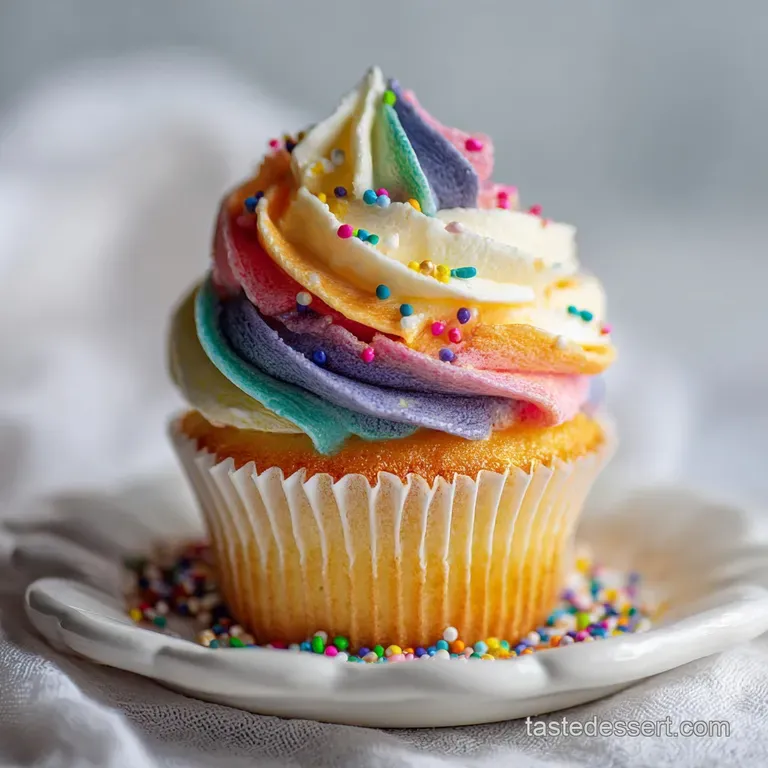
- Time: Active 15 minutes, Passive 0 minutes, Total 15 minutes
- Flavor/Texture Hook: Velvety, melt on-the tongue sweetness with a deep floral vanilla finish
- Perfect for: Milestone birthday cakes, decorative sugar cookies, or piping towering cupcake swirls
- Master the Art of a Velvety Butter Cream Frosting Recipe
- The Molecular Logic of Stable Aerated Emulsions
- Methods for Achieving a Professional Bakery Texture
- Component Analysis for Maximum Structural Integrity
- Sourcing High Quality Elements for Maximum Flavor
- Essential Tools for Whipping and Aerating
- Step by Step Guide to Flawless Mixing
- Fixing Common Texture and Stability Issues
- Creative Flavor Adaptations and Simple Substitutes
- Preserving Freshness and Managing Prep Timelines
- Perfect Pairings for Your Finished Creation
- Comparison: Freshly Whipped vs. Store-Bought Shortcut
- Buttercream Frosting FAQs
- 📝 Recipe Card
Master the Art of a Velvety Butter Cream Frosting Recipe
There is a specific sound that happens in my kitchen when I know a batch is going to be amazing. It is that soft, rhythmic thwack thwack of the paddle attachment hitting a pale, pillowy mountain of butter.
For years, I struggled with frosting that was either a grainy mess or a soup that slid right off my cupcakes. I used to think it was the recipe, but it was actually my technique and specifically, the temperature of my butter.
If you have ever bitten into a cake only to feel the crunch of undissolved sugar, you know the pain I am talking about. We have all been there. This butter cream frosting recipe is my way of making sure you never have to deal with that again.
It is stable enough for a three tier cake but soft enough to make you want to eat it straight off the spatula. Trust me on this, once you see that ivory sheen, you will never go back to the tubs from the store.
We are going to focus on a few tiny details that make a massive difference. We are talking about the fat to sugar ratio and how room temperature heavy cream acts as a bridge between the two. Right then, let's get into the "how" and "why" so your next bake is the talk of the neighborhood.
The Molecular Logic of Stable Aerated Emulsions
The secret to a successful butter cream frosting recipe lies in the transformation of solid fat into a stable foam. When we beat the butter, we are performing mechanical aeration, which forces air into the fat molecules to create volume.
- Fat Aeration
- High speed mixing creates millions of microscopic air pockets within the butter, which are later stabilized by the sugar crystals.
- Sugar Suspension
- Double sifting the confectioners' sugar ensures the particles are small enough to be fully coated by fat, preventing a gritty texture.
- Liquid Emulsification
- The heavy cream acts as an emulsifier, binding the fat and sugar together into a cohesive, silky spread.
Methods for Achieving a Professional Bakery Texture
Before we start mixing, it helps to know which tool will give you the specific look you are going after. Most people reach for the whisk, but in my experience, that is often where the trouble starts.
| Method | Time | Texture | Best For |
|---|---|---|---|
| Stand Mixer (Paddle) | 8 minutes | Dense, silky, no bubbles | Smooth cake finishes and sharp edges |
| Stand Mixer (Whisk) | 5 minutes | Extra fluffy, airy | Cupcake swirls and light fillings |
| Hand Mixer (Beaters) | 12 minutes | Soft, slightly less stable | Small batches or home style cookies |
Achieving the "65°F Sweet Spot" for your butter is non negotiable for stability. If your butter is too cold (below 60°F), it will clump and refuse to take in air; if it is too warm (above 70°F), the emulsion will break, and you will end up with a greasy soup.
I usually take my butter out of the fridge about 45 to 60 minutes before I start, depending on how warm my kitchen is.
Component Analysis for Maximum Structural Integrity
The quality of your ingredients directly dictates the final mouthfeel of your cream frosting recipe. Using European style butter, which has a higher fat content and lower water percentage than standard American butter, results in a richer, more stable finish.
| Ingredient | Science Role | Pro Secret |
|---|---|---|
| European Butter (82% fat) | Structural base and flavor carrier | Use at 65°F to ensure it holds air without melting |
| Confectioners' Sugar | Bulking agent and stabilizer | Sift twice to remove clumps that "shield" moisture |
| Heavy Cream (36% fat) | Emulsifier and texture softener | Must be room temperature to avoid "shocking" the butter fat |
| Fine Sea Salt | Flavor enhancer and sugar balancer | Dissolve it in the cream first to ensure even distribution |
While many people use milk, the high fat content in heavy cream creates a much more luxurious "mouth coat" that professional bakers swear by. It helps the frosting stay smooth even after it has been sitting out on a cake for a few hours.
Sourcing high-quality Elements for Maximum Flavor
- 2 cups (454g) Unsalted European style Butter: Softened to 65°F (18°C). Why this? Higher fat content means less water and a creamier, more stable texture.
- Substitute: Standard unsalted butter (may be slightly less "sturdy").
- 0.5 tsp (3g) Fine Sea Salt: Why this? Cuts the cloying sweetness and highlights the vanilla bean notes.
- Substitute: Table salt (use slightly less as it is more "salty" by volume).
- 4 cups (500g) Confectioners’ Sugar: Double sifted. Why this? Provides the structure while ensuring a perfectly smooth, non gritty finish.
- Substitute: store-bought "10x" powdered sugar.
- 3 tbsp (45ml) Heavy Cream (36% fat): Room temperature. Why this? Adds richness and helps the sugar incorporate without thinning the frosting too much.
- Substitute: Whole milk (frosting will be slightly less creamy).
- 1 tbsp (15ml) Pure Vanilla Bean Paste or Extract: Why this? Paste adds beautiful dark specks and a more intense, floral aroma.
- Substitute: Clear vanilla extract (if you need a stark white frosting).
Essential Tools for Whipping and Aerating
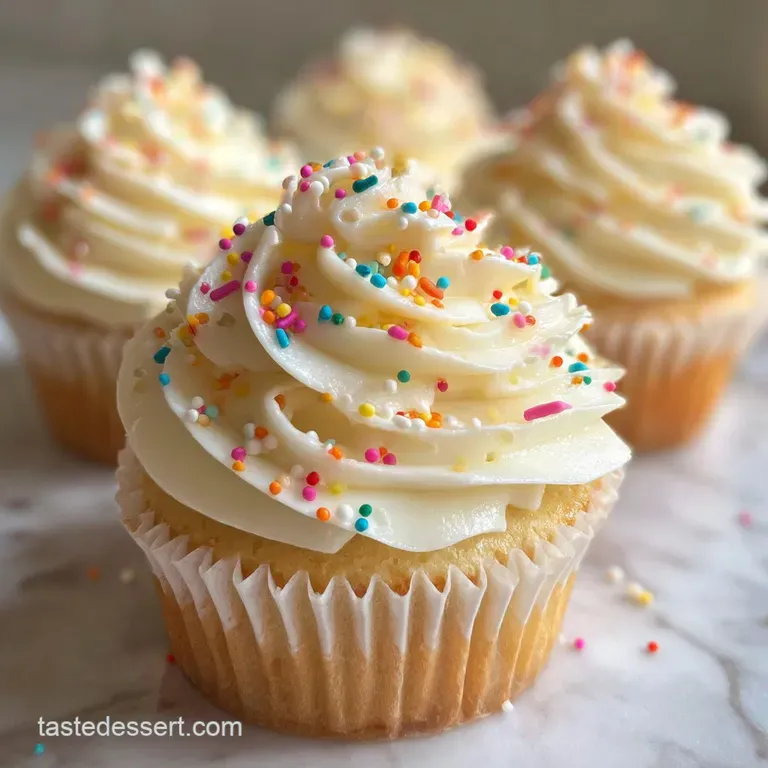
You don't need a professional kitchen, but a few specific tools will make this frosting recipe much easier to manage. I highly recommend a stand mixer such as a KitchenAid, as it allows you to walk away while the butter aerates for several minutes.
- Fine Mesh Sieve: Essential for double sifting that sugar. Do not skip this!
- Digital Thermometer: To check that the butter is exactly 65°F.
- Silicone Spatula: For scraping the very bottom of the bowl to ensure no butter streaks remain.
- Offset Spatula: Best for spreading the finished product onto cakes.
step-by-step Guide to Flawless Mixing
- Cream the butter. Place your 65°F butter in the mixer bowl. Use the paddle attachment on medium speed for 5 full minutes until it turns from yellow to a pale ivory color.
- Sift the sugar. While the butter is creaming, sift your 4 cups of sugar into a separate bowl. Then, sift it a second time.
- Add salt to cream. Stir your fine sea salt into the room temperature heavy cream until the grains have completely dissolved.
- Incorporate sugar slowly. Turn the mixer to the lowest setting. Add the sugar one cup at a time, waiting about 30 seconds between each addition until no white puffs remain.
- Pour in liquids. With the mixer still on low, slowly drizzle in the heavy cream mixture and the vanilla bean paste.
- Increase the speed. Turn the mixer up to medium high. Beat for another 3 to 5 minutes until the texture looks like soft, billowy clouds.
- Check the aroma. You should smell a deep, sweet, floral scent of vanilla and toasted cream at this stage.
- Remove air bubbles. Turn the mixer back to the lowest speed for 2 minutes. This "massages" out the large air pockets until the frosting looks silky and smooth.
Chef Tip: If your kitchen is hot and the frosting looks "melted," pop the whole bowl in the fridge for 10 minutes, then re whip. It works every time.
Fixing Common Texture and Stability Issues
One mistake I once made was adding cold cream to warm butter. The whole thing curdled instantly. It looked like cottage cheese, and I almost threw it out. If that happens to you, don't panic. You can usually save it by gently warming the bowl over a pot of steaming water for 10 seconds and then whipping it again.
Fixing Grainy Sugar Crumb
If you can still feel the sugar grains, it usually means the sugar didn't have enough moisture to dissolve or the butter was too cold. Try adding one extra teaspoon of room temperature cream and mixing on high for two more minutes.
Rescuing Soupy Mixtures
If your frosting is too soft to hold a peak, the butter was likely too warm. This often happens in the summer. The fix is temperature control, not more sugar. Adding more sugar just makes it cloyingly sweet and heavy.
| Problem | Root Cause | Solution |
|---|---|---|
| Curdled/Grainy | Cold liquid added to fat | Warm bowl slightly with hair dryer while mixing |
| Air Bubbles | Over whipping on high speed | Mix on lowest speed for 2-3 mins to "deflate" |
| Greasy/Melting | Butter was above 70°F | Chill bowl for 15 mins then re whip |
Common Mistakes Checklist:
- ✓ Never use cold butter; it will never become fluffy.
- ✓ Always sift your sugar twice once isn't enough for professional results.
- ✓ Use room temperature cream to keep the fat emulsion stable.
- ✓ Stop the mixer and scrape the bottom of the bowl at least twice.
- ✓ Don't rush the initial butter creaming step; it needs those 5 minutes.
Creative Flavor Adaptations and Simple Substitutes
This butter cream frosting recipe is a blank canvas. While vanilla is the classic choice, you can easily pivot to other flavors depending on your bake. For a deep chocolate version, I often replace a half cup of the sugar with high-quality cocoa powder.
- If you want a stiffer frosting
- Reduce the heavy cream to 1.5 tablespoons.
- If you want a whiter frosting
- Use clear vanilla and a tiny drop of violet food coloring to neutralize the yellow butter.
- If you want a matte finish
- Substitute half the butter with high-quality vegetable shortening.
| Premium Ingredient | Budget Alternative | Flavor Impact | Savings |
|---|---|---|---|
| Vanilla Bean Paste | Pure Vanilla Extract | Less intense aroma, no specks | Save $4-6 |
| European Butter | Store brand Unsalted Butter | Slightly less "rich" mouthfeel | Save $3-5 |
| Heavy Cream | Half and Half | Slightly thinner consistency | Save $1-2 |
If you are looking for something a bit different, you might enjoy my Honey Butter Recipe which uses a similar aeration technique but with a sweet, floral honey twist. It is brilliant on warm rolls!
Preserving Freshness and Managing Prep Timelines
Storage: You can keep this frosting in an airtight container in the fridge for up to 7 days. Before using it, you must let it come back to room temperature (about 2 hours) and give it a quick whip with a spatula or mixer to restore the fluffiness.
Freezing: This recipe freezes beautifully for up to 3 months. Thaw it overnight in the fridge, then bring it to room temp. I like to freeze it in freezer bags, squeezed flat, so it thaws faster.
Zero Waste Tip: If you have a small amount of leftover frosting, don't toss it! It makes an incredible filling for sandwich cookies. You could even use it as a base for The Edible Cookie recipe by mixing in a little extra flour and chocolate chips.
Perfect Pairings for Your Finished Creation
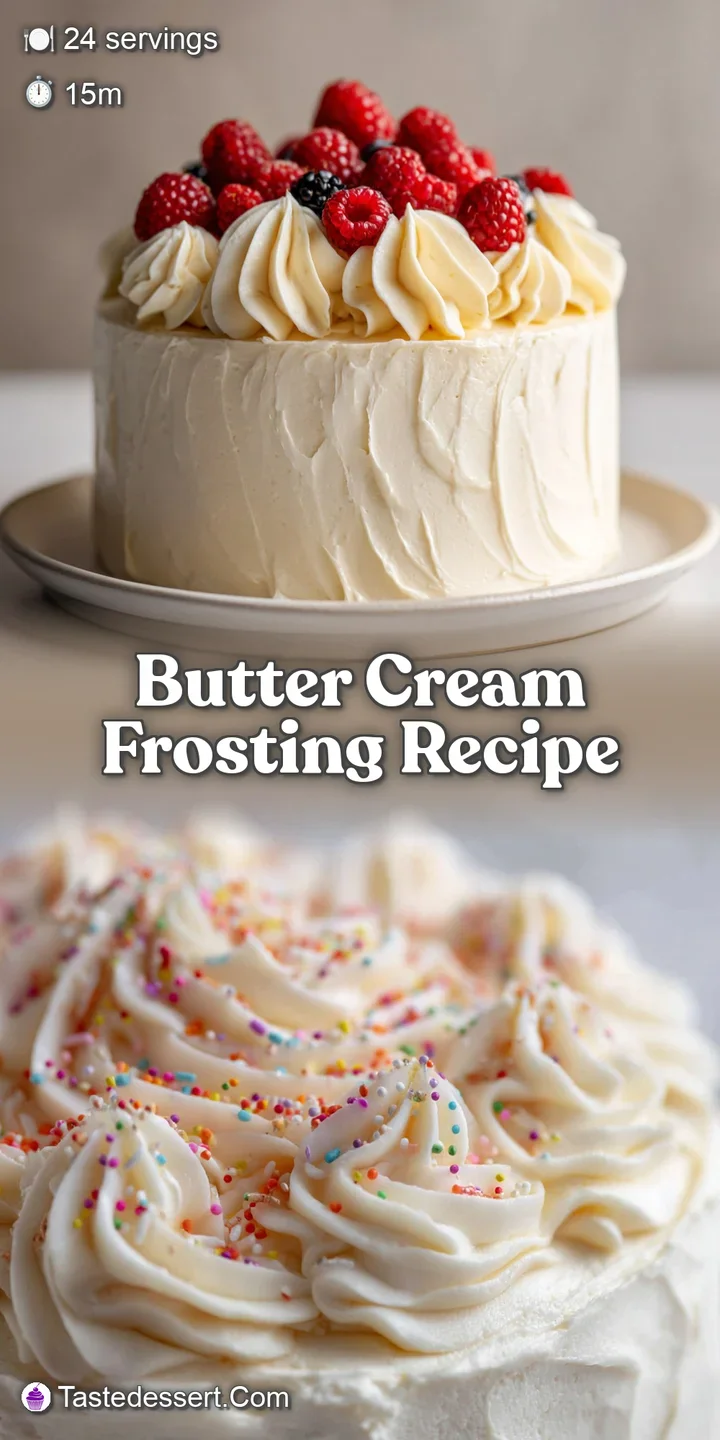
Once you have mastered this frosting, you need something worthy of it. It is the gold standard for a classic birthday cake, but it also works wonders as a decorative border for more elaborate desserts. The stability of this particular butter cream frosting recipe makes it ideal for piping intricate flowers or stars.
If you are in the mood for something nostalgic, try using this frosting as a topping for a rich pie. It would actually be a fantastic modern twist to pipe swirls of this over an Amish Peanut Butter recipe to add some height and a creamy vanilla counterpoint to the salty peanut base.
Chef Tip: For the smoothest application, "crumb coat" your cake first with a very thin layer of frosting to lock in the crumbs, chill for 20 minutes, then apply your final thick, velvety layer.
Comparison: Freshly Whipped vs. store-bought Shortcut
| Feature | Freshly Whipped | Canned/Shortcut |
|---|---|---|
| Texture | Cloud like and melting | Greasy and waxy |
| Flavor | Real butter and vanilla | Artificial "cake" scent |
| Stability | High (holds peaks well) | Low (often "slumps" in heat) |
Let's crack on with the baking I can't wait to see your pillowy swirls! Just remember: watch your temperatures, sift that sugar, and give that butter the time it needs to turn into a pale, beautiful foam. You've got this!
Buttercream Frosting FAQs
What are the ingredients for buttercream frosting?
Unsalted European butter, confectioners' sugar, fine sea salt, heavy cream, and vanilla bean paste or extract. European butter with its higher fat content creates a richer, more stable frosting. Double sifting the sugar is crucial to avoid grittiness.
What is the trick to perfect buttercream frosting?
Temperature control is the main trick. The butter needs to be softened to exactly 65°F (18°C) not too cold to clump, not too warm to melt. This allows it to aerate properly and create a stable, silky emulsion.
What are 5 mistakes to avoid when making buttercream frosting?
Avoid using cold butter, skipping the double sifting of sugar, adding cold cream to warm butter, over whipping on high speed, and not scraping the bowl. Cold butter won't aerate, unsifted sugar causes grit, cold cream breaks the emulsion, over whipping creates air bubbles, and not scraping leaves
streaks.
How to make a perfect buttercream frosting?
Cream softened 65°F butter for 5 minutes until pale ivory. Gradually add double sifted confectioners' sugar, then room temperature heavy cream and vanilla. Whip on medium high for 3-5 minutes until fluffy, then on low for 2 minutes to remove air bubbles for a silky finish.
Can I use regular unsalted butter instead of European butter?
Yes, but it may be slightly less sturdy. European butter has a higher fat content and lower water percentage, leading to a creamier and more stable frosting. Regular butter will still work well, but aim for that 65°F temperature to compensate.
My buttercream frosting looks greasy or is melting, what happened?
This usually means your butter was too warm, likely above 70°F. To fix it, chill the bowl for about 10-15 minutes in the refrigerator, then re-whip the frosting. If you enjoyed mastering temperature control here, see how precise ingredient temperatures are key in our Foolproof Classic Pumpkin Roll Recipe with Cream Cheese Frosting.
How do I store leftover buttercream frosting?
Store in an airtight container in the refrigerator for up to 7 days. Before using, let it come to room temperature (about 2 hours) and give it a quick whip with a spatula or mixer to restore its fluffiness. This technique is also useful for revivifying other dairy based frostings, similar to preparing the filling for German Chocolate Cake: The Ultimate Classic Coconut Pecan Frosting Recipe.
Butter Cream Frosting
Ingredients:
Instructions:
Nutrition Facts:
| Calories | 225 kcal |
|---|---|
| Protein | 0.2 g |
| Fat | 16.0 g |
| Carbs | 20.9 g |
| Fiber | 0 g |
| Sugar | 20.3 g |
| Sodium | 51 mg |
