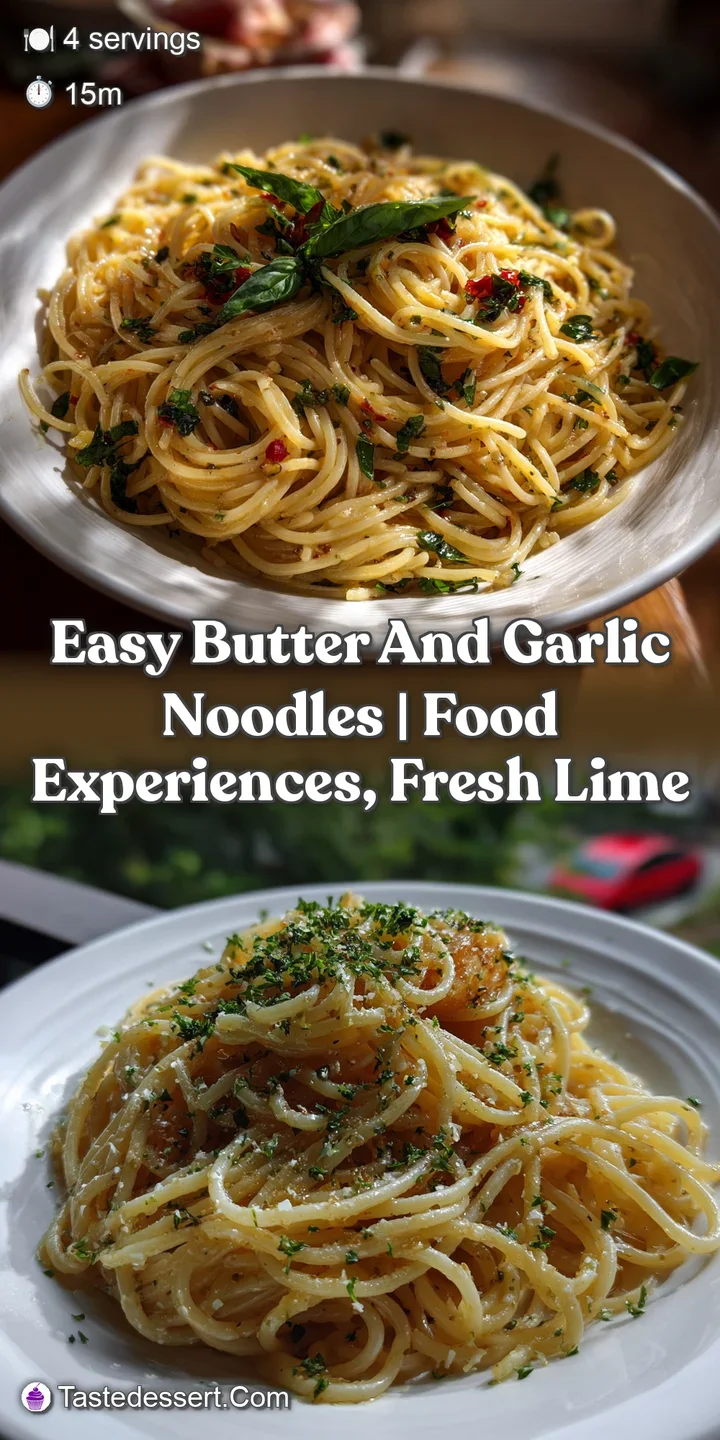
The Best 15-Minute Butter and Garlic Noodles
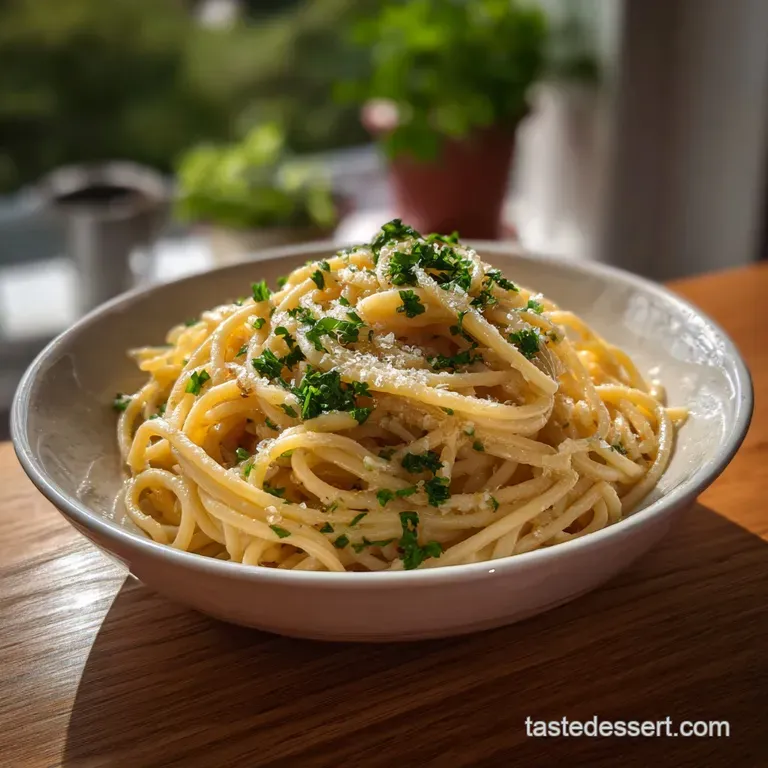
- Effort/Time: 15 minutes total
- Flavor Hook: Rich, nutty browned butter with a triple-garlic punch
- Perfect for: Weeknight-survivors and carb-obsessed enthusiasts
- The Ultimate 15 Minute Butter and Garlic Noodles: An Umami Masterclass
- The Science of Flavor: Why These Butter and Garlic Noodles Work
- Essential Ingredients and Smart Substitutions
- Step-by-Step Instructions: How to Make Homemade Butter and Garlic Noodles
- Expert Tips and Common Mistakes to Avoid
- Common Myths
- Storage, Reheating, and Freezing Guidelines
- What to Serve with Your Garlic Butter Pasta
- Recipe FAQs
- 📝 Recipe Card
The Ultimate 15 Minute Butter and Garlic Noodles: An Umami Masterclass
Nothing kills a craving faster than a bowl of slippery, oily pasta where the flavor sits at the bottom of the bowl. We have all been there tossing noodles with melted fat only to watch the sauce separate and the garlic burn into bitter, acrid bits.
I spent years settling for "fine" until I realized the secret isn't more butter; it's better physics.
We are making a version of butter and garlic noodles that actually clings to the pasta. If you’ve ever struggled with noodles that feel greasy rather than velvety, this is your solution.
We’re using a technique that binds the fat to the starch, creating a thick, glossy coating that stays put from the first bite to the last.
The aroma of fresh garlic hitting bubbling European butter is a sensory reset button. It’s a sharp, savory sizzle that promises deep satisfaction. By the time we finish this masterclass, you'll understand exactly how to manipulate heat and starch to achieve the best butter and garlic noodles you've ever tasted.
Beyond the Childhood Classic: Transforming Simple Pasta
We often think of butter and garlic noodles as "kid food" or a lazy fallback. But when you treat the ingredients with technical respect, it becomes an adult tier indulgence. I used to just toss noodles in a pan with whatever was in the fridge, usually ending up with soggy pasta and raw garlic breath.
This recipe changes that by treating the butter as a flavor carrier rather than just a lubricant. We aren't just melting fat; we are infusing it. We want to extract every ounce of sweetness from the 8 cloves of fresh garlic without crossing the line into bitterness.
Trust me, once you see how the Parmigiano Reggiano melts into the starchy water, you'll never go back to the boxed stuff. This is the kind of recipe you make when you need a win in 15 minutes. It pairs beautifully with a How to Make Grandbaby Cakes Sugar: Velvety Martini while you prep.
Why This 15 Minute Recipe Beats Restaurant Alternatives
Most restaurants cheat by using excessive heavy cream or cheap oils to mimic richness. This homemade butter and garlic noodles recipe relies on high-quality Kerrygold Unsalted Butter and the natural starches of the noodles themselves.
The result is a cleaner, more intense flavor profile that doesn't leave you feeling weighed down by synthetic thickeners.
Speed is the secondary benefit here. You can actually have this on the table faster than a delivery driver can find your house. Because we utilize the pasta boiling time to prep the aromatics, there is zero wasted movement in the kitchen.
The balance of acidity from the lemon zest and the slow heat from the red pepper flakes cuts through the fat. This creates a multidimensional profile that most commercial versions lack. You are in control of the texture, the salt, and the "garlic factor."
The Three Layers of Garlic Intensity
To achieve a "Masterclass" flavor, we don't just use one type of garlic. We use three. This creates a spectrum of taste that hits different parts of the palate at different times.
First, the 8 cloves of fresh garlic provide the aromatic base and a sharp, punchy start. Second, the 1/2 tsp garlic powder acts as a savory "seasoning salt," filling in the gaps where the fresh cloves might miss a noodle.
Finally, the heat activated 1/2 tsp red pepper flakes provides a background hum that amplifies the garlic’s natural pungency.
This layering ensures that the garlic noodles don't just taste like one-note salt and fat. It’s a complex, building heat and savory depth. Using a Microplane Zester for the fresh garlic ensures the pieces are small enough to melt into the sauce, preventing the unpleasant "crunch" of raw garlic bits.
The Science of Flavor: Why These Butter and Garlic Noodles Work
- Starch Emulsification: Reserved pasta water contains amylose molecules that bridge the gap between fat and water, creating a stable, creamy sauce without cream.
- Maillard Reaction: Toasting the garlic in butter at 250°F (121°C) creates melanoidins, transforming sharp sulfur compounds into sweet, nutty aromatic profiles.
- Fat-Soluble Infusion: Capsaicin in the red pepper flakes and allicin in the garlic are fat-soluble, meaning the butter carries these flavors directly to your taste buds.
- Hygroscopic Action: Sea salt draws moisture out of the garlic cells, allowing them to soften and integrate into the fat faster.
Essential Ingredients and Smart Substitutions
The Science Behind Unsalted European Butter
- What It Does
- Acts as the primary fat source and flavor carrier for the aromatics.
- The Chemistry
- European style butter has a higher butterfat content (82 85%) and less water than standard American butter, leading to more stable emulsification.
- Why This Matters
- High fat content results in a more velvety mouthfeel and prevents the sauce from breaking into a watery mess.
The Science Behind Fresh Garlic Cloves
- What They Do
- Provide the foundational aroma and "bite" of the dish.
- The Chemistry
- Crushing or mincing garlic triggers the enzyme alliinase to convert alliin into allicin, the compound responsible for the signature pungent flavor.
- Why This Matters
- Using fresh cloves instead of pre-minced jarred versions ensures maximum allicin potency and a cleaner, sharper umami profile.
The Science Behind Parmigiano Reggiano
- What It Does
- Adds salt, aged complexity, and structural thickness to the sauce.
- The Chemistry
- This aged cheese is packed with glutamate, a natural amino acid that triggers the "umami" taste receptors on the tongue.
- Why This Matters
- The protein network in the cheese melts into the starch water emulsion, thickening the sauce while providing a savory depth that salt alone cannot achieve.
| Original Ingredient | Substitute | Why It Works |
|---|---|---|
| Unsalted European Butter (1/2 cup) | Extra Virgin Olive Oil (1/3 cup) | High fat content but lacks the dairy solids for a "creamy" finish. Note: Lighter, more herbal outcome. |
| Parmigiano Reggiano (1/2 cup) | Pecorino Romano (1/2 cup) | Similar melting point but saltier/funkier. Note: Reduce added sea salt if using this. |
| Fresh Italian Parsley (2 tbsp) | Fresh Chives (2 tbsp) | Provides an herbaceous lift. Note: Adds a subtle onion note rather than the peppery bite of parsley. |
| Garlic Powder (1/2 tsp) | Onion Powder (1/2 tsp) | Provides a savory base. Note: Results in a rounder, sweeter flavor profile without the garlic "zing." |
Choosing the Best Pasta Shape for Sauce Adhesion
For this butter and garlic noodles recipe, the 12 oz butter and garlic egg noodles are specified for a reason. Egg noodles have a porous, slightly rough surface compared to standard semolina pasta. This texture is vital because it provides more surface area for the butter emulsion to "grip."
If you switch to a smoother pasta like spaghetti, you must be more aggressive with your tossing. The goal is "sauce adhesion." Without the right shape or technique, the butter simply slides off the noodle.
If you are serving this alongside a heavier main, like the How to Make Grandbaby Cakes Pizza: Moist Turkey, the lighter texture of an egg noodle prevents the meal from feeling overly dense.
step-by-step Instructions: How to Make Homemade Butter and Garlic Noodles
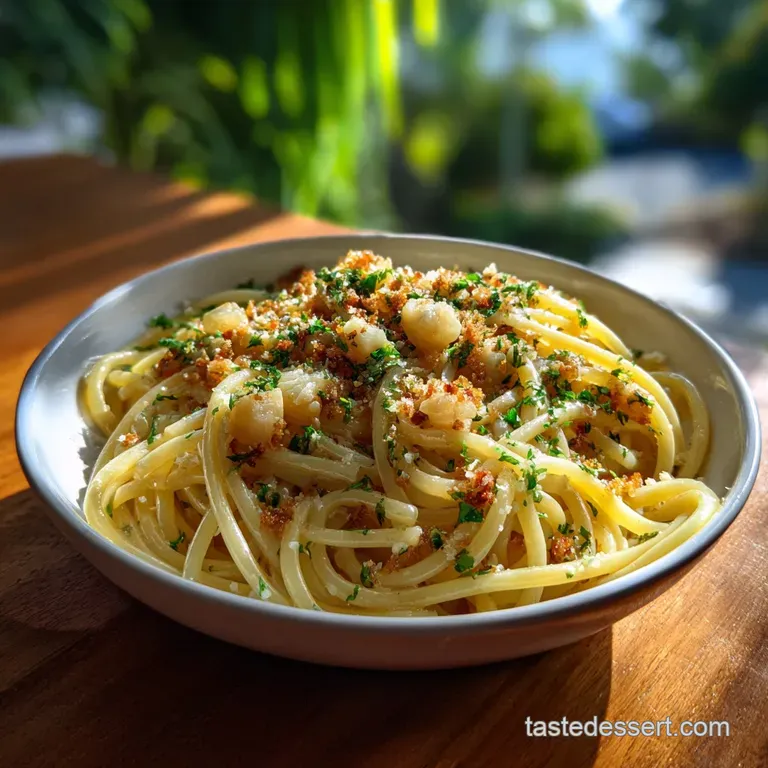
Boil noodles in a Le Creuset Stockpot with 1 tbsp Diamond Crystal Sea Salt. Note: Salted water seasons the pasta from the inside out via osmosis, ensuring the noodles aren't bland.
Reserve 1/2 cup pasta water before draining the noodles. Note: This water contains the concentrated starch necessary for emulsifying the butter sauce.
Melt 1/2 cup unsalted European butter in a Lodge Cast Iron Skillet over medium low heat until bubbling. Note: Using low heat prevents the milk solids in the butter from burning before the garlic is infused.
Add 8 cloves minced garlic and 1/2 tsp red pepper flakes to the fat. Note: Sautéing for 60 90 seconds allows the fat-soluble flavor compounds to release without scorching the garlic.
Whisk in 1/2 tsp garlic powder and 1/2 cup starchy pasta water. Note: Rapid whisking creates a temporary emulsion between the butter and the water.
Toss in the cooked noodles and 1/2 cup Parmigiano Reggiano immediately. Note: The residual heat of the noodles helps the cheese melt into the emulsion rather than clumping.
Add 1/2 lemon zest and 2 tbsp fresh Italian parsley. Note: The citric acid in the zest cuts through the fat, brightening the entire flavor profile.
Finish with coarse black pepper to taste. Note: Freshly cracked pepper provides a sharp, floral heat that complements the earthy garlic.
Infusing the Butter: Mastering the Three Garlic Method
The biggest mistake people make with butter and garlic noodles is adding the garlic too early or at too high a temperature. We want the garlic to go "blonde" a pale, golden color. If it turns dark brown, the flavor profile shifts from sweet/savory to bitter/burnt.
I once ruined a date night dinner by trying to rush the garlic. Within 30 seconds, it went from aromatic to "charred trash." Keep your heat at a medium low setting. You should hear a gentle sizzle, not a violent pop.
By adding the red pepper flakes and garlic powder into the warm fat, you are essentially "blooming" the spices. This wakes up the dried ingredients, making them taste much fresher than if you just sprinkled them on top at the end.
Emulsifying the Sauce with Starchy Pasta Water
This is the "Liquid Gold" step. When you add the 1/2 cup reserved starchy pasta water to the butter, you are performing a culinary magic trick. The starch acts as an emulsifier, allowing the water and fat to bind together.
Without this water, your and garlic noodles will be oily. With it, they become creamy. You'll see the liquid in the pan transform from a clear yellow oil to an opaque, pale sauce.
If the sauce looks too thick or the noodles seem dry, add more pasta water one tablespoon at a time. It’s easier to thin a sauce than to thicken it. This is the same principle used in classic Roman pastas like Cacio e Pepe.
The Perfect Toss: Achieving a Silky, Uniform Coating
The "toss" isn't just for show. It is a mechanical process of aeration and mixing. Use a pair of OXO Silicone Tongs to lift and drop the noodles repeatedly in the pan. This action forces the sauce into the nooks and crannies of the egg noodles.
As you toss, the 1/2 cup freshly grated Parmigiano Reggiano should be added in increments. If you dump it all in at once, it might form a giant cheese ball. Sprinkle, toss, sprinkle, toss.
The goal is to see a thin, glossy sheen on every single noodle. There should be no pool of liquid at the bottom of the pan. If there is, keep tossing over low heat for another 30 seconds to encourage absorption.
Expert Tips and Common Mistakes to Avoid
Chef's Note: For an unconventional flavor boost, grate your butter while it is semi frozen before adding it to the pan. This increases the surface area and allows it to melt more evenly, preventing the milk solids from separating too quickly.
The "Cold Pan" Start: If you are worried about burning your garlic, start the garlic and butter in a cold skillet. Bring them up to temperature together. This gradual heating allows for a deeper infusion and gives you a wider window of "perfection" before things get too hot.
Pasta Doneness: Always pull your noodles 1 minute before the package instructions for "al dente." The noodles will continue to cook in the butter sauce during the tossing phase. This ensures they maintain a "toothsome" bite rather than turning into mush.
| Problem | Why It Happens | The Fix | Pro Protocol |
|---|---|---|---|
| Bitter Flavor | Garlic was sautéed at too high a heat. | Add a pinch of sugar or more lemon zest to balance. | Use a laser thermometer to keep butter under 250°F. |
| Clumpy Cheese | Cheese was added to boiling liquid. | Remove pan from heat before adding cheese. | Use a Microplane for a "snow like" consistency that melts instantly. |
| Oily/Separated Sauce | Not enough starchy pasta water used. | Add more pasta water 1 tbsp at a time while tossing. | Whisk the water and butter vigorously before adding noodles. |
Common Myths
Myth: You must use fresh pasta for the best results. Truth: high-quality dried egg noodles often have a better "grip" for butter sauces because of their rougher surface texture. Fresh pasta can sometimes become too soft when tossed in a heavy fat emulsion.
Myth: Adding oil to the boiling water prevents noodles from sticking. Truth: Oil just floats on top and eventually coats the noodles, preventing the butter and garlic noodles sauce from actually sticking to the pasta. Use a large pot and plenty of salt instead.
Storage, Reheating, and Freezing Guidelines
Maintaining Noodle Texture During Reheating
Butter based sauces solidify in the fridge. To revive your garlic noodles, do not just microwave them on high. This will cause the butter to break, leaving you with a pool of oil and dry noodles. Instead, place them in a skillet over low heat with 1 2 tablespoons of water or milk.
Cover with a lid for 2 minutes to let the steam penetrate the noodles, then toss gently until the emulsion reforms.
Best Containers for Preserving Umami Flavor
Use glass airtight containers like Pyrex Storage Sets. Plastic containers tend to absorb the strong garlic scent and can leach a "plastic" taste into the fat-rich sauce. These noodles will stay fresh in the fridge for up to 3 days.
Freezing Guidelines
I do not recommend freezing this specific butter and garlic noodles recipe. The egg noodles tend to lose their structural integrity when thawed, and the butter emulsion will almost certainly break upon reheating from frozen. This dish is best enjoyed fresh or from the fridge.
What to Serve with Your Garlic Butter Pasta
Protein Pairings: From Seared Scallops to Crispy Chicken
These noodles are a blank canvas. For a high end feel, sear some scallops in the same pan you used for the butter. The sweetness of the seafood complements the garlic beautifully. If you're looking for something heartier, try serving these alongside How to Make Grandbaby Cakes Oatmeal: Soft & Chewy for a comfort focused meal or more traditionally, a pan-seared chicken breast seasoned with lemon and thyme.
Refreshing Side Salads and Vegetable Accompaniments
Because the noodles are rich and heavy on fats, you need something with high acidity or bitterness to cleanse the palate. A simple arugula salad with a lemon vinaigrette works wonders. Alternatively, roasted broccoli or asparagus provides a charred, earthy contrast to the velvety butter sauce.
For dessert, if you want to stay in the realm of classic comfort, look no further than How to Make Grandbaby Cakes Sour: Tangy Pound Cake. The tanginess of the cake is the perfect follow-up to a savory, garlic forward meal.
Whether you're making this as a quick lunch or a decadent side dish, these butter and garlic noodles represent the peak of simple culinary execution. Use the best butter you can find, don't skimp on the pasta water, and keep that garlic golden. Happy cooking!
Recipe FAQs
Can I use margarine instead of butter? (Comparison)
Margarine introduces chemical instability. Margarine has a lower smoke point and higher water content than pure butter, inhibiting the necessary high fat emulsion needed for true silkiness. For dishes requiring browned butter flavor, stick to butter unless you are exploring dairy-free variations like those found in our Wonton Soup: Classic Pork and Prawn Recipe (Ultimate Hug).
Must I brown the butter first? (Rapid Fire)
Yes, browning develops critical nutty flavor compounds.
Why are my noodles oily instead of coated? (Troubleshooting)
The sauce broke due to insufficient starch water incorporation. The pasta starch forms a temporary colloid with the fat, allowing the emulsion to suspend evenly; without it, the fat separates, leaving an oily slick.
- Reserve at least 1 cup starchy pasta water
- Whisk water vigorously into the butter base
- Do not overheat the final mixture
Is dried garlic powder an acceptable substitute for fresh? (Comparison)
Fresh garlic provides essential aromatic oils missing in powder. Dried powder offers only dusty allicin flavor, which burns easily and lacks the foundational sharpness fresh garlic imparts during sautéing. If you enjoy rich, savory sauces, try our Pork Chops with Mushrooms and Shallots in a Creamy Dijon Sauce for deeper umami.
Does using high fat pasta water guarantee a perfect sauce? (Myth Buster)
Myth: Simply adding pasta water fixes a broken sauce. Reality: Water must be added slowly off heat and whisked aggressively to allow starch molecules to bridge the fat and water phases correctly, creating a stable sauce.
Do I need to rinse my pasta after boiling? (Rapid Fire)
No, rinsing removes crucial surface starch.
Is 15 minutes realistic for this recipe? (Myth Buster)
Myth: The prep time is inflated for marketing purposes. Reality: The 15-minute timeline accounts for simultaneous pasta boiling, butter browning, and garlic tempering, requiring sharp multitasking but no long waits.
Butter Garlic Noodles Recipe
Ingredients:
Instructions:
Nutrition Facts:
| Calories | 589 calories |
|---|---|
| Protein | 17 g |
| Fat | 30 g |
| Carbs | 63 g |
| Fiber | 3 g |
| Sugar | 2 g |
| Sodium | 650 mg |
