Carrot Sheet Cake: Velvety and Moist
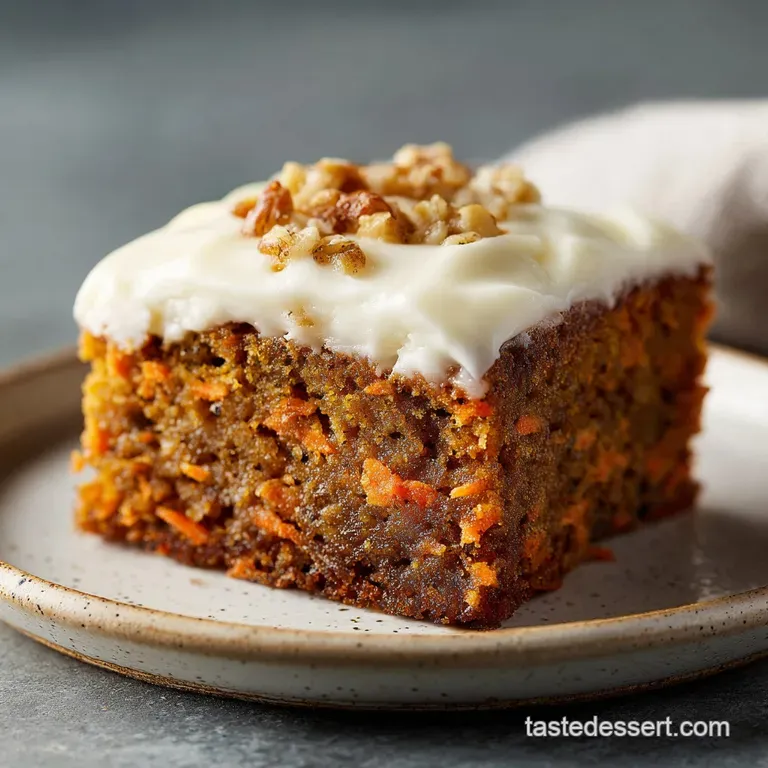
- Time: Active 20 minutes, Passive 35 minutes, Total 55 minutes
- Flavor/Texture Hook: Spiced, velvety, and intensely moist
- Perfect for: Potlucks, family gatherings, and stress free entertaining
- Achieving the Perfect Moist Carrot Sheet Cake
- Secrets Behind the Sheet Pan Success
- Essential Elements for the Perfect Batter
- Minimalist Tools for Maximum Results
- Transforming Ingredients Into Velvet Layers
- Fixing Common Baking Stumbles Quickly
- Flavor Variations and Dietary Substitutions
- Preserving That Fresh Baked Texture
- Delightful Pairings for Every Occasion
- Myths Regarding Carrot Baking
- Recipe FAQs
- 📝 Recipe Card
Achieving the Perfect Moist Carrot Sheet Cake
The aroma of warm cinnamon and ground ginger swirling through the kitchen is one of those sensory triggers that immediately makes a house feel like a home. I remember the first time I attempted a traditional tiered version for a spring brunch. It was a disaster, honestly.
The layers were wobbly, the frosting was sliding, and I spent more time worrying about the structural integrity than actually enjoying the party.
That was the day I pivoted to the sheet pan method, and it was a total turning point. There is something so satisfying about spreading a thick, spiced batter into a single pan and watching it transform into a golden, fragrant slab. It removes the ego of baking and focuses purely on the flavor.
You get that same tender crumb and tangy frosting in every single bite without the "tower of terror" anxiety.
We are going for a texture that is dense enough to hold the carrots and walnuts but light enough to feel velvety on the tongue. This isn't a dry, crumbly sponge. It’s a rich, decadent treat that relies on a few specific techniques to keep things stable.
If you’ve ever had a cake turn out gummy or oily, stick with me, because we are going to fix those common stumbles right here.
Secrets Behind the Sheet Pan Success
The Physics of the Moist Crumb: Using neutral oil instead of butter prevents the cake from becoming hard when chilled, as oil remains liquid at lower temperatures. The sugar acts as a hygroscopic agent, pulling moisture into the batter and locking it there during the bake.
- Oil Emulsion: By whisking the eggs and sugars into the oil first, we create a stable base that carries the heavy additions like carrots and pineapple without sinking.
- Cellular Breakdown: Freshly grating the carrots releases their natural juices directly into the flour, providing a secondary source of hydration that bottled juice can't replicate.
- Baking Soda Activation: The acidity in the crushed pineapple reacts with the baking soda to create carbon dioxide bubbles, ensuring the sheet cake doesn't turn into a flat brick.
- Surface Area Advantage: A sheet pan allows for even heat distribution, which means we avoid the "domed" center and raw middle often found in deep round pans.
| Method | Time | Texture | Best For |
|---|---|---|---|
| Fresh Carrots | 10 mins prep | Tender, juicy shreds | Maximum flavor and moisture |
| Pre shredded | 0 mins prep | Firmer, dryer bits | When you are in a massive rush |
| Food Processor | 2 mins prep | Fine, consistent pulp | Hiding veggies from picky eaters |
Choosing between fresh and shortcut methods usually comes down to how much "snap" you want in the bite. Freshly grated carrots contain much more water than the bags of dry, woody shreds from the grocery store.
If you use the store-bought pre shredded version, the cake might end up a bit more structural but significantly less succulent.
Essential Elements for the Perfect Batter
| Component | Science Role | Pro Secret |
|---|---|---|
| Neutral Oil | Fat source for moisture | Use grapeseed or canola for a clean flavor profile |
| Baking Soda | Primary leavening agent | Ensure it's fresh to get that necessary lift in the pan |
| Crushed Pineapple | Acidic tenderizer | Drain it well so the batter doesn't become soupy |
| Brown Sugar | Molasses depth | Pack it tightly to ensure the correct moisture to sugar ratio |
The Oil versus Butter Debate
While butter offers a classic flavor, it can make a carrot cake feel quite heavy and stiff. Oil is the secret to that "melt in-your mouth" quality. Because oil is 100% fat (unlike butter, which contains water and milk solids), it coats the flour proteins more effectively, which limits gluten development. This results in a much more tender crumb. If you're used to our Carrot Cake Recipe, you'll notice the sheet pan version uses this same principle to achieve a reliable result.
The Crushed Pineapple Secret
Many people wonder if the pineapple makes the cake taste like a tropical fruit salad. It doesn't. The pineapple basically dissolves during the baking process, but its enzymes work to break down the proteins in the flour. This makes the cake incredibly soft.
Plus, the extra sugar in the fruit helps the edges caramelize slightly against the pan.
Sheet Pans Save Time
The beauty of the sheet pan is the speed. Because the batter is spread thin, the heat penetrates the center much faster than it would in a deep loaf or round tin. This prevents the edges from drying out while the middle is still trying to cook. It's a similar efficiency to what you'd find in a Glazed Carrot Coconut Bread recipe, but with a lighter, more dessert forward finish.
Minimalist Tools for Maximum Results
- 18x13 inch Sheet Pan: A standard half sheet pan is the gold standard for this recipe.
- Box Grater: Essential for those fresh carrot shreds; use the medium holes.
- Whisk and Spatula: No fancy stand mixer is actually required for the base, though it helps for the frosting.
- Large Mixing Bowls: You'll need one for the dry mix and one for the wet.
- Fine Mesh Strainer: To drain that pineapple properly so you don't end up with a soggy bottom.
For the Spiced Base
- 2.5 cups all purpose flour (312g): Why this? Provides the essential structure without making the cake too tough. (Substitute: 1:1 gluten-free baking flour)
- 2 tsp baking soda: Why this? Reacts with the pineapple acid for a soft rise. (Substitute: 2 tsp baking powder + 0.5 tsp lemon juice)
- 1 tsp salt: Why this? Balances the high sugar content and sharpens the spices. (Substitute: Sea salt)
- 2 tsp ground cinnamon: Why this? The backbone of the classic carrot cake flavor. (Substitute: Pumpkin pie spice)
- 1 tsp ground ginger: Why this? Adds a subtle heat and brightness. (Substitute: 0.5 tsp fresh grated ginger)
- 0.5 tsp ground nutmeg: Why this? Provides a woody, aromatic depth. (Substitute: Ground mace)
- 1 cup neutral oil (240ml): Why this? Guarantees a moist crumb that stays soft for days. (Substitute: Melted coconut oil)
- 1 cup granulated sugar (200g): Why this? Helps the edges go crisp and sweet. (Substitute: Cane sugar)
- 1 cup packed brown sugar (200g): Why this? Adds moisture and a hint of caramel notes. (Substitute: Coconut sugar)
- 4 large eggs: Why this? Binds the ingredients and provides lift. (Substitute: Flax eggs for a denser result)
- 2 tsp vanilla extract: Why this? Rounds out the spices with a floral aroma. (Substitute: Vanilla bean paste)
- 3 cups freshly grated carrots (450g): Why this? The main texture and natural sweetness source. (Substitute: Grated parsnips)
- 8 oz crushed pineapple, drained (225g): Why this? Adds moisture and tenderizes the gluten. (Substitute: Unsweetened applesauce)
- 0.5 cup chopped walnuts (60g): Why this? Adds a necessary crunch to offset the soft cake. (Substitute: Pecans or sunflower seeds)
For the Tangy Frosting
- 16 oz full fat cream cheese, softened (450g): Why this? The signature tangy, creamy topping. (Substitute: Mascarpone for a milder taste)
- 0.5 cup unsalted butter, softened (115g): Why this? Gives the frosting stability and richness. (Substitute: Vegan butter sticks)
- 4 cups confectioners' sugar (500g): Why this? Creates a smooth, spreadable texture. (Substitute: Powdered erythritol for lower sugar)
- 1 tsp vanilla extract: Why this? Flavors the frosting to match the cake. (Substitute: Almond extract)
- 1.5 tbsp heavy cream: Why this? Adjusts the consistency to a silky finish. (Substitute: Whole milk)
Transforming Ingredients Into Velvet Layers
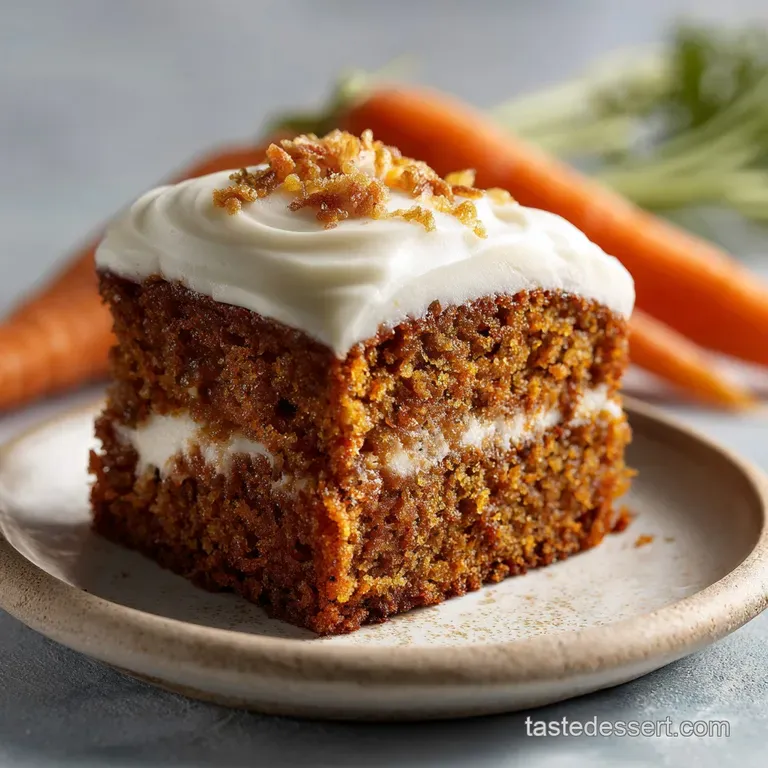
1. Creating the Emulsion Base
Preheat your oven to 350°F (180°C) and grease your sheet pan. In a large bowl, whisk the neutral oil, granulated sugar, and brown sugar until no lumps remain.
Add the eggs one at a time, whisking vigorously after each addition until the mixture looks pale and slightly thickened.
2. Folding in the Aromatics
In a separate bowl, sift together the flour, baking soda, salt, cinnamon, ginger, and nutmeg. Gradually add the dry ingredients to the wet emulsion. Use a spatula to fold gently until just a few streaks of flour remain. Note: Overmixing at this stage will make the sheet cake tough.
3. The Golden Oven Finish
Gently fold in the 3 cups of grated carrots, drained pineapple, and chopped walnuts. Pour the batter into the prepared pan, spreading it to the corners. Bake for 35 minutes until a toothpick comes out clean and the edges pull away from the pan.
4. Achieving the Velvet Finish
While the cake cools completely, beat the cream cheese and butter together until smooth and free of lumps. Sift in the confectioners' sugar and add the vanilla and heavy cream. Beat on medium high for 3 minutes until the frosting is light and airy.
5. The Final Assembly
Once the cake is cold to the touch, dollop the frosting over the surface. Use an offset spatula to swirl it into decorative peaks. Note: If the cake is even slightly warm, the frosting will melt into a glaze.
Fixing Common Baking Stumbles Quickly
Dense or Gummy Crumb
This usually happens if the carrots were too wet or the batter was over mixed. If you didn't drain the pineapple well enough, that extra liquid prevents the cake from setting properly. Always squeeze the moisture out of your pineapple with a paper towel before adding it to the bowl.
Managing Runny Frosting
If your frosting looks more like a soup than a spread, your butter or cream cheese was likely too warm. You can save this by chilling the frosting in the fridge for 20 minutes and then beating it again. If it's still too thin, add more confectioners' sugar, one tablespoon at a time.
Carrots Turning Green
Don't panic! This is a chemical reaction between the pigments in the carrots and too much baking soda. It's safe to eat, but to avoid it next time, ensure your baking soda is perfectly measured and evenly whisked into the flour before combining with the wet ingredients.
| Problem | Root Cause | Solution |
|---|---|---|
| Cake Sinks | Underbaked center | Bake 5 mins longer; check with a toothpick |
| Grit in Frosting | Unsifted sugar | Always sift powdered sugar before mixing |
| Burnt Bottom | Dark pan usage | Reduce oven temp by 25°F or use a silicone mat |
Chef's Tip: Freeze your butter for 10 minutes before creaming it with the cream cheese. This slight chill keeps the frosting from becoming too soft while you are trying to swirl those beautiful peaks onto the cake.
- ✓ Pat the grated carrots with a paper towel if they seem excessively juicy.
- ✓ Ensure eggs are at room temperature to help the oil emulsion form properly.
- ✓ Let the cake cool in the pan on a wire rack for at least 1 hour before frosting.
- ✓ Use a light colored metal pan to prevent the bottom from browning too quickly.
- ✓ Measure your flour using the "spoon and level" method rather than scooping the bag.
Flavor Variations and Dietary Substitutions
If you want a more complex flavor profile, try adding a tablespoon of orange zest to the batter. The citrus oils cut through the richness of the cream cheese and highlight the ginger. For those who aren't fans of walnuts, toasted pecans offer a more buttery, softer crunch that blends seamlessly with the spiced sponge.
| Original Ingredient | Substitute | Why It Works |
|---|---|---|
| Heavy Cream | Coconut Cream | Adds a subtle tropical note and keeps the fat high |
| Walnuts | Pepitas | Provides crunch without the nut allergen |
| All Purpose Flour | Spelt Flour | Adds a nutty flavor but results in a denser cake |
If you find yourself missing an ingredient, don't worry. This recipe is remarkably forgiving. If you don't have pineapple, you can use a cup of unsweetened applesauce. Note: It will be slightly less tangy, so maybe add a squeeze of lemon to the batter to compensate for the missing acidity.
Preserving That Fresh Baked Texture
Because this cake is so moist, it actually tastes better on day two once the spices have had time to "marry." You can keep it in the fridge, tightly covered, for up to 5 days. The cream cheese frosting means it must stay chilled, but I highly recommend taking slices out 20 minutes before serving so the butter in the frosting can soften slightly.
For long term storage, you can freeze the unfrosted cake. Wrap the entire sheet in plastic wrap and then foil; it will stay fresh for up to 3 months. When you're ready to serve, thaw it overnight in the fridge and whip up a fresh batch of frosting.
I don't recommend freezing the cake once it's frosted, as the cream cheese can sometimes change texture upon thawing, becoming slightly grainy.
To reduce waste, keep your carrot peels! You can roast them with a bit of salt and honey for a crunchy snack, or toss them into a freezer bag for your next batch of vegetable stock.
Even the pineapple juice from the can shouldn't be tossed it makes a fantastic base for a glaze or a refreshing kitchen drink while you wait for the oven timer to beep.
Delightful Pairings for Every Occasion
- Hot Beverages: A dark roast coffee or a spicy chai latte balances the sugar beautifully.
- Cold Treats: A scoop of salted caramel gelato on the side of a warm slice is absolute heaven.
- Savory Balance: Serve this after a salty meal like roasted ham or a sharp cheddar quiche.
If you are looking for something even quicker for a weekday snack, my Glazed Carrot Coconut Bread recipe is a great alternative that requires zero frosting effort. But for those moments when only a thick layer of cream cheese will do, this sheet cake is your best friend.
Scaling this recipe is straightforward. If you need to feed a massive crowd, you can double the ingredients and use two sheet pans. Just remember that when baking two pans at once, you should rotate them halfway through the 35 minutes to ensure the heat reaches both cakes evenly.
If you want to scale down, halving the recipe fits perfectly into a 9x13 inch rectangular baking pan. Just keep an eye on the time it might need an extra 5 minutes since the batter will be slightly thicker in that smaller footprint.
Myths Regarding Carrot Baking
One common misconception is that you must use a "special" type of carrot for baking. The truth is that standard supermarket carrots are often better than heirloom varieties because they have a consistent water content.
Fancy purple or white carrots can also bleed color into your batter, turning your beautiful spiced cake a muddy grey color. Stick to the classic orange ones for the best visual result.
Another myth is that you can't over mix a carrot cake because it's a "quick bread" style batter. While it's true that the oil protects the flour, you can still develop too much gluten if you beat the batter like a cake mix. Stop mixing as soon as the flour disappears.
A light hand ensures that "velvety" texture we are all chasing. Finally, don't believe the idea that you need to peel the carrots. If you scrub them well, the skins are perfectly fine and add extra fiber and color to the final slice.
Recipe FAQs
Should I use melted butter instead of oil for a richer flavor?
No, stick with neutral oil. Butter solidifies when chilled, which can make a carrot cake dense and firm. Oil remains liquid at room temperature, guaranteeing a velvet like, moist crumb that lasts longer.
How do I prevent the carrots from sinking to the bottom of the sheet cake?
Toss the grated carrots with about 2 tablespoons of your pre-measured flour before folding them into the main batter. This light dusting ensures they are suspended evenly throughout the mix, rather than sinking while the batter sets.
Why is my finished carrot cake gummy or overly wet in the center?
This is almost always caused by excess moisture. Ensure you drain the crushed pineapple very thoroughly, pressing out the liquid with paper towels before incorporation. If you are worried about tanginess compensation, see our approach to acid balancing in the How to Make recipe.
Is it okay to use pre-shredded carrots from a bag instead of grating fresh ones?
Yes, but expect a texture difference. Pre-shredded carrots are drier and often thicker, resulting in a slightly less succulent cake than one made with freshly grated carrots that release more natural juice.
How do I achieve perfectly smooth cream cheese frosting without lumps?
Beat the cream cheese and butter together first until completely smooth. They must be truly room temperature, and you should whip them for at least 3 minutes before gradually adding the powdered sugar. If you struggle with texture control in emulsions, practice the initial creaming stage, which is similar to mastering fat incorporation in our Cake Mix Cinnamon Rolls recipe.
Can I substitute spices like cardamom or allspice for the required cinnamon and ginger?
Yes, substitute spices cautiously, maintaining the total volume. Cardamom works beautifully, but you should use less, as its flavor is more intense. If you swap entirely for a mix like pumpkin pie spice, use 1.5 teaspoons less than the combined total of cinnamon and ginger.
What is the ideal oven temperature and baking time for a standard half sheet pan (18x13 inch)?
Bake at 350°F (180°C) for approximately 35 minutes. Because the batter spreads thinly, it cooks quickly and evenly, but always check for doneness when a toothpick inserted near the center comes out clean.
Carrot Sheet Cake Recipe
Ingredients:
Instructions:
Nutrition Facts:
| Calories | 664 kcal |
|---|---|
| Protein | 6.6 g |
| Fat | 35.6 g |
| Carbs | 82.3 g |
| Fiber | 1.8 g |
| Sugar | 63.1 g |
| Sodium | 413 mg |
