Cauliflower Mac and Cheese: the Great British Lower-Carb Bake
- Introducing The Great British Cauliflower Bake: A Low-Carb Comfort Classic
- Why This Cauliflower Mac and Cheese Recipe Works: Mastering Flavour and Texture
- Essential Ingredients and Smart Substitutions for the Perfect Bake
- Step-by-Step Guide: Crafting Your Cauliflower Mac and Cheese
- Troubleshooting and Chef's Tips for a Flawless Bake
- Practical Guide: Storing, Reheating, and Freezing Cauliflower Mac and Cheese
- The Best Pairings: What to Serve Alongside Your Cauliflower Bake
- Recipe FAQs
- 📝 Recipe Card
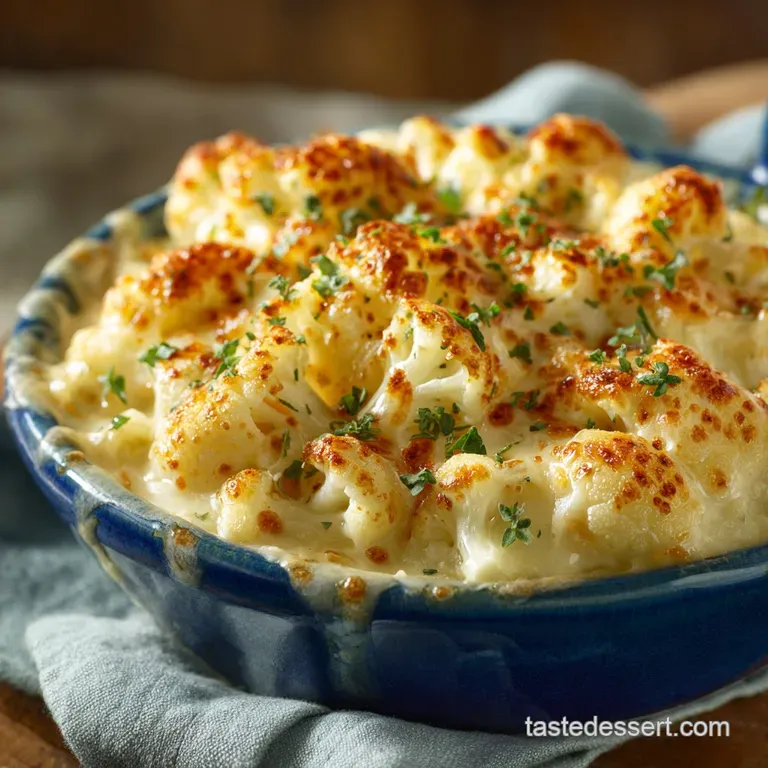
Introducing The Great British Cauliflower Bake: A Low-Carb Comfort Classic
Seriously, the smell of this bake when it hits the oven is pure magic. That sharp, mature cheddar aroma, mixed with just a hint of nutmeg and the deep sweetness of roasted cauliflower, is absolutely irresistible.
When you pull it out, the beautiful golden, bubbly crust hides a ridiculously creamy, velvety sauce underneath.
I know what you are thinking: cauliflower instead of pasta? Trust me, this specific swap instantly turns traditional comfort food into a weeknight superstar and secretly makes it much healthier.
This recipe is a low-carb hug on a plate, delivering all the satisfaction of classic mac and cheese without leaving you feeling sluggish afterward; it’s perfect if you are following a keto or lower carb lifestyle.
I’ve messed up plenty of cheese sauces in my time (hello, grainy curdled mess!), but this method is foolproof and focuses entirely on texture and flavour development. We are going to roast the cauliflower to crispy perfection, nail the perfect Béchamel, and end up with the ultimate baked [Cauliflower Mac and Cheese].
Let’s crack on and talk about the science first.
Why This Cauliflower Mac and Cheese Recipe Works: Mastering Flavour and Texture
The Low-Carb Secret to Cheesy Perfection
The secret to why this low-carb version feels so satisfying lies in treating the cauliflower like sturdy, slightly resistant pasta shells. By using sharp, mature cheddar, we maximize flavour without needing to drown the bake in too much sauce. Sharp cheese means less is more.
Why We Swap Traditional Macaroni for Roasted Cauliflower Florets
Traditional pasta often gets bloated and soft when it is baked for 20 minutes in a creamy sauce. Cauliflower florets, however, hold up beautifully against the thick, sharp cheese sauce.
They offer a delightful structural bite that keeps the dish interesting, soaking up that glorious Béchamel like tiny, eager sponges.
Cauliflower Mac and Cheese: An Overview of the Dish
This dish is fundamentally a classic British cheese sauce (Béchamel) elevated with powerful, sharp seasonings, poured over tender roasted vegetables, and topped with a crunch factor.
It’s less about mimicking the shape of macaroni and more about hitting all the flavour notes: saltiness, richness, sharpness, and textural contrast.
The Béchamel Blueprint: Creating a Velvety Smooth Sauce
The foundation of any great baked dish is a lump free sauce, right? The key here is the roux: equal parts butter and flour, cooked for a minute or two until it smells nutty. You must then add cold milk gradually to the hot roux.
That sudden temperature shock and slow whisking is what guarantees a velvety smooth, lump free perfection every single time, preventing any graininess.
Maximizing the Golden Crust and Creamy Interior
We are not relying on just residual heat to make a crust. We use Panko breadcrumbs, which are inherently crispier than standard breadcrumbs, combined with Parmesan and a little melted butter.
This topping creates a fantastic, audible crunch that contrasts beautifully with the soft, flowing sauce and tender cauliflower inside.
Roasting vs. Steaming: Preparing Cauliflower for Optimal Sweetness
This is where many recipes fail: they boil the cauliflower. Steaming or boiling makes the cauliflower waterlogged, which ruins your beautiful cheese sauce by diluting the flavour and making the whole thing runny.
Roasting at a high temperature, 400°F (200°C), removes the water, caramelizes the edges slightly, and adds a deep, nutty sweetness that pairs perfectly with the mature cheddar.
Essential Ingredients and Smart Substitutions for the Perfect Bake
Choosing Your Cheese: The Mature Cheddar Requirement
You need a strong, sharp cheese here to cut through the richness of the butter and milk. I always recommend a mature or sharp cheddar; if you grate it yourself, you avoid the anti caking agents found in pre-shredded cheese that can sometimes make your sauce slightly less smooth.
| Ingredient | Why It Matters | Viable Substitution |
|---|---|---|
| Mature Cheddar | Provides necessary sharp tang. | Aged Gruyère, Monterey Jack, or a mix of Colby and Fontina. |
| Whole Milk | Crucial fat content for richness. | Half and half (for extra richness) or high-quality 2% milk. |
| AP Flour | Base thickener for the roux. | 1:1 gluten-free Flour blend (results are usually great). |
| Mustard Powder | Stabilizes cheese, boosts flavour. | A dash (1/2 tsp) of wet Dijon mustard (add slowly). |
| Panko Breadcrumbs | Ultimate crispy texture. | Crushed cornflakes or finely ground day-old rustic bread slices. |
Dairy Choices: Milk, Butter, and Optional Cream Boosters
Use whole milk if you can; the higher fat content contributes significantly to the sauce’s silky texture. For an extra rich, special occasion dish, replace half a cup of the whole milk with heavy cream right at the end before adding the cheese.
Don’t swap the butter for margarine in the roux ; butter provides depth of flavour that margarine just can’t replicate.
Spicing Up the Sauce: Mustard Powder, Nutmeg, and White Pepper
These aren't optional, they're mandatory flavour boosters! Mustard powder (I use English mustard powder) doesn't make the sauce taste like mustard, but it deepens the cheesiness and provides a necessary complexity. A small pinch of freshly grated nutmeg and white pepper balances the heavy dairy perfectly.
Sizing the Florets: Prepping the Cauliflower Base
Cut your cauliflower into pieces that are slightly smaller than standard macaroni bite sized, about 1 inch florets. If they are too large, they won’t coat well, and if they are too small, they will turn mushy during the secondary bake.
step-by-step Guide: Crafting Your Cauliflower Mac and Cheese
The Crucial Pre-Bake Cauliflower Preparation
Preheat your oven to 400°F (200°C) immediately. Toss your bite sized florets with olive oil, salt, and pepper on a baking sheet. Roast them for 15– 20 minutes until they are tender crisp and just starting to turn golden on the edges remember, they cook more later.
The Rôux and Béchamel Technique Made Easy
In a sturdy pot or Dutch oven, melt the butter over medium heat, then whisk in the flour to form a smooth paste, the roux. Cook this roux for 90 seconds until it loses that raw flour smell and starts giving off a nutty aroma.
Next, whisk in the cold milk slowly, half a cup at a time, ensuring it’s completely smooth before adding the next batch. Bring this mixture to a gentle simmer, whisking constantly until it coats the back of a spoon thickly (about 5- 8 minutes).
Crucial Chef’s Note: Remove the saucepan completely from the heat before adding the cheese. Adding the cheese while the liquid is boiling hot is the number one reason sauces split or turn grainy.
Folding and Mixing the Cheesy Cauliflower Base
Once the sauce is off the heat, stir in three quarters of your grated sharp cheddar, the mustard powder, and the nutmeg until everything is melted and smooth. Taste and season aggressively with salt and pepper; remember, cauliflower can handle strong seasoning.
Gently fold the roasted florets into the sauce until they are fully coated, and then transfer the mixture to your prepared baking dish.
Layering and Baking for the Ultimate Crispy Topping
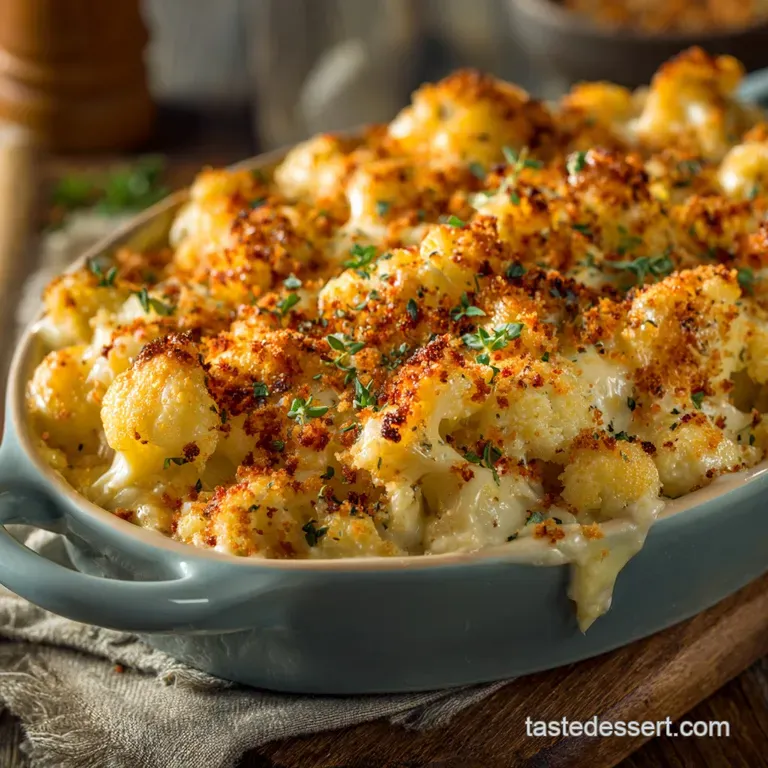
In a small bowl, combine the Panko breadcrumbs, Parmesan, and a touch of melted butter or oil. Sprinkle this topping evenly over the cauliflower mixture in the dish. Bake for 18– 20 minutes at 400°F (200°C), or until the edges are bubbling vigorously and the topping is deeply golden brown.
Let it rest for 5– 10 minutes before serving; this allows the sauce to fully set up.
Troubleshooting and Chef's Tips for a Flawless Bake
Avoiding a Grainy Cheese Sauce: Temperature Control Secrets
Grainy cheese happens when the milk is too hot and the cheese's proteins tighten up too quickly. The fix is simple: Remove the Béchamel from the heat source before adding any cheese, and only add the cheese one handful at a time, allowing each addition to melt slowly and gently.
If your cheese is seizing, add a tablespoon of cold milk to shock it back into creaminess.
Ensuring the Cauliflower Isn't Watery or Mushy
Do not, under any circumstances, boil the cauliflower. Roasting it first removes water content and improves flavour significantly. You want the cauliflower to be al dente (tender crisp) coming out of the roasting step, as it will soften further in the oven while baking in the sauce.
Fixing a Sauce That is Too Thin or Too Thick
If your finished Béchamel is too thick, whisk in a splash more milk until you reach your desired consistency. If it's too thin after simmering for 8 minutes, make a quick slurry (equal parts cornstarch and cold water whisked together) and stream it into the simmering sauce while whisking; this will thicken it almost instantly.
Practical Guide: Storing, Reheating, and Freezing Cauliflower Mac and Cheese
Best Practices for Refrigerating Leftovers
Cauliflower Mac and Cheese keeps remarkably well. Let the dish cool completely, then cover it tightly or transfer it to airtight containers. It will last safely in the refrigerator for up to 3 to 4 days. Note: The sauce will be very thick and set when cold.
Freezing Unbaked vs. Baked Dishes for Meal Prep
I highly recommend freezing this dish unbaked . Assemble the entire dish, including the crispy topping, in a freezer safe aluminum container. Cover it tightly with plastic wrap and then foil. It will keep for up to 3 months.
When ready to eat, thaw overnight in the fridge and then bake as directed, perhaps adding an extra 5– 10 minutes to the total bake time.
Reheating Cauliflower Mac and Cheese Without Sacrificing Creaminess
Reheating in the microwave is fast, but it tends to dry out the edges. The best method is in the oven at 350°F (175°C), covered with foil, for 15– 20 minutes. If the sauce looks dry, stir in a couple of tablespoons of milk or heavy cream before reheating.
If you need a quick stove top fix, add a splash of milk to the portion and heat gently in a saucepan until creamy again.
The Best Pairings: What to Serve Alongside Your Cauliflower Bake
This baked cauliflower is incredibly rich, salty, and sharp it demands something fresh or robust as a companion. You need a side dish that cuts through the creamy decadence.
- Freshness and Acidity: Serve this bake alongside a massive green salad tossed with a sharp, vinegary vinaigrette (like cider vinegar and Dijon). This contrast is key.
- Hearty Mains: If you want to make this a side dish for a serious supper, it pairs beautifully with my simple [Easy Slow Cooker Garlic Parmesan Chicken: Creamy, Dump and Go Dinner].
- The Cheesy Trio: If you’re having a comfort food marathon, you might want to start with a fun, complementary appetizer like my oven baked [Skinny Texas Cheese Fries: Crispy, Oven Baked Low Calorie]. They have the same delicious, cheesy vibe but with a spicy kick!
Recipe FAQs
Why did my cheese sauce turn grainy or split?
Graininess usually occurs if the cheese is added too quickly or the heat is too high when melting it into the béchamel base. Always remove the sauce from the direct heat source before slowly whisking in grated cheese, allowing it to melt gently off the heat.
If the sauce splits, try whisking in a tablespoon of cold milk or water to help re-emulsify the fats.
My baked cauliflower is watery. How do I prevent this?
Cauliflower contains a high amount of moisture, which can release during the baking process if the florets are too wet beforehand. To prevent a watery result, ensure the florets are roasted until slightly softened and dry before adding the cheese sauce.
If you must use boiled or steamed cauliflower, make sure it is thoroughly drained and patted dry first.
What are the best alternative cheeses to use for this bake?
While mature cheddar provides a classic sharp flavour, excellent substitutions include Gruyère, Fontina, or a sharp Monterey Jack for superior meltability. For a more complex flavour, you can substitute 25% of the cheddar with a strong, tangy hard cheese like Parmigiano Reggiano or even a mild blue cheese like Gorgonzola.
How do I achieve a really crunchy, golden topping?
The secret to a perfect crust lies in the panko breadcrumbs and the fat content used in the topping mixture. Ensure you mix your panko well with melted butter or oil before spreading it evenly over the top layer of cheese sauce.
For the final five minutes of baking, switch to the broiler (grill) function, watching carefully to prevent burning.
Can this recipe be adapted for a vegan or dairy-free diet?
Absolutely. Substitute the butter with a neutral oil or vegan margarine, and use oat or soy milk to create the béchamel base. The cheesy flavor must be replaced either with a high-quality nutritional yeast mixed into a cashew cream or a reputable vegan cheese alternative designed specifically for melting.
Can I assemble this Cauliflower Bake in advance?
Yes, this is an ideal make-ahead dish. You can fully assemble the casserole up to 24 hours in advance; keep it covered tightly in the fridge to prevent the topping from drying out.
Before baking, remove the dish from the refrigerator and allow it to sit at room temperature for 30 minutes to ensure even cooking and prevent a broken sauce.
Is the Cauliflower Mac and Cheese suitable for freezing?
Yes, this dish freezes well, and it is best frozen unbaked. Assemble the dish completely, cover it tightly with foil and plastic wrap, and freeze for up to three months. To cook, thaw overnight in the refrigerator and bake according to the recipe instructions, potentially adding 10-15 minutes to the total baking time.
Cauliflower Mac And Cheese Bake

Ingredients:
Instructions:
Nutrition Facts:
| Calories | 430 kcal |
|---|---|
| Protein | 17.7 g |
| Fat | 17.1 g |
| Carbs | 51.3 g |
