Cinnamon Sugar Twist Donuts: Airy Dough
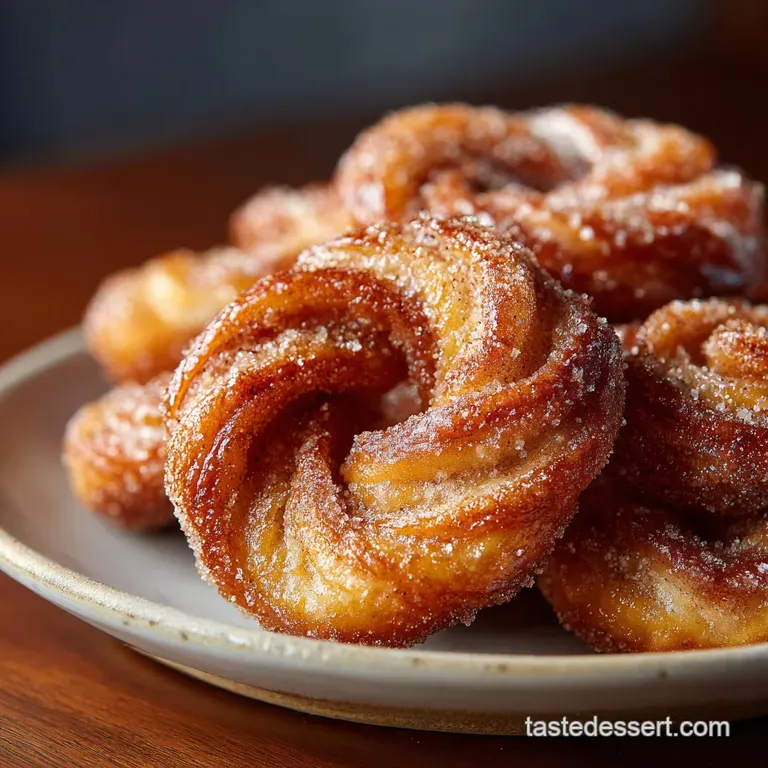
- Time: Active 25 mins, Passive 55 mins, Total 1 hours 20 mins
- Flavor/Texture Hook: Airy dough with a shattering cinnamon crust
- Perfect for: Weekend brunch or a budget-friendly crowd pleaser
- Making Fluffy Cinnamon Sugar Twist Donuts
- Mechanics of This Recipe Success
- Essential Stats for Your Dough
- Choosing High Quality Simple Ingredients
- Necessary Gear for Fried Treats
- Walking Through the Cooking Process
- Solving Common Donut Dough Problems
- Swapping Flavors and Topping Ideas
- Storing Leftovers for Best Results
- What to Drink with Donuts
- Recipe FAQs
- 📝 Recipe Card
Making Fluffy Cinnamon Sugar Twist Donuts
There is a specific sound that happens when a piece of raw dough hits a pot of shimmering oil. It is that gentle, rhythmic hiss that promises a transformation from a pale, limp rope into a golden, puffed up masterpiece.
The last time I made these, the aroma of toasted Saigon cinnamon filled my kitchen so quickly that my neighbor actually knocked on the window to ask what was happening. We ended up standing over the cooling rack, burning our fingers as we tossed warm twists into bowls of sugar.
That is the beauty of this cinnamon sugar twist donut recipe. It is not just about the eating; it is about the tactile joy of rolling the dough and watching it bloom in the heat. I have spent years tweaking the milk temperature and the resting times because I used to get frustrated when my twists would unravel or come out greasy.
Now, I have found the sweet spot where the crumb is velvety and the outside has that iconic crunch.
We are going to skip the complicated bakery methods and stick to what works in a real home kitchen. You do not need a professional proofing box or a high end fryer. With 500g of all purpose flour and a little bit of patience, you will be producing donuts that put the local shop to shame.
Trust me, once you see how that cinnamon nutmeg sugar clings to the warm ridges of the dough, you will never look back.
Mechanics of This Recipe Success
- Yeast Activation: Using milk at exactly 110°F wakes up the 7g of instant yeast without killing it, ensuring a rapid and sturdy rise.
- Enrichment Balance: The 60g of melted butter and one large egg provide enough fat to tenderize the gluten, creating a velvety bite that lasts for hours.
- Residual Heat Adhesion: Coating the twists while they are still hot allows the 150g of sugar to partially melt, creating a permanent crust that won't fall off.
- Nutmeg Infusion: Adding 0.125 tsp of nutmeg to the coating provides a "bakery scent" that deepens the flavor profile of the Saigon cinnamon.
| Method | Time | Texture | Best For |
|---|---|---|---|
| Deep Frying | 15 minutes | Maximum crunch, moist center | Authentic bakery experience |
| Air Fryer | 12 minutes | Drier, bread like crumb | Lower calorie daily snack |
| Oven Baked | 18 minutes | Cake like, soft exterior | Large batches for kids |
The primary difference between a classic fried twist and an air-fried version is the way the heat interacts with the surface fat. Deep frying causes an immediate "shatter" effect on the crust because the oil replaces moisture on the surface of the dough instantly.
While the air fryer is convenient, it won't give you that exact golden glow we're looking for today.
Component Deep Dive Analysis
| Ingredient | Science Role | Pro Secret |
|---|---|---|
| Whole Milk (240ml) | Hydrates flour and provides natural sugars for the yeast to eat. | Warm it in the microwave in 15 second bursts to avoid scorching. |
| Instant Yeast (7g) | Produces carbon dioxide bubbles that lift the heavy, enriched dough. | Always check the expiration date; dead yeast is the #1 cause of "brick" donuts. |
| Saigon Cinnamon (1.5 tbsp) | Provides a high oil content for a more intense, spicy sweet aroma. | Mix it into the sugar while the dough is rising to let the flavors marry. |
Essential Stats for Your Dough
Working with yeast can feel like a high stakes game of "will it rise?" but it is actually just math and biology. We are aiming for a dough that feels like a soft earlobe. If you use the full 500g of all purpose flour, you will find the dough is sturdy enough to hold the twist shape without snapping back like a rubber band.
Chef's Tip: If you are working in a cold kitchen, turn your oven on for 60 seconds, then turn it off. This creates a cozy, draft free environment for your dough to double in size.
When you are scaling this recipe down for just a couple of people, you can easily halve the ingredients. For the single egg, just whisk it in a small bowl and use about 25g of the liquid.
If you are doubling it for a party, keep your spices at 1.5x the original amount doubling the cinnamon can sometimes become overpowering and slightly bitter.
Choosing high-quality Simple Ingredients
- All purpose flour (500g): Provides the perfect protein structure.
- Substitute: Bread flour for a chewier, more "New York" style texture. Why this? It has higher protein for more gluten development.
- Whole milk (240ml): Adds richness and fat.
- Substitute: Unsweetened soy milk for a dairy-free version. Why this? Soy has high protein which mimics dairy behavior well.
- Unsalted butter (60g): Controls the moisture and crumb.
- Substitute: Melted coconut oil for a slightly nutty undertone. Why this? Coconut oil stays solid at room temp, keeping donuts firm.
- Saigon cinnamon (1.5 tbsp): The star flavor.
- Substitute: Regular Cassia cinnamon if you prefer a milder spice. Why this? It is the most common variety found in grocery stores.
Mixing these ingredients is a bit like the technique used in my Effortless Airy Italian recipe, where the goal is to keep the dough light but manageable. You want the fat to be fully incorporated so that the crumb remains consistent throughout the fry.
Necessary Gear for Fried Treats
You do not need a dedicated deep fryer for this. A heavy bottomed pot, like a Dutch oven or a deep cast iron skillet, is actually better because it holds heat more consistently. This prevents the oil temperature from plummeting when you drop the cold dough in.
A kitchen thermometer is the one "non negotiable" tool here. If your 1 liter of vegetable oil is too cold, the donuts will soak up the grease like a sponge. If it's too hot, the outside will burn while the inside stays raw and doughy.
Aim for 350°F and you will get that perfect golden sizzle every single time.
Walking Through the Cooking Process
- Bloom the yeast. Mix 240ml warm milk (110°F) with 7g instant yeast and 50g sugar. Note: Wait 5 minutes until it looks foamy.
- Mix the dough. Add 60g melted butter, 1 egg, and 5g salt into the yeast mixture.
- Incorporate the flour. Gradually fold in 500g all purpose flour until a shaggy ball forms.
- Knead the base. Work the dough on a floured surface for 8 minutes until smooth and elastic.
- First proof. Place in a greased bowl and cover for 45 minutes until doubled in size.
- Shape the twists. Punch down the dough, divide into 12 pieces, and roll each into a 10 inch rope.
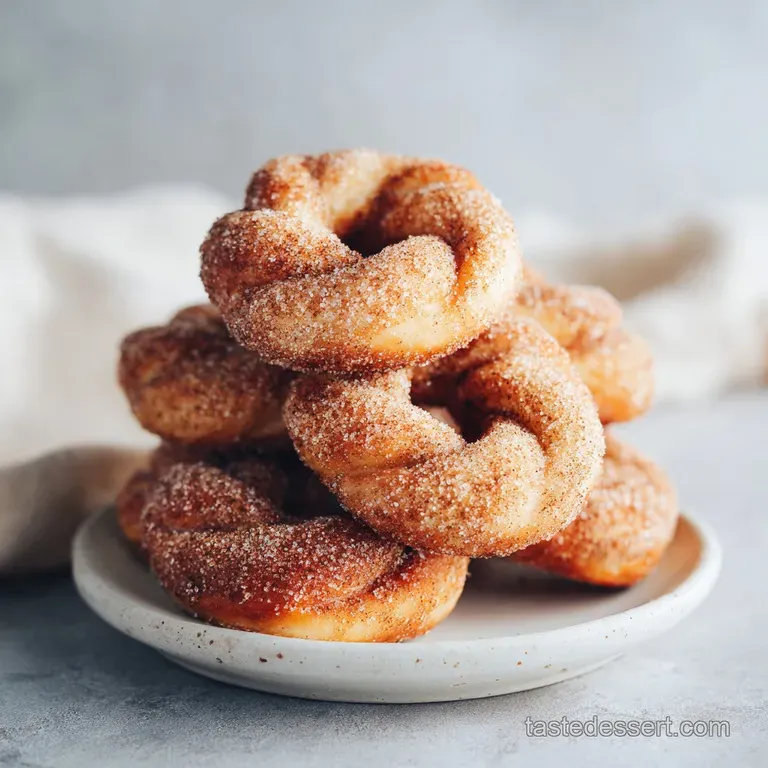
- Create the helix. Fold each rope in half and twist the ends together until they look like a braid.
- Second proof. Let the shaped twists rest for 20 minutes until they feel light and puffy.
- Fry the dough. Heat 1 liter oil to 350°F and fry for 2 minutes per side until deep golden brown.
- Coat and finish. Immediately toss the hot donuts in the mixture of 150g sugar, cinnamon, and nutmeg.
The process of kneading is vital here, similar to the care taken in the Aunt Millies Butter recipe to ensure the fat is perfectly distributed. You want to feel the dough change from sticky to silky under your palms.
Solving Common Donut Dough Problems
The Twists Unravel During Frying
This usually happens because the ends weren't pinched tightly enough or the dough was too dry to stick to itself. When you fold the rope, give the ends a firm squeeze before they hit the second proof.
If the dough feels "dusty" from too much flour on the counter, use a tiny drop of water on your finger to act as "glue" for the tips.
Greasy and Heavy Texture
If your donut feels like an oil soaked brick, your oil temperature was likely below 330°F. The dough needs an immediate blast of heat to create steam, which pushes outward and prevents the oil from seeping in. Always wait for the oil to come back up to temperature between batches.
| Problem | Root Cause | Solution |
|---|---|---|
| Raw center | Oil was too hot (above 375°F). | Lower heat and use a thermometer to maintain 350°F. |
| Tough/Chewy | Over kneaded the dough. | Stop kneading once the dough is smooth; don't overwork. |
| Sugar won't stick | Donuts cooled down too much. | Toss in sugar while they are still steaming hot. |
Common Mistakes Checklist
- ✓ Never use cold eggs; they can shock the yeast and slow the rise.
- ✓ Avoid over flouring the work surface, which makes the twists dry.
- ✓ Don't overcrowd the pot - fry only 2 or 3 twists at a time to keep oil hot.
- ✓ Check the milk temp with a thermometer; "finger warm" is often too cold.
- ✓ Let the fried twists drain on a wire rack for 30 seconds before sugaring to remove excess oil.
Swapping Flavors and Topping Ideas
If you want to move away from the classic cinnamon sugar twist donuts, you can easily pivot. For a "Spiced Chai" version, swap the nutmeg for a pinch of cardamom, ginger, and ground cloves. The aromatics will hit your nose the second they touch the warm dough.
Another favorite is the "Lemon Zest Twist." Instead of cinnamon, rub the zest of two lemons into the 150g of sugar until the sugar is damp and fragrant. This provides a bright, acidic contrast to the rich, fried dough. It’s a trick I learned from making the How to Make recipe for sugar rims infusing the sugar first makes all the difference.
If you want...
- Extra Crunch: Use coarse sanding sugar instead of regular granulated sugar for the coating.
- A Glazed Finish: Skip the sugar toss and dip the cooled twists into a mix of powdered sugar and milk.
- Savory Notes: Add a pinch of flaky sea salt to the cinnamon sugar mixture to make the sweetness pop.
Storing Leftovers for Best Results
Donuts are notorious for having a short shelf life, but you can fight back. Keep them in a paper bag rather than a plastic container; plastic traps moisture and turns the sugar coating into a sticky syrup. They will stay fresh at room temperature for about 24 hours.
For longer storage, these freeze surprisingly well. Wrap individual un sugared twists in plastic wrap and freeze for up to 2 months. When the craving hits, pop them in a 350°F oven for 5 minutes, then toss them in fresh cinnamon sugar.
It’s a great way to use up the "scraps" if you decide to cut the dough into different shapes!
What to Drink with Donuts
There is a reason coffee and donuts are a legendary duo. The bitterness of a dark roast cuts right through the fat of the fried dough. However, if you are serving these for a late night treat, a glass of cold whole milk is the classic choice.
The way the milk washes away the grit of the cinnamon sugar is pure nostalgia.
One myth I hear a lot is that you need to use "donut sugar" or special non melting sugar. The truth is, regular granulated sugar works perfectly as long as you toss the donuts while they are hot. The tiny bit of moisture on the surface of the fried dough is exactly what you need to make that sugar cling.
You don't need fancy chemicals; you just need good timing.

Recipe FAQs
Does Dunkin' have cinnamon twist donuts?
Yes, often, but seasonally. Dunkin' frequently carries a version of the cinnamon twist, sometimes rebranding it as the Cinnamon Sugar Munchkin, or offering it as a limited time feature.
What does Taco Bell use for their cinnamon twist?
Taco Bell uses a deep fried, puffed wheat tortilla chip. They coat this crunchy base with a specific blend of cinnamon and sugar, resulting in a lighter, airy crunch compared to traditional yeast dough donuts.
What is the best glaze for a twist donut?
A simple powdered sugar and citrus glaze works best. The slight acidity from lemon or orange zest cuts through the richness of the fried dough, providing a bright finish that complements the warm spice.
What is a cinnamon twist donut?
It is an enriched, twisted piece of yeast dough tossed in cinnamon sugar. The key is the aeration during proofing, which creates a pillowy interior texture contrasting with the gritty, spiced exterior crust.
Why do my donut twists unravel while frying?
The ends were not pinched firmly enough during shaping. Ensure you tightly seal the overlapped ends of the dough rope to prevent separation when the yeast expands rapidly in the hot oil.
How do I get the cinnamon sugar to stick permanently to the twists?
Toss the donuts immediately after they exit the oil while they are still steaming hot. The residual surface heat melts the sugar slightly, creating a temporary glaze that hardens as it cools, ensuring maximum adhesion.
Can I use bread flour instead of all-purpose flour for a chewier twist?
Yes, bread flour will yield a chewier result due to higher protein content. If you enjoyed controlling the spread in this dough, you will appreciate the stronger gluten structure bread flour provides, similar to the base used in our Decadent Chocolate Chip Bagels recipe.
Cinnamon Sugar Twist Donuts
Ingredients:
Instructions:
Nutrition Facts:
| Calories | 324 kcal |
|---|---|
| Protein | 5.4g |
| Fat | 11.5g |
| Carbs | 49.3g |
| Fiber | 1.2g |
| Sugar | 16.7g |
| Sodium | 164mg |
