New Orleans Gumbo: Classic Chicken, Andouille Seafood Creole Recipe
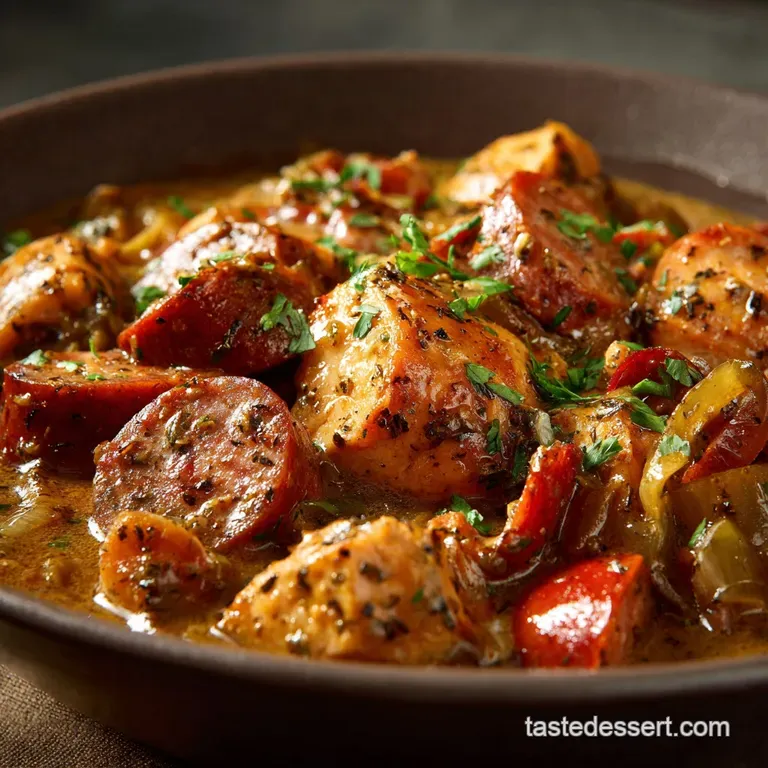
- Welcome to the Bayou: The Heart of New Orleans Gumbo
- Mastering the Depth of Flavor: Why This Gumbo Stands Out
- Essential Components: What You Need for Classic Gumbo
- The Culinary Journey: Authentic Gumbo Preparation Method
- Troubleshooting & Expert Secrets for Perfect New Orleans Gumbo
- Planning Ahead: Storing and Reheating Your Gumbo
- Complete the Meal: Traditional Gumbo Pairings
- Recipe FAQs
- 📝 Recipe Card
Welcome to the Bayou: The Heart of New Orleans Gumbo
Can we talk about the smell of a truly great gumbo? It’s rich, dark, and smoky, hitting you right in the gut with the promise of deep comfort. That distinctive nutty aroma means the roux is perfect, and honestly, that smell is the only trigger I need to feel instantly grounded and warm.
Forget aromatherapy; this is New Orleans Gumbo therapy.
This isn’t a fast weeknight meal, but it is one of the most rewarding Creole Gumbo Recipes you will ever make, perfect for those long, slow Sunday afternoons when you want to feed a crowd (or just yourself for a week). It makes your house smell phenomenal for hours.
Plus, if you break down the prep, the actual cooking is mostly hands off simmering.
We're going deep today, making a complex, show stopping stew featuring chicken, smoky Andouille sausage, and succulent shrimp. Trust me, learning this classic Louisiana staple is a cooking rite of passage. Let's crack on.
Mastering the Depth of Flavor: Why This Gumbo Stands Out
The Magic is in the Roux
The secret weapon in any spectacular New Orleans Gumbo is the dark roux. Seriously, this step separates the pros from the people making brown soup. We're talking 30 to 45 minutes of constant stirring, patiently waiting for the flour and fat mixture to turn the color of milk chocolate.
This long cooking time isn't just for color; it changes the flavor profile entirely, burning off the raw flour taste and creating incredible nutty depth. A perfect dark roux acts as both a thickener and the soul of the Gumbo Soup Recipe.
We use a blend of Andouille sausage (smoked pork) and plump shrimp, a true marriage of land and sea that makes this dish incredibly satisfying.
Layering the Heat
We build flavor in stages. First, we cook the Holy Trinity (onion, celery, bell pepper) into the finished roux, locking in their moisture and aroma. Then, we add the garlic and Andouille to render their beautiful smoked fat.
Finally, a long, low simmer with the stock ensures all those elements the thyme, the bay leaves, the smoked paprika meld perfectly into the broth.
Essential Components: What You Need for Classic Gumbo
You might look at the list of new orleans gumbo ingredients and feel overwhelmed, but they are all basic pantry staples, save for the specific proteins. Don't cheap out on the Andouille sausage; it must be smoked to give the broth that essential depth.
Protein & Stock Selection
I use chicken thighs because they stay moist and tender during the long simmer. The shrimp goes in last always last! The stock should be low-sodium, giving you control over the final seasoning. If you want next level flavor, use a mixture of seafood and chicken stock.
Ingredient Substitutions: No Drama, Just Gumbo
Life happens, and sometimes you don’t have that exact thing in the fridge. Here are my favorite swaps for this Shrimp Sausage Okra Creole style dish.
| Ingredient Needed | Viable Substitution | Why It Works |
|---|---|---|
| Andouille Sausage | Smoked Kielbasa or Portuguese Linguica | Needs strong smoke flavor and fattiness. |
| All-Purpose Flour | Brown Rice Flour | Works well for a gluten-free roux; may brown faster. |
| Chicken Thighs | Boneless Pork Shoulder (diced small) | Adds richness and stands up to long cooking time. |
| Fresh Okra | 1 tsp File Powder (Sassafras) | Use after heat is off for thickening/traditional flavor. Do not boil File. |
Chef's Note: If you want a slightly leaner base, you can substitute the chicken/andouille mixture entirely and focus only on seafood. But for a truly classic, comforting texture, you need that fatty sausage and tender chicken.
The Culinary Journey: Authentic Gumbo Preparation Method

Phase 1: The Patience Game (Making the Roux)
We start by combining equal parts oil and flour in a heavy bottomed Dutch oven over medium low heat. Listen, this is where you cannot walk away. You must stir constantly, scraping the bottom edges with a wooden spoon.
This process takes anywhere from 30 to 45 minutes to reach that deep, rich, copper penny brown color, which is similar to melted milk chocolate.
Once you hit that perfect stage when it smells wonderfully nutty and not burnt you need to move fast. If it burns, you must start over. A burnt roux tastes like ash, and there’s no saving it. This is the core of the new orleans gumbo recipe .
Phase 2: Building the Broth
As soon as the roux is done, dump in your diced onion, celery, and bell pepper (the Holy Trinity). The moisture from the vegetables stops the roux from cooking further. Sauté this mixture until the vegetables are soft and translucent, about 8 minutes.
Add the garlic and sausage, cooking until the garlic is fragrant and the sausage is sizzling maybe 3 minutes.
Now for the stock. Pour it in slowly while whisking vigorously to avoid any lumps. Bring it up to a simmer, add the chicken and all your seasoning thyme, paprika, Worcestershire, cayenne and reduce the heat. Now, we wait.
Simmer this beautiful pot partially covered for a minimum of 90 minutes. This is when the chicken becomes fall apart tender and the Difference Between Cajun And Creole recipes truly shines through its deep color.
Phase 3: The Finish Line
If you are using okra for a thicker, traditional feel, add it about 15 minutes before serving. Finally, add the peeled shrimp. They only need 3 to 5 minutes to cook through. Seriously, do not overcook the shrimp.
Remove the bay leaves, taste, and adjust the salt and cayenne pepper until it sings. If you want to use File powder, stir in a teaspoon now, off the heat, right before serving.
Troubleshooting & Expert Secrets for Perfect New Orleans Gumbo
People often fail at Gumbo in just a few key areas, and they are easily fixed.
- The Thin Gumbo: If your gumbo looks too watery, it’s probably because you didn't cook the roux dark enough, or you added too much stock relative to the roux. The fix: Simmer uncovered for the last 30 minutes to reduce the liquid, or, if desperate, mix 1 tablespoon of cornstarch with 2 tablespoons of cold water and stir into the simmering gumbo gently.
- The Lumpy Nightmare: Lumps happen when you add the cold stock too quickly to the hot roux base. The fix: Whisk like your life depends on it when the stock goes in. Or better yet, gently warm your stock before adding it it incorporates much smoother.
- The Overcooked Shrimp Tragedy: Rubbery shrimp is just miserable. You've worked too hard for chewy seafood. The fix: Treat the shrimp like delicate flowers. Add them, let them turn pink and opaque (usually 3- 5 minutes), and then immediately turn the heat off. If you are serving late, keep the Gumbo off the heat and add the shrimp right before the guests arrive.
Planning Ahead: Storing and Reheating Your Gumbo
Gumbo is one of those dishes that improves dramatically the next day. Yep, I said it. The flavors settle in, and everything tastes deeper and more complex.
Store leftovers in an airtight container in the refrigerator for up to 4 days. When reheating, do it gently over low heat on the stovetop. Do not boil.
It freezes beautifully for up to 4 months. Cool it completely first, then store it in freezer safe bags or containers, leaving about an inch of headspace for expansion. Thaw overnight in the fridge and reheat slowly. Always serve the Gumbo over freshly cooked rice; never freeze the rice with the stew. If you want to dive deeper into the basics of this base, check out my more focused version, the New Orleans Gumbo: Authentic Chicken and Andouille Recipe .
Complete the Meal: Traditional Gumbo Pairings
Essential Sides
Gumbo is typically served over a generous scoop of steaming hot long grain white rice. That rice soaks up all the glorious, smoky liquid, making every bite count. Beyond that, you absolutely need a vehicle for soaking up the remaining sauce.
I usually serve ours with a side of warm, crusty French bread. Some folks swear by cornbread; either way, you need something for mopping. A little raw chopped scallion and parsley sprinkled on top adds color and freshness to finish the dish.
Sweet Finish
After such a rich, heavy meal, you need something bright and fun to finish the evening. Since we’re already channeling the Crescent City, why not keep the New Orleans theme going? A light and sweet dessert like my Banana Foster Crepes: Flambé Free New Orleans Dessert Recipe is the perfect choice, giving you all the flavor without needing to set off the smoke alarms.
| Quantity | Ingredient | Notes |
|---|---|---|
| For the Roux | ||
| 1 cup | Vegetable Oil or Lard | Needs to be neutral flavored. |
| 1 cup | All-Purpose Flour | |
| The Trinity | ||
| 2 large | Yellow Onions, diced | |
| 2 stalks | Celery, diced | |
| 1 large | Green Bell Pepper, diced | |
| 6 cloves | Garlic, minced | |
| Proteins & Stock | ||
| 1.5 lbs | Boneless, Skinless Chicken Thighs, cubed | |
| 1 lb | Smoked Andouille Sausage, sliced | Must be fully smoked. |
| 8 cups | Chicken or Seafood Stock (low-sodium) | |
| 1.5 lbs | Large Shrimp, peeled and deveined | Added right at the end. |
| Seasoning & Depth | ||
| 3 | Bay Leaves | |
| 1 tsp | Dried Thyme | |
| 1 tbsp | Smoked Paprika | Adds color and depth. |
| 1 tbsp | Worcestershire Sauce | |
| 1/2 tsp | Cayenne Pepper (or more, to taste) | |
| 1 cup | Frozen or Fresh Okra, sliced (optional) | |
| For Serving | ||
| 3 cups | Cooked Long Grain White Rice | |
| Fresh Parsley & Scallions | Garnish. |
step-by-step Instructions
- Prepare Proteins: Pat the chicken pieces dry and season lightly. Slice the Andouille sausage into half inch coins. Chop all the Trinity vegetables (onion, celery, pepper) and mince the garlic.
- Make the Dark Roux: Heat the oil in a heavy bottomed Dutch oven over medium low heat. Whisk in the flour until smooth. Stir constantly for 30– 45 minutes until the mixture turns a deep, glossy, chocolate brown color. Do not stop stirring.
- Sauté the Trinity: Once the roux reaches the correct color, immediately add the diced onion, celery, and bell pepper. Stir for 8– 10 minutes until softened and their moisture has been released.
- Add Garlic and Sausage: Stir in the minced garlic and the sliced Andouille sausage. Cook for 3– 5 minutes until the garlic is fragrant and the sausage starts to render its fat.
- Simmer the Base: Pour the stock in slowly, whisking to prevent lumps. Add the bay leaves, thyme, paprika, Worcestershire sauce, salt, pepper, and cayenne. Bring to a gentle boil, then reduce heat immediately to low.
- Add Chicken and Simmer: Drop in the cubed chicken thighs. Partially cover and simmer for a minimum of 90 minutes. Stir occasionally. Skim off any excess oil that rises to the surface.
- Add Okra (Optional): If using, stir in the sliced okra and continue simmering for 15 minutes.
- Finish with Shrimp: Increase the heat slightly and add the peeled shrimp. Cook for just 3– 5 minutes until the shrimp are pink and opaque. Turn off the heat.
- Serve: Remove the bay leaves. Taste and adjust seasoning. Ladle the Gumbo over warm rice and garnish generously with chopped parsley and scallions. Enjoy this truly authentic Creole Recipes Louisiana masterpiece!

Recipe FAQs
How dark should my roux be, and why is that important?
The roux is the foundation of Gumbo flavor, and for a classic Deep South version, it should be cooked until it reaches a dark mahogany color, similar to milk chocolate. This deep color indicates maximum flavor development, but requires constant stirring for 30 45 minutes to prevent burning.
My Gumbo tastes slightly bitter. What went wrong?
A bitter taste almost always indicates that your roux burned at some point during the cooking process, even if only slightly. Unfortunately, once the flour solids burn, they cannot be salvaged, and you must discard the batch and start fresh.
Can I use a different thickener if I don't want to rely solely on the roux?
Yes, traditional New Orleans Gumbo often uses either okra or filé powder (ground sassafras leaves) as a secondary thickener. If using okra, add it with the stock; if using filé powder, sprinkle it over the individual bowls just before serving, as cooking it can make the Gumbo stringy.
When is the best time to add the shrimp and seafood to prevent overcooking?
Seafood cooks very quickly, so it should be added right at the end of the simmering process. Add the shrimp about 5 7 minutes before you plan to serve, allowing just enough time for them to turn pink and opaque.
How should I store leftover Gumbo, and does it freeze well?
Gumbo stores excellently and actually tastes better the next day; refrigerate it in an airtight container for up to 4 days. It also freezes exceptionally well for up to four months, though you may want to hold the rice separately if freezing.
What is the traditional way to serve Gumbo?
Gumbo is traditionally ladled hot over a generous scoop of fluffy, cooked long grain white rice, which soaks up the complex broth. Many Louisianans enjoy serving it with a scoop of cold potato salad on the side, occasionally mixing it into the hot stew for a creamy, cooling contrast.
Can this Gumbo recipe be made vegetarian or vegan?
Absolutely; you can replace the meats and seafood with hearty vegetables like sliced okra, bell peppers, corn, and mushrooms, or substitute smoked tofu. Be sure to use a vegetable oil or plant based shortening for the roux and substitute the chicken broth entirely with rich vegetable stock.
Classic New Orleans Gumbo Recipe

Ingredients:
Instructions:
Nutrition Facts:
| Calories | 511 kcal |
|---|---|
| Protein | 33.6 g |
| Fat | 28.9 g |
| Carbs | 29.6 g |
