Classic Peanut Butter Cookies Recipe
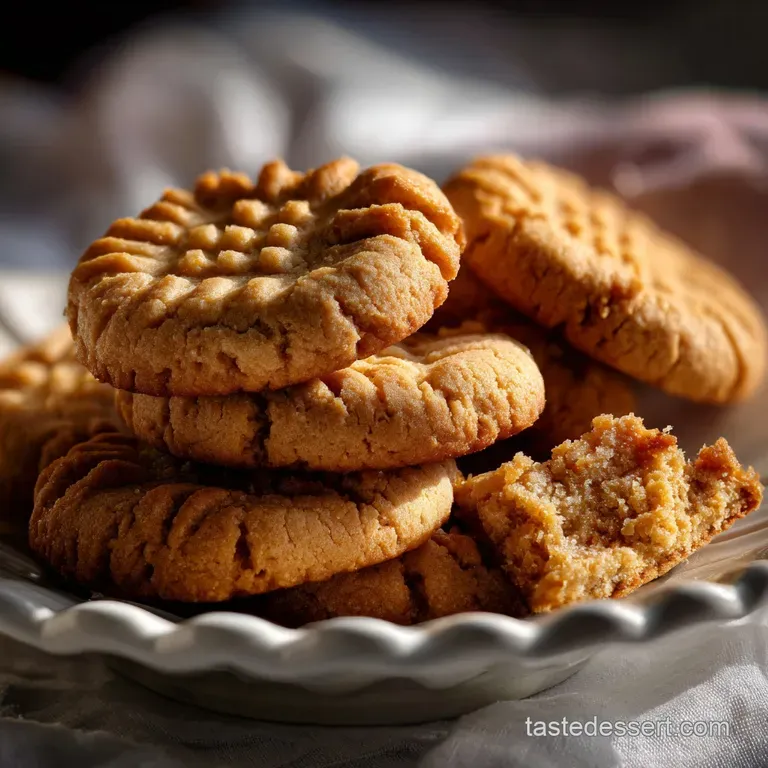
- The Best Soft & Chewy Peanut Butter Cookies Recipe
- Achieving the Perfect Texture: The Science of Great Peanut Butter Cookies
- Essential Ingredients for Classic Creamy Peanut Butter Cookies
- Step-by-Step: How to Make Peanut Butter Cookies
- Troubleshooting and Expert Tips for Baking Success
- Storing, Freezing, and Making Ahead
- Serving Suggestions and Flavor Variations
- Recipe FAQs
- 📝 Recipe Card
The Best Soft & Chewy Peanut Butter Cookies Recipe
You know that smell? That moment the oven fan kicks on and the air fills with roasted peanuts and warm molasses? That, my friends, is the smell of truly perfect Peanut Butter Cookies .
If you’ve struggled with dry, crumbly hockey pucks in the past, trust me, this is the only Peanut Butter Cookies recipe you need.
I spent years messing up simple peanut butter cookies from scratch they were either flat as a coaster or so thick they crumbled into dust before I could take a bite. The secret? It’s not just the recipe itself, but understanding why the ingredients act the way they do.
We are going to make deeply flavorful, easy Peanut Butter Cookies today that are chewy around the edges and unbelievably soft in the center.
This recipe uses a specific ratio of sugars and fats that guarantees minimal spread and maximum tenderness. Get ready for total baking glory.
Achieving the Perfect Texture: The Science of Great Peanut Butter Cookies
If you want soft Peanut Butter Cookies , you have to stop thinking of them as sugar cookies with peanut butter, and start treating them like the dense, fat-rich bombs they are.
Why This Works: The Magic Ratio
The success of these chewy Peanut Butter Cookies comes down to three things:
- Peanut Butter Fat: Peanut butter is naturally high in fat and protein, which interferes with gluten development in the flour. Less gluten means a more tender, softer cookie structure.
- Brown Sugar Power: We use equal parts brown and granulated sugar. Granulated sugar provides the necessary spread and crisping structure, but brown sugar (which contains molasses) adds moisture and creates chewiness by holding onto that moisture longer during baking.
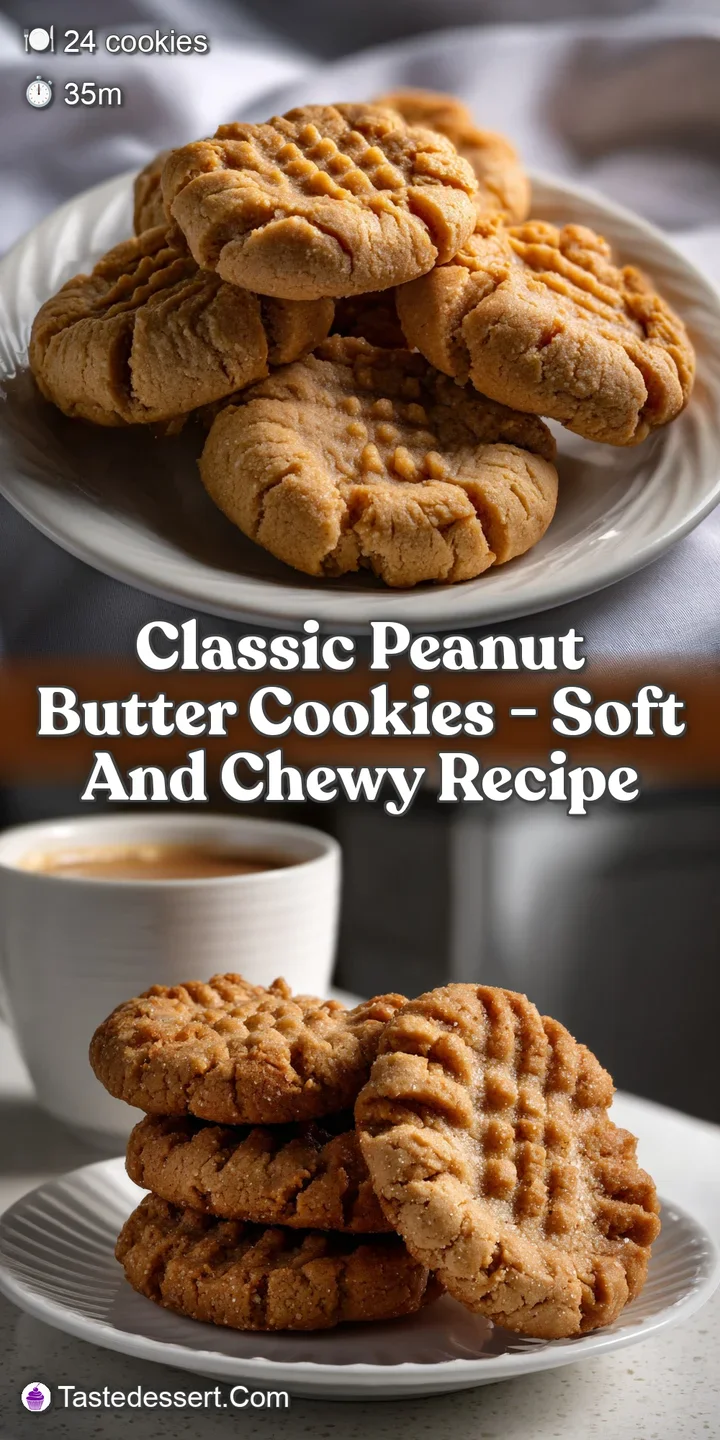
- The Crosshatch: That iconic fork pattern isn't just for looks! The high fat content of the dough means it won't spread much on its own. Pressing the fork into the dough flattens and compresses it just enough to promote even heat distribution, ensuring the cookie bakes through without being raw in the center or burnt on the edges.
The Role of Brown Sugar vs. Granulated Sugar
If you used only white sugar, your cookies would be crispy and dry. If you used only brown sugar, they might be too moist and cakey. Blending them delivers that delightful contrast: crisp, shatter like edges that lead into a velvety, soft middle.
Essential Ingredients for Classic Creamy Peanut Butter Cookies
When making easy Peanut Butter Cookies , the quality and type of peanut butter you use matters immensely.
The Best Type of Peanut Butter to Use
This is critical: For a thick, non-spreading cookie, you MUST use shelf stable, stabilized creamy peanut butter (think Jif or Skippy). Natural peanut butter, the kind where the oil separates, has wildly inconsistent fat and moisture content. If you use it, your cookies will spread thin and oily, guaranteed.
We need that emulsified fat for structure!
Ingredient Swaps and Dietary Modifications
I get it, sometimes you're missing an ingredient or need a swap. Here are the approved trades for this Peanut Butter Cookies recipe :
| Ingredient to Swap | Recommended Substitute | Why the Swap Works (Science!) |
|---|---|---|
| Creamy Peanut Butter | Almond Butter (Shelf Stable) | Similar fat content, but flavor will be milder. Use the same volume. |
| Unsalted Butter | Vegetable Shortening (Crisco) | Creates an even thicker, softer cookie and prevents spread slightly more efficiently. |
| Light Brown Sugar | Dark Brown Sugar | Adds more intense molasses flavor and slightly more moisture/chewiness. |
| All-Purpose Flour | 1:1 gluten-free Baking Blend | Ensures gluten-free Peanut Butter Cookies that maintain structure, provided the blend includes Xanthan Gum. |
| Large Egg | Flax Egg (1 Tbs Flax Meal + 3 Tbs Water) | Provides binding structure for a fantastic vegan adaptation. |
step-by-step: How to Make Peanut Butter Cookies
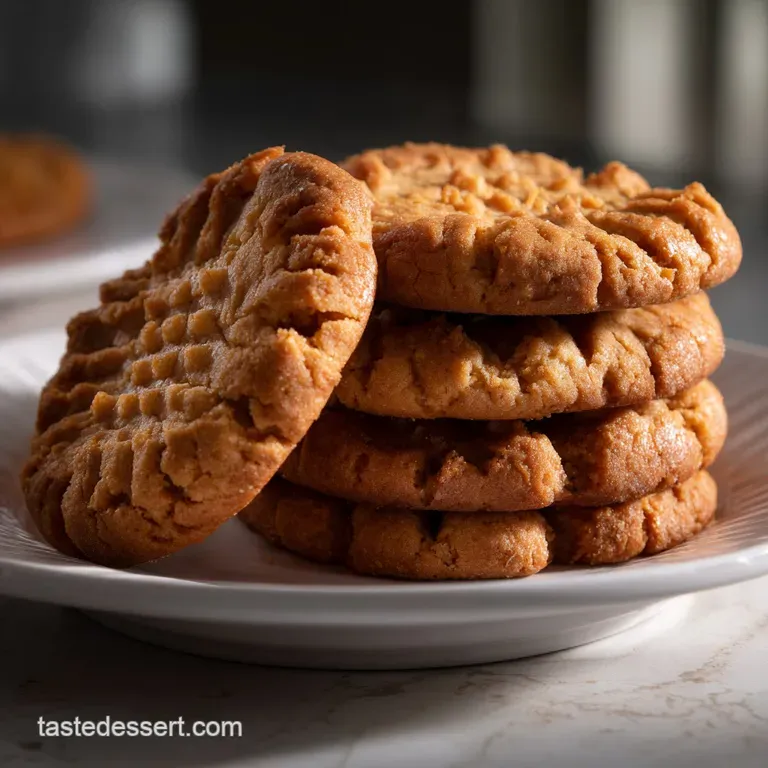
You'll need about 15 minutes of active time. No chilling required unless your kitchen is a sauna!
1. Prep the Dry Ingredients
Whisk together 2 cups of all-purpose flour, 1 teaspoon of baking soda, and 1/2 teaspoon of salt in a medium bowl. Set this aside. This ensures the leavening is evenly distributed so you don’t end up with bitter pockets.
2. Cream the Fats and Sugars Properly
In a large mixing bowl, beat the softened butter, creamy peanut butter, granulated sugar, and brown sugar. Use a stand mixer on medium speed for 3 to 4 minutes.
You are looking for the mixture to become noticeably lighter in color, pale tan, and incredibly fluffy like thick, velvety frosting. This stage incorporates air, which is essential for that ultimate soft texture in our Peanut Butter Cookies .
3. Add Wet Ingredients
Scrape down the bowl. Add the egg and vanilla extract. Mix on medium low speed just until the egg yolk disappears seriously, only 30 seconds max. Overmixing the egg starts building gluten too soon.
4. Incorporate Dry Ingredients
With the mixer running on the lowest speed, slowly add the flour mixture. Mix only until the dough comes together and no streaks of dry flour remain. Stop immediately. The finished dough should be firm, not sticky, and smell intensely of toasted peanuts.
5. Scoop, Roll, and Crisscross
Scoop the dough into 1.5 inch balls. I like to roll them quickly in my hands to smooth them out, then roll them in a small bowl of granulated sugar for extra sparkle and crunch. Place them 2 inches apart on a parchment lined sheet.
6. Mastering the Iconic Fork Press
Using a dinner fork, gently press down on the center of the cookie ball. Then, lift the fork, rotate it 90 degrees, and press again to create the classic crosshatch pattern. This flattens the cookie just enough to control the spread and ensures the cookie bakes evenly.
7. Bake and Cool
Bake at 350°F (175°C) for 10– 12 minutes. The edges should be set and lightly golden brown, but the very center must still look soft and slightly undone. As the kitchen fills with that irresistible baking aroma, make sure you rotate the pan halfway through for even color.
Pull them out! Let the baked Peanut Butter Cookies set on the sheet for 5 full minutes before moving them. This is when they finish setting up, transforming from doughy to perfectly chewy.
Troubleshooting and Expert Tips for Baking Success
Baking is a science, and even the smallest environmental changes can throw a wrench in the works. Here are the common issues I see when friends attempt my Peanut Butter Cookies recipe.
| Mistake/Problem | Why It Happened (The Science!) | How to Fix It Next Time |
|---|---|---|
| Cookies Spread Too Much | Butter was too soft (liquid fat); oven temperature was too low; used natural peanut butter. | Ensure butter is softened but not melted. Chill the formed dough balls for 30 minutes before pressing and baking. |
| Cookies Are Dry/Crumbly | Too much flour was added (scooped instead of weighed); cookies were overbaked. | Fluff the flour before measuring or use a scale. Pull the cookies when the centers are still shiny/soft. |
| Dough is Too Sticky to Roll | Too much liquid (egg size variance); used super soft butter. | Add 1 2 tablespoons of extra flour until the dough is manageable. If you want a fun no-bake peanut butter treat instead, try this Haystacks Recipe: The Easiest No Bake Chocolate Peanut Butter Treat . |
Why Your Cookies Are Spreading Too Much
If your butter is melted or very warm, the water evaporates too fast when it hits the oven, leaving you with thin, greasy disks. The butter needs to be room temperature —soft enough to leave an indentation when pressed, but not shiny or oily.
Storing, Freezing, and Making Ahead
These soft peanut butter cookies are best the day they are baked, but they store beautifully.
How to Store Baked Cookies for Freshness
Once completely cooled, store the finished Peanut Butter Cookies in an airtight container at room temperature for up to 5 days. For maximum moisture retention, I like to place a slice of plain white bread in the container with them the cookies will absorb moisture from the bread, keeping them soft!
Freezing Raw Cookie Dough for Later Use
This is a total game changer. Scoop the dough, roll the balls, and press the crosshatch pattern. Arrange the formed dough balls on a baking sheet and flash freeze until solid (about 2 hours). Transfer the rock hard dough balls to a large freezer safe bag. They can be stored for up to 3 months.
When you want homemade Peanut Butter Cookies , simply bake them directly from frozen, adding 2– 4 minutes to the total baking time.
Do These Peanut Butter Cookies Freeze Well?
Absolutely. If you have baked leftovers, let them cool completely, then place them in an airtight container and freeze for up to 2 months. Thaw them at room temperature, or reheat briefly (15 20 seconds) in the microwave to make them taste fresh from the oven.
Serving Suggestions and Flavor Variations
These classic cookies are stellar on their own, but they play well with others.
Best Pairings: What to Serve With Them
A tall glass of ice-cold milk is non-negotiable, but if you’re looking for a serious dessert upgrade, try using these as the base for an ice cream sandwich. A scoop of vanilla or salted caramel ice cream squashed between two chewy Peanut Butter Cookies ? Yes, please.
Adding Chocolate Chips or Other Mix-ins
If you're making chip peanut butter cookies, fold in 1 cup of semi sweet chocolate chips or chopped, salted peanuts right after adding the flour. For another decadent treat that pairs the rich peanut butter flavor with chocolate, you should definitely try making my Crinkle Cookies: The Best Fudgy Chocolate Recipe next!
These easy peanut butter cookies are a total crowd pleaser and a perfect example of how a simple recipe, when understood scientifically, becomes pure perfection. Go bake a batch of these classic Peanut Butter Cookies today and tell me they aren't the softest you’ve ever made.
Recipe FAQs
Why do peanut butter cookies traditionally have the crosshatch pattern?
This iconic pattern serves a functional purpose: it flattens the dense dough balls evenly without requiring excessive handling, which promotes consistent baking and texture. Since peanut butter dough is low in gluten, pressing prevents the centers from collapsing or remaining raw while baking.
My cookies are spreading too thin while baking. What went wrong?
Excessive spread is typically caused by warm dough or by using too much butter or leavening agents. Ensure all ingredients are measured precisely and thoroughly chill the formed dough balls for at least 30 minutes before they go into the oven.
Using accurate flour measurements is also crucial to provide the necessary structure.
Can I substitute natural or oilier peanut butter in this recipe?
It is highly recommended to use traditional, stabilized peanut butter (the kind that does not separate) for consistent results in baking. Natural peanut butter tends to increase the overall oil content of the dough, which can lead to significantly thinner, greasier cookies that lack the desired soft, substantial texture.
What is the best way to store these Peanut Butter Cookies?
Once completely cooled, store the cookies in an airtight container at room temperature for up to one week to maintain optimal freshness. If you prefer a particularly soft texture, you may place a half slice of plain white bread or a small tortilla inside the container to help regulate moisture.
Can I freeze the cookie dough for later baking?
Yes, freezing the dough is an excellent make-ahead strategy for this recipe. Form the dough into balls and apply the iconic crosshatch pattern, then freeze them on a baking sheet until solid.
Transfer them to a freezer bag or container for storage up to three months, and bake from frozen, adding 2-3 minutes to the total bake time.
How can I adjust the recipe to make the cookies crunchier instead of soft and chewy?
To achieve a crunchier cookie, substitute most or all of the brown sugar with granulated white sugar, as brown sugar retains more moisture due to the molasses content. Additionally, bake the cookies until the edges are deep golden brown and the centers are fully set, allowing them to cool completely on the baking sheet before moving them.
Classic Peanut Butter Cookies
Ingredients:
Instructions:
Nutrition Facts:
| Calories | 165 kcal |
|---|---|
| Protein | 4 g |
| Fat | 9 g |
| Carbs | 18 g |
| Fiber | N/A |
