Spring Asparagus Risotto: Bright, Creamy Al Dente Perfection
- Embracing the Season: The Ultimate Spring Asparagus Risotto
- The Science of Creaminess: Why This Spring Asparagus Risotto Method Guarantees Success
- Gathering Your Essentials: Key Ingredients for Bright Asparagus Risotto
- From Prep to Plate: Step-by-Step Guide to Mastering Asparagus Risotto
- Troubleshooting Your Risotto: Common Mistakes and Expert Fixes
- Storage, Reheating, and Make-Ahead Prep Guide
- What to Serve with Your Perfect Spring Asparagus Risotto
- Recipe FAQs
- 📝 Recipe Card
Embracing the Season: The Ultimate Spring Asparagus Risotto
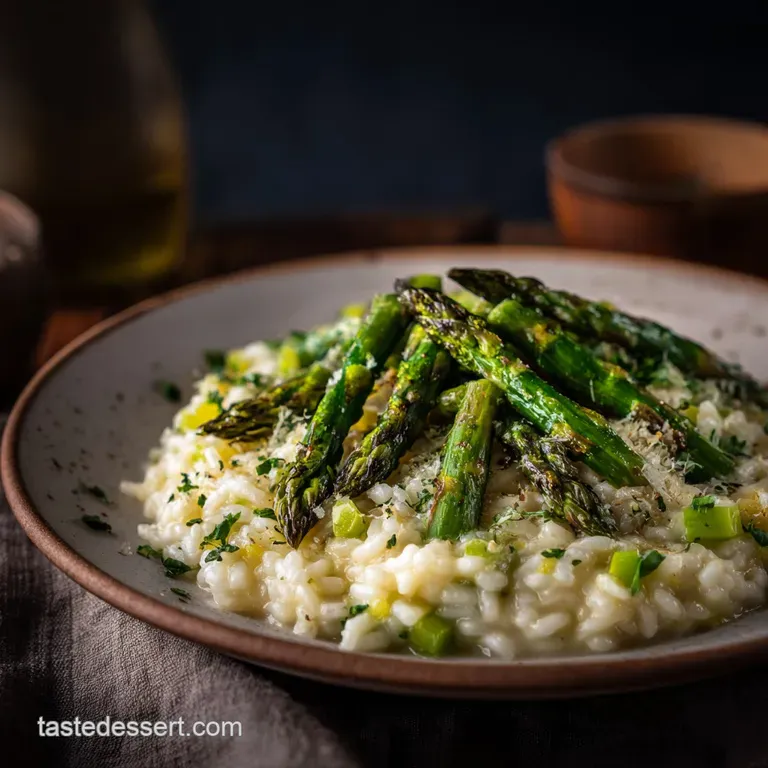
When that first bunch of pencil thin, vibrant green asparagus spears hits the market, I know exactly what’s going on the dinner table. This Spring Asparagus Risotto isn't just creamy comfort food; it is a bright, vibrant, textural experience that absolutely screams springtime elegance.
The glorious aroma of sautéed shallots, toasted rice, and melting Parmesan is honestly just intoxicating, promising pure comfort with every spoonful.
Risotto has this totally undeserved reputation for being a fussy, high maintenance diva, but I promise you it's actually one of the fastest, most satisfying meals you can make with just a handful of pantry staples.
Yes, it demands twenty minutes of your time standing and stirring, but honestly, that quiet, meditative stirring session is pure kitchen therapy after a long day. You are going to feel like a culinary rockstar when this silky dish hits the plate.
I’ve messed up enough batches (hello, gummy rice!) to know exactly what works and what doesn't, so I’m sharing all my real world tips with you today. We are going to nail those essential techniques like keeping the stock nuclear hot and adding that all-important cold finishing butter.
Let’s crack on and make the absolute best Creamy Spring Risotto you’ve ever tasted.
The Science of Creaminess: Why This Spring Asparagus Risotto Method Guarantees Success
The Art of the Perfect Risotto: Creaminess Without Cream
That ridiculously silky, luxurious texture of a great risotto comes purely from the starch released by the rice grain itself it’s not heavy cream doing the lifting, believe it or not.
We achieve this essential creamy suspension by stirring constantly and leveraging the final, magnificent technique called Mantecatura . This is where science meets pure magic, creating a creamy sauce that coats every single grain.
Sourcing the Best Asparagus for Peak Freshness
Spring asparagus is simply unmatched in flavor, offering a delicate sweetness and crisp bite that canned or frozen varieties can’t touch. Choose spears that are firm and snap cleanly near the base when you bend them slightly. We quick blanch it first, which locks that gorgeous, vibrant green color in place and ensures it’s perfectly crisp tender when you eat it. If you have an abundance of spears, I also highly recommend making a batch of my Cream of Asparagus Soup: Silky, Easy Spring Recipe in 40 Minutes for later in the week!
What is Mantecatura and Why is it Essential?
Mantecatura translates roughly to "buttering" or "finishing," and it is the key step that elevates a simple pot of rice to a chef level dish. It’s the final, vigorous stir, done off the heat, where adding cold butter and Parmesan cheese creates an instant, stable emulsion.
This crucial cold butter addition prevents the emulsion from separating and is the secret to making the risotto flow like a beautiful wave (all'onda).
The Crucial Role of Starch Release in Risotto
To get that desirable starch out of the rice so it can form the creamy sauce, you first have to seal the exterior of the grain. This is achieved during Tostatura , the toasting phase.
We stir the dry rice in melted fat (oil and butter) until the edges look slightly translucent and the grains smell faintly nutty. This step prevents the rice from disintegrating into mush prematurely while still allowing the core starch to seep out slowly as the liquid is added.
Preventing Mushy Asparagus: Timing the Quick Blanch
My very first Spring Asparagus Risotto attempt involved stirring the raw asparagus in with the rice at the beginning, which was a tragic mistake. The result? Sad, gray, stringy mush never again!
We only introduce the blanched, pre-cooked asparagus right at the very end of the risotto process, ensuring it stays bright, retains its gentle crunch, and makes the dish pop visually and texturally.
Balancing Brightness: Lemon Zest and Acid
Risotto is inherently rich and comforting. Because of all that glorious fat and cheese, you absolutely need acid to cut through the richness and lift the overall flavor profile. Lemon zest, added right at the finish line, provides that necessary zing without adding excess liquid.
The oils in the zest provide amazing aroma without making the risotto soupy.
Gathering Your Essentials: Key Ingredients for Bright Asparagus Risotto
Choosing the Right Rice: Arborio vs. Carnaroli
Arborio is the most common rice variety you will find in standard supermarkets, and it works wonderfully for Spring Asparagus Risotto. However, if you see Carnaroli rice, snatch it up!
It contains a higher starch content, holds up better to the relentless stirring required, and is much less prone to overcooking or turning into sticky mush.
The Importance of Hot Stock Temperature Control
This is my #1 golden rule. The chicken or vegetable stock must be kept simmering hot in a separate pot throughout the entire cooking process. If you add cold stock to the hot rice, the temperature in the main pot drops immediately.
This shock interrupts the gentle starch release, resulting in unevenly cooked, often gummy, rice. Keep it piping hot, friend.
Alcohol Options: Replacing Dry White Wine
The dry white wine (like Sauvignon Blanc or Pinot Grigio) serves a crucial culinary purpose: it adds a layer of sharp acidity and complex depth to the base. You cook it off completely, so the alcohol evaporates, leaving behind a lovely flavor profile.
Chef's Note: If you prefer not to use alcohol, simply substitute the white wine measurement with an equal amount of piping hot stock, and proceed immediately to the main stock addition. The flavor will still be delicious!
dairy-free Alternatives for the Finishing Touch
While classic Spring Asparagus Risotto relies heavily on butter and Parmesan, you can easily adapt this dish. For a delicious vegan version, use a flavor packed vegetable stock, use olive oil instead of butter for the sauté, and finish the risotto with a high-quality vegan butter alternative.
For the cheesy kick, nutritional yeast (about 3 tablespoons) is a phenomenal substitute for Parmesan.
| Ingredient | Substitution | Notes |
|---|---|---|
| Arborio Rice | Carnaroli or Vialone Nano | Do not use long grain white rice. |
| Shallots | Yellow or Brown Onion | Cook slowly until very soft and translucent. |
| Dry White Wine | Equal amount of hot stock | Skip the alcohol entirely if preferred. |
| Parmesan Cheese | Nutritional Yeast (3 Tbsp) | Use high-quality nutritional yeast for that cheesy flavor. |
From Prep to Plate: step-by-step Guide to Mastering Asparagus Risotto
Preparing and Blanching the Asparagus Tips
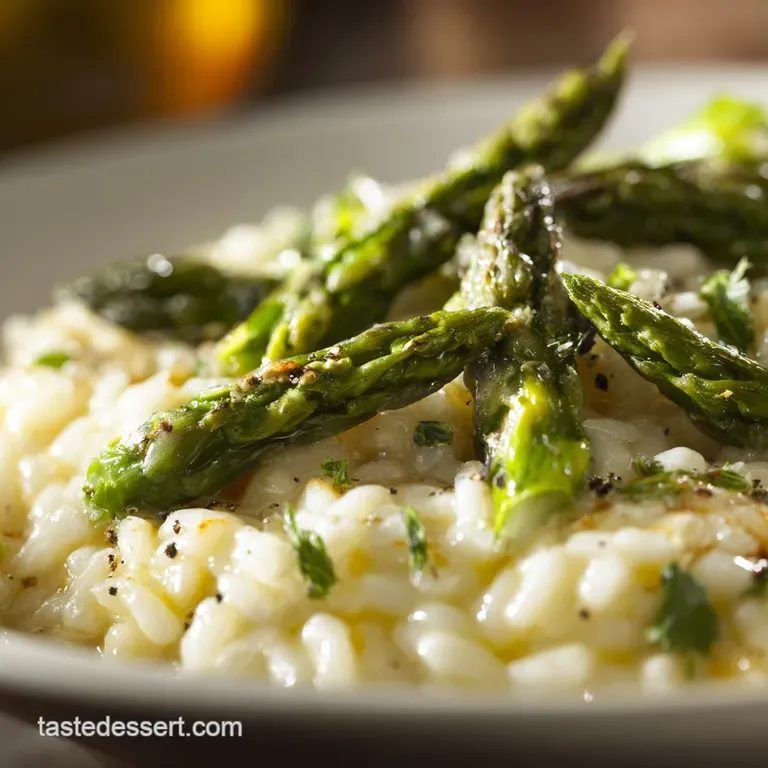
First, snap or trim the woody ends off your asparagus and cut the spears into 1 inch pieces; keep a few pretty tips separate for garnish later. Bring a pot of salted water to a rolling boil. Blanch the asparagus for exactly 90 seconds —no longer!
Immediately drain and plunge the spears into an ice bath to halt the cooking and lock in that brilliant green color. Drain and set aside. Simultaneously, bring your 6 cups of stock to a gentle simmer in a separate saucepan and keep it hot.
The Toasting Phase: Tostatura and Deglazing
In your heavy bottomed pot, melt 1 Tbsp of butter and the olive oil over medium heat. Add the diced shallots and a small pinch of salt. Cook gently until they are fully translucent and soft (about 5 minutes).
Add the minced garlic and cook for just 1 minute until fragrant don't let it brown! Now, add the dry Arborio rice. Stir constantly for 2– 3 minutes until the edges of the grains start looking translucent and they smell faintly nutty; this is the crucial Tostatura .
Pour in the wine and stir until every drop is completely absorbed (about 60 seconds).
The 18 Minute Stir: Gradual Stock Incorporation
Add one ladleful (about ½ cup) of the piping hot stock to the rice mixture. Stir gently and continuously until the liquid is almost completely absorbed. Continue this process, adding stock ladle by ladle, waiting until the previous liquid is soaked up before adding the next.
This takes a meditative 18– 22 minutes. Keep a steady, gentle bubble going this is the onda . After about 20 minutes, taste the rice; it should be creamy on the outside but still have a firm bite in the center ( al dente ).
The Final Act: Mantecatura, Seasoning, and Rest
When the rice is just about 2 minutes away from being perfectly al dente , stir in the blanched asparagus pieces (excluding the reserved tips). Cook for those final two minutes. Remove the pot completely from the heat. This is the moment for Mantecatura !
Stir in the remaining 2 Tbsp of cold, cubed butter and the freshly grated Parmesan cheese. Stir vigorously for 30 60 seconds, shaking the pot slightly, until the risotto loosens and emulsifies into a perfect wave of creaminess. Stir in the lemon zest and most of the chives.
Taste and adjust salt and pepper. Serve immediately in warm bowls, garnished with the reserved asparagus tips and a final sprinkle of Parmesan. Risotto truly waits for no one!
Troubleshooting Your Risotto: Common Mistakes and Expert Fixes
| Problem | Mistake/Cause | How to Fix It |
|---|---|---|
| Gummy or Sticky Rice | Adding cold stock; not stirring enough in the early stages; too much heat. | Use only simmering hot stock. Keep the heat medium low and ensure constant, gentle stirring. |
| Asparagus is Soft/Brown | Added it too early or didn't blanch correctly. | Always blanch the asparagus separately and only stir it into the risotto for the final 2 minutes of cooking. |
| Risotto is Too Soupy | Not enough Mantecatura or too much stock added at the very end. | Remove from heat. Add a little extra grated Parmesan and a touch more cold butter. Stir like crazy to emulsify. |
Storage, Reheating, and make-ahead Prep Guide
Safe Storage Guidelines for Cooked Risotto Rice
Risotto is always best eaten immediately, but leftovers are perfectly safe (and delicious!) for lunch the next day. Store any excess Spring Asparagus Risotto in an airtight container in the refrigerator for up to 3 to 4 days. Make sure it cools completely before sealing it up.
The Best Way to Reheat Risotto for Lunch
Risotto will inevitably seize up and thicken into a brick once refrigerated that’s just what the starch does. To bring it back to life, heat it gently in a pan over medium low heat. Add a splash of stock (or even a little water) and a small knob of fresh butter.
Stir constantly until it loosens up and returns to a creamy consistency. You can also microwave it, but it needs a splash of liquid first!
Can I Freeze Asparagus Risotto? (The Short Answer)
While technically you can freeze cooked risotto, I strongly advise against it if you care about texture. Freezing and thawing destroys the delicate starch structure, resulting in a mushy, grainy texture that doesn't hold the creamy all'onda flow. Plan to enjoy this fresh.
What to Serve with Your Perfect Spring Asparagus Risotto
Why Your Risotto is Too Thick (Fixing the Consistency)
If you have leftovers that have turned into a hockey puck in the fridge, the consistency is too thick because the starch settled. Reheating with a splash of hot stock is your best bet, as mentioned above.
If you notice your freshly made risotto is too stiff right after the mantecatura , just whisk in another tablespoon of hot stock until it reaches that beautiful, loose, flowing texture.
Ensuring Your Asparagus Stays Crisp Tender and Bright Green
The key is that ice bath post blanching. The rapid temperature change ensures the chlorophyll is locked in, preserving that incredible color, and the cooking is stopped instantly. If you skip the ice bath, the asparagus continues to cook from residual heat and loses its snap.
Achieving the Perfect All’onda Texture
All’onda means "on the wave." When you scoop a portion of risotto onto a plate, it should slowly spread out into a loose, creamy puddle, rather than standing stiffly. If it’s too firm, add more stock and cold butter during the mantecatura .
Serve it immediately, piping hot, to retain this essential texture.
For a delightful pairing, serve this bright risotto alongside a simple pan-seared white fish or try a side of my vibrant Asparagus Egg and Bacon Salad with Dijon Vinaigret Perfect Jammy Eggs to round out the meal. If you want to impress dinner guests and elevate this to a celebration meal, pair it with perfectly seared scallops it rivals my Scallops with Parmesan Risotto: Restaurant Quality Recipe .
Recipe FAQs
Why is my risotto gummy or too thick instead of creamy and flowing (all’onda)?
This is usually due to insufficient liquid or overcooking the rice past the crucial al dente stage. To achieve the required flowing consistency (all’onda), stir in an extra splash of warm stock just before serving.
Remember, risotto thickens rapidly after it leaves the heat, so it should be slightly looser than desired in the pan.
How important is it to use warm stock throughout the cooking process?
Using warm or hot stock is absolutely critical for successful risotto. Adding cold stock will dramatically lower the temperature of the rice, shocking the grains and preventing the starch from releasing smoothly and evenly.
Keep your stock consistently simmering gently on a separate burner throughout the entire cooking time.
Can I use different rice varieties instead of Arborio?
Yes, while Arborio works well, many chefs prefer Carnaroli rice as it has a higher starch content and holds its shape better, yielding a creamier texture. Never substitute risotto rice with common long grain varieties like Basmati or Jasmine, as they lack the necessary starch content for a proper emulsion.
When exactly should I add the asparagus to ensure it stays bright green and crisp tender?
To preserve their vibrant color and slight bite, you should blanch the asparagus separately in boiling water before starting the risotto. Add the blanched spears during the last two minutes of cooking, just before you remove the pan from the heat for the final mantecatura (butter and cheese addition).
Can I make this Spring Asparagus Risotto dairy-free or vegan?
Absolutely. You can successfully substitute the butter with high-quality vegan butter or olive oil during the mantecatura finish. Instead of Parmesan cheese, incorporate nutritional yeast for a cheesy depth or use a hard vegan parmesan alternative, ensuring the risotto still emulsifies into a creamy dish.
My risotto tastes flat what essential seasoning or flavoring element did I miss?
Risotto requires three things for excellent flavor: proper salting, acidity, and richness. Ensure you are seasoning throughout the cooking process and not just at the end. For brightness, add a generous splash of lemon juice or white wine vinegar right alongside the zest and chives for the final lift.
How do I store leftover risotto, and can I freeze it?
While risotto is best enjoyed immediately, leftovers can be stored in an airtight container in the refrigerator for up to three days. It is strongly advised not to freeze cooked risotto, as the rice texture will become grainy and mushy once thawed and reheated.
Classic Spring Asparagus Risotto

Ingredients:
Instructions:
Nutrition Facts:
| Calories | 321 kcal |
|---|---|
| Protein | 19.5 g |
| Fat | 13.8 g |
| Carbs | 29.9 g |
