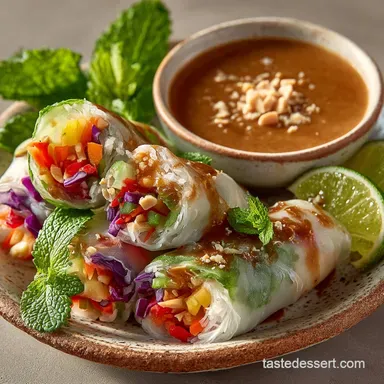
Vietnamese Summer Rolls Gỏi Cuốn Fresh Fast Fabulous
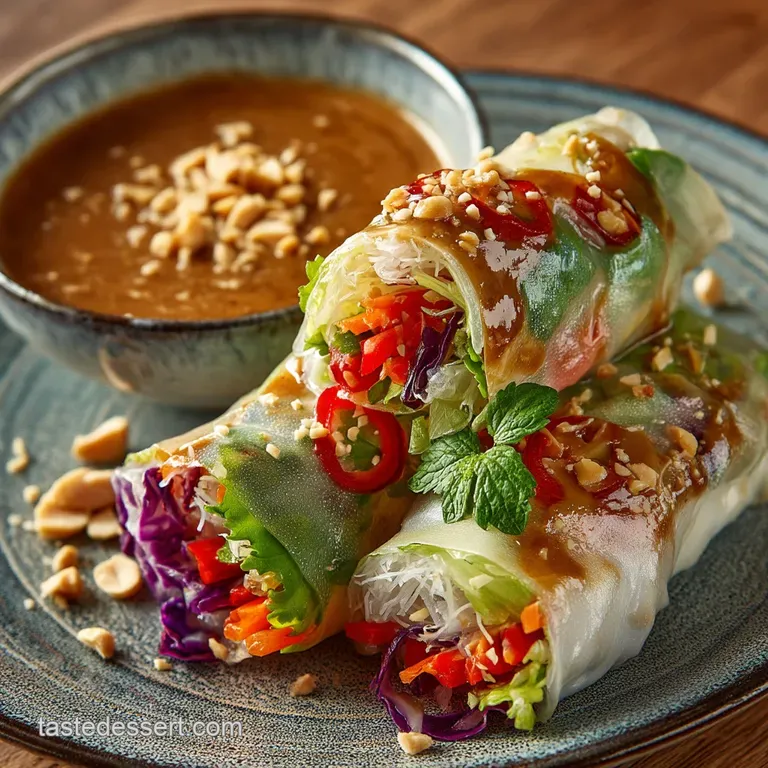
- The Anatomy of a Brilliant Fresh Spring Roll
- Sourcing the Star Players for Your Fresh Spring Rolls
- Step-by-Step: Crafting the Creamy Ginger-Peanut Dipping Sauce
- Mastering the Assembly: Creating Leak-Proof Fresh Spring Rolls
- Maximizing Shelf Life and Troubleshooting Common Rolling Issues
- Recipe FAQs
- 📝 Recipe Card
The Anatomy of a Brilliant Fresh Spring Roll
These delicate, flavor packed rolls known authentically in Vietnamese as Gỏi Cuốn —are the very definition of vibrant, hand held refreshment.
Unlike their heavier, deep fried counterparts, Fresh Spring Rolls are essentially a savory, perfectly balanced salad encased in thin rice paper. They offer a delightful contrast of textures: the crisp crunch of fresh vegetables, the silkiness of the wrapper, and the slight chew of tender shrimp and noodles.
While the cooking stage is straightforward requiring only about 10 minutes to prepare the proteins and rice vermicelli the overall preparation, including detailed ingredient setup and the careful assembly, takes about an hour, resulting in 12 rolls, perfect for serving four as a substantial appetizer.
We rate this fresh spring rolls recipe as medium difficulty, entirely due to the technique required for rolling the fragile wrappers.
Why Gỏi Cuốn Defines the Perfect Light Meal
The core appeal of fresh spring rolls (gỏi cuốn) lies in their incredible lightness and clean flavor profile. They are inherently healthy, featuring generous portions of raw herbs and vegetables like butter lettuce, crisp carrots, cooling cucumber, and aromatic mint and Thai basil.
When considering fresh spring rolls nutrition , they are remarkably low-calorie (approximately 70 90 kcal per roll before dipping sauce) and provide 5 7 grams of lean protein, making them an ideal choice for a sophisticated lunch or a guilt free picnic staple.
They are a sophisticated alternative to a heavy sandwich, offering far more engaging textures and bright flavors.
Mastering the Art of the Dip: Our Creamy Peanut Sauce
No Vietnamese summer roll experience is complete without the perfect accompaniment. While a traditional Nuoc Cham offers brightness, we elevate this dish with a rich, savory, and slightly spicy creamy ginger peanut dipping sauce.
This sauce provides the necessary fat and flavor complexity to balance the cool, fresh interior of the rolls. The contrast between the chilled, herby salad roll and the warmth of this sauce is essential, transforming a simple wrap into a truly memorable bite.
Sourcing the Star Players for Your Fresh Spring Rolls
Creating perfect rolls starts long before you wet the rice paper; it begins with meticulous preparation, or mise en place . Having all your components organized is the key to mastering this recipe efficiently.
What You Need for the Perfect Filling & Wrapper
The defining characteristics of these rolls come from the freshest available produce. The essential fresh spring rolls ingredients include three ounces of thin rice vermicelli noodles, one cup each of fresh mint and Thai basil, one head of soft butter lettuce, and finely julienned (matchstick cut) carrot and cucumber.
Make sure all your produce is washed and completely dry before you begin rolling; excess moisture will prematurely break down the delicate rice paper wrapper.
Selecting and Preparing the Proteins and Noodles
For this classic preparation, we utilize 12 raw, peeled, and deveined large shrimp. They should be boiled swiftly (2– 3 minutes) until opaque, then immediately plunged into an ice bath to maintain a firm, sweet texture.
Once chilled, slice each shrimp in half lengthwise to create a decorative and thin profile for rolling. Similarly, the thin vermicelli noodles must be cooked precisely according to package instructions, drained, and then thoroughly rinsed with cold water to halt the cooking process and eliminate any starchiness that would cause them to clump together.
For those seeking plant based alternatives, variations like Healthy Tofu Spring Rolls are outstanding, requiring only firm tofu sliced into strips and pan-fried until golden.
The Ultimate Guide to Rice Paper Selection
Choosing the correct wrapper is critical for successful rolling. Look for 8.5 inch (22 cm) diameter rice paper sheets, often labeled as Bánh tráng . These wrappers are made from a mixture of rice flour, water, and salt. Avoid overly thick or flavored varieties.
The size allows for a substantial, but manageable, roll. We will use 12 sheets for our yield.
Related Recipes Worth Trying
- Creamy Butternut Squash Lasagna Rolls with Sage Brown Butter Sauce — Skip the tray bake These individual Butternut Squash Lasagna Rolls are packed with creamy ricotta and finished with nutty brown butter Spoton Autumn Dinner...
- Jammy Raspberry Swirl Sweet Rolls with Lemon Glaze — Learn to bake these magnificent Raspberry Swirl Sweet Rolls Filled with tart jam and topped with bright lemon icing they are perfect for weekend brunch
- Seriously Simple Homemade Cinnamon Rolls From Scratch — Ditch the tube These homemade Cinnamon Rolls are easy to make with a reliable yeast dough for the best sticky soft texture Get the recipe
Step-by-step: Crafting the Creamy Ginger Peanut Dipping Sauce
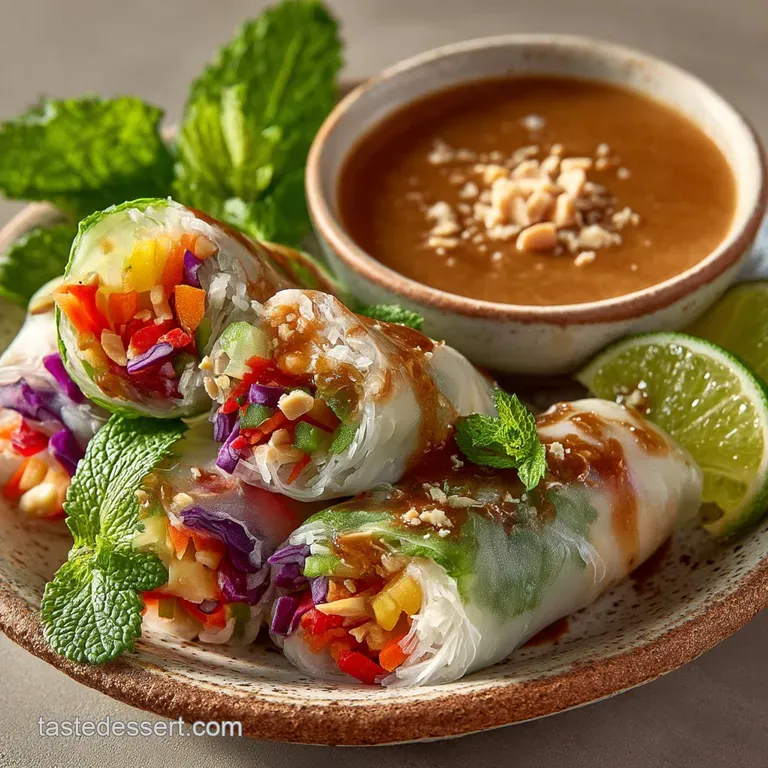
This exquisite sauce is what truly makes this a standout fresh spring rolls with peanut sauce dish. The preparation is simple and swift, taking less than five minutes.
Start by combining a half cup of smooth, unsweetened peanut butter with a half cup of hot water in a small pot or microwave safe bowl. Whisk in two tablespoons of low-sodium soy sauce (or Tamari), one tablespoon of rice vinegar, and one tablespoon of honey or maple syrup for sweetness.
The addition of one teaspoon of fresh grated ginger and one teaspoon of fresh lime juice introduces essential bright acidity. Gently heat the mixture while whisking until it achieves a uniform, creamy consistency that easily drizzles.
Finally, stir in half to one teaspoon of chili garlic sauce (like Sriracha) to taste, balancing the rich peanut flavor with subtle heat.
Mastering the Assembly: Creating Leak Proof Fresh Spring Rolls
The secret to attractive, professional looking rolls is technique and restraint. Remember, the medium difficulty rating stems entirely from this process, which requires setting up a clean rolling station and adhering to strategic layering.
Step 1: Hydrating the Rice Paper for Optimal Flexibility
Fill a shallow dish, such as a pie plate, with warm (not hot) water. Submerge one rice paper sheet completely for precisely 15 to 20 seconds. Crucially, the paper should still feel slightly firm and stiff when you remove it.
Place the wrapper immediately onto your work surface ideally a slightly damp kitchen towel or specialized rolling mat as the residual warmth will continue to soften the paper to the perfect, flexible consistency as you layer the filling.
Step 2: Layering the Filling Components Strategically
To ensure the roll holds its shape and the colors show through the wrapper, placement matters. About an inch above the bottom edge of the hydrated wrapper, lay down a neat, small bundle of cooked vermicelli noodles, followed by a light scattering of the julienned carrots and cucumbers, and a few sprigs of mint and basil.
Next, place a single leaf of butter lettuce, which acts as a protective layer. The most common mistake beginners make is overfilling; keep the core filling centralized and modest. Finally, place four shrimp halves (two full shrimp) cut-side up, about an inch above the main filling line.
These will sit prominently on the top of the finished roll.
Step 3: Executing the Expert Tuck and Roll Technique
With the filling centered and the shrimp positioned for display, begin the rolling process. First, fold the bottom edge of the rice paper tightly over the main bundle of filling. This secures the contents. Then, fold the sides inward like an envelope to create neat, sealed ends.
Starting from the bottom, roll the entire structure tightly and evenly upward. Apply consistent, gentle pressure as you roll to ensure the finished product is tight and round, preventing any tearing or "blowouts" when picked up. Place the completed roll on a large platter, making sure they do not touch each other yet.
Maximizing Shelf Life and Troubleshooting Common Rolling Issues
These light wraps are best enjoyed immediately, but with a few expert tricks, you can prepare them in advance for easy entertaining.
Making Ahead: The Ultimate Strategy for Party Prep
If you need to store the finished rolls for more than thirty minutes, the primary concerns are sticking and drying out. To prevent this, lightly brush each finished roll with a minimal amount of neutral oil, such as canola or peanut oil.
Arrange them on a platter with small gaps between them, and cover the entire platter tightly with plastic cling film, ensuring the film is touching the rolls as much as possible to exclude air.
Stored this way in the refrigerator, they will remain fresh for up to one day, providing a stress free option for preparing Vegan Salad Rolls With Dipping Sauces or protein filled varieties for a party.
Creative Fillings: Vegetarian, Pork, and Tofu Swaps
While the shrimp and herb combination is classic, the versatility of this fresh spring rolls recipe is endless. For a richer flavor profile, consider using thin slices of cooked pork shoulder or belly alongside the shrimp.
Alternatively, if you are focusing on a purely vegetarian offering, ditch the shrimp entirely and use firm pan-fried tofu marinated in ginger and soy sauce these Healthy Tofu Spring Rolls are surprisingly satisfying.
Other great additions include blanched asparagus, avocado slices, or even thinly sliced mango for a touch of tropical sweetness.
Tips for the Perfect Presentation and Dipping
When serving, always arrange the rolls neatly on a platter, often slicing them diagonally in half to showcase the vibrant fillings. Ensure your dipping sauce is garnished appropriately a sprinkle of crushed roasted peanuts, fresh chili flakes, or pre-made crispy fried shallots adds both visual appeal and texture.
For those seeking alternatives to the creamy peanut sauce, a bright, tart bowl of Nuoc Cham (a fish sauce based dressing) provides a wonderful counterpoint. These rolls pair exceptionally well with crisp, dry beverages, like a chilled Sauvignon Blanc or a refreshing homemade limeade.
Recipe FAQs
My rice paper keeps tearing, or the finished rolls stick to the plate! What is the secret to a neat, non-sticky roll?
Ah, the classic rolling catastrophe! The key is your rolling surface and your soaking technique. For non-stick success, ditch the dry cutting board and use a clean, slightly damp kitchen towel or a specialized rolling mat; the slight dampness prevents the rice paper from sticking to itself or your worktop.
Crucially, do not over soak the wrapper! It should still feel slightly firm when you pull it out of the water, as it will continue to soften while you load your fillings. Think of it like cooking vegetables you want them al dente, not mushy.
Can I make these Fresh Spring Rolls ahead of time for a picnic or garden party?
They are best served within an hour of rolling, but you can certainly prepare them slightly in advance. If you need to store them for up to four hours, lightly brush the outside of each finished roll with a tiny bit of neutral oil (like canola).
Store them in an airtight container, ensuring the rolls do not touch each other otherwise, they will inevitably fuse together like culinary wallpaper. Covering them with a clean, barely damp paper towel before sealing the container will also help stop them from drying out.
I need a vegan version and have a peanut allergy. How can I adapt this recipe?
Not a bother! These Fresh Spring Rolls are incredibly adaptable. For a vegan filling, simply substitute the shrimp with firm, pan-fried strips of tofu or marinated shiitake mushrooms, ensuring you still use plenty of crisp veggies and herbs.
For the sauce, the peanut butter can be swapped out easily for sunflower seed butter (Sunbutter) or creamy tahini mixed with a little extra soy sauce and maple syrup. This yields a delicious, nut-free dipping sauce that still has that rich, creamy texture.
My rolls keep bursting open when I try to wrap them. Am I overfilling them?
Yes, darling, less is absolutely more here! Overfilling is the number one cause of blowouts, especially when you start trying to fold the sides in like a neat little envelope.
Aim for a tight, centralised stack of fillings that is roughly the diameter of a two-pound coin. Remember, unlike a massive Sunday roast burrito, the beauty of a spring roll lies in its delicate, transparent presentation where you can see the gorgeous contents peeking through.
How do these compare nutritionally to traditional fried spring rolls?
These fresh rolls are miles apart nutritionally from their deep fried cousins, often containing a third of the calories and a fraction of the saturated fat. They are essentially a hand held salad, focusing on fresh fibre, lean protein from the shrimp, and complex carbs from the noodles.
The main caloric consideration is the dipping sauce; if you’re watching your macros, simply use less of the peanut sauce or opt for a light, fish sauce based Nuoc Cham instead.
Vietnamese Fresh Spring Rolls