Cottage Cheese Tiramisu: Velvety & High Protein
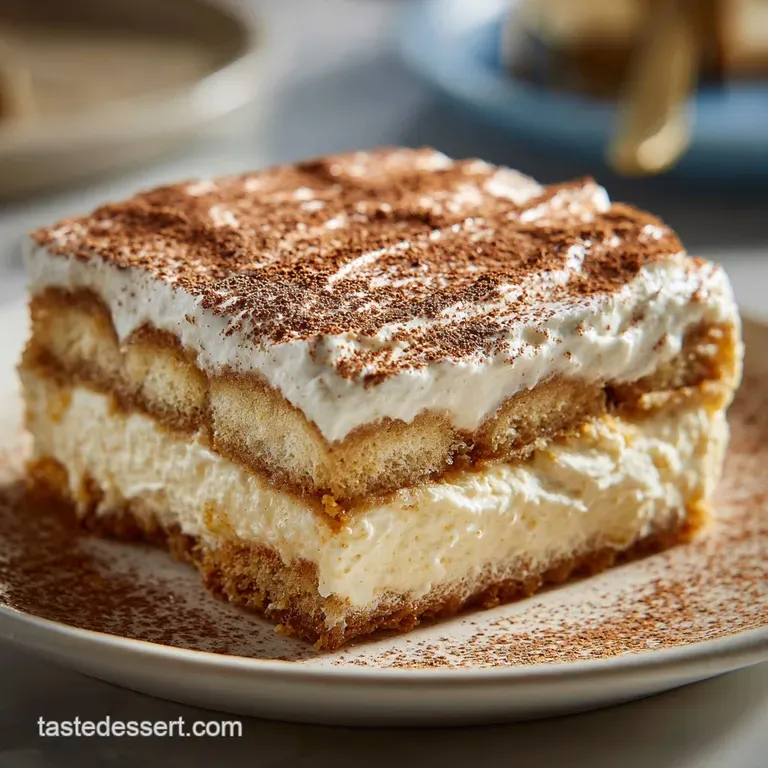
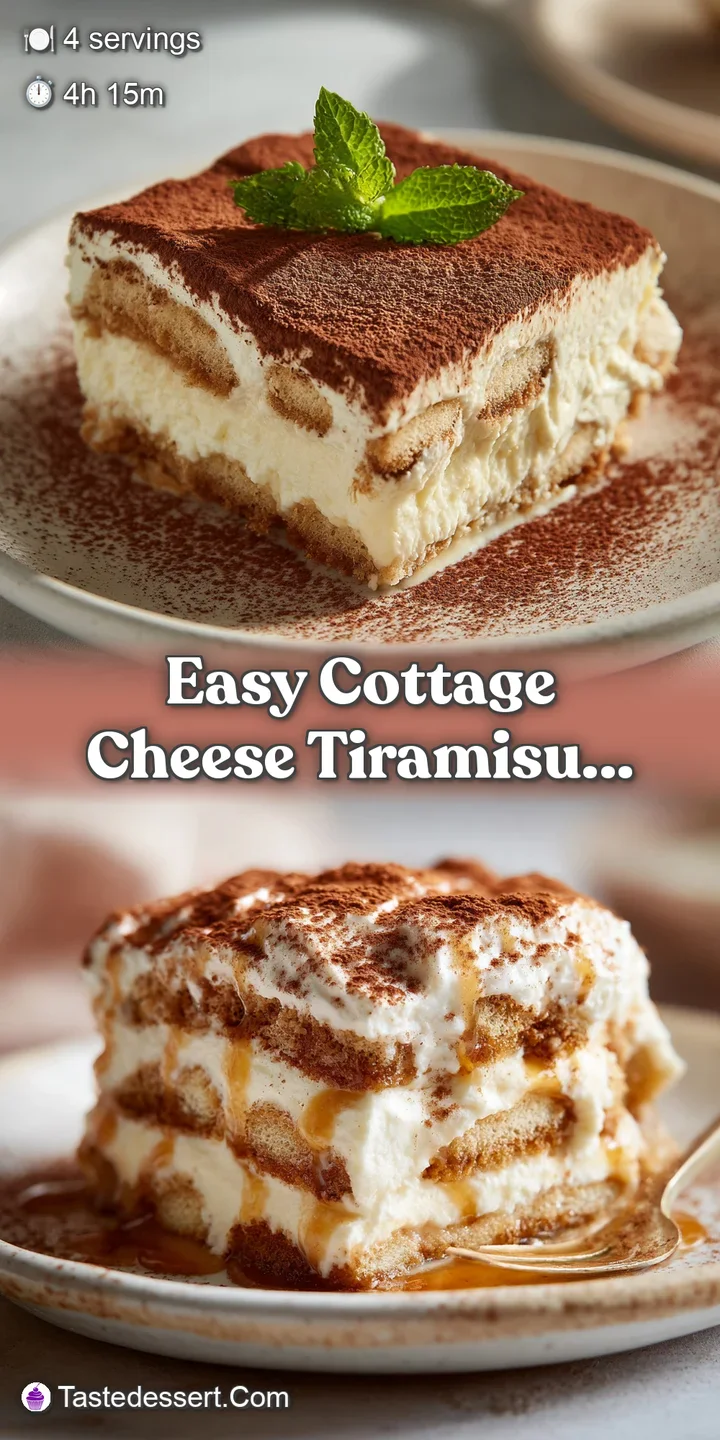
- Time: Active 15 minutes, Passive 4 hours, Total 4 hours 15 mins
- Flavor/Texture Hook: Silky vanilla cream meets bold, espresso soaked biscuits with a bittersweet cocoa finish.
- Perfect for: Post workout treats, guilt free weeknight desserts, or high protein meal prep.
- Crafting the Perfect Cottage Cheese Tiramisu
- The Science of High Protein Creaminess
- Component Analysis for Perfect Layers
- Essential Recipe Specs and Timings
- Equipment Needed for Blending Success
- The Layered Assembly Cooking Process
- Common Mistakes and Texture Troubleshooting
- Adjusting Portions for Every Occasion
- Creative Flavor Twists and Swaps
- Freezing Techniques and Chilling Guidelines
- Ideal Beverage and Fruit Pairings
- Debunking Traditional Italian Dessert Myths
- Recipe FAQs
- 📝 Recipe Card
Crafting the Perfect Cottage Cheese Tiramisu
The air in my kitchen usually smells like roasted garlic or fresh herbs, but today it's dominated by the deep, earthy scent of double shot espresso and a hint of dark rum. I remember the first time I tried making a "healthy" version of this classic. I basically threw some lumpy cheese on a plate and hoped for the best.
It was, frankly, a disaster - more like a soggy breakfast bowl than a refined dessert. But after some trial and error with my blender and the right ratios, I've cracked the code.
You're going to love how this Cottage Cheese Tiramisu tricks your brain. It has that characteristic bite from the coffee and the airy, whipped feel of a traditional mascarpone filling, but it leaves you feeling energized rather than ready for a three hour nap.
We're using a low-fat cottage cheese base, but trust me, once it's blitzed with the Greek yogurt and vanilla bean paste, those curds disappear into a silky dream.
This isn't just about saving calories; it's about making a dessert that actually fuels you. We've managed to pack 19g of protein into a single serving, which is wild for something that tastes this decadent.
Whether you're a gym rat looking for a sweet fix or just someone who wants a lighter end to a meal, this recipe is a total winner. Let's get into the mechanics of why this works so well.
The Science of High Protein Creaminess
High Speed Emulsification: Blending cottage cheese at a high velocity breaks down the casein protein structures and fat globules, transforming a lumpy texture into a perfectly smooth, stable cream.
Starch Hydration Control: The dry Italian ladyfingers act like a sponge; their airy structure is designed to draw in the espresso through capillary action while maintaining enough structural integrity to avoid collapsing.
Protein Syneresis Prevention: Using non fat plain Greek yogurt provides extra thickness and acidity, which helps stabilize the cottage cheese proteins and prevents the cream from weeping liquid during the four hour chill.
Acid Base Balance: The slight tang of the yogurt and the bitterness of the dark cocoa powder are neutralized by the pure maple syrup, creating a balanced flavor profile that mimics the richness of traditional fats.
| Coffee Temperature | Soak Time Per Side | Resulting Texture | Best For |
|---|---|---|---|
| Chilled Espresso | 2 seconds | Firm with a soft exterior | Long term storage (24+ hrs) |
| Room Temp Coffee | 1 second | Soft throughout | Immediate serving after 4 hours |
| Warm Coffee | 0.5 seconds | Very soft/mushy | Not recommended for this recipe |
Choosing the right soak time is the difference between a dessert you can slice and a puddle of coffee flavored soup. I always lean toward the chilled espresso method because it gives you more control. If you're looking for other ways to use this versatile protein, you might want to try The Fluffy Cloud recipe for your morning routine.
Component Analysis for Perfect Layers
| Ingredient | Science Role | Pro Secret |
|---|---|---|
| 450g Cottage Cheese | Provides the structural protein base | Use small curd; it blends more evenly than large curd varieties. |
| 120g Greek Yogurt | Adds tang and thickness | Ensure it's plain and non fat to keep the texture dense and not runny. |
| 140g Ladyfingers | Absorbs liquid and provides "cake" structure | Look for "Savoiardi" on the label; they are drier and hold up better. |
| 240ml Espresso | Delivers the signature flavor and moisture | Use a dark roast to ensure the coffee flavor isn't lost in the cream. |
Essential Recipe Specs and Timings
Before you start dipping and layering, you'll need to gather your ingredients. This recipe is designed to be efficient, but precision with the quantities ensures the cream isn't too runny for the cookies to support.
- 450g low-fat cottage cheese Why this? The primary source of protein and the bulk of our creamy filling.
- 120g non fat plain Greek yogurt Why this? Adds necessary acidity to mimic the mascarpone tang.
- 60ml pure maple syrup Why this? A liquid sweetener that blends seamlessly without a grainy texture.
- 5ml pure vanilla bean paste Why this? Provides those beautiful black specks and a deep floral aroma.
- 1g sea salt Why this? Sharpens the sweetness and makes the chocolate flavor pop.
- 240ml strong espresso, chilled Why this? The backbone of the flavor; must be cold to prevent soggy cookies.
- 15ml dark rum Why this? Adds that classic Italian depth; can be swapped for rum extract.
- 140g Italian ladyfingers (Savoiardi cookies) Why this? The only cookie that provides the correct sponge like texture.
- 15g unsweetened dark cocoa powder Why this? For that signature bitter sweet dusting on top.
- 10g dark chocolate (70% cocoa) Why this? Adds a textural "shatter" when you bite into the layers.
| Original Ingredient | Substitute | Why It Works |
|---|---|---|
| Pure maple syrup | Liquid stevia (5-10 drops) | Cuts sugar further. Note: Adjust to taste as potency varies. |
| Italian ladyfingers | Graham crackers | Stays firmer but lacks the traditional sponge cake feel. |
| Dark rum | Almond extract (1/4 tsp) | Gives a nutty "Amaretto" vibe without the alcohol content. |
Using the right sweetener is vital here. If you use a granulated sugar, you might end up with a gritty texture because there isn't enough heat in this recipe to dissolve the crystals properly. Stick to liquids like maple syrup or honey for that velvety mouthfeel we're after in this cheese tiramisu 19468.
Equipment Needed for Blending Success
To get that easy cottage cheese tiramisu 19468 just right, you'll need a few specific tools. You can't just mix this by hand; the cottage cheese requires mechanical force to change its state from curd to cream.
- High Speed Blender or Food Processor: This is non negotiable for a silky result. A standard blender works, but a processor such as a Cuisinart is often easier for scraping down the sides.
- Shallow Dipping Bowl: Something wide enough to fit the length of a ladyfinger cookie.
- 8x8 Inch Baking Dish: This size provides the perfect height for two layers of cookies and cream.
- Fine Mesh Sieve: For dusting the cocoa powder evenly without lumps.
- Microplane or Grater: For the dark chocolate garnish.
- Rubber Spatula: To ensure you get every last drop of that high protein cream out of the blender.
The Layered Assembly Cooking Process
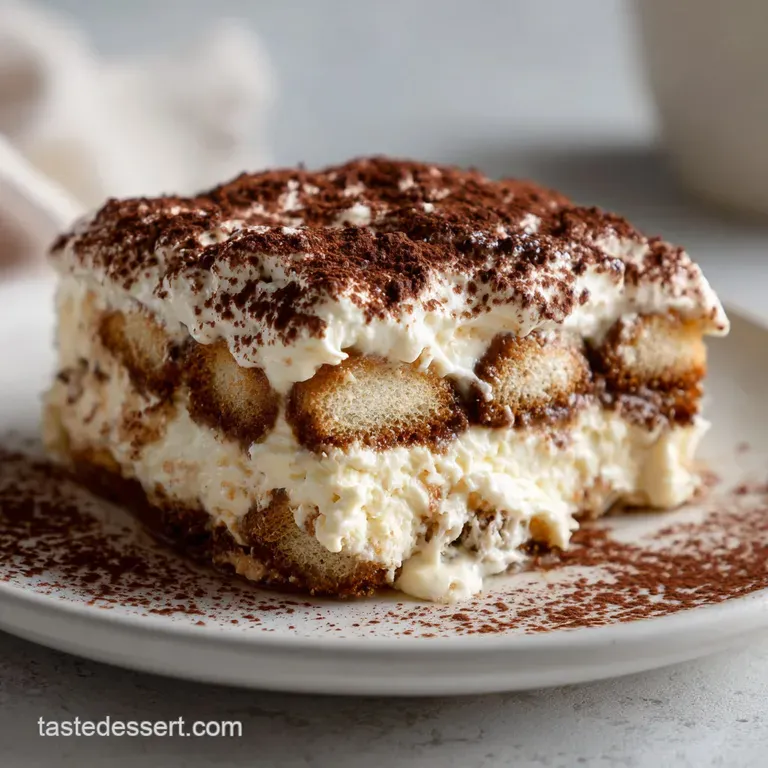
- Blitz the base. Combine the 450g low-fat cottage cheese, 120g non fat plain Greek yogurt, 60ml pure maple syrup, 5ml pure vanilla bean paste, and 1g sea salt in your blender.
- Process until smooth. Run the blender for at least 60-90 seconds until the mixture is completely glossy and no curds remain. Note: If it looks grainy, keep blending; heat from the blades helps the proteins smooth out.
- Prepare the soak. Mix the 240ml chilled espresso and 15ml dark rum in your shallow bowl.
- Initial dip. Submerge an Italian ladyfinger into the espresso for exactly 1 second per side until the exterior is wet but the core is still firm.
- First layer. Arrange the soaked ladyfingers in a single layer at the bottom of your 8x8 dish. Use about half of the 140g of cookies.
- Apply the cream. Pour half of your blended cottage cheese mixture over the cookies until they are fully submerged and the layer is level.
- Add texture. Finely grate half of the 10g dark chocolate over this first cream layer.
- Repeat layers. Dip the remaining ladyfingers and place them on top, followed by the rest of the cream.
- The long chill. Cover the dish and refrigerate for at least 4 hours until the ladyfingers have softened and the cream has set firm.
- Final flourish. Just before serving, use the sieve to dust the 15g unsweetened dark cocoa powder over the top and finish with the remaining grated chocolate.
Chef's Tip: If you want a deeper chocolate flavor, mix a teaspoon of the cocoa powder directly into the espresso soak. It creates a "mocha" base that makes the whole dessert feel even more intense.
Common Mistakes and Texture Troubleshooting
Why Your Tiramisu Is Watery
If you find a pool of liquid at the bottom of your dish, you likely over soaked the cookies or used a cottage cheese with a very high moisture content. Ladyfingers are like dry sponges; if they are saturated to the point of dripping before they hit the pan, they will release that liquid as they sit.
Another culprit is "weeping" from the yogurt.
How to Fix Grainy Cream
Graininess happens when the blender didn't run long enough or the cottage cheese was too cold, preventing the fats from emulsifying. You want the friction of the blades to slightly warm the mixture.
If it's already in the dish, there's not much you can do, but next time, let the cottage cheese sit on the counter for 10 minutes before blending.
| Problem | Root Cause | Solution |
|---|---|---|
| Mushy Ladyfingers | Espresso was too warm | Always use chilled coffee to slow down the absorption rate. |
| Runny Filling | Maple syrup ratio too high | Ensure you use exactly 60ml; too much liquid breaks the protein bond. |
| Bitter Aftertaste | Low quality cocoa powder | Use Dutch processed cocoa for a smoother, less acidic finish. |
Common Mistakes Checklist
- ✓ Tap the blender jar on the counter to remove air bubbles before pouring.
- ✓ Don't skip the salt; it's the bridge between the coffee and the cream.
- ✓ Wipe the edges of your dish before chilling for a cleaner presentation.
- ✓ Use a serrated knife to cut the ladyfingers if they don't fit your dish perfectly.
- ✓ Wait to dust the cocoa until the very last second so it doesn't get damp and dark.
Adjusting Portions for Every Occasion
Scaling Down (Single Serving): If you just want one cottage cheese tiramisu 19468 for yourself, use about 110g of cottage cheese and 30g of yogurt. You can assemble this in a large glass jar or a ramekin. Reduce the espresso to about 60ml.
Since you can't easily use a fraction of a ladyfinger, just use 2-3 and break them to fit your glass.
Scaling Up (For a Crowd): When doubling this for a party, don't double the rum or salt exactly. Use 1.5x the amount of rum (about 22ml) and stick to a heavy pinch of salt. Use a 9x13 inch pan.
You'll need to work in batches with the blender to ensure the motor doesn't overheat while trying to process nearly a kilogram of cheese tiramisu 19468 base.
For baking enthusiasts looking to scale other Italian inspired dishes, my My Family's Manicotti Recipe follows similar logic with ricotta ratios.
Creative Flavor Twists and Swaps
The "Zesty Orange" Variation: Add the zest of half an orange to the blender with the cottage cheese. Orange and chocolate are a match made in heaven, and it brightens up the heaviness of the espresso.
This is particularly great in the summer months when you want something that feels a bit more "bright."
The "Protein Mocha" Bowl: If you want to turn this into an easy cottage cheese tiramisu recipe for post workout, skip the layering. Simply crumble two ladyfingers into a bowl, drizzle with espresso, and dollop the cream on top.
It’s faster and gives you the same flavor profile without the 4 hour wait.
The "Nutty Amaretto" Twist: Swap the rum for 15ml of Amaretto liqueur. This adds a sweet, almond like aroma that complements the vanilla bean paste beautifully. If you go this route, you might want to reduce the maple syrup by 10ml to compensate for the sugar in the liqueur.
| Method | Prep Time | Cleanliness | Texture |
|---|---|---|---|
| Traditional Dish | 15 mins | Moderate | Classic cake like slices |
| Individual Jars | 20 mins | Low (Self contained) | Softer, spoonable mousse |
| Protein Bowl | 5 mins | High | Deconstructed and rustic |
Freezing Techniques and Chilling Guidelines
Storage: Keep your Cottage Cheese Tiramisu in the fridge for up to 4 days. After day two, the ladyfingers will become significantly softer, almost like a unified cake layer. This is actually when many people prefer the texture!
Always keep it tightly covered with plastic wrap or a lid to prevent the cream from absorbing "fridge smells" like onions or leftovers.
Freezing: You can freeze this, but be warned: the texture of the cottage cheese cream can change slightly upon thawing, sometimes becoming a bit more porous. If you do freeze it, wrap the dish in a double layer of foil. Thaw it in the fridge for 24 hours before eating.
Don't try to microwave it to thaw, or you'll end up with a melted mess.
Zero Waste Tip: If you have leftover espresso, freeze it in an ice cube tray! You can use the cubes later for iced lattes or even drop one into a chocolate cake batter to deepen the cocoa notes. Any leftover ladyfingers can be crushed and used as a topping for yogurt or oatmeal.
Ideal Beverage and Fruit Pairings
When you're serving this cheese tiramisu 19468, you want something that cuts through the creaminess. A hot, black coffee is the obvious choice, but a chilled glass of dessert wine or even a sparking water with a twist of lemon works wonders to cleanse the palate.
If you're hosting a brunch, this pairs exceptionally well alongside a savory spread. I love serving it after guests have grazed on a Charcuterie and Cheese Board recipe. The saltiness of the meats and hard cheeses provides a brilliant contrast to the sweet, vanilla forward cream of the tiramisu.
For a fruit pairing, fresh raspberries or sliced strawberries are the gold standard. The acidity of the berries cuts through the cottage cheese and helps highlight the rum notes in the soak. Avoid overly sweet fruits like mango or banana, as they can overwhelm the delicate balance of the espresso.
Debunking Traditional Italian Dessert Myths
Myth: You need raw egg yolks for "real" tiramisu flavor. While traditional recipes use a zabaglione (egg and sugar custard), the "flavor" people actually associate with tiramisu is the combination of coffee, cocoa, and creaminess.
Blended cottage cheese and yogurt provide that same fatty mouthfeel and tang without the food safety concerns or the heavy saturated fat of egg yolks and mascarpone.
Myth: Ladyfingers must be soggy to be authentic. Absolutely not. In Italy, a well made tiramisu should have a distinct "bite" to the biscuit. It shouldn't be a uniform mush.
The goal of the quick 1 second dip is to leave a dry center that softens slowly as the moisture from the cream migrates into the cookie over the 4 hour chill.
Myth: High protein desserts can't be "silky." This is the biggest hurdle for people. They think "protein" means chalky or dry. The secret is the emulsification process in the blender.
By using the vanilla bean paste and a bit of maple syrup, we are coating the protein molecules in flavor and moisture, creating a texture that is indistinguishable from traditional whipped creams when done correctly.
Trust me on this one - once you see that cocoa powder "shatter" under your spoon and hit that velvety layer of high protein cream, you won't miss the traditional version for a second. It's a brilliant way to enjoy a classic without the heavy baggage. Right then, let's get that espresso brewing!
Recipe FAQs
Can I use cottage cheese instead of mascarpone for tiramisu?
Yes, as a high protein substitute. Cottage cheese must be thoroughly blended with Greek yogurt to break down the curds, mimicking the smooth, fatty mouthfeel of mascarpone.
Why do bodybuilders eat cottage cheese before bed?
It provides a slow digesting protein source. Cottage cheese is rich in casein protein, which releases amino acids slowly overnight, supporting muscle recovery during sleep.
Is it okay to eat 1 cup of cottage cheese a day?
Generally, yes, for most healthy adults. One cup usually provides significant protein and calcium without excessive calories, but monitor overall sodium intake.
Can you mix cottage cheese and mascarpone together?
Yes, this creates an excellent hybrid filling. Mixing them allows you to reduce the fat content significantly while using the mascarpone to immediately stabilize and enrich the texture of the blended cottage cheese.
How do I ensure the ladyfingers don't get mushy when using cottage cheese filling?
Dip the ladyfingers quickly into chilled espresso for only one second per side. The chilled liquid slows absorption, preserving the core structure; this temperature control technique is also key when making our [Spicy Butternut Squash Pasta recipe].
If I blend the cottage cheese too long, will it get watery?
No, prolonged high speed blending actually improves the texture. Running the blender for 60-90 seconds breaks down the proteins, creating a stable emulsion, provided you don't add excess liquid.
What is the best substitute for ladyfingers if I need a firmer base?
Use firm graham crackers or thin shortbread cookies sparingly. While authentic Savoiardi are best, these substitutes offer a crisp texture that resists moisture longer than a traditional soft sponge.
Cottage Cheese Tiramisu 2
Ingredients:
Instructions:
Nutrition Facts:
| Calories | 318 kcal |
|---|---|
| Protein | 19g |
| Fat | 5g |
| Carbs | 47g |
| Fiber | 2.2g |
| Sugar | 24g |
| Sodium | 480mg |
