The Perfect Custard Scramble Slowcooked Eggs for Unbeatable Creaminess
- Unlocking the Secret to Fluffy, Non-Rubbery Scrambled Eggs
- Why Slow Heat Transforms Basic Eggs into Gourmet Fare
- Essential Components for Silky Smooth Scrambled Eggs
- Selecting the Perfect Dairy and Seasoning Mix
- The Step-by-Step Choreography of Low-and-Slow Cooking
- Elevating Your Final Dish: Serving Suggestions Beyond Toast
- Troubleshooting Common Scrambled Egg Pitfalls
- Recipe FAQs
- 📝 Recipe Card
Unlocking the Secret to Fluffy, Non-Rubbery Scrambled Eggs
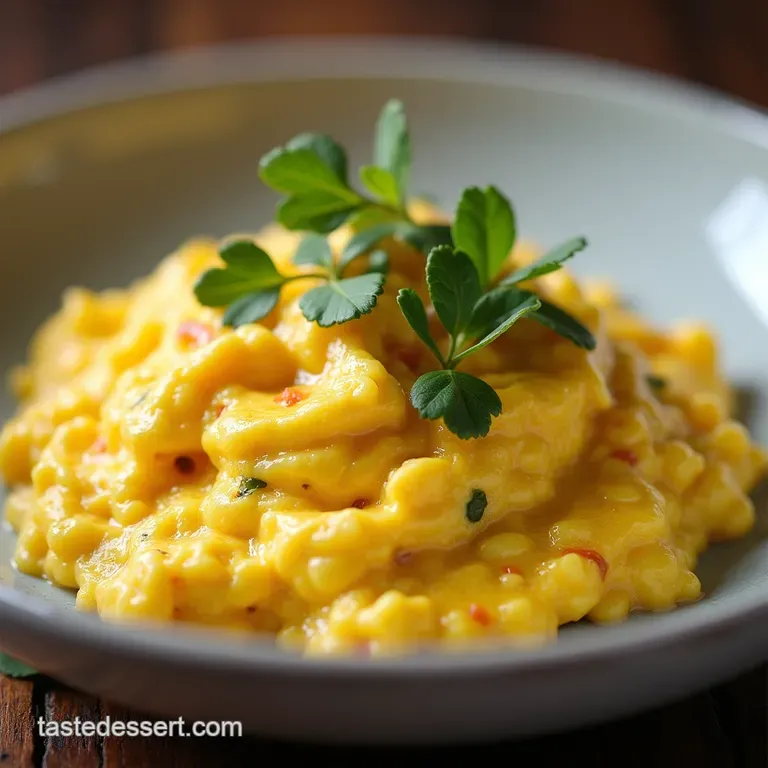
The humble egg holds immense potential, yet often ends up relegated to a rubbery fate on the breakfast plate. Achieving true excellence in Scrambled Eggs isn't about high heat and fast movement; it’s a patient, almost meditative process designed to coax out moisture and create a silken texture.
We are aiming for the soft, glistening curds reminiscent of a luxurious French brouillés , not the dry, tough curds that defined rushed mornings of the past.
This Scrambled Eggs Recipe embraces slowness, transforming simple ingredients into a magnificent centerpiece for any brunch. Forget everything you thought you knew about tossing eggs vigorously; we are about to learn How To Make Fluffy Eggs that remain incredibly tender.
Why Slow Heat Transforms Basic Eggs into Gourmet Fare
The primary mistake most home cooks make is applying too much heat too soon. High heat causes the egg proteins to seize up immediately, squeezing out the moisture and resulting in a dry, dense texture. The secret to unlocking cloud like tenderness lies in managing the thermal energy applied.
By respecting the delicate nature of the egg, we control the rate at which the proteins coagulate.
The Philosophy Behind the Custard Technique
This method leans heavily on the custard principle. Think of a crème brûlée or a perfect flan; these dishes rely on slow, even cooking to set without curdling or becoming grainy.
When preparing Perfect Scrambled Eggs , we are essentially making a savory, quick cooking custard in a pan. This involves using low temperatures and constant, gentle manipulation to ensure every portion of the mixture cooks evenly, leading to incredibly fine curds.
Setting the Stage: What Makes This Method Superior
When we utilize low heat and I mean genuinely low heat we allow the fat (butter) to gently warm the eggs, creating a micro emulsion that traps steam and moisture. This technique ensures that the entire batch of eggs remains hydrated throughout the process.
This is the Best Way To Make Scrambled Eggs if creamy indulgence is your goal. It requires dedication; you cannot step away from the stove, but the payoff in texture is unparalleled.
A New Standard for Your Weekend Brunch
Committing to this slow approach immediately elevates your Delicious Egg Breakfast Ideas . Instead of just another component on the plate, the eggs become the star.
This eight-to-twelve minute slow cook time transforms a weeknight necessity into a weekend culinary event, ensuring you serve something memorable every single time you decide How To Cook Scrambled Eggs this way.
Essential Components for Silky Smooth Scrambled Eggs
To execute this flawless texture, selecting the right building blocks is crucial. While the core ingredient is obvious, the supporting cast the liquids and fats plays an instrumental role in achieving that coveted melt-in-your mouth quality. We are aiming for richness without heaviness.
Related Recipes Worth Trying
- Speedy Breakfast Quesadillas with Spicy Chorizo Eggs — Ditch the boring toast These easy Breakfast Quesadillas are packed with spicy chorizo and melty cheese for a hearty breakfast thats ready fast Find out what...
- My GoTo chocolate banana muffin 3 ingredients Moist Easy No EggsOil — Forget faffing These are the quick dump and stir chocolate banana muffin 3 ingredients you need Perfect for using up those bruised bananas Naturally sweet...
- Proper British Rock Cakes The Easiest baked good with no eggs for Afternoon Tea — Need a quick baked good with no eggs My easy eggless baking powder recipe for proper British rock buns is a tea time classic Simple sultana rock cakes using...
Selecting the Perfect Dairy and Seasoning Mix
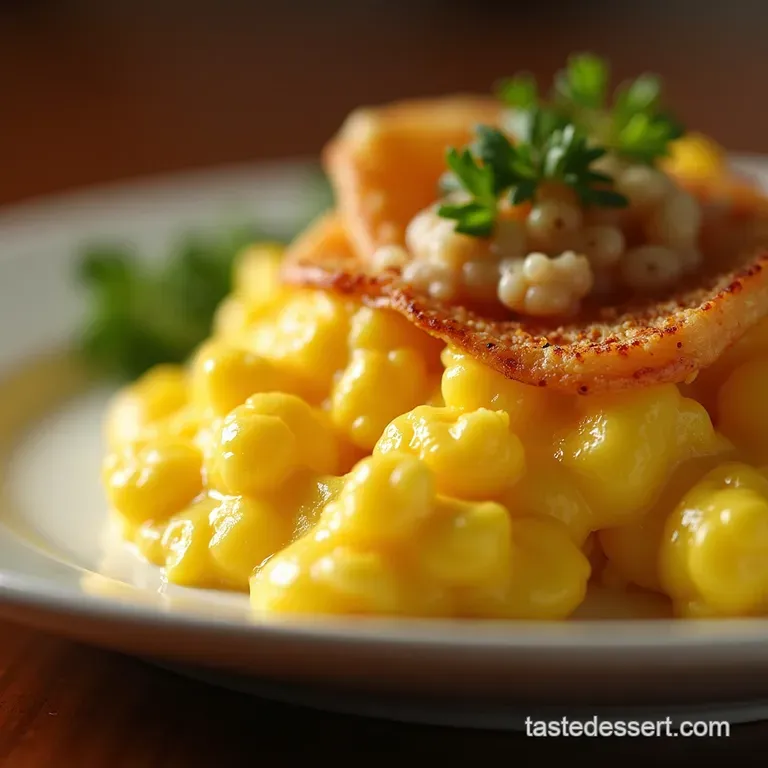
For this specific luxurious texture, we start with four large eggs. The critical addition is a liquid dairy component I recommend two tablespoons of heavy cream. The fat content in the cream acts as an emulsifier, coating the proteins and physically preventing them from binding too tightly, leading directly to softer curds.
Alternatively, whole milk can be used if you prefer a slightly lighter mouthfeel. The foundation of flavour comes from quality seasoning: start with approximately one-quarter teaspoon of fine sea salt and a generous grinding of fresh black pepper.
The Golden Ratio: Egg to Liquid Measurements
The ratio is key when aiming for richness. For four eggs, two tablespoons of heavy cream provides the perfect balance of moisture and body. Too little, and the eggs might still set too firmly; too much, and they risk becoming overtly soupy. This balance is what allows us to gently cook them to a soft consistency.
Beyond Salt and Pepper: Flavor Enhancers to Stock
While pure salt and pepper are the baseline for pure flavour appreciation, a true enhancement comes from finishing the dish. Just as you are pulling the eggs off the heat, whisking in an extra half teaspoon of cold, unsalted butter ( monter au beurre ) adds incredible sheen and stops the cooking process dead in its tracks, locking in the creamy texture.
Essential Utensils for Superior Texture Control
Your tools matter immensely here. Do not use a metal spoon or whisk, as these can damage your pan and aggressively break the curds. The absolute essential tool for this Scrambled Eggs step-by-step guide is a flexible silicone spatula.
This allows you to gently scrape the set edges from the bottom and sides of the pan, folding them into the centre without overly disturbing the developing structure.
The step-by-step Choreography of Low-and-Slow Cooking
The process is deliberate. We begin by prepping our mixture and warming our pan far below what feels intuitively correct for cooking eggs. This patience is the hallmark of How To Make The Best Scrambled Eggs .
Pre-Mixing Magic: Achieving Uniform Yolk and White Integration
In your mixing bowl, combine the four eggs, two tablespoons of cream, the initial salt, and pepper. Now, whisk these vigorously, but not to incorporate excessive air (we aren't making an omelette). You are aiming for a pale, uniformly yellow mixture where no streaks of clear egg white remain.
This thorough initial mixing ensures uniform cooking throughout the batch.
Temperature Taming: Achieving the Ideal Pan Heat
Place an 8 inch non-stick pan over the absolute lowest heat setting your stove offers. Add one tablespoon of unsalted butter and allow it to melt completely until it shimmers slightly it must not brown.
Pour the egg mixture into the warm pan and let it sit, undisturbed, for about 30 seconds until the edges just barely begin to firm up. This slow introduction to heat is vital.
Mastering the Constant Motion Technique
Now, introduce the spatula. Gently push the cooked egg from the edges toward the centre, tilting the pan so the raw, uncooked liquid flows into the space you've created. Continue this slow, consistent scraping and folding motion, ensuring the spatula hits the bottom of the pan every few seconds to prevent sticking or scorching.
The mixture will transform slowly from liquid to glistening, wet curds.
The Final Fold: When to Remove Eggs from the Heat Source
The moment of truth arrives when the eggs appear mostly set but still look glossy and slightly too moist think of a loose, wet custard. At this stage, remove the pan entirely from the heat source. The carry over heat in the pan will continue cooking the eggs for another minute.
Immediately stir in that extra half teaspoon of cold butter to enrich them and halt the cooking process completely.
Plating Pointers for Presentation Perfection
Taste the eggs one final time and adjust seasoning if needed. Serve immediately onto warm plates. A light sprinkle of finely snipped fresh chives adds a necessary burst of freshness and a professional visual finish to your creamy creation.
Elevating Your Final Dish: Serving Suggestions Beyond Toast
While these creamy scrambles are phenomenal served atop thickly sliced, buttered sourdough, their richness invites sophisticated pairings. Consider serving them alongside lightly smoked salmon, a few perfectly ripe avocado slices, or perhaps nestled next to slow roasted heirloom tomatoes seasoned simply with olive oil and oregano.
Troubleshooting Common Scrambled Egg Pitfalls
Even with the best guidance, issues can arise. Understanding why things go wrong is just as important as knowing the correct technique.
Creative Garnishes That Complement Creamy Scrambles
For a textural counterpoint, try topping your finished eggs with crispy fried shallots or a light dusting of smoked paprika. If you enjoy spice, a few drops of high-quality chili oil swirled just before serving offers a welcome kick that cuts through the richness beautifully.
Storing and Reheating Leftovers Without Degradation
Truthfully, these eggs are best eaten immediately. If you must store them, place them in an airtight container and refrigerate. To reheat, place the eggs in a small non-stick pan over very low heat, adding a splash of milk or water, and stir constantly until just warmed through.
Avoid the microwave, as it will inevitably toughen the texture.
Flavor Variations: Herbs, Cheeses, and Spices to Explore
For aromatic depth, stir in finely chopped fresh tarragon or dill during the final minute of cooking. If you favour cheese, fold in soft goat cheese or grated Gruyère just as you remove the pan from the heat.
A tiny pinch of nutmeg added during the initial whisking can also lend a subtle warmth that pairs excellently with the cream.
Why Did My Eggs Turn Out Watery? Diagnosing Failures
Watery eggs usually stem from one of two culprits: over salting, which draws water out of the proteins, or insufficient cooking time. If they are watery, it means the proteins haven't fully bound, and they needed another minute on the lowest heat setting before that final butter cool down step.
Patience remains the greatest ingredient for success.
Recipe FAQs
Why are my scrambled eggs always rubbery? I follow the instructions!
Ah, the classic rubbery egg conundrum! This almost always comes down to heat management. You’re likely cooking them too quickly over heat that’s too high, which causes the proteins to seize up instantly.
Remember, for these silky smooth scrambled eggs, low and slow is the mantra; think gentle warmth, not aggressive frying.
How do I get that wonderfully creamy texture instead of dry curds?
Creaminess comes from two key steps: using a little fat like heavy cream or milk, and stopping the cooking process just before you think they are done. The residual heat in the pan will finish them off beautifully, resulting in that moist, luxurious custard texture we are after.
Don't forget that final knob of cold butter off the heat!
Can I prepare the egg mixture ahead of time? How long can I store leftovers?
It’s best to crack and whisk your eggs right before they hit the pan the texture is at its peak fresh. If you must prep early, keep the mixture refrigerated for no more than 12 hours, but be aware they might separate slightly.
Honestly, leftovers aren't great; scrambled eggs are best eaten immediately, fresh off the heat, like a proper cuppa!
What's the secret to getting that lovely, rich yellow colour?
The colour is largely down to the quality of your yolks! Investing in free range or farm eggs often yields a deeper orange yellow colour compared to standard supermarket fare. Technically, adding a tiny pinch of turmeric is a shortcut, but really, good eggs are the only true secret here for natural richness.
When should I add salt? Does it really make a difference?
For this slow cooking method, seasoning at the start with a little salt and pepper is fine as the gentle cooking won’t toughen the proteins too much. However, always taste and add a final pinch right before serving this boosts the overall flavour right at the finish line, giving you that much needed flavour punch when you eat them.
Creamy Custard Scrambled Eggs
Ingredients:
Instructions:
Nutrition Facts:
| Calories | 610 kcal |
|---|---|
| Protein | 12.8 g |
| Fat | 47.7 g |
| Carbs | 34.2 g |
| Fiber | 13.9 g |
| Sodium | 20086 mg |
