General Tso Chicken: Crispy, Sticky, and Spicy (Better Than Takeout)
- Capturing the General: The Definitive General Tso Chicken Recipe
- Mastering Texture: The Science Behind the Crackle
- Essential Elements for Superior General Tso
- Step-by-Step: Crafting the Crispy General Tso Experience
- Troubleshooting and Chef's Secrets for General Tso Chicken
- Make-Ahead Strategy and Post-Cook Preservation
- The Perfect Sides to Complement General Tso Chicken
- Recipe FAQs
- 📝 Recipe Card
Capturing the General: The Definitive General Tso Chicken Recipe
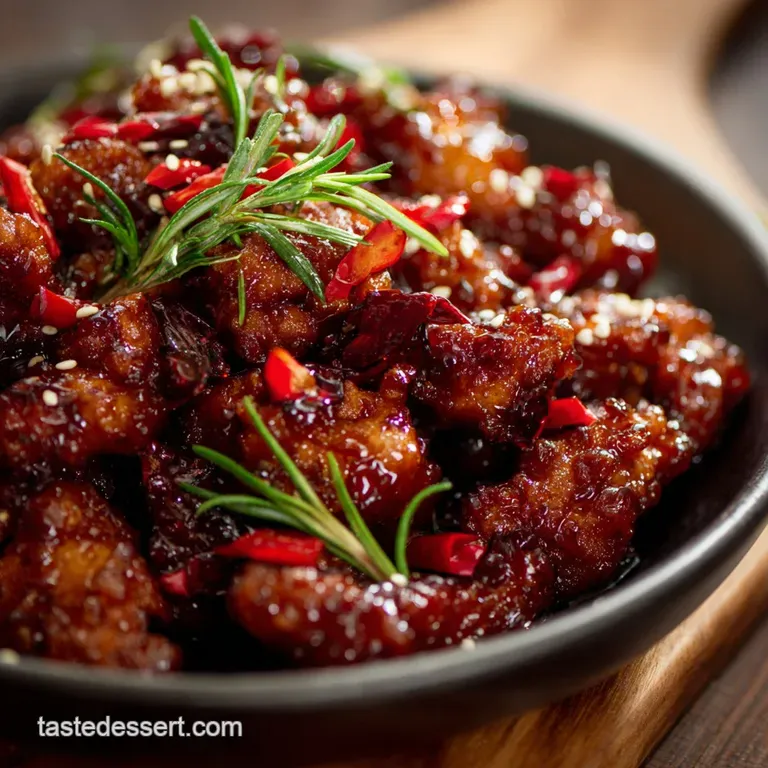
Can you smell that? That deep, sticky, caramelized aroma mixed with a hint of pungent ginger and garlic? That is the scent of properly executed General Tso Chicken, and honestly, it’s one of the best kitchen smells there is.
When you bite into it, you should hear a satisfying crack before you hit the tender, juicy interior, all smothered in that intensely glossy, savory sweet sauce.
For years, I relied on mediocre delivery versions that were more syrup than spice. But this homemade General Tso Chicken recipe is a total game changer. It’s actually pretty fast, definitely cheaper, and tastes infinitely brighter and cleaner than anything that shows up in a plastic container.
This dish is my weeknight lifesaver when I need maximum flavour impact with minimal fuss.
We are going to learn all the secrets today. I mean, the absolute non-negotiable steps that separate an okay sticky chicken dish from a genuinely crispy, professional grade Homemade Chinese Food masterpiece. Ready to unleash the General? Let's crack on.
Mastering Texture: The Science Behind the Crackle
General Tso is all about contrasts. You need that intense savory depth, that puckering sourness, and that shattering crispness. If you don't nail the coating and the sauce viscosity, you end up with soggy, bland nuggets. We are avoiding that outcome entirely!
The Culinary History of the Dish
General Tso Chicken is a classic example of American Chinese cuisine it wasn’t actually invented in Hunan, China. This dish emerged in New York City kitchens, likely popularized by Chef Peng Chang kuei in the 1970s, specifically tailored for American palates.
It blends familiar sweet and sour profiles with deep frying techniques, becoming the icon we know today.
Why This Version Beats Takeout
We are controlling the sugar. Most restaurant versions drench the chicken in so much corn syrup it feels like dessert. Our recipe uses less granulated sugar and balances it aggressively with unseasoned rice vinegar and low-sodium soy sauce. The result is bright, balanced, and never cloying.
Decoding the Flavor Profile (Sweet, Sour, Heat)
The magic lies in the trifecta: sugar (sweet), rice vinegar (sour), and dried chillies (heat). Hoisin sauce provides the necessary fermented depth and umami backbone. If the sauce tastes flat, you probably need a touch more vinegar or a dash more hoisin to bring the complexity up.
Achieving the Professional Coating Adhesion
The initial marinade is key. Using an egg white rather than a whole egg binds the marinade to the chicken without adding unnecessary fat or color. The chicken absorbs the rice wine and soy sauce, ensuring flavor runs deep, and the slightly tacky egg white provides the perfect glue for our dry coating mixture.
The Double Fry Technique Explained
This is the non-negotiable secret to ultra crispy General Tso Chicken. The first fry at 175°C (350°F) cooks the chicken all the way through, setting the initial crust. The second fry, done quickly at a much higher temperature (190°C / 375°F), blasts any lingering moisture out of the crust.
This creates a waterproof, shatteringly crispy exterior that resists the sauce, keeping the General crunchy until the last bite.
Balancing Viscosity for Maximum Stickiness
Sauce viscosity is just a fancy way of asking, "How thick is this stuff?" We use a simple cornstarch slurry to turn our liquid sauce into a gorgeous, glistening glaze. You want it glossy and thick enough to cling, but not so thick that it becomes gelatinous.
Always add the slurry while stirring and off the heat to prevent lumping, which I definitely learned the hard way once upon a time!
Essential Elements for Superior General Tso
The Core Components of the Tso Sauce
Our sauce relies heavily on low-sodium chicken stock, soy sauce, and hoisin. Hoisin is absolutely mandatory here; it’s fermented soybean paste that gives you rich, dark depth. Don't skip it, or the flavor will taste one-dimensional.
| Ingredient | Role | Viable Substitution |
|---|---|---|
| Rice Vinegar | Puckering sour note | White wine vinegar (use less) |
| Shaoxing Wine | Essential Chinese fragrance/depth | Dry sherry or white grape juice (less effective) |
| Dried Chillies | Heat and visual appeal | Red pepper flakes or high-quality chilli oil |
| Hoisin Sauce | Dark, fermented sweetness/umami | Skip at your own risk! Maybe a blend of BBQ sauce and molasses. |
Dry Coating vs. Wet Batter: Which to Choose?
For General Tso Chicken, we rely on a specific dry coating mostly cornstarch with some flour and a little baking powder. The high cornstarch content ensures a crisp, lightweight crust.
The baking powder creates tiny air bubbles when frying, which gives the chicken that signature light, bubbly texture and incredible crunch. Trust me, it’s brilliant for Crispy General Tso Chicken.
Ingredient Swaps and Allergy Notes
If you don't have Shaoxing rice wine, use dry sherry. It gives a similar depth and fragrance, although it's not quite the same. If you are sensitive to gluten, you can use all cornstarch in the coating, though the resulting crust will be slightly tougher.
For soy allergies, swap the soy sauce and hoisin for coconut aminos, adjusting the sugar level accordingly.
Sourcing Quality Chillies and Aromatics
Please don't use the sad, dried out chillies hiding in the back of your cupboard! Using whole dried chillies (like arbol or Tianjin) is key because they infuse heat and flavor without overwhelming the dish. We want flavor, not just burning spice.
Minced fresh ginger and garlic must be very fresh; they provide the fragrant backbone of the entire sauce.
Chef's Note: If you want a hotter dish, slice the dried chillies in half before adding them to the oil. Slicing them exposes the seeds, unleashing significantly more heat.
step-by-step: Crafting the Crispy General Tso Experience
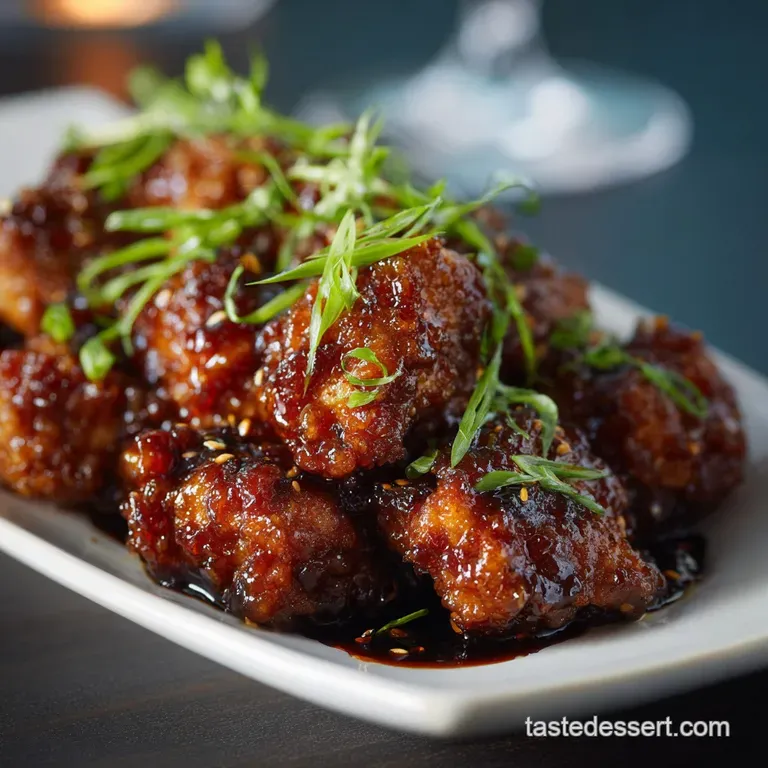
Making Easy Chinese Recipes at home requires efficient organization. Get everything ready before the oil is hot!
Phase 1: Preparing and Marinating the Protein
First, cube your boneless chicken thighs evenly about 1.5 inch pieces are perfect. Chicken thighs stay incredibly moist through the double fry process. Toss those cubes with the egg white, soy sauce, rice wine, sesame oil, and white pepper. Put it in the fridge for 30 minutes.
This mandatory rest time ensures maximum flavour absorption and a tacky surface for coating.
Phase 2: The Critical Coating and Fry
While the chicken chills, whisk up the dry coating cornstarch, flour, baking powder, and salt. Now, heat your neutral oil (canola, peanut, or vegetable) in a deep pot to 175°C (350° F) . This is why a thermometer is essential; guessing the temperature leads to disaster.
When coating the chicken, press gently to help the coating adhere, then fry in small batches for 3– 4 minutes until pale gold. Don't overcrowd the pot! Remove those pieces and rest them. Increase the oil heat to 190°C (375° F) .
Return all the chicken for that second, rapid 60 90 second blast. They should emerge deeply golden and sound crunchy when you transfer them back to the wire rack.
Phase 3: The Rapid Sauce Reduction and Toss
Dump almost all the frying oil and use the residual tablespoon (or fresh oil) to sauté your minced garlic, ginger, and those whole dried chillies. Sauté for about 30 seconds until super fragrant. Now, pour in your prepared General Tso Sauce mixture and bring it to a boil. Turn the heat down low.
Whisk that cornstarch slurry one last time —it settles fast! Pour it in slowly while stirring constantly until the sauce thickens into a gorgeous, thick syrup. It happens fast.
The Final Plating and Garnish
Take the pan completely off the heat. Toss the perfectly crispy chicken directly into the hot sauce. Stir quickly and lightly until every piece is glistening and coated. Drizzle the dish with the toasted sesame oil for a final aromatic punch. Serve immediately over rice, garnished generously with sliced spring onions.
Troubleshooting and Chef's Secrets for General Tso Chicken
Preventing a Soggy Finish
The number one culprit for soggy chicken is skipping the double fry, followed closely by tossing the chicken into the sauce too early. The sauce should be finished and removed from the heat before the chicken enters the pan.
Also, never rest the fried chicken on paper towels; they steam the bottom, rendering the crispness useless. Use a wire rack!
Managing Oil Temperature for Perfect Crispness
If your oil is too cold (below 350°F / 175°C), the coating absorbs the oil, resulting in a greasy crust. Too hot (above 385°F / 195°C) and the coating burns before the chicken cooks through. Use that thermometer, friends! I used to eyeball it, and my results were wildly inconsistent.
If you want a truly fast weeknight meal that controls oil temperature beautifully, check out my recipe for [Chicken Francese: Silky Lemon Butter Chicken Dinner in 35 Minutes].
The Importance of Vinegar in the Sauce
General Tso should not be one-note sweet. The rice vinegar provides essential acidity that cuts through the richness of the fried chicken and balances the sugar and hoisin. If you taste the sauce and it feels heavy, add another teaspoon of vinegar until it snaps into focus.
make-ahead Strategy and Post Cook Preservation
Storing the Tso Sauce Separately
You can make the Tso sauce (Steps 2 and 8) up to three days ahead of time. Store it in the fridge, minus the cornstarch slurry. When ready to use, heat the sauce, bring it to a boil, then add the freshly whisked slurry to thicken it right before serving.
Reheating Techniques for Crispness Retention
General Tso is best eaten immediately, but leftovers are possible! Store the chicken and sauce separately if possible. To reheat the chicken, put it in the air fryer at 180°C (350°F) for 5- 7 minutes. This revives the crispness beautifully!
If you want a more detailed guide on crisping up fried coatings, my tips in [Popular Skinnytaste Recipes List: Crispy Air Fryer Chicken Parm Dinner] apply perfectly here.
Freezing Prepared Components Safely
The fried chicken pieces freeze incredibly well. Cool them completely on the wire rack, then flash freeze them on a baking sheet before transferring them to a zip-top bag. They'll keep for up to three months. Reheat straight from the freezer using the air fryer method above.
Do not freeze the sauce, as the cornstarch tends to break down and become watery upon thawing.
The Perfect Sides to Complement General Tso Chicken
General Tso Chicken is intense and savory, so it demands simple, refreshing counterpoints.
- Steamed Jasmine Rice: The obvious, necessary choice. It acts as a neutral canvas for the intense, sticky sauce.
- Simple Green Veggies: Quickly blanched broccoli, green beans, or snap peas tossed with just a little sesame oil and flaky salt are the perfect crisp side dish. They provide texture and freshness.
- Cucumber Salad: A light, vinegary cucumber salad offers a cold, crunchy contrast that cuts through the heat and fat of the General Tso.
Recipe FAQs
Why is my General Tso chicken soggy instead of crispy?
Sogginess usually occurs if the oil temperature drops too low during frying, causing the batter to absorb too much grease, or if the cooked chicken is stacked or covered immediately after frying.
Ensure your oil stays consistently around 350-375°F (175-190°C), and always drain the chicken on a wire rack never on paper towels to allow air to circulate completely around the pieces.
My sauce is either too thin or too thick. How do I fix the consistency?
If the sauce is too thin, it needs either more time to reduce over heat, or a small addition of cornstarch slurry mixed with cold water, brought back to a full boil for 30 seconds.
Conversely, if the sauce is too gloopy, simply stir in one tablespoon of chicken stock or water at a time until the desired glossy, coating consistency is reached.
Can I make this dish less spicy, or what is a good substitute for dried chili peppers?
For a less intense heat, you can reduce the number of dried chiles or simply omit them entirely, relying instead on the mild warmth of fresh ginger and garlic. If you still want the complexity of flavor without the aggressive spice, try replacing the chiles with a teaspoon of smoked paprika and just a tiny dash of mild chili oil.
Is it necessary to double fry the chicken for the best results?
While single frying will cook the chicken, the double fry technique is the professional secret to achieving that superior, shattering crunch that defines restaurant quality General Tso.
The initial fry cooks the chicken, and the second, brief fry at a higher temperature ensures all residual moisture is driven out, creating the perfect crispy shell.
Can I use chicken breast instead of thighs, or try a vegetarian option?
Boneless, skinless chicken breast can be substituted, but you must reduce the frying time significantly to prevent the meat from becoming tough and dry. For a fantastic vegetarian alternative, cubed, pressed firm tofu works incredibly well; coat it in the exact same cornstarch batter and fry until golden brown.
How should I store leftovers and reheat the chicken without losing the crispiness?
Store any leftovers in an airtight container in the refrigerator for up to three days, keeping the chicken separate from the rice. To reheat, avoid the microwave; instead, spread the chicken on a sheet pan and bake in a 350°F (175°C) oven or reheat in an air fryer for 5-7 minutes until hot and the coating is crisp once more.
Can I use all-purpose flour for the batter instead of cornstarch?
Pure all-purpose flour will create a softer, more absorbent crust that lacks the distinct, light crispiness signature to this dish. For optimal texture, the batter should rely heavily on cornstarch or potato starch, which provides the necessary lightness and helps the coating crisp up beautifully upon frying.
Crispy General Tso Chicken Recipe
Ingredients:
Instructions:
Nutrition Facts:
| Calories | 465 kcal |
|---|---|
| Protein | 32.0 g |
| Fat | 28.0 g |
| Carbs | 22.0 g |
