Easy Custard Rasgulla Fusion Dessert
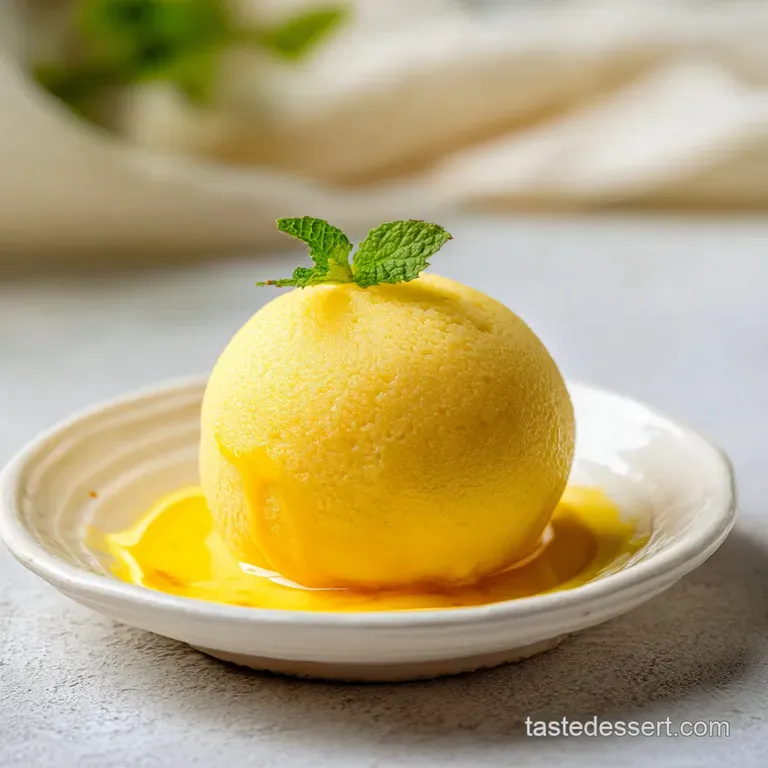
- Time: Active 10 minutes, Passive 20 minutes, Total 30 minutes
- Flavor/Texture Hook: Velvety vanilla cream with spongy milk solids
- Perfect for: Impressing last minute guests or festive gatherings
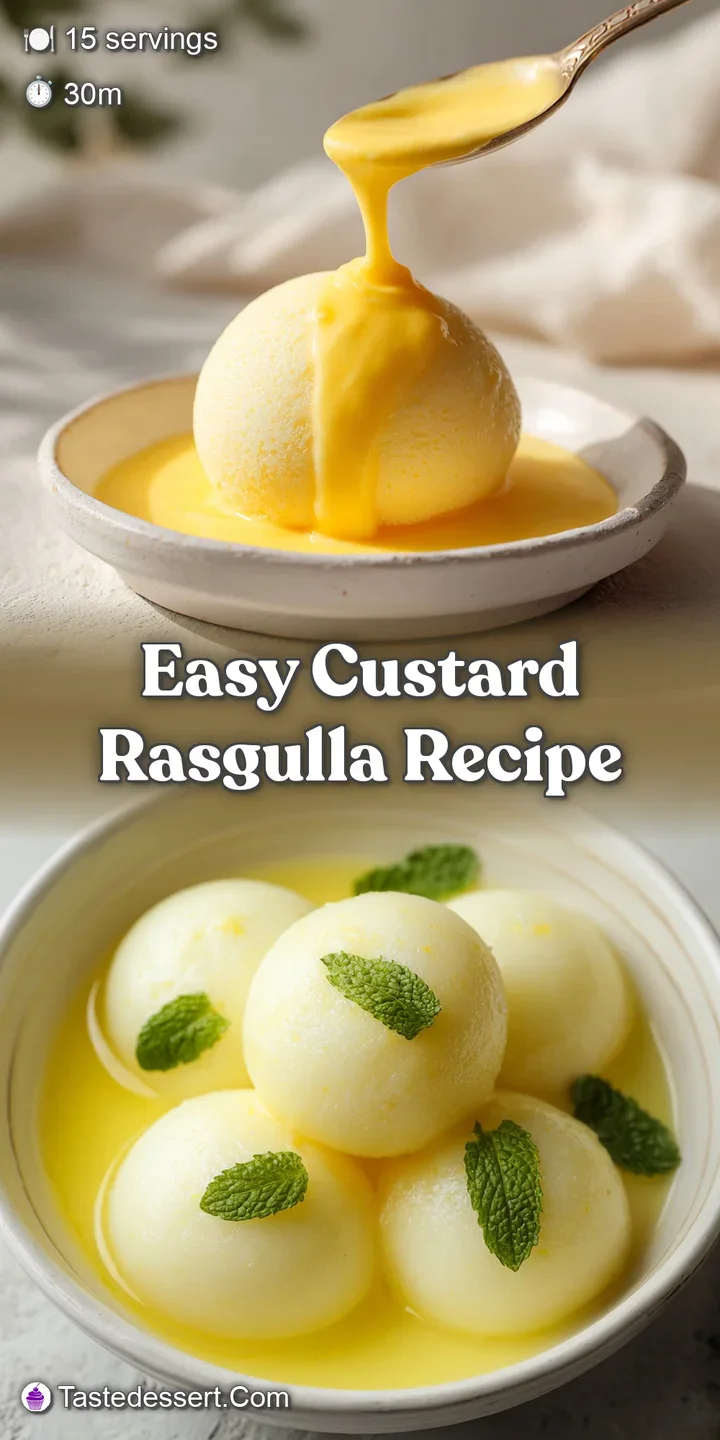
- Transforming Store-bought Sweets into Velvety Custard Rasgulla
- The Science of Milk Thickening
- Comparing Cooking Methods for Best Texture
- Component Analysis for Peak Creaminess
- Essential Ingredients for Success
- Minimal Tools for Easy Prep
- Step-by-Step Culinary Magic
- Solving Common Custard Mishaps
- Easy Swaps for Every Pantry
- Adjusting the Batch Size
- Debunking Common Kitchen Myths
- Keeping Your Dessert Fresh
- Presentation Tips for Impact
- Recipe FAQs
- 📝 Recipe Card
Transforming store-bought Sweets into Velvety Custard Rasgulla
Imagine walking into a kitchen where the floral scent of crushed cardamom meets the comforting, nostalgic aroma of warm vanilla. That was my Tuesday night after a failed attempt at making traditional rasmalai from scratch.
I had a tin of rasgullas sitting in the pantry and a craving that wouldn't quit, so I decided to pivot.
I remember the first time I saw someone pour yellow custard over these snowy white dumplings at a family potluck. I was skeptical, thinking it would be too thick or cloying. But one bite of that spongy, milk soaked center mixed with the silky sauce changed everything.
It wasn't just a shortcut; it was a total upgrade that felt lighter and more modern than the original.
This recipe is about that exact balance. We are taking the heavy, sugar laden syrup out and replacing it with a light, chilled custard infused with saffron. It is the kind of dish that makes people ask for the recipe before they've even finished their first bowl.
You get all the credit for a "fancy" dessert with about ten minutes of actual stovetop work.
The Science of Milk Thickening
Starch Gelatinization: Custard powder contains cornstarch, which swells and traps liquid when heated to about 175°F, creating a stable, silky network.
Osmotic Displacement: Squeezing the rasgullas creates tiny empty pockets within the milk solids, allowing the flavored custard to rush in and fill the void.
Comparing Cooking Methods for Best Texture
| Method | Time | Texture | Best For |
|---|---|---|---|
| Stovetop | 20 minutes | Super silky, no lumps | Maximum control and flavor |
| Microwave | 8 minutes | Slightly thicker, fast | Quick late night cravings |
| Instant Pot | 12 minutes | Very consistent heat | Making large batches easily |
While the microwave is tempting for a quick fix, the stovetop method allows you to whisk constantly, ensuring that the vanilla base doesn't develop a skin or scorch at the bottom. It is similar to the patience needed for a Custard Gulab Jamun recipe where steady heat is your best friend.
Component Analysis for Peak Creaminess
| Component | Science Role | Pro Secret |
|---|---|---|
| Whole Milk | Provides the fat base for a rich mouthfeel. | Use full fat for the most velvety finish. |
| Custard Powder | Acts as a thickener and flavoring agent. | Dissolve in cold milk first to prevent lumps. |
| Rasgullas | Absorbs the liquid like a culinary sponge. | Rinse in warm water to remove tinny flavors. |
Essential Ingredients for Success
- 500 ml whole milk: The foundation of the sauce. Why this? Fat carries the saffron and vanilla flavors better than skim milk.
- 2.5 tbsp vanilla flavored custard powder: For thickening. Why this? Provides that classic yellow hue and nostalgic aroma.
- 0.25 cup granulated sugar: Adjust based on the sweetness of the rasgullas.
- 0.5 tsp green cardamom powder: For an authentic floral note.
- 1 pinch saffron strands: Adds a golden tint and earthy depth.
- 15 medium rasgullas: The star of the show. Why this? store-bought tins work best for this quick application.
- 1 tbsp slivered pistachios: For a necessary crunch.
- 1 tbsp chopped almonds: Adds texture to the silky sauce.
Minimal Tools for Easy Prep
You really don't need much to pull this off. A heavy bottomed saucepan is vital to prevent the milk from burning, and a balloon whisk is better than a spoon for keeping the custard smooth. I also like to use a small bowl to pre mix the slurry so I am not chasing lumps around the big pot later.
step-by-step Culinary Magic
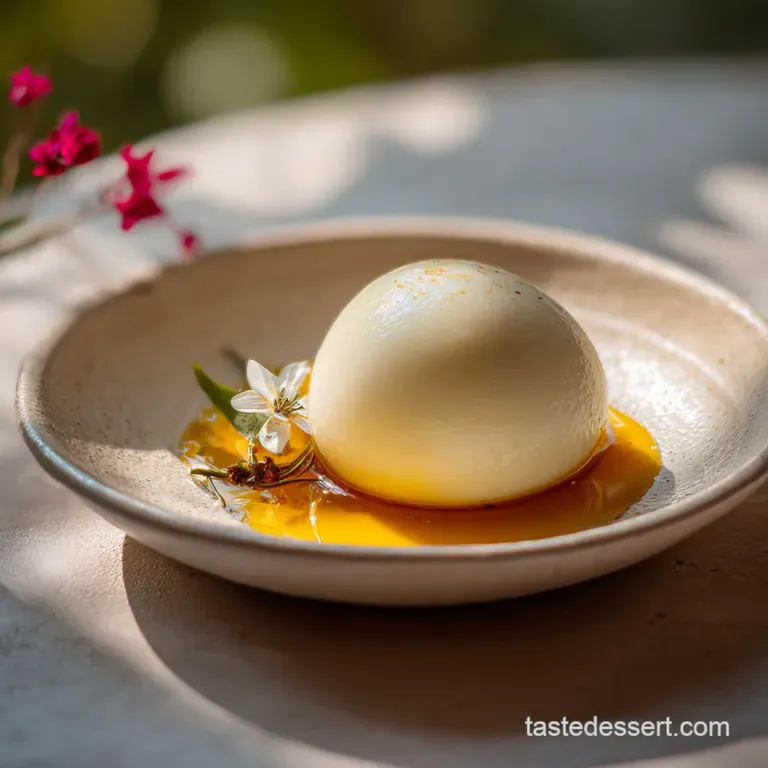
- Prepare the rasgullas. Take 15 medium rasgullas and gently squeeze each one between your palms to remove the sugar syrup. Note: Don't press so hard that they tear or lose their shape.
- Rinse the balls. Place them in a bowl of lukewarm water for 2 minutes, then squeeze again to ensure the old syrup is gone.
- Start the milk. Pour 500 ml whole milk into a saucepan and bring it to a gentle simmer over medium heat.
- Create the slurry. In a separate small cup, mix 2.5 tbsp vanilla flavored custard powder with 2 tablespoons of cold milk until smooth.
- Sweeten the pot. Add 0.25 cup granulated sugar, 0.5 tsp green cardamom powder, and 1 pinch saffron strands to the simmering milk.
- Thicken the base. Slowly pour the custard slurry into the saucepan while whisking until the mixture coats the back of a spoon.
- Combine the elements. Drop the squeezed rasgullas into the hot custard and simmer for 2 minutes until they look plump and hydrated.
- Add the crunch. Stir in 1 tbsp slivered pistachios and 1 tbsp chopped almonds.
- Cool it down. Transfer to a glass bowl and let it reach room temperature before chilling in the fridge.
- Final chill. Refrigerate for at least 2 hours until the custard sets into a velvety cream.
Solving Common Custard Mishaps
Why Is My Custard Lumpy?
If you add the powder directly to hot milk, the outer starches cook instantly, forming a waterproof shell around a dry center. Always make a cold slurry first to ensure every starch granule is hydrated before it hits the heat.
| Problem | Root Cause | Solution |
|---|---|---|
| Thin Sauce | Not enough starch or heat | Simmer for 2 extra minutes to activate starch. |
| Scortched Milk | Heat was too high | Use a heavy pan and whisk the bottom constantly. |
| Tough Rasgullas | Squeezed too dry | Soak in warm water for 5 minutes before adding. |
Common Mistakes Checklist
- ✓ Never skip the cold milk slurry (this is the only way to avoid lumps).
- ✓ Squeeze the rasgullas twice to ensure they can actually absorb the custard.
- ✓ Keep the heat on medium low; boiling too hard can split the milk.
- ✓ Chill for the full 2 hours the flavor deepens significantly as it sits.
- ✓ Add nuts right before serving if you want them to stay crispy.
Easy Swaps for Every Pantry
| Original Ingredient | Substitute | Why It Works |
|---|---|---|
| Granulated Sugar | Condensed Milk (2 tbsp) | Adds extra creaminess and a caramelized flavor. |
| Custard Powder | Cornstarch + Vanilla Extract | Provides the same thickness without the yellow color. |
| Whole Milk | Evaporated Milk | Creates a much richer, "royal" version of the sauce. |
If you find yourself enjoying the process of making custard based fillings, you might also like learning the techniques in this Perfect Homemade Éclairs recipe, which uses a similar starch thickening principle for the pastry cream.
Adjusting the Batch Size
Downsizing (Half Batch): Use 250 ml milk and about 1.25 tbsp of powder. Since smaller volumes evaporate faster, reduce the simmering time by about 3 minutes to keep the sauce from becoming a paste.
Scaling Up (Double Batch): Use 1 liter of milk but only 4 tbsp of custard powder to keep it pourable. The milk will take longer to reach a simmer, so be patient and don't crank the heat to high, or you'll burn the bottom.
Debunking Common Kitchen Myths
One big myth is that you must make rasgullas from scratch for this to be "authentic." Honestly, high-quality tinned versions are often more consistent in texture for soaking up custard.
Another misconception is that "boiling longer makes it thicker" actually, over boiling can break the starch bonds, causing the custard to thin out again.
Keeping Your Dessert Fresh
Storage: Keep your custard rasgulla in an airtight glass container in the fridge for up to 3 days. The rasgullas will actually taste better on day two as they continue to soak up the vanilla and saffron.
Freezing: I don't recommend freezing this dish. The custard contains cornstarch, which can "weep" or separate when thawed, leaving you with a watery mess and grainy rasgullas.
Zero Waste: If you have leftover custard sauce but no more rasgullas, pour it over sliced bananas or use it as a dip for pound cake. If you have extra syrup from the rasgulla tin, don't toss it use it to sweeten your morning coffee or tea.
Presentation Tips for Impact
For a truly stunning look, serve these in individual glass bowls so guests can see the yellow custard contrasting with the white sweets. A tiny extra sprinkle of saffron on top right before serving makes it look like it came from a high end sweet shop.
If you want a different texture, try serving it slightly warm on a cold winter evening, though the traditional way is definitely chilled. It's all about that silky, velvety mouthfeel that makes the effort minimal as it is totally worth it. For another creamy variation, you can explore the similarities in our How to Bake Quesillo recipe which masters that smooth, egg based texture.
If You Want X, Do Y
- If you want a thicker, pudding like consistency, increase the custard powder to 3 tbsp.
- If you want a more traditional flavor, replace half the vanilla custard powder with plain cornstarch and add extra rose water.
- If you want a lower calorie version, use 2% milk and a sugar substitute, though the texture will be less velvety.
Recipe FAQs
What is a rasgulla made of?
It is made from fresh cheese curds (chhena). These curds are kneaded into a smooth dough, shaped into balls, and then cooked in a light, sugary syrup until spongy.
What is custard called in America?
It is usually called "pudding" or simply "custard." In the US, the ready-made yellow powder is often labeled as 'custard powder,' but the resulting thickened sauce is generally referred to as pudding, similar to our The Real Deal recipe.
What does rasgulla taste like when served with custard?
It tastes like a soft, sweet, milky sponge soaked in vanilla cream. The spongy texture of the rasgulla absorbs the chilled, lightly spiced custard, creating a smooth, melt-in-your mouth experience.
Is rasgulla healthy to eat?
No, it is not considered a health food due to high sugar content. Traditional rasgullas are cooked in heavy syrup, though using a lighter vanilla custard instead of syrup does reduce overall cloying sweetness.
How do I prevent the custard sauce from scorching on the bottom of the pan?
Use a heavy bottomed saucepan and whisk continuously near the bottom. Milk solids tend to settle and burn quickly when heated unevenly; constant motion ensures even heat transfer, a critical skill you also use when making sauces for dishes like our Classic Orange Tart recipe.
Is it necessary to squeeze the syrup out of the rasgullas first?
Yes, squeezing the syrup is vital for the best flavor absorption. If you skip this step, the watery, overly sweet syrup prevents the rasgulla from properly soaking up the fresh, delicate vanilla custard flavor.
Can I use low-fat milk for the custard base?
No, low-fat milk will result in a thin, watery sauce. The fat molecules in whole milk are essential carriers for the vanilla and saffron flavors, ensuring the final texture is rich and velvety, not thin.
Custard Rasgulla Shortcut Recipe
Ingredients:
Instructions:
Nutrition Facts:
| Calories | 189 kcal |
|---|---|
| Protein | 5.3 g |
| Fat | 5.1 g |
| Carbs | 31.2 g |
| Fiber | 0.7 g |
| Sugar | 26.4 g |
| Sodium | 88 mg |
