Decadent Custard French Toast Recipe

- Time: Active 10 minutes, Passive 15 minutes, Total 25 minutes
- Flavor/Texture Hook: Shattering golden exterior with a silky, custard filled interior.
- Perfect for: Slow Sunday mornings, holiday brunches, or a comforting dessert for-breakfast treat.
- Crafting the Ultimate Velvety French Toast
- Essential Stats for Success
- Layering Flavors for Deep Joy
- Measuring Your Custard Elements
- Curating Your Pantry Components
- Selecting the Right Tools
- The Art of Searing Bread
- Solving Common Texture Issues
- Variations for Creative Mornings
- Debunking Common Preparation Myths
- Preserving the Golden Slices
- Final Presentation Tips
- Recipe FAQs
- 📝 Recipe Card
Crafting the Ultimate Velvety French Toast
Imagine waking up to the gentle sizzle of butter hitting a hot skillet and the intoxicating aroma of warm cinnamon filling the air. There is something deeply nostalgic about french toast, yet most of us have suffered through versions that are either dry and bready or, worse, a soggy, limp mess.
I remember the first time I realized that this dish isn't just "soaked bread"-it is actually a delicate bread pudding that happens to be cooked on a stovetop.
The transformation from a plain slice of Brioche into a golden, pillow soft treasure is pure kitchen magic. It is about layering textures, starting with a rich, egg heavy custard and finishing with a crisp, caramelized sear.
We aren't just making breakfast here; we are building a sensory experience that feels like a warm hug on a plate.
Trust me on this: once you taste the difference that extra egg yolks and heavy cream make, you will never look back at the watery, milk based versions. We are aiming for a result that is plush, decadent, and utterly joyful. So, let’s crack some eggs and turn your kitchen into the best brunch spot in town.
Essential Stats for Success
Before we get our hands messy, let’s look at how this recipe stacks up against the shortcut methods most people use. I always tell my friends that the "art" of this dish is in the details specifically the bread and the fat content. If you use thin sandwich bread, you’re setting yourself up for heartbreak.
| Feature | This Homemade Version | Grocery Shortcut Method |
|---|---|---|
| Bread Type | 1 inch Thick Brioche | Thin White Sandwich Bread |
| Liquid Base | Heavy Cream + 6 Eggs | Skim Milk + 2 Eggs |
| Result | Custard like and stable | Saturated and mushy |
The Science of Why it Works
Protein Coagulation: The high ratio of egg yolks ensures the custard sets into a silky gel rather than a watery liquid when heated. Starch Gelatinization: The thick brioche slices act as a structural sponge, trapping the custard within its crumb without collapsing under the weight of the moisture.
Layering Flavors for Deep Joy
Creating a truly decadent french toast requires understanding how ingredients interact under heat. It isn't just about sweetness; it’s about balance. If you've ever made a Classic Homemade Éclairs recipe, you know that the secret to a great custard is the fat to protein ratio. The same logic applies here.
- Custard Density: By using 4 Egg Yolks in addition to 2 Whole Eggs, we increase the lecithin and fat content. This prevents the "sulfur" taste of overcooked whites and creates a much smoother mouthfeel.
- The Maillard Reaction: The 2 tbsp of Granulated Sugar in the custard doesn't just sweeten; it migrates to the surface during cooking, caramelizing against the hot butter to create that iconic brown crust.
- Aromatic Infusion: 1 tbsp of Pure Vanilla Extract might seem like a lot, but it is necessary to stand up to the richness of the cream.
- Salt Balance: Never skip the 1/4 tsp Fine Sea Salt. It acts as a bridge, making the cinnamon and vanilla pop while cutting through the richness of the 1 cup Heavy Cream.
Measuring Your Custard Elements
Choosing the right components is the first step in the art of the perfect breakfast. I prefer using Kerrygold Unsalted Butter for the frying stage because of its high butterfat content, which adds a nutty depth to the final sear.
| Component | Science Role | Pro Secret |
|---|---|---|
| Egg Yolks | Emulsification | Provides the "custard" texture without the rubbery whites. |
| Heavy Cream | Moisture & Fat | Prevents the bread from becoming "weepy" after cooking. |
| Brioche | Structural Matrix | High butter content in the bread mirrors the custard flavors. |
| Neutral Oil | Heat Tolerance | Keeps the butter from burning too quickly during the sear. |
Curating Your Pantry Components
For this recipe, we are using specific quantities to ensure the perfect soak for 8 thick slices. While you can use store-bought bread, I truly believe that Nothing Beats Homemade recipe for the best texture and density.
- 4 large Egg Yolks: Why this? Adds richness and a velvety texture without adding excess water from whites. (Sub: 2 extra whole eggs, but the texture will be slightly firmer)
- 2 large Whole Eggs: Why this? Provides the structural proteins needed to set the custard. (Sub: Flax eggs, though it will lack the traditional custard "bounce")
- 1 cup (240ml) Heavy Cream: Why this? Creates a luxurious mouthfeel that milk simply cannot replicate. (Sub: Full fat coconut milk for a tropical twist)
- 2 tbsp (25g) Granulated Sugar: Why this? Aids in surface caramelization and balances the salt. (Sub: Maple sugar or honey)
- 1 tbsp (15ml) Pure Vanilla Extract: Why this? Essential for that classic, sweet aroma. (Sub: Vanilla bean paste for speckled aesthetics)
- 1 tsp (2g) Ground Cinnamon: Why this? Provides warmth and depth to the flavor profile. (Sub: Freshly grated nutmeg or cardamom)
- 1/4 tsp (1.5g) Fine Sea Salt: Why this? Sharpens all the other flavors. (Sub: Kosher salt)
- 8 thick slices (1 inch) Brioche bread: Why this? Sturdy enough to soak up liquid without falling apart. (Sub: Challah or thick cut Texas toast)
- 3 tbsp (42g) Unsalted Butter: Why this? The primary flavor driver for the crispy exterior. (Sub: Ghee for a higher smoke point)
- 1 tbsp (15ml) Neutral Oil: Why this? Raises the smoke point of the butter to prevent burning. (Sub: Avocado oil)
Selecting the Right Tools
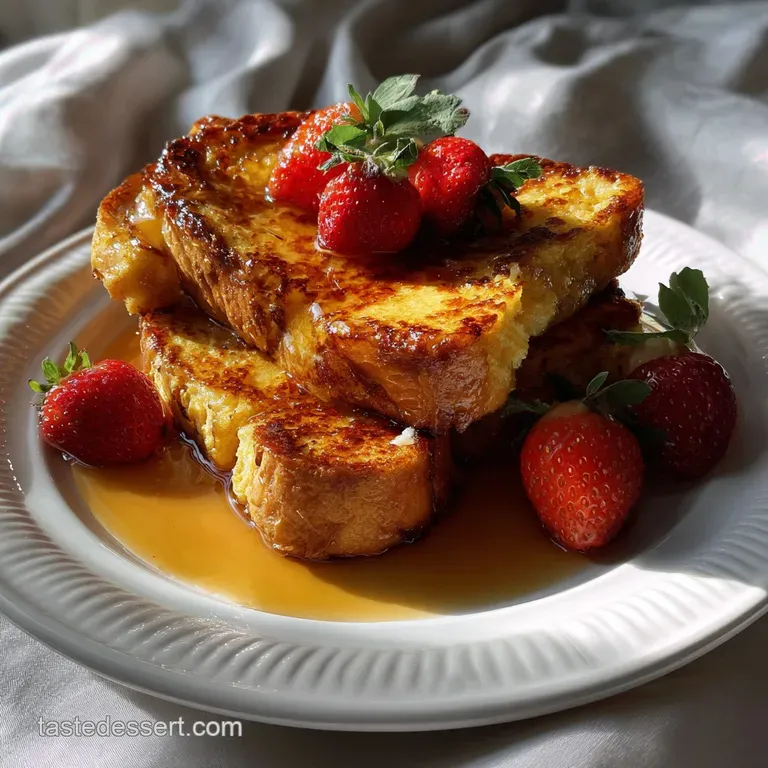
You don't need a professional kitchen, but a few specific items make a world of difference. I personally use a Lodge 12 inch Cast Iron Skillet because it holds heat beautifully, ensuring every slice gets an even, golden tan.
- Wide, Shallow Dish: A Pyrex baking dish is better than a bowl for soaking. It allows you to fit 2-3 slices at once without squishing them.
- Whisk: A sturdy stainless steel whisk is needed to fully emulsify the eggs and cream so you don't end up with "fried egg" streaks on your bread.
- Fish Spatula: This might sound odd, but a thin, flexible Mercer Culinary spatula is the best tool for flipping delicate, custard soaked bread without tearing the edges.
- Wire Cooling Rack: Placing a rack over a baking sheet is vital. It prevents the finished slices from steaming and getting soggy while you cook the remaining batches.
The Art of Searing Bread
Right then, let's crack on. This is where the transformation happens. Follow these steps closely, and pay attention to the sensory cues.
1. To Prep the Bread Base
Slice your Brioche into 1 inch thick slabs. If the bread is very fresh, place the slices on a baking sheet in a 300°F oven for about 10 minutes until the surface feels slightly dry and parched. Note: Dry bread acts like a sponge for the custard.
2. To Emulsify the Custard
In your shallow dish, whisk together the 4 egg yolks, 2 whole eggs, 1 cup heavy cream, 2 tbsp sugar, 1 tbsp vanilla, 1 tsp cinnamon, and 1/4 tsp salt. Whisk vigorously for at least 60 seconds until the mixture is a uniform, pale amber color.
3. To Soak Without Over Saturating
Place 2 slices of bread into the custard. Let them sit for exactly 2 minutes per side. You want the bread to feel heavy, but it should not be "weeping" liquid when you lift it.
4. To Prepare the Skillet
Heat your Lodge skillet over medium low heat. Add 1 tbsp of the oil and 1 tbsp of the butter. Wait for the butter to melt and the foam to subside until it smells nutty and begins to shimmer.
5. To Achieve the Golden Sear
Place the soaked slices into the pan. You should hear a gentle, consistent sizzle. Cook for 3 to 4 minutes until the bottom is a deep, mahogany brown.
6. To Finish the Flip
Carefully flip the slices. Add another half tablespoon of butter to the pan if it looks dry. Cook the second side for another 3 minutes until it feels slightly puffed and resilient to the touch.
7. To Set the Interior
If your slices are particularly thick, move them to a baking sheet and pop them in a 350°F oven for 5 minutes. This ensures the center is fully cooked and the internal temperature reaches 165°F.
8. To Repeat the Process
Wipe the skillet clean with a paper towel between batches to prevent burnt cinnamon bits from sticking to the next round. Use the remaining butter and oil as needed.
Solving Common Texture Issues
Even the most seasoned cooks run into trouble occasionally. The biggest mistake I once made was rushing the heat. If the pan is too hot, you'll burn the sugar before the egg yolks have a chance to set.
Soggy Center Fixes
If your bread is crispy outside but raw inside, your heat is likely too high. The bread needs time for the heat to penetrate the 1 inch thickness. Lower the flame and use the "oven finish" method mentioned in the instructions.
Burnt Cinnamon Streaks
Cinnamon doesn't dissolve; it suspends. If you don't whisk the custard occasionally, the cinnamon will settle at the bottom, causing the last few slices to be covered in a bitter, dark sludge. Give the custard a quick whisk before every soak.
| Problem | Cause | Fix | Pro Tip |
|---|---|---|---|
| Grey/Dull Color | Too many egg whites | Use more yolks | Add a pinch of turmeric for color |
| Soggy Bottoms | Steaming on a plate | Use a wire rack | Never stack hot slices |
| Greasy Texture | Pan wasn't hot enough | Wait for the shimmer | Test with a drop of custard first |
Variations for Creative Mornings
Once you've mastered the base, you can start playing with the "flavor layers." I love thinking of this dish as a canvas.
- For a Puff Pastry French Toast Style: Use croissant loaf instead of brioche. The laminated layers create a "shatter" effect that is absolutely incredible.
- For Easy French Toast Sticks: Slice the bread into 1 inch wide batons before soaking. These are perfect for dipping into maple syrup and make a great Brunch Entree Idea for kids.
- For a French Toast Casserole Recipe: If you're feeding a crowd, arrange the soaked slices in a buttered baking dish, pour the remaining custard over them, and bake at 350°F for 35 minutes.
Chef's Tip: To take this to a "masterclass" level, add 1/2 tsp of espresso powder to the custard. It doesn't make it taste like coffee, but it deepens the flavor of the cinnamon and vanilla significantly.
Debunking Common Preparation Myths
- Myth 1: "Fresh bread is better." This is the most common lie in the kitchen! Fresh bread contains too much moisture and will fall apart during the soak. Always use stale or oven dried bread.
- Myth 2: "The longer the soak, the better." If you soak brioche for 10 minutes, it will turn into mush. 2 minutes per side is the "sweet spot" for 1 inch thick slices.
- Myth 3: "Milk is just as good as cream." Milk is mostly water. Water turns to steam, which creates a soggy interior. Cream is fat, which creates a velvety custard.
Preserving the Golden Slices
If you find yourself with leftovers (though that's rare in my house!), you can easily store them. Place cooled slices in an airtight container with parchment paper between them.
- Fridge: They will stay fresh for up to 3 days.
- Freezer: Wrap individual slices in plastic wrap and then foil. They last for 2 months.
- Zero Waste Tip: If you have leftover custard, don't toss it! Strain it and cook it in a small saucepan over low heat to make a quick "creme anglaise" sauce to pour over the toast. Use bread crusts or scraps to make a mini bread pudding in a ramekin.
Final Presentation Tips
Presentation is the final layer of flavor. I like to dust my slices with a light snowfall of powdered sugar and top them with a generous knob of salted butter. For a savory sweet contrast later in the day, this richness pairs surprisingly well after a light bowl of Potato Leek Soup Recipe.
Decision Shortcut: If you want a crispy crunch, sprinkle a little extra granulated sugar directly onto the wet bread just before it hits the pan. If you want a boozy brunch, add 1 tbsp of Grand Marnier or Bourbon to the custard.
If you want maximum fluff, whisk the egg whites separately to soft peaks and fold them into the cream and yolks last.
Enjoy the process, lean into the aromas, and remember: the best french toast is the one shared with people you love. Let the joy of this transformation brighten your morning!

Recipe FAQs
How to make french toast?
The core method involves soaking thick bread in a rich custard and searing it in butter. A truly great version requires heavy cream and extra egg yolks to achieve a velvety, crème brûlée-like interior that sets perfectly when cooked on medium low heat.
How to make french toast easy?
Yes, you can simplify the soak time and use store-bought challah or brioche. Keep the custard ingredients simple (milk, eggs, sugar, spice) and ensure your skillet is properly preheated to minimize active cooking time.
How to make french toast without eggs?
It is possible, but the texture will be distinctly different. Use a thick slurry made from plant based milk (like oat or cashew) mixed with cornstarch or mashed banana to provide binding and moisture retention.
How to make french toast sticks?
Cut the bread into 1 inch wide batons before soaking and cooking. These cook faster than full slices, so watch them closely to prevent burning the edges before the center is heated through.
How to make french toast without milk?
Yes, heavy cream is highly recommended as a replacement for milk. Substituting milk with heavy cream drastically improves the final texture by increasing the fat content, which creates a richer custard that resists becoming soggy.
What is the best bread to use for French Toast?
Thick cut brioche or challah is ideal due to their high fat content and dense crumb. This structure absorbs the custard without disintegrating, ensuring you get that perfect set interior. If you want to bake your own structure, master dough handling techniques first, similar to the process required for our Homemade Stuffing Recipe: Classic Sage and Thyme Bread Stuffing.
Why is my French Toast soggy in the middle?
This is usually caused by cooking on heat that is too high or not allowing enough time for the egg proteins to coagulate fully. If the outside browns instantly, the heat is searing the exterior before the center can cook; try finishing the slices in a 350°F oven for 5 minutes.
Decadent Brioche French Toast
Ingredients:
Instructions:
Nutrition Facts:
| Calories | 702 kcal |
|---|---|
| Protein | 15.2 g |
| Fat | 49.9 g |
| Carbs | 52.7 g |
| Fiber | 1.8 g |
| Sugar | 16.4 g |
| Sodium | 385 mg |
