Crock Pot Rump Roast: Fall-Apart Tender Beef Recipe
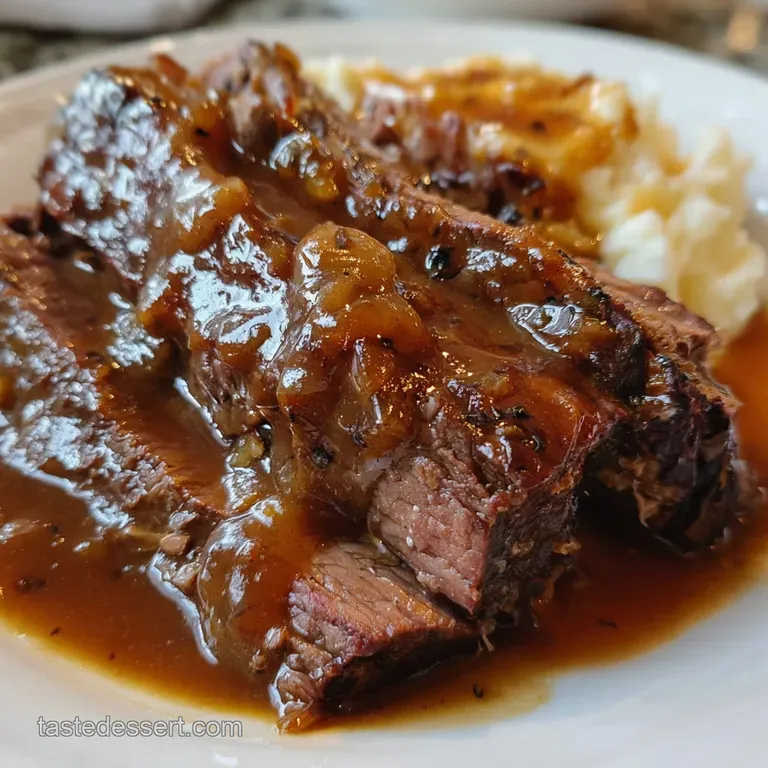
- Welcome to the Ultimate Crock Pot Rump Roast Recipe
- The Science of Slow Cooking: Tenderizing Lean Rump Cuts
- Essential Components for the Perfect Pot Roast
- Transforming the Roast: A Simple 4 Step Method
- Troubleshooting and Expert Tips for Tender Results
- How to Store and Reheat Leftover Pot Roast
- Classic Pairings for Your Sunday Rump Roast
- Recipe FAQs
- 📝 Recipe Card
Welcome to the Ultimate Crock Pot Rump Roast Recipe
Oh my goodness, when I say this is the recipe that saved my Sundays, I mean it. Forget fussy timing and dry cuts of meat; this method turns a relatively lean rump roast into something meltingly, impossibly tender. The aroma alone when you walk in the door after this has been simmering all day?
It is pure, savory heaven. This is the definitive, absolutely perfect Crock Pot Rump Roast that every home cook needs in their arsenal.
Seriously, if you need a meal that feeds a hungry crowd, tastes expensive, but requires about 15 minutes of actual work, you found it. It’s fast to prep, cheap to buy, and delivers maximum flavor payoff.
The slow cooker handles all the heavy lifting, tenderizing the meat until it practically disintegrates when you look at it.
I've learned a few non-negotiable tricks over the years mostly by failing spectacularly and I’m sharing them all here so you don’t make the same mistakes I did. This Crock Pot Rump Roast is a guaranteed victory.
Let’s get to the secrets of achieving fall apart meat and that rich, dark gravy.
The Science of Slow Cooking: Tenderizing Lean Rump Cuts
Rump roast is fantastic because it has great flavor, but it’s lean. Lean means low-fat, which means it can dry out fast if you cook it hot and fast. That’s why the slow cooker is the true hero for this cut.
The Magic of Slow Cooking Lean Cuts
The secret ingredient here isn't the stock or the wine; it’s time. Rump roast contains tough connective tissue (collagen), and the only way to break that down without turning the meat to shoe leather is a long, moist cooking environment below the boiling point.
The low, steady heat of the slow cooker slowly converts that tough collagen into gelatin. That gelatin is what makes your Crock Pot Rump Roast juicy and fork tender.
Achieving Flavor Depth Without the Fuss
Many people just dump everything into the pot and hit "Start." We are not those people. We use a quick sear and a proper deglazing technique. This two-step flavor punch builds a rich, dark crust on the meat (the Maillard reaction) and captures all those caramelized bits in the pan to create a complex, delicious gravy base.
It’s what separates a "good" Crock Pot Rump Roast from an absolutely mind blowing one.
What Makes This Rump Roast Recipe a Classic?
This specific Crock Pot Rump Roast template relies on foundational flavor builders: onions, carrots, celery, garlic, and a splash of wine (or vinegar substitute) for acidity.
These aromatics break down during the 8 hour cook time, infusing the meat deeply and creating a savory foundation that is unbeatable. It’s the pot roast template your grandma used, just streamlined for your modern slow cooker.
Low and Slow: Breaking Down Connective Tissue
Trust me, you need to cook this on low if you can spare the time. While the high setting works in a pinch, cooking the Crock Pot Rump Roast for a minimum of seven hours on low ensures the collagen fully dissolves into gelatin.
If you rush it, the meat won’t have reached that magical transformation point and will feel tough or chewy.
The Importance of the Initial Sear (The Maillard Reaction)
I know, you're trying to use the crock pot to avoid using the stove. I get it! But please, please, please do not skip the sear. That deep brown crust adds layers of nutty, roasted flavor that you simply cannot replicate inside the slow cooker.
Searing locks in flavor, not moisture, and is essential for developing the true depth of your Crock Pot Rump Roast .
Creating the Perfect Pan Gravy Base
The liquid left in the pot after hours of cooking is liquid gold. It's concentrated flavor. We don't just dump it out! We strain it, reduce it, and thicken it using a simple beurre manié (butter and flour paste) to create a rich, velvety gravy.
This gravy is the crowning glory of this Crock Pot Rump Roast recipe.
Essential Components for the Perfect Pot Roast
You only need a few simple ingredients, but sourcing good quality stock is vital since it becomes your sauce.
Choosing the Right Rump Roast Cut
We are focusing specifically on the rump roast here, which is a lean cut from the rear of the animal. If you can’t find rump, or you want a slightly fattier, more forgiving cut, substitute with chuck roast.
Chuck roast has more marbling and is inherently easier to get tender, though this Crock Pot Rump Roast method makes the leaner rump cut just as easy.
Must Have Aromatics and Liquids for Flavor
| Ingredient | Role | Substitution |
|---|---|---|
| Rump Roast | Lean, flavorful main protein | Chuck Roast or Bottom Round |
| Red Wine (Dry) | Acidity, deglazing | 1 cup extra stock + 2 Tbsp Balsamic Vinegar |
| Beef Stock (Low Sodium) | Braising liquid, gravy base | Beef Bone Broth or even just water if necessary (but flavor suffers) |
| Fresh Herbs (Thyme/Rosemary) | Deep, savory aroma | Use 1 tsp dried thyme and 1/2 tsp dried rosemary |
| Worcestershire Sauce | Umami depth | Soy sauce or coconut aminos |
Seasoning Strategy: Salt, Pepper, and Beyond
You need to season the meat before searing, and season the finished gravy after reduction. This two-step process ensures maximum flavor penetration.
I use standard kosher salt and black pepper for the initial rub, along with a little flour dusting to help the sear develop. Don't be shy with the salt upfront; a large Crock Pot Rump Roast can handle it.
Ingredient Swaps for Dietary Needs
Making your Crock Pot Rump Roast work for dietary restrictions is simple. If you need it gluten-free, substitute the initial flour dust with a quick rub of rice flour.
For the final gravy thickening, skip the flour/butter paste and use a cornstarch slurry instead (mix 1 tablespoon cornstarch with 2 tablespoons cold water and whisk into the boiling liquid).
Transforming the Roast: A Simple 4 Step Method
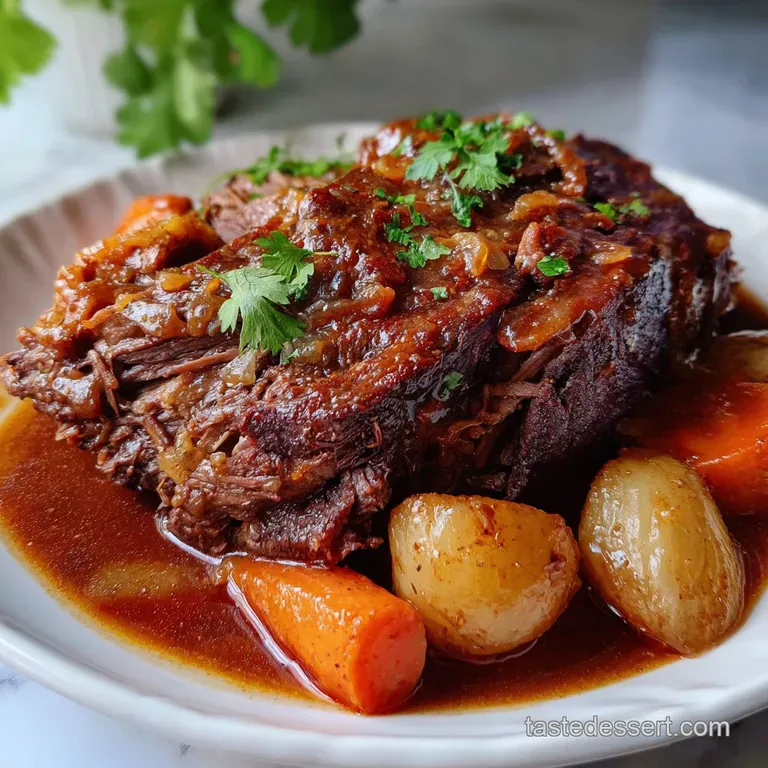
This is my tried and true method for getting a perfect, fork tender result every time.
Step 1: Preparing the Rump Roast and Initial Searing
First, pat that meat dry! Use paper towels until it feels almost sticky. Generously season with salt and pepper, and then lightly dredge the Crock Pot Rump Roast in the 2 tablespoons of flour. Heat your oil in a heavy bottomed skillet until it shimmers (almost smoking).
Sear the roast for about 2– 3 minutes per side. You want a dark, deep crust. Set the roast aside. Then, add your onions, carrots, and celery to the same pan. Sauté them until the onions soften, adding the garlic at the very end.
Step 2: Assembling the Slow Cooker Components
Now for the flavor foundation! Pour the red wine (if using) into the skillet, scraping up every single browned bit stuck to the bottom. That residue, called fond , is pure flavor and will make your gravy incredible. Stir in the stock, Worcestershire, and tomato purée, bringing it to a simmer.
Pour this liquid mixture and all the sautéed vegetables directly into the crock pot. Place the seared Crock Pot Rump Roast on top of the vegetables and tuck in the fresh herbs and bay leaf. The liquid should cover about two-thirds of the meat.
Step 3: Setting the Cook Time and Temperature
Cover the crock pot tightly. This is critical: Cook your Crock Pot Rump Roast on the LOW setting for 7 to 8 hours .
If you absolutely must use high, limit the cook time to 4 5 hours, but be warned, the texture will be slightly less tender. The meat is done when it shreds easily with two forks and doesn't offer any resistance.
Step 4: Resting, Slicing, and Finishing the Gravy
When the roast is done, gently lift it out and place it on a carving board. Cover it loosely with foil and let it rest for 15 minutes. This step is mandatory! While it rests, strain the cooking liquid through a sieve into a saucepan, discarding the spent vegetables and herbs.
To make the gravy, bring the strained liquid to a boil. In a separate bowl, mash the butter and flour together to make a beurre manié . Whisk small pieces of the paste into the boiling liquid until the gravy thickens to your liking.
Slice or shred the rested Crock Pot Rump Roast and smother it in that amazing gravy.
Troubleshooting and Expert Tips for Tender Results
I have made almost every mistake in the book, so you don't have to. Pay attention to these three points for guaranteed success.
Why Your Roast Might Be Dry (And How to Fix It)
If your Crock Pot Rump Roast is tough or dry, there are usually two culprits. First, you might have rushed the cook time or used the High setting when you really needed the Low setting. You need those full 7– 8 hours for the collagen breakdown.
Second, you might have cut the meat too soon. That resting period is non-negotiable for meat moisture. If you start cutting the moment it leaves the heat, all those delicious juices run right out, leaving you with dry meat and sad gravy.
The Crucial Step of Resting the Meat
I once sliced a roast immediately because I was starving and guests were waiting. I lost half the flavor (and all the tenderness) right there on the cutting board. When meat rests, the muscle fibers, which tightened up during cooking, relax and reabsorb the internal juices.
Giving your Crock Pot Rump Roast just 15 minutes of rest ensures maximum tenderness and juiciness when you finally carve it.
Maximizing Flavor with Deglazing the Pan
We already covered the sear, but the deglazing step (adding liquid to the hot pan after searing) is just as important. All those crispy, dark brown bits (the fond ) hold concentrated savory flavor. Make sure you scrape them up completely and include them in your slow cooker liquid. This simple action elevates the entire Crock Pot Rump Roast dinner, especially the gravy. It's similar to the searing methods I use when preparing a lean cut like my Eye of Round Roast: The No-Fail Tender Medium Rare Method .
How to Store and Reheat Leftover Pot Roast
The great thing about this meal is that leftovers are often even better the next day once the flavors fully meld. Planning for leftovers is just smart cooking, especially with this easy Crock Pot Rump Roast .
Refrigeration Guidelines for Cooked Beef
Store sliced or shredded Crock Pot Rump Roast and the gravy separately in airtight containers. If you store the gravy with the meat, the meat will stay much moister. It will happily keep in the refrigerator for 3 to 4 days.
If I'm planning to make pulled Crock Pot Rump Roast sandwiches, I usually shred it immediately after cooling and mix it directly into a small amount of the gravy before chilling.
Best Practices for Freezing the Roast and Gravy
Yes, this freezes wonderfully! Freeze the shredded or sliced Crock Pot Rump Roast and the gravy in separate freezer safe bags or containers. Squeeze out all the excess air. The roast will maintain quality for 3 4 months.
When freezing, I often portion the meat and gravy together in individual servings for easy thaw and eat lunches. This is one of the best comfort food Crock Pot Rump Roast recipes for batch cooking.
Reheating Methods That Preserve Moisture
Do not microwave large slices! That's a fast track to dryness. The best way to reheat your leftover Crock Pot Rump Roast is low and slow. Place the meat in an oven safe dish with a generous amount of gravy and cover it tightly with foil.
Reheat in a 300°F (150°C) oven until warmed through, about 20 minutes. Alternatively, you can reheat gently on the stovetop in a saucepan, keeping the meat completely submerged in the gravy.
Classic Pairings for Your Sunday Rump Roast
What’s a majestic Crock Pot Rump Roast without the proper entourage? Pairings are crucial for building a cohesive, cozy meal.
Serving Suggestions for Ultimate Comfort
- Creamy Mashed Potatoes: Mandatory! They are the perfect vehicle for that luxurious gravy.
- Roasted Root Vegetables: If you didn't include potatoes in the crock pot, serve a side of crispy roasted carrots and parsnips.
- Crusty Bread: Essential for sopping up every last drop of the rich sauce.
If you’re looking for a non-starchy side dish to serve with this delicious Crock Pot Rump Roast , try my Anasazi Beans Recipe: Rich Smoky Comfort Food Pot — it offers a fantastic contrasting texture and smoky depth. Alternatively, if you are looking for more quick Crock Pot Rump Roast dinner ideas, shred the leftover meat, mix it with BBQ sauce, and serve it on toasted brioche buns. This makes perfect Crock Pot Rump Roast tacos or sandwiches for lunch the next day. This versatile Crock Pot Rump Roast is truly a dinner legend.
Recipe FAQs
Why is my Rump Roast tough after the recommended cooking time?
Rump roast is a lean cut that relies on the slow breakdown of collagen to achieve tenderness. If the meat is tough, it simply needs more time in the crock pot, even if it has reached a safe internal temperature.
True "fall apart" tenderness is achieved through extended cooking often 8 to 10 hours on low which allows the connective tissue to completely dissolve.
Do I have to sear the roast before putting it in the slow cooker?
While technically optional, searing the roast is highly recommended for building foundational flavor. The Maillard reaction creates a deep, caramelized crust which adds complexity and richness to the final pan gravy.
Skipping this crucial step will result in a less robust flavor profile, though the roast will still cook through and be tender.
My cooking liquid is watery; how do I thicken the pan gravy?
The slow cooking process naturally releases a lot of moisture, often resulting in thin liquid. To thicken the gravy, first strain the liquid into a saucepan and bring it to a simmer.
Mix 1 tablespoon of cornstarch with 2 tablespoons of cold water (a slurry), then whisk this mixture into the simmering liquid until the gravy reaches your desired consistency.
Can I use a different cut of beef instead of Rump Roast?
Yes, you can substitute the rump roast, but ensure you select a cut that benefits from long, slow cooking. Chuck roast (often labeled as pot roast) is the ideal alternative, as its higher fat content guarantees moisture.
Avoid leaner cuts like Sirloin or Tenderloin, as they will dry out or become stringy during the lengthy slow cooking process required for this recipe.
How long can I safely keep the cooked roast warm in the crock pot?
Once the rump roast is fully cooked, it can safely remain on the "Keep Warm" setting for up to four hours.
Always verify that your slow cooker maintains a temperature above 140°F (60°C) when using this setting to inhibit bacterial growth and maintain food safety standards.
Can I freeze leftover Crock Pot Rump Roast?
Absolutely; cooked rump roast freezes exceptionally well, making it excellent for meal prepping. For best results, shred or slice the meat and store it tightly sealed with a generous amount of the cooking liquid or gravy.
This added liquid prevents the meat from drying out during the freezing and thawing process; aim to consume the frozen meat within three months.
How can I add subtle smoky flavor to the roast?
To infuse a gentle smoky flavor, you can either add 1 teaspoon of liquid smoke alongside the broth before cooking, or substitute regular paprika with smoked paprika in your seasoning blend.
Alternatively, if you have smoked beef stock available, using that in place of standard beef broth will deepen the flavor profile considerably.
Easy Crock Pot Rump Roast
Ingredients:
Instructions:
Nutrition Facts:
| Calories | 450 calories |
|---|---|
| Fat | 20 g |
| Fiber | 2.5 g |
