Au Jus: Rich Natural Beef Dipping Sauce
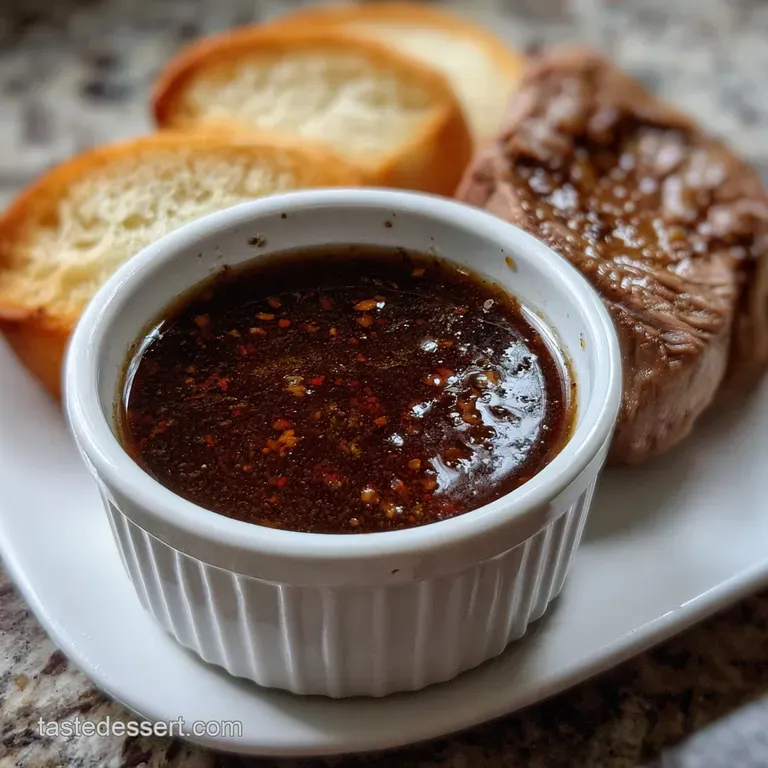
- The Effortless Au Jus: Rich & Natural Beef Dipping Sauce
- What Exactly Is Au Jus? Defining the Classic Beef Dipping Sauce
- Essential Ingredients for Authentic Homemade Au Jus
- Step-by-Step Method: Making Rich, Restaurant-Quality Au Jus
- Expert Tips, Tricks, and Common Mistakes to Avoid
- Storage and Reheating Techniques
- Perfect Pairings and Serving Suggestions
- Recipe FAQs
- 📝 Recipe Card
The Effortless Au Jus: Rich & Natural Beef Dipping Sauce
Oh my gosh, I need to tell you about the secret weapon for any amazing roast. We’re not talking about some heavy, flour thickened sludge. I am talking about pure, unadulterated flavor concentrate: the perfect, shimmering Au Jus .
The moment those rich, savory aromas hit the air, you know you’re about to achieve restaurant level deliciousness, and honestly, making this ultimate Au Jus is so much easier than you think.
For years, I made pan sauces that were just fine . But they lacked that clear, intense, buttery richness that defines a proper Au Jus . This recipe delivers that beautiful depth using nothing but reduction, high-quality stock, and the essential bits scraped from your roasting pan.
You can literally create the best dipping sauce of your life in under 25 minutes.
I finally perfected my technique for the ultimate, clear au jus recipe easy . Forget the stress; this method guarantees maximum flavor concentration every single time. Seriously, once you taste this homemade natural beef dipping sauce, you’ll never look at store-bought junk again.
This is pure flavor gold, ready for your French dip sandwich or prime rib.
What Exactly Is Au Jus? Defining the Classic Beef Dipping Sauce
The term Au Jus literally means "with juice." But don't let the simplicity fool you. It’s a very specific type of sauce. True Au Jus is defined by its clarity and its light, liquid consistency it captures the essence of the meat drippings without the addition of any thickening agents like roux (flour and fat) or cornstarch.
The Flavor Science: How Au Jus Differs from Traditional Gravy
The key difference comes down to texture and concentration. Gravy is opaque and thick, meant to coat whatever it touches. Au Jus , however, is thin, clear, and intensely flavored. It's meant to enrich the meat or serve as an outstanding dipping sauce.
We concentrate the flavor primarily through intense, high temperature reduction boiling away the water to leave behind only the savory solids. That concentration gives us the purest beef flavor possible.
When to Choose Au Jus vs. Heavy Pan Gravy
I choose Au Jus when I want the star of the plate (the roast beef, the sandwich) to shine, but still need that deep, savory anchor. If I’m making mashed potatoes, I might want a traditional, thick, opaque gravy. But if I am serving a flawless prime rib or crusty French Dip sandwiches?
It must be Au Jus .
Essential Ingredients for Authentic Homemade Au Jus
The quality of your ingredients matters here more than almost any other recipe. Since this Au Jus is primarily liquid, garbage stock will give you a garbage sauce.
| Ingredient | Role in Au Jus | Substitute/Variation Tip |
|---|---|---|
| high-quality Beef Stock (Low Sodium) | The structural backbone. | Substitute with rich beef bone broth. Avoid weak, high sodium broths. |
| Roast Drippings/Fond | The absolute flavor driver. | If you don't have drippings, brown a tablespoon of high-quality beef suet or butter before deglazing. |
| Dry Red Wine (e.g., Cabernet) | Deglazing agent, adds acid complexity. | Substitute with 1/2 cup extra stock and 1 tsp balsamic vinegar. |
| Shallot, finely minced (Optional) | A subtle aromatic base. | Substitute with 1/2 small onion, but strain thoroughly. Omit for the purest jus recipe easy. |
| Worcestershire Sauce | Umami boost and color. | Substitute with a few dashes of soy sauce or mushroom powder. |
Pro Tip: If you want to dive deep into achieving that perfectly transparent, deeply flavored sauce, I wrote a whole article on the French technique for maximum clarity: Au Jus: The Butchers Secret to Rich, Clarified Beef Sauce .
step-by-step Method: Making Rich, Restaurant Quality Au Jus
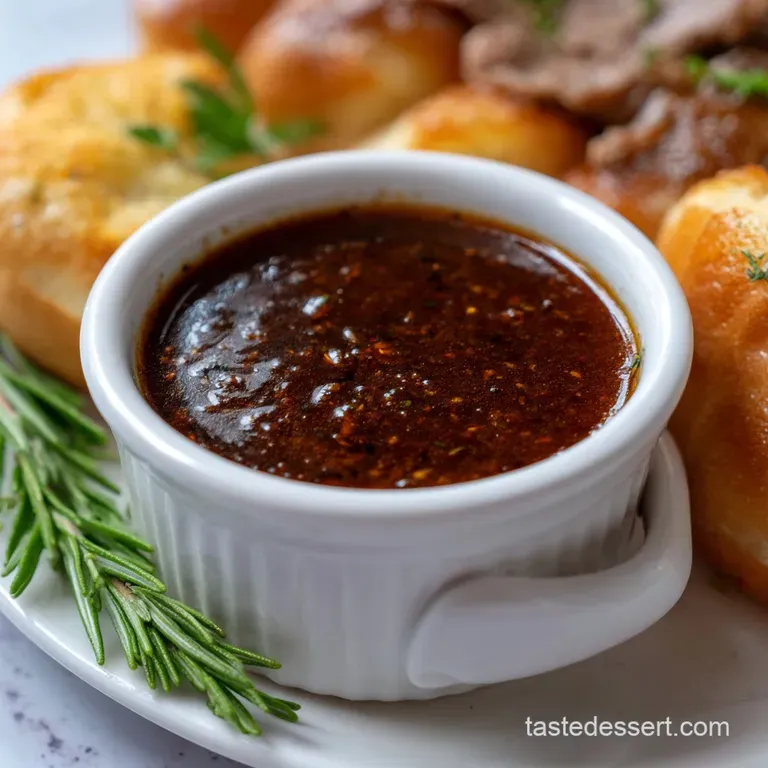
This method hinges on building layers of flavor before concentrating them down. Get ready to smell something incredible!
Sauté the Aromatics: In your medium saucepan, melt the butter (or beef drippings) over medium heat. Add the finely minced shallot. Cook slowly until the shallots are translucent and soft, about 3 minutes. We want sweet and nutty, not browned or burnt.
Deglaze and Scrape: Pour in the red wine (if using) and bring it to a rapid simmer. Grab your wooden spoon and scrape every single brown bit (the fond ) from the bottom of the pan. This is non-negotiable!
The fond is where the complexity lives. Reduce the wine until it’s almost entirely evaporated it should look syrupy, maybe 2 to 3 minutes.
Build the Sauce Base: Pour in the 4 cups of high-quality beef stock. Add the roasted beef drippings, Worcestershire sauce, and the thyme sprigs. Bring everything to a gentle, steady boil.
Reduce and Concentrate: Lower the heat to maintain a simmer. You need to let this Au Jus cook uncovered for 10 to 15 minutes, allowing the liquid to reduce by about one-third.
As the liquid evaporates, the flavors concentrate that’s the magic! When ready, the sauce should coat the back of a spoon very lightly.
Strain for Clarity: Remove the pan from the heat. Fish out the thyme sprigs. Now, pour the Au Jus through a fine mesh sieve into a clean bowl. This step removes all the aromatics and tiny solids, guaranteeing that beautiful, clear appearance.
Final Seasoning Check: Taste the strained liquid. Remember, reduction concentrates saltiness, so only now should you add kosher salt and freshly ground black pepper to taste.
If there is visible fat floating on top (especially if you used lots of drippings), use a fat separator or a spoon to skim it off before serving. Serve your perfect Au Jus piping hot.
Expert Tips, Tricks, and Common Mistakes to Avoid
The difference between great Au Jus and a disappointing pan sauce usually comes down to three things: quality, clarity, and seasoning.
Achieving the Perfect Consistency and Clarity
A truly authentic Au Jus is never thick. If you feel compelled to thicken it, you are actually moving into the territory of a demi glace or a jus lié , which is a different beast entirely. Embrace the thin, natural texture.
To ensure clarity, always strain through a fine sieve or cheesecloth after reduction.
Troubleshooting: Addressing Sauce That Is Too Salty or Too Thin
It’s too salty! This happens when you reduce low-quality stock too much. The fix? Add a splash more stock or even a few tablespoons of plain water, bring it back to a gentle simmer, and taste again. It’s too thin! You simply haven't reduced it enough.
Crank the heat just a touch and keep simmering. Wait five more minutes; you’ll see the liquid level drop and the color intensify. That deep, mahogany hue tells you the Au Jus is getting strong.
Storage and Reheating Techniques
You definitely want to make extra! This natural beef dipping sauce freezes beautifully and saves so much time later.
Proper Refrigeration and Shelf Life
Once cooled, transfer your Au Jus to an airtight container. It will keep safely in the refrigerator for 3 to 4 days. You’ll notice the layer of fat solidify on the top; that’s a good thing! It seals the sauce and protects the flavor underneath.
Freezing the Sauce Safely for Long Term Storage
I love freezing Au Jus in ice cube trays! Once frozen, pop the cubes out and transfer them to a heavy duty freezer bag. Label and date them they’ll stay fresh for up to three months. This is perfect for when you just need a little boost for gravy or a quick steak sauce.
How to Reheat Without Breaking the Sauce
Reheat gently over low heat on the stovetop. If it was frozen, you can drop the frozen cubes directly into a warm saucepan. Stir occasionally until completely melted and warmed through. Don’t boil it aggressively, or you risk the remaining fat separating and becoming greasy.
Perfect Pairings and Serving Suggestions
Yes, the classic serving is over a gorgeous standing rib roast, but the versatility of this rich Au Jus is endless!
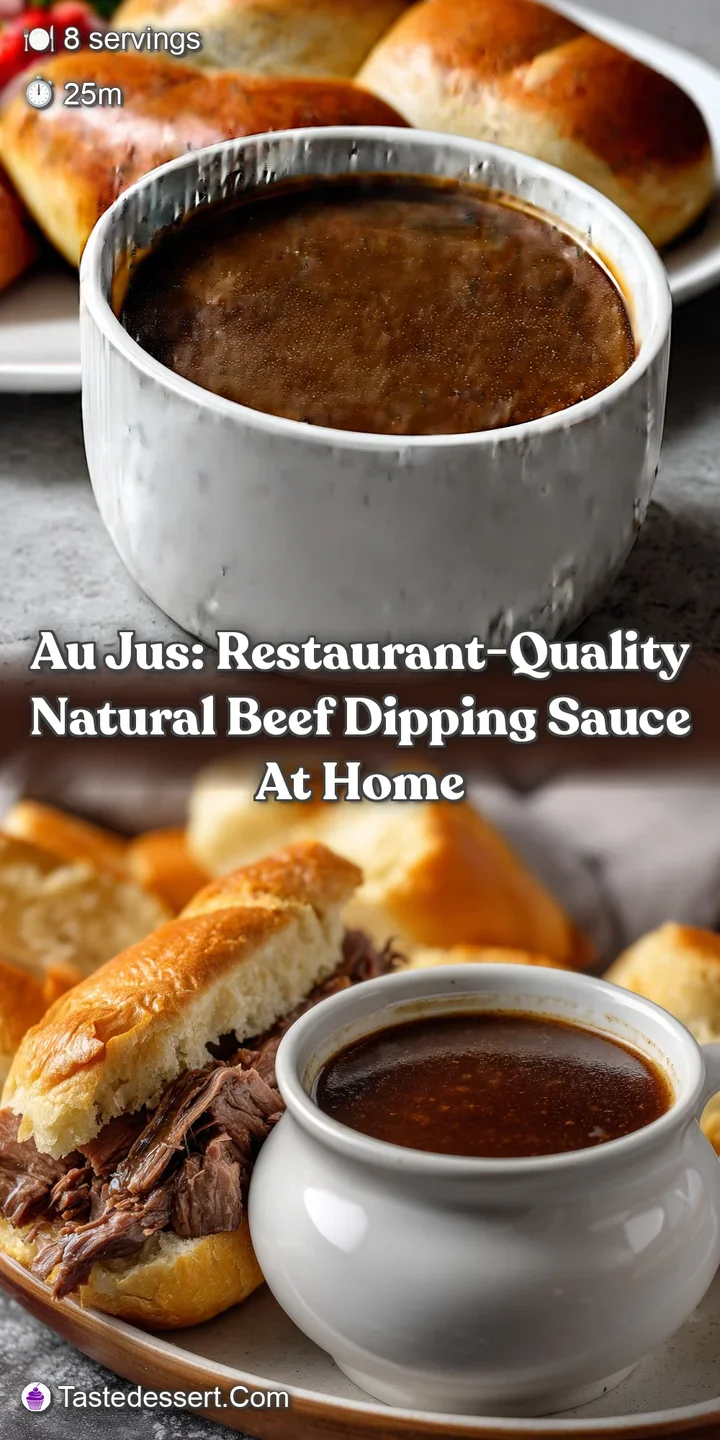
The undisputed champion pairing is the French Dip sandwich. Load up a toasted hoagie roll with shaved prime rib (or even leftover roast beef), maybe some provolone, and then serve a small bowl of hot Au Jus on the side for dipping. You will weep, I promise. If you are looking for another quick beef dinner, maybe try my recipe for Speedy Sloppy Joes Classic Comfort in just 20 Minutes — a little Au Jus mixed in that sauce can add incredible depth!
Beyond the sandwich, this is the essential sauce for Thanksgiving turkey, roast chicken, and, of course, any beef dinner. Need a slightly different, perhaps more complex jus recipe easy for your next Sunday Roast? Check out my guide for a deeper, richer version here: Rich Beef jus recipe: The Secret to a Cracking Sunday Roast . Honestly, knowing how to make a perfect Au Jus is the foundational skill every serious home cook needs.
Recipe FAQs
What is the difference between au jus and gravy?
Au jus is a thin, natural sauce made primarily from highly reduced meat juices (jus) and stock, focused entirely on intense savory flavor. Gravy, by contrast, is a thicker sauce that uses a roux (fat and flour) or cornstarch slurry for body and texture. Au jus is designed for dipping, while gravy is designed to coat.
How do I make au jus if I don't have pan drippings?
If you lack natural drippings, use a high-quality, low-sodium beef stock or bone broth as your base. Simmer the stock aggressively to reduce it by half, concentrating the flavor profile. To add richness, you can briefly sauté some finely minced shallots and a tablespoon of butter before adding the stock.
My au jus is too thin. Should I use flour to thicken it?
For authentic au jus, you should avoid flour as it compromises the pure, natural consistency of the sauce. If you want a slightly thicker body, the best method is to simply continue reducing the mixture on the stovetop until the liquid coats the back of a spoon.
Alternatively, you can introduce a small amount of a cornstarch slurry (cornstarch mixed with cold water), stirring constantly until just barely thickened.
What dishes is au jus traditionally served with?
Au jus is famously paired with roasted beef dishes where the sauce complements the meat without overpowering it. The most common uses are for dipping French dip sandwiches and accompanying elegant cuts like prime rib or slow roasted beef tenderloin. It provides moisture and a concentrated burst of beef essence.
Can I incorporate wine or herbs into the au jus recipe?
Yes, wine and herbs are excellent ways to boost the complexity of the sauce. For wine, add a small splash of dry red wine (like Merlot) to the pan drippings and scrape up any browned bits before adding the stock, reducing the wine completely.
Fresh herbs, such as sprigs of thyme or rosemary, can be simmered in the liquid and strained out just before serving.
How long can I store leftover au jus, and can I freeze it?
Store leftover au jus in an airtight container in the refrigerator for up to 3 to 4 days. Because au jus has a naturally high concentration of flavor, it freezes exceptionally well without losing quality. Freeze it in small portions or ice cube trays; it will last in the freezer for up to three months.
My au jus tastes too salty after reduction. How can I fix this?
Salty au jus usually means the original stock was high in sodium and became overly concentrated during reduction. The easiest fix is to add more liquid ideally unsalted beef stock or plain water and simmer briefly to incorporate.
You can also try balancing the flavor by adding a tiny splash of white wine vinegar or lemon juice.
Easy Homemade Au Jus Recipe
Ingredients:
Instructions:
Nutrition Facts:
| Calories | 62 kcal |
|---|---|
| Protein | 2.0 g |
| Fat | 5.8 g |
| Carbs | 0.6 g |
