Easy Peanut Butter Cookies: Tender Crumb
- Time: Active 12 minutes, Passive 10 minutes, Total 22 minutes
- Flavor/Texture Hook: Nutty, salty sweet, and tender crumbed
- Perfect for: Last minute bake sales or rainy afternoon snacks
- The Secret to Baking Truly Easy Peanut Butter Cookies
- High Yield Recipe Specs and Results
- The Science of the Sandy Crumb
- Component Analysis for Peak Texture
- Essential Pantry Staples for Success
- Tools for a Flawless Baking Experience
- Simple Methods for Best Results
- Avoiding Common Baking Mistakes Today
- Flavor Twists and Ingredient Swaps
- Keep Your Treats Fresh Longer
- Best Ways to Enjoy Cookies
- Recipe FAQs
- 📝 Recipe Card
The Secret to Baking Truly Easy Peanut Butter Cookies
The smell of toasted peanuts hitting a hot oven is probably my favorite kitchen "perfume." I remember the first time I tried making these; I was so impatient that I didn't let the butter soften properly. I ended up with chunky, uneven discs that tasted fine but looked like tiny boulders.
But when you get that butter to a cool, velvety room temperature, everything changes. The dough becomes supple, and the fork slides through like it's carving silk.
You're looking for that specific moment when the edges turn a soft tawny brown while the middle still looks slightly underdone. That's the sweet spot. If you wait until the whole cookie looks firm, you've missed the window for that tender, melt in-your mouth experience.
We want a cookie that offers a slight snap at the rim before giving way to a rich, dense interior.
Honestly, don't even bother with the "natural" peanut butter that has two inches of oil sitting on top for this specific bake. I've tried it, and the cookies just spread into a greasy puddle. We need the emulsified, creamy stuff to hold the structure.
It’s the difference between a cookie that stands tall and one that disappears into the parchment paper. Trust me, the classic shelf stable jars are your best friend here.
High Yield Recipe Specs and Results
When we talk about efficiency, this batch is a winner. You’re getting exactly 30 cookies out of a single bowl, which is just enough to fill a standard cooling rack without having to play Tetris. I usually find that using a medium cookie scoop keeps the size uniform, which is vital for even baking.
If some are huge and others are tiny, the small ones will shatter while the big ones stay raw.
I’ve had people ask if they can do these in a toaster oven or even a skillet. While the oven is the gold standard for that specific "cookie" texture, you can technically pivot if you're in a pinch.
The stovetop method is more like making a giant pancake cookie, but it works if your main oven is occupied by a roast.
| Method | Time | Texture | Best For |
|---|---|---|---|
| Standard Oven | 10 minutes | Crisp edges, soft center | Classic cookie experience |
| Toaster Oven | 12 minutes | Very crunchy exterior | Small batches (6-8 cookies) |
| Cast Iron Skillet | 18 minutes | Fudgy, dense, spoonable | Sharing a "cookie cake" |
It's worth noting that the toaster oven usually has hot spots because the elements are so close to the rack. If you go that route, rotate the pan halfway through. If you’re looking for a different vibe, you might enjoy the process behind a Proper Job Chewy recipe which leans into a different hydration level for a more elastic bite.
The Science of the Sandy Crumb
Fat Interruption: The high oil content in peanut butter coats flour proteins, preventing long gluten chains from forming. This results in a "short" crumb that crumbles beautifully rather than becoming bread like.
The Maillard Reaction: Brown sugar contains molasses, which reacts with the baking soda and heat to create deep toasted notes and a darker, caramelized color.
Bicarbonate Lift: Baking soda reacts with the acidic components in brown sugar to release carbon dioxide, creating tiny air pockets that lighten the dense peanut fat.
| Premium Ingredient | Budget Alternative | Flavor Impact | Savings |
|---|---|---|---|
| Pure Vanilla Bean Paste | Vanilla Extract | Negligible in nut heavy dough | Save $15-20 |
| Organic Valencia PB | Store Brand Creamy PB | Store brand is actually more stable | Save $3-5 |
| European Style Butter | Standard Unsalted Butter | Standard butter has less water risk | Save $2-4 |
Finding that balance between cost and quality is a game I love to play. You really don't need the fancy stuff to make these easy peanut butter cookies taste like a million bucks. The peanuts are the star, and they are naturally humble.
Component Analysis for Peak Texture
Getting the right ratio of ingredients is what separates a dry, chalky disc from a velvety treat. Each element has a specific job to do in the chemistry of the dough.
| Ingredient | Science Role | Pro Secret |
|---|---|---|
| Creamy Peanut Butter | Primary Fat & Flavor | Use a brand with stabilizers to prevent spreading. |
| Light Brown Sugar | Moisture & Chew | Pack it tight to ensure the correct molasses ratio. |
| Baking Soda | Leavening & Browning | Sift it with the flour to avoid bitter clumps. |
| Large Egg | Emulsifier & Structure | Ensure it's room temp to prevent the butter from seizing. |
Using room temperature ingredients is one of those small things that makes a massive difference. If you drop a cold egg into creamed butter, the butter will tiny clump, and you'll never get that smooth, uniform dough. If you're a fan of high fat, melt in-the mouth textures, you should definitely see how it compares to the technique in this Aunt Millies Butter recipe.
Essential Pantry Staples for Success
- 1/2 cup (113g) unsalted butter, softened: Why this? Provides a creamy base and classic dairy notes. (Sub: Salted butter, but skip the extra salt.)
- 1 cup (250g) creamy peanut butter: Why this? The backbone of the flavor and fat structure. (Sub: Crunchy peanut butter for texture.)
- 1/2 cup (100g) granulated white sugar: Why this? Creates those crisp, golden edges. (Sub: Extra brown sugar for a softer cookie.)
- 1/2 cup (100g) packed light brown sugar: Why this? Adds moisture and a hint of molasses. (Sub: Dark brown sugar for deeper flavor.)
- 1 large egg, room temperature: Why this? Binds the fats and proteins together. (Sub: 1/4 cup unsweetened applesauce.)
- 1 teaspoon pure vanilla extract: Why this? Rounds out the saltiness with floral sweetness. (Sub: Almond extract for a nutty boost.)
- 1 1/2 cups (190g) all purpose flour: Why this? Provides the structural framework. (Sub: 1:1 gluten-free baking blend.)
- 3/4 teaspoon baking soda: Why this? Helps the cookies rise and brown. (Sub: 2 tsp baking powder, but texture will change.)
- 1/2 teaspoon fine sea salt: Why this? Makes the peanut flavor pop. (Sub: Table salt, use slightly less.)
Tools for a Flawless Baking Experience
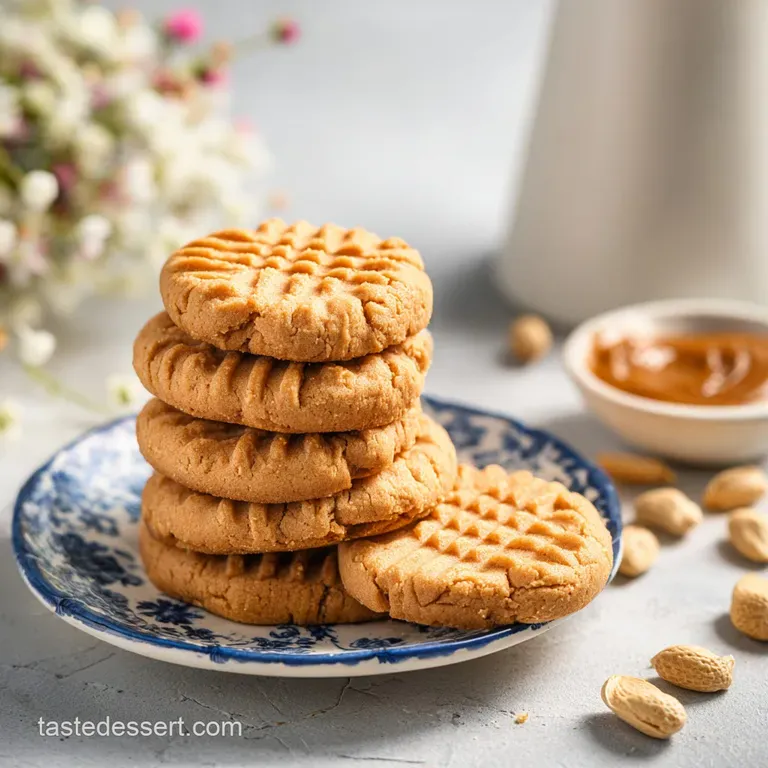
You don't need a high end lab, but a few specific tools make this "quick and easy" promise a reality. I always reach for my heavy rimmed baking sheets because they distribute heat way better than the thin, flimsy ones that warp the second they hit the rack.
A stand mixer is great, but honestly, a hand mixer or even a sturdy spatula and some elbow grease works perfectly for this dough. It's thick, but it's not "break your wrist" thick.
You’ll also want a wire cooling rack; leaving cookies on a hot pan for too long is the fastest way to turn a golden bottom into a burnt one.
Finally,, grab a small bowl for some extra sugar. Rolling the dough balls in sugar before the fork press gives them a beautiful, sparkling finish and an extra crunch that contrasts the soft middle. It’s a tiny step that makes them look professional.
Simple Methods for Best Results
- Preheat your oven to 350°F (180°C) and line two large sheets with parchment. Note: This prevents the bottoms from sticking or over browning.
- Cream the 1/2 cup softened butter, 1 cup peanut butter, and both sugars until the mixture looks pale and fluffy.
- Add the large egg and 1 teaspoon vanilla extract. Note: Beat well to ensure the egg is fully incorporated.
- Whisk the 1 1/2 cups flour, 3/4 teaspoon baking soda, and 1/2 teaspoon salt in a separate bowl.
- Gradually mix the dry ingredients into the wet until no white streaks remain.
- Scoop rounded tablespoons of dough and roll them into 1 inch balls.
- Space the balls 2 inches apart on the prepared baking sheets.
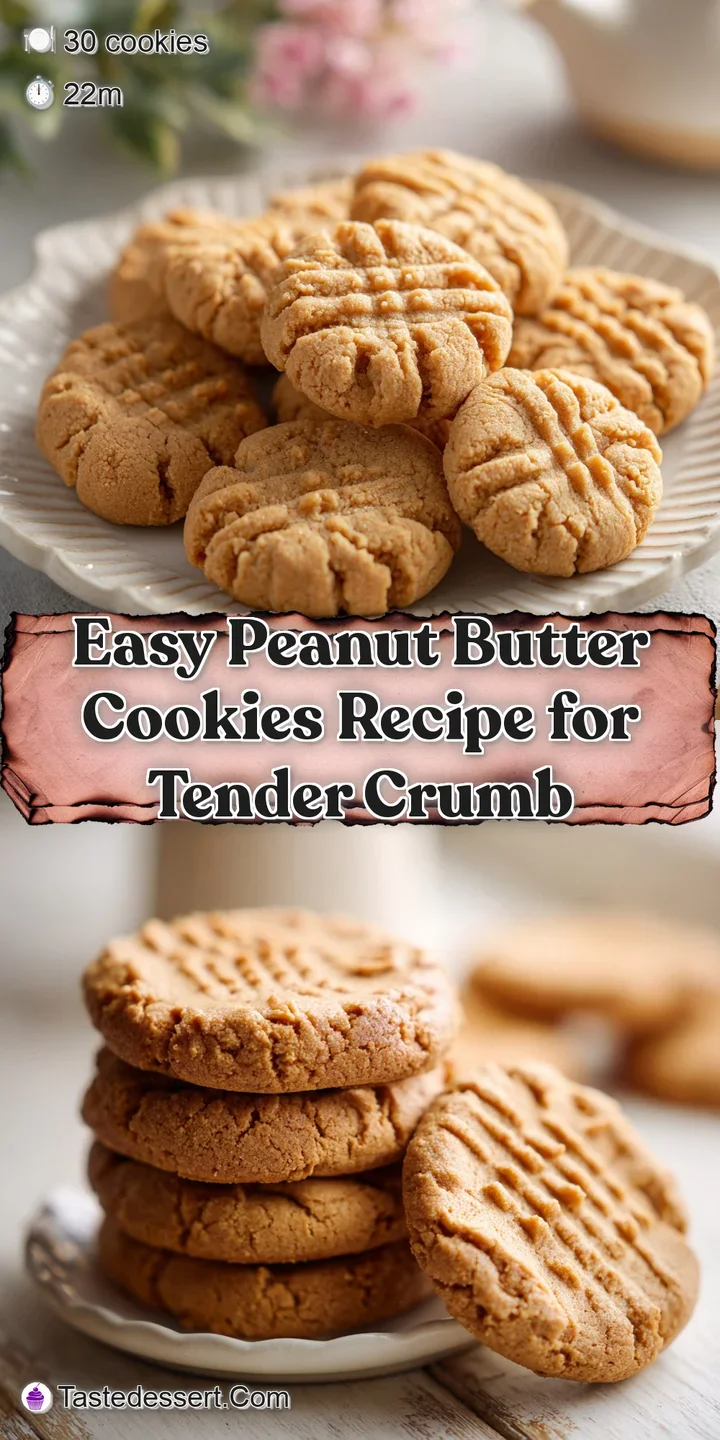
- Press a fork into each ball twice in a "criss cross" pattern until the dough is 1/2 inch thick.
- Bake for 10 minutes until the edges are set but the centers are pale.
- Cool on the pan for 5 minutes before transferring to a wire rack to firm up.
Chef's Tip: If the fork sticks to the dough while making the crosshatch, dip the tines into a little bit of granulated sugar or flour between every few cookies. It keeps the pattern clean and sharp.
Avoiding Common Baking Mistakes Today
The biggest pitfall I see is people over baking these. Because of the high sugar and fat content, these cookies continue to "cook" for several minutes after you pull them out of the oven. If they look done in the oven, they will be hard as rocks once they cool.
Trust the timer and the visual cue of the edges just barely changing color.
Why Your Cookies Spread Too Much
If your easy peanut butter cookies turn into one giant sheet cake on the pan, the butter was likely too warm or you used a "natural" style peanut butter. Natural varieties lack the stabilizers that keep the fats bound, leading to a structural collapse during the bake.
| Problem | Root Cause | Solution |
|---|---|---|
| Cookies are dry/crumbly | Too much flour used | Spoon and level flour; don't scoop from the bag. |
| Fork marks disappear | Dough is too warm | Chill the dough balls for 15 mins before pressing. |
| Bottoms are burnt | Dark baking sheet | Lower oven temp by 25°F or use parchment paper. |
- ✓ Pat the butter with a finger; it should be cool but leave an indent.
- ✓ Use a kitchen scale for the flour (190g) to avoid the "dry cookie" trap.
- ✓ Ensure your baking soda isn't expired (test a pinch in vinegar).
- ✓ Never place raw dough on a hot baking sheet from a previous batch.
- ✓ Let the cookies rest on the pan; they are too fragile to move immediately.
Flavor Twists and Ingredient Swaps
If you're feeling adventurous, you can easily turn these into easy peanut butter cookies with chocolate chips by folding in a half cup of semi sweet morsels at the very end. The chocolate and peanut butter combo is a classic for a reason it adds a velvety richness that balances the salt.
For a holiday vibe, try making easy peanut butter cookies with hershey kiss toppings. Instead of doing the fork marks, bake the round balls for about 8 minutes, pull them out, press a chocolate kiss into the center, and pop them back in for the final 2 minutes.
The heat softens the chocolate just enough so it sticks without melting into a puddle.
| Original Ingredient | Substitute | Why It Works |
|---|---|---|
| All Purpose Flour | Almond Flour (1.5 cups) | Higher fat, results in a much softer, grain free texture. |
| White Sugar | Coconut Sugar | Adds a caramel/toasted flavor. Note: Drier than white sugar. |
| Butter | Coconut Oil (Solid) | Provides a similar fat structure. Note: Adds slight coconut aroma. |
If you really love that deep, old school peanut flavor, you should check out the filling technique in the Amish Peanut Butter recipe. It's a completely different way to use these same pantry staples.
Keep Your Treats Fresh Longer
To keep that "just baked" softness, store these in an airtight container at room temperature for up to 5 days. I like to throw a single slice of white bread into the container; the cookies will actually pull moisture from the bread, staying soft for much longer. It's a weird old trick, but it works every time.
For long term storage, these freeze beautifully. You can freeze the baked cookies for up to 3 months. Just thaw them at room temperature for an hour, or pop one in the microwave for 10 seconds to get that "warm from the oven" feel.
If you have extra peanut butter, don't let it go to waste scrape the jar and use the leftovers to make a quick satay sauce or swirl it into your morning oatmeal.
Best Ways to Enjoy Cookies
These are iconic when served with a cold glass of milk, but they also make incredible ice cream sandwiches. Take two cooled cookies, put a scoop of vanilla or chocolate ice cream in the middle, and squish them together. Wrap them in plastic and freeze for an hour for a serious treat.
If you need to scale this recipe down for just yourself, it's a bit tricky because of the single egg. The best way is to crack the egg, whisk it, and then use exactly half (about 25g).
- To scale down (15 cookies): Use 1/4 cup butter, 1/2 cup PB, 1/4 cup of each sugar, half an egg, 1/2 tsp vanilla, 3/4 cup flour, and a fat pinch of soda/salt.
- To scale up (60 cookies): Double everything but keep the salt and baking soda at 1.5x the original amount to avoid a metallic aftertaste.
One common myth is that you need to chill this dough. While some recipes require it, this one is designed for instant gratification. The ratio of flour to peanut butter is high enough that the cookies hold their shape without a fridge nap. Another myth is that "crunchy" peanut butter ruins the texture.
It actually adds a delightful shatter to every bite, so feel free to swap it in if that's what you have in the pantry.
Recipe FAQs
What is the three ingredient peanut butter cookie recipe?
No, this recipe requires four core ingredients plus leavening. The true three ingredient version often omits sugar or flour, leading to a flat, fragile cookie that spreads excessively.
What are the basic ingredients for peanut butter cookies?
The core components are peanut butter, sugar (both white and brown), egg, flour, and baking soda. For the perfect texture, use standard shelf stable creamy peanut butter, as natural varieties often lack necessary stabilizers.
What are the common peanut cookie mistakes?
The most common error is overbaking the cookies until they appear fully set in the oven. Pull them when the centers look slightly underdone because residual heat will finish the bake, ensuring a tender crumb.
How do I prevent my peanut butter cookies from spreading too thin?
Ensure your butter is only softened, not melted or warm to the touch. Room temperature ingredients prevent fat separation, leading to a dough that holds the classic fork marks.
What is Snoop Dogg's cookie recipe?
While Snoop Dogg has favored recipes, many use this basic formula but often add chocolate chips or a glaze topping. If you are looking for another classic American bake done right, review the technique in The Fudge Brownie recipe for mastering rich, dense texture.
Is it true I must use creamy peanut butter for these cookies?
No, this is a common misconception, although creamy is generally safer for consistency. Crunchy peanut butter is perfectly acceptable and adds a pleasant textural element to the bake.
How do I get those perfect, distinct crisscross fork marks?
Dip the fork tines lightly in granulated sugar or flour before pressing down firmly on the dough balls. This prevents sticking and helps the tines carve a clean impression into the dough.
Easy Peanut Butter Cookies
Ingredients:
Instructions:
Nutrition Facts:
| Calories | 127 kcal |
|---|---|
| Protein | 2.9 g |
| Fat | 7.4 g |
| Carbs | 13.2 g |
| Fiber | 0.7 g |
| Sugar | 7.4 g |
| Sodium | 102 mg |
