Peruvian Green Sauce (Aji Verde): Creamy, Spicy, and Herbaceous
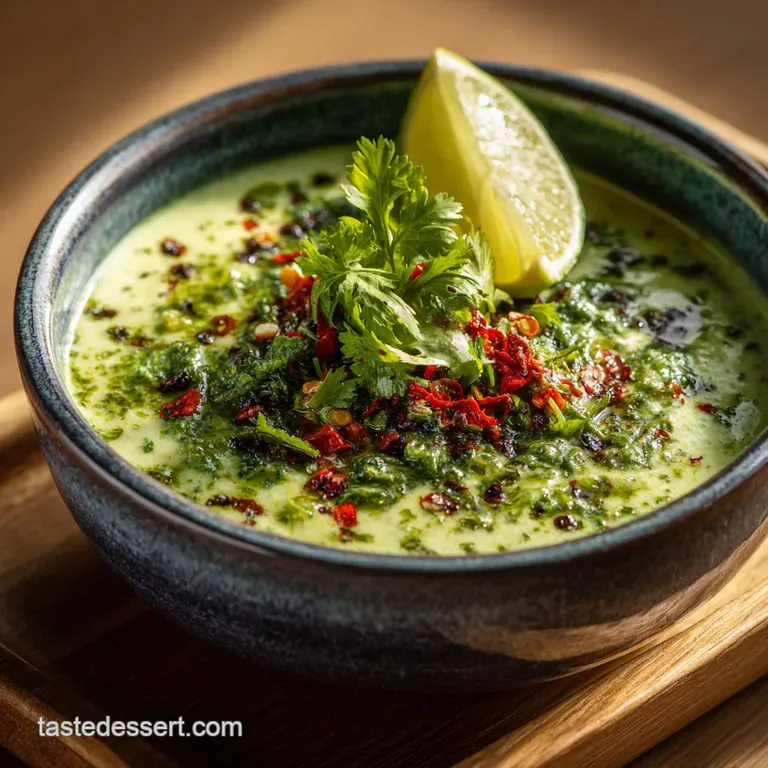
- Introducing Aji Verde: The Essential Peruvian Condiment
- The Science of Flavor: Why This Aji Verde Recipe is Perfectly Balanced
- Essential Ingredients for Authentic Peruvian Green Sauce
- Effortless Blending: Step-by-Step Method for Aji Verde
- Troubleshooting Your Aji Verde: Tips for Perfect Results
- Storing Your Peruvian Green Sauce for Maximum Freshness
- Beyond Pollo a la Brasa: Creative Ways to Use Aji Verde
- Recipe FAQs
- 📝 Recipe Card
Introducing Aji Verde: The Essential Peruvian Condiment
When I started cooking, I always thought the main course was the star. Turns out, I was wildly wrong. This Peruvian Green Sauce, Aji Verde, is the real MVP of any plate it graces. It carries a fragrant, electric aroma spicy, herbal, and impossibly fresh all at once.
Forget bottled condiments forever. Seriously, this Aji Verde is fast, cheap, and makes any basic meal feel gourmet in seconds. It’s my emergency flavour injection for boring Tuesday night dinners, and it whips up in about fifteen active minutes.
Trust me, this version is the one you need. I finally nailed the perfect balance between the creamy cheese, the subtle garlic bite, and the essential aji amarillo pepper paste. We are creating magic in a blender, people. Let's crack on and get this sauce blended.
The Science of Flavor: Why This Aji Verde Recipe is Perfectly Balanced
This sauce shouldn't be complicated, but a truly great Aji Verde needs two things: depth and brightness. We achieve depth by briefly sautéing the aromatics before blending, which removes that harsh, raw, aggressive flavour often found in homemade sauces.
The brightness comes later, provided by a generous squeeze of fresh lime juice and the inherent sweetness of the aji amarillo .
What Makes Aji Verde Different from Pesto or Ranch?
While it has the vibrant green colour of pesto, Aji Verde swaps pine nuts and basil for creamy cheese and loads of cilantro (coriander). It’s nothing like ranch, which relies purely on dairy and seasoning.
Aji Verde utilizes the incredibly unique aji amarillo pepper, offering a specific fruity, tropical heat that simply cannot be replicated by basic jalapeños alone.
Tracing the Roots: The History of Peruvian Green Sauce
Aji Verde is inextricably linked to Pollo a la Brasa , the famous Peruvian roasted chicken dish. While many creamy green sauces exist across Latin America, the Peruvian version is defined by the inclusion of the aji amarillo pepper.
It’s truly a testament to Peruvian ingenuity, taking simple ingredients and turning them into an explosive, national treasure of a condiment.
Why This Sauce Deserves a Spot in Your Fridge
It’s about versatility, plain and simple. Once you have a batch in your fridge, you stop reaching for the ketchup or mayo entirely. This sauce takes leftovers, eggs, and even raw vegetables to a place they have never been before.
Mastering the Heat: Leveraging Aji Amarillo Paste
Aji amarillo paste is non-negotiable for true Aji Verde flavour. It’s not just about fire; it’s about a warmth that is fundamentally fruity and bright, sitting perfectly against the dairy base. If you can’t find the paste, don't use a red chili paste instead you'll miss the profile entirely.
This pepper is central to the taste.
Achieving Unbeatable Creaminess Without Heavy Cream
We get our rich texture by combining two forms of fat: the vegetable oil (a neutral fat) and the queso fresco (a creamy, salty, fresh cheese). When blended properly, the oil emulsifies with the liquid (the milk), resulting in a gorgeously thick, coating sauce.
It requires a powerful blender, but the results are worth the effort.
The Herbaceous Base: Maximizing Cilantro Freshness
You need a good packed cup of cilantro, and yes, you can use the tender stems! They hold a lot of flavour, so don't be afraid to chop them up and throw them in. Make sure your cilantro is bone dry after washing, or you'll risk watering down the final product.
Essential Ingredients for Authentic Peruvian Green Sauce
Sourcing the Star: What to Look for in Aji Amarillo Paste
Aji Amarillo paste should be bright orange yellow and thick. You can usually find it in the international aisle of larger grocery stores or, more reliably, in Latin American markets. If you buy a frozen version, thaw it thoroughly before use.
Queso Fresco Alternatives and dairy-free Options
Queso Fresco provides a mild, milky saltiness. If you can't find it, a good quality crumbled feta cheese works, though it will give the sauce a tangier profile.
For a creamy, non-dairy alternative, I’ve had great luck using soaked and blended raw cashews as the creamy base, perhaps 1/4 cup mixed with the required milk substitute.
Managing Pungency: Onion, Garlic, and Lime Juice Ratios
The key here is restraint. Only 1/4 cup of onion and two cloves of garlic, softened slightly, is enough. We want the pepper and the cilantro to shine, not raw garlic breath. The lime juice comes in right at the end to add that crucial, irresistible tang.
Oil Selection: Neutral Flavor vs. Olive Oil Debate
I use two types of oil in this recipe. I use a little olive oil to sauté the aromatics for flavor depth, but I use a neutral oil (like vegetable or grapeseed) for the main emulsification. Do not use heavy, grassy extra virgin olive oil for the main blend.
It will overpower the subtle flavors of the aji amarillo and cilantro.
Chef’s Note: The cold milk is essential! Adding cold liquid and fat helps the blender create that wonderful creamy emulsion while preventing the herbs from turning brown from frictional heat.
Effortless Blending: step-by-step Method for Aji Verde
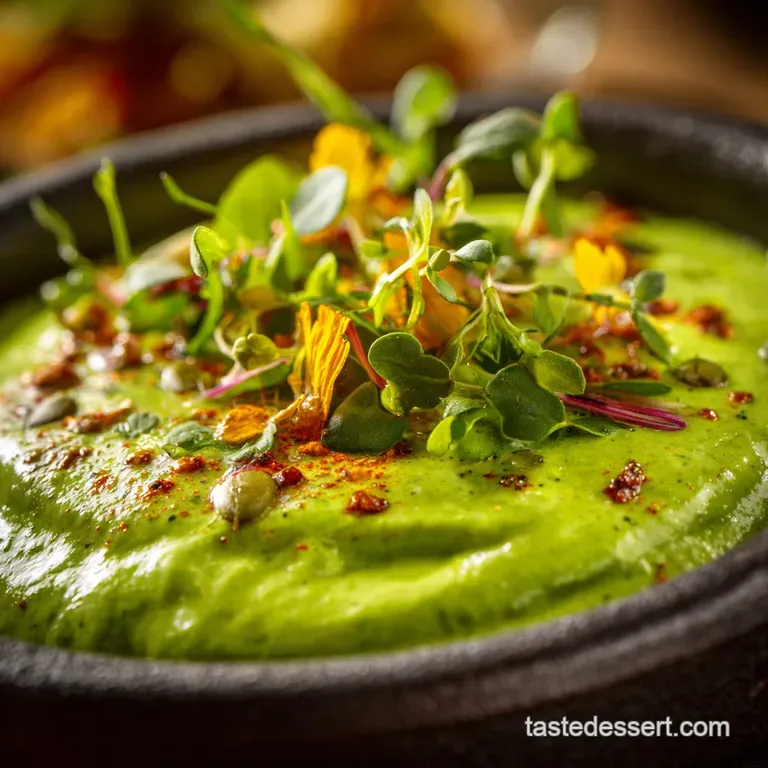
Getting the best flavour requires a tiny bit of pre-work. It's totally worth it!
- Sauté the Aromatics: Heat your olive oil and gently soften the diced onion, smashed garlic, and chopped pepper for about five minutes. Don't let anything burn; we want sweet, tender aromatics. This removes the harsh bite and sweetens the base flavor.
- Cool Slightly: Let the sautéed mixture cool down for five minutes before blending. This protects the colour of your herbs.
- Load the Blender: Throw the cooled aromatics (oil included), the aji amarillo paste, the cold queso fresco, the cold milk, and the vegetable oil into the blender jug first. Then pile in the packed cilantro, lime juice, salt, and pepper on top.
- Blend Low to High: Start slow, then crank it up to high speed. Process until everything is completely smooth and vibrant green it should look like a silky, slightly thick soup. You should see no flakes of herb or cheese.
- Adjust Consistency: If it looks too thick, add a tiny splash more cold milk or water until it flows smoothly.
- Rest and Taste: Chill the sauce for a minimum of 30 minutes. The flavours integrate and mellow beautifully during this rest period. Then taste again and adjust your salt or lime.
Troubleshooting Your Aji Verde: Tips for Perfect Results
The Proper Order of Ingredients for Smooth Blending
Always place the liquids (oil and milk) near the bottom, right above the sautéed ingredients, if possible. The hard, heavy ingredients (cheese) and the easy-to-blend ingredients (paste) go next, with the fluffy cilantro last.
This ensures the blades grab the liquid first, which helps create a vortex for a quick, smooth emulsification.
Texture Check: How to Adjust Viscosity Mid-Blend
The sauce should be coating, meaning it lightly sticks to the back of a spoon, but still definitely pourable. If your blender seems to be struggling to circulate the ingredients, or if it looks too much like pesto, simply add another tablespoon of cold milk until it moves easily.
Seasoning Strategy: When to Add Salt and Vinegar
Always add the primary salt and lime juice before blending, but plan to adjust after the chill time. Why? Salt enhances flavour, and once the heat from the chili and the freshness of the cilantro have integrated during chilling, the overall flavour profile changes.
You’ll often need just a final pinch of salt to make it truly pop.
Preventing a Bitter Taste in Your Green Sauce
Bitterness usually comes from one of two things: Over blending the seeds of a fresh jalapeño, or using old, yellowing cilantro leaves. Always take out the seeds and membranes of the fresh pepper if you are worried about bitterness.
Also, remember blending for too long can create heat, which dulls the chlorophyll and can turn the sauce slightly bitter. Blend only until smooth, then stop!
Achieving Optimal Brightness: Adjusting Acid Post Blend
If the sauce tastes a little heavy or flat after chilling, it probably needs more acid. A splash more lime juice is the answer. Acid is flavour’s best friend. It makes the salt taste saltier and the chili taste fruitier.
Fixing a Sauce That is Too Thin or Too Thick
If your sauce is too thin (too much liquid), add a small wedge of fresh queso fresco and blend until incorporated. The cheese will thicken it almost instantly. If it is too thick, simply add cold milk or water, one teaspoon at a time, until the viscosity is right.
Storing Your Peruvian Green Sauce for Maximum Freshness
Refrigeration Lifespan: Best Practices for Storage
Because Aji Verde contains fresh herbs and dairy, it holds up best in the fridge. Store it in an airtight container and keep it chilled on a back shelf, not the door. It usually stays brilliant for about 4 5 days. After that, the colour starts to fade, and the flavour becomes less punchy.
Freezing Aji Verde: Yes or No? (Texture Concerns)
Can you freeze it? You technically can, but I highly advise against it if you want to use it as a creamy dipping sauce. Freezing and thawing dairy based sauces often causes the emulsion to break, resulting in a grainy, separated texture.
If you absolutely must freeze it, freeze it in small, single use portions (like ice cube trays). Use those thawed cubes only in cooked applications, like stirring into a sauce or soup, where the broken texture won’t matter.
Beyond Pollo a la Brasa: Creative Ways to Use Aji Verde
This sauce is outrageously versatile; it’s like the Swiss Army knife of condiments.
As a Marinade or Sandwich Spread
Slather it onto your next sandwich instead of plain mayo. It adds spice, creaminess, and a brilliant green pop of colour. I also love using this as a quick marinade for fish or pork tenderloin right before grilling.
Elevating Vegetables and Starches (Yuca, Potatoes, etc.)
This is the ultimate partner for starchy sides. Drizzle it generously over roasted sweet potatoes, fried yuca, or crispy potatoes. Need a fantastic appetizer dip? Try dipping a batch of my crispy Air Fryer Green Tomatoes: Ultra Crispy, Easy Panko Recipe into this sauce! The texture combination is divine. It also works beautifully spread onto layers in dishes like my Zucchini Lasagna: Low Carb, Hearty Meat Sauce, and Never Soggy for an unexpected kick of heat and flavour.
Pairing Suggestions: Wine, Beer, and Non-Alcoholic Drinks
Since the sauce is spicy, rich, and acidic, you need a drink that can cut through the richness. A crisp, slightly acidic Sauvignon Blanc works beautifully to complement the lime. If you prefer beer, a light, crisp Lager or a bright Mexican Pale Ale will pair perfectly.
For non-alcoholic options, a sparkling water with a heavy slice of lime and maybe a little cucumber is incredibly refreshing.
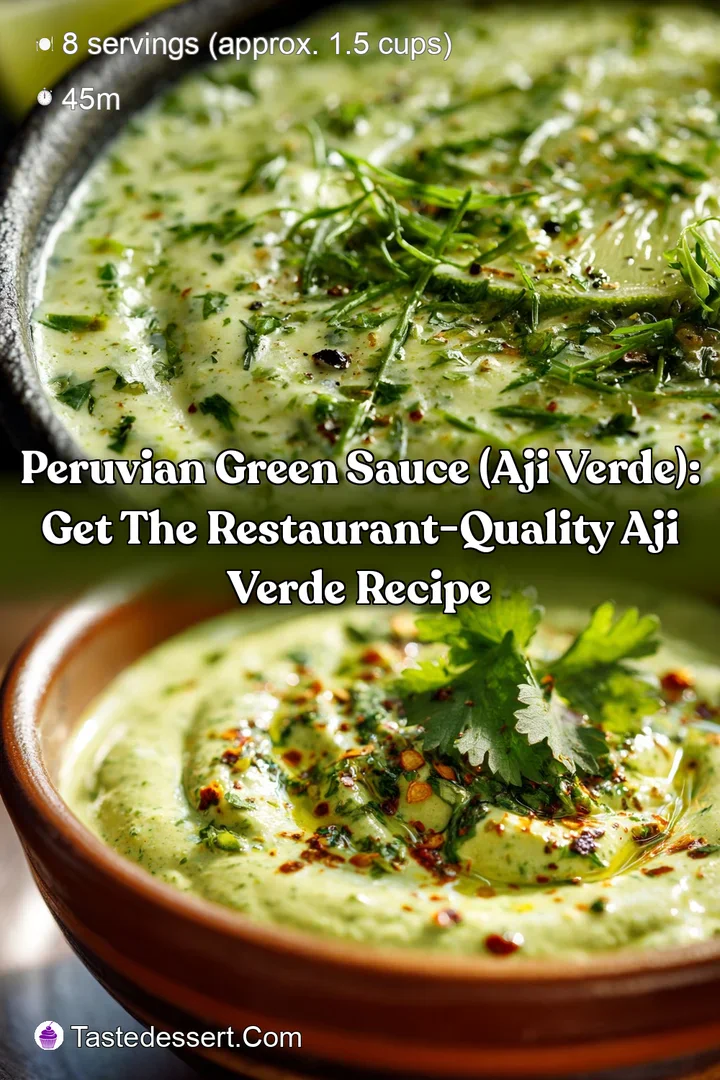
Recipe FAQs
I cannot find Aji Amarillo paste. Is there a good substitute?
While Aji Amarillo is essential for the authentic, fruity heat profile, you can create an acceptable substitute using a mixture of readily available peppers. Try using a fresh jalapeño or serrano pepper (removing the seeds for less intense heat) combined with a teaspoon of sweet paprika and a tiny pinch of turmeric for color.
This blend provides heat and color, but note that the subtle fruity flavor will be slightly different from the traditional Aji Amarillo.
My Aji Verde is too thin and runny. How can I fix the consistency?
The thickness of Aji Verde relies heavily on the emulsification of the oil and the body provided by the dairy (queso fresco or mayonnaise). To thicken a runny sauce, try adding another quarter cup of queso fresco or a tablespoon of plain mayonnaise and pulse until fully blended.
If you are avoiding dairy, a small handful of soaked, raw cashews blended into the sauce will also achieve a beautifully thick and creamy texture.
Can this Peruvian Green Sauce be made vegan or dairy-free?
Absolutely, it is simple to adapt this recipe. Replace the queso fresco completely with either silken tofu or raw cashews that have been soaked in hot water for 15 minutes and drained.
You will maintain the necessary creaminess and body, although you may need to adjust the acid (lime juice or vinegar) to balance the flavors lost from the tangy cheese.
Why does my sauce taste bitter, and how do I neutralize it?
Bitterness often occurs if the sauce is over blended, causing the heat generated by the blender to "cook" the herbs, or if you included too many tough cilantro stems. Ensure you only use the leaves and tender stems, and blend in short, quick pulses.
If the bitterness persists, you can try adding a small amount of acid, like extra lime juice, or a teaspoon of sugar or honey to help balance the flavor profile.
How long can I store Aji Verde, and does it freeze well?
Aji Verde keeps exceptionally well in an airtight container in the refrigerator for 5 to 7 days. Freezing the sauce is possible, though the texture, particularly due to the dairy content, might separate or become slightly grainy upon thawing.
If freezing, stir vigorously or re-blend after thawing to restore some of the original texture, and consume within two months for best results.
I strongly dislike cilantro/coriander. Can I use another herb?
While cilantro is the defining characteristic of traditional Aji Verde, you can reduce its impact by using a blend of herbs. We recommend a 50/50 mix of cilantro and flat leaf parsley to maintain the vibrant color while muting the dominant flavor you dislike.
Be mindful that using herbs like basil or mint will result in a completely different flavor profile, leaning more toward Italian pesto.
Besides Peruvian Chicken, what are the best ways to use Aji Verde?
Aji Verde’s versatility makes it perfect for almost any savory dish. Use it as a vibrant dip for fried plantains or french fries, spread it inside sandwiches or wraps instead of mayonnaise, or thin it slightly with olive oil and use it as a powerful dressing for roasted potatoes or grain bowls.
It also works fantastically as a quick marinade for shrimp or firm white fish before grilling.
Easy Peruvian Green Sauce Recipe
Ingredients:
Instructions:
Nutrition Facts:
| Calories | 192 kcal |
|---|---|
| Protein | 7.7 g |
| Fat | 14.6 g |
| Carbs | 8.1 g |
