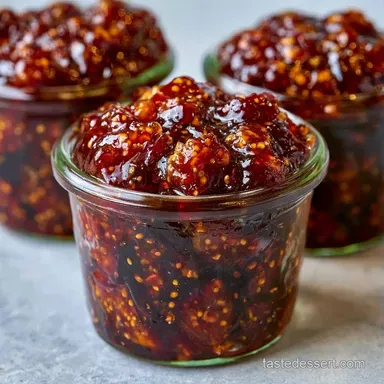
Fig Jam: Fresh and Homemade
- Time: 10 min active + 30 min cooking
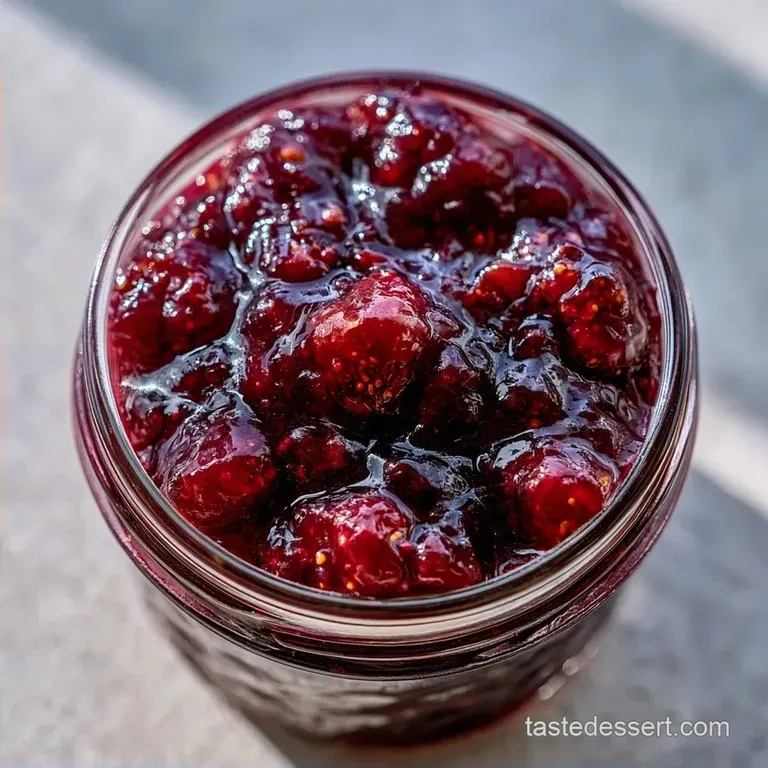
- Flavor/Texture Hook: Deep mahogany hue with a glossy, smooth appearance
- Perfect for: Charcuterie boards, breakfast toast, or as a gift
The aroma of figs simmering on the stove is incredible. It begins with a light, fruity fragrance and transforms after about twenty minutes into a rich, caramelized scent that permeates the room.
I once worried the mixture would remain a runny syrup, but seeing that characteristic gloss develop is the surest sign of success.
Fresh figs are notoriously fleeting since they spoil so rapidly. You might buy them on Tuesday only to find them mushy by Thursday. This is why a quick, small-batch approach is so effective. You can utilize a handful of fruit before they over-ripen and create something decadent to pair with toasted sourdough.
The goal is a dense, dark Fig Jam that avoids tasting like candy. We're emphasizing the fruit's natural earthiness. The process is simple, though the timing of that final set is where the real magic happens.
Quick Details on This Fig Jam
This recipe makes a small batch of about one cup. It is a fast process that doesn't require spending an entire day canning.
- - For a firmer set
- add 1 tsp extra lemon juice.
- - For a chunkier texture
- quarter the figs into larger pieces.
- - For deeper color
- simmer for an extra 5 minutes.
Gathering Your Jam Ingredients
Mission figs are my top choice for their reliable sweetness, though Black figs serve as a wonderful substitute. Be sure to include the lemon juice; it prevents the jam from tasting bland and ensures it thickens correctly.
Why this? Lemon juice adds the necessary acidity to help the pectin bond for a natural gel.
| Ingredient | What It Does | Best Swap |
|---|---|---|
| Fresh Figs | Provides bulk, pectin, and flavor | Dried figs (soak first) |
| Granulated Sugar | Preserves fruit and thickens | Honey (reduces set firmness) |
| Lemon Juice | Balances sweetness and helps set | Lime juice |
| Vanilla Extract | Adds a warm, floral undertone | Maple syrup |
While there are many sugar substitutes available, granulated sugar is ideal for a traditional set. For a different fruit profile, check out this Strawberry Jam recipe to see how various berries interact with sugar.
Essential Tools for the Job
No specialized equipment is required here. The most important tool is a heavy-bottomed pot; if you use a thin pan, the sugar may scorch before the figs have time to break down.
I typically use a 2 quart stainless steel saucepan. A silicone spatula is also useful for scraping the sides to prevent the sugar from crystallizing along the edges of the pot.
Step by step Cooking Process
Time to start the cooking process. We're using the stovetop here, as it's far more effective for small amounts than an oven.
| Method | Speed | Control | Best For |
|---|---|---|---|
| Stovetop | Quick | High | Small batches, exact set |
| Oven | Slow | Low | Large quantities, easy prep |
- Combine the quartered figs, sugar, and lemon juice in a heavy saucepan.
- Stir over medium heat until the sugar dissolves and the figs let go of their juices to create a syrup.
- Bring the mixture to a light boil, then immediately reduce the heat to a simmer.
- Stir often until the liquid reduces into a thick, glossy syrup (about 20-25 minutes).
- Use the Freezer Test to verify the consistency. Note: This stops you from overcooking the jam into a gummy paste.
- Put a small amount of Fig Jam on a frozen plate for 30 seconds.
- Gently push the jam with your finger; it should wrinkle and keep its shape.
- Mix in the vanilla extract and salt just before removing the pan from the heat.
Fixing Common Jam Issues
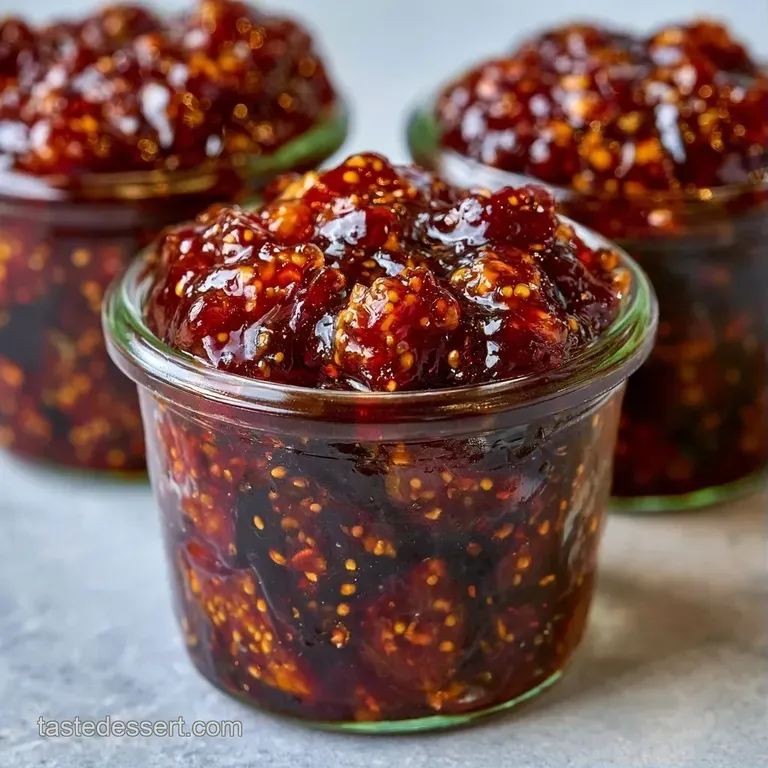
Even straightforward recipes can hit a snag. The most frequent challenge is achieving the correct set. Because pectin levels in figs fluctuate based on ripeness, your exact timing may vary by a few minutes.
If your jam appears pale, the sugars likely haven't concentrated enough from simmering. Don't worry if it looks thin while boiling; jam always thickens considerably as it cools.
Fixing Runny Jam
If the freezer test fails, keep simmering for another 5-10 minutes. If it remains runny, a small amount of additional lemon juice can help the pectin bind.
Fixing Burnt Sugar
Dark brown specks or an acrid aroma indicate the sugar has scorched. You cannot reverse the burning, but if it's only mild, you can try straining out the burnt particles.
| Problem | Root Cause | Solution |
|---|---|---|
| Jam won't set | Low pectin or undercooked | Simmer 5-10 mins longer |
| Grainy texture | Sugar didn't dissolve | Stir more frequently over medium heat |
| Bitter taste | Too much lemon or scorched | Balance with a pinch more sugar |
Creative Ways to Mix It Up
Feel free to experiment with the flavors once you've mastered the basic method. To create a French Fig Jam Recipe, stir in a splash of Cognac or a pinch of cinnamon during the final simmer; this gives the preserve a more complex and refined profile.
For a savory alternative, replace the vanilla with a pinch of rosemary or thyme. This version is delicious served on a toasted baguette with brie. Alternatively, you can use this spread as a sweet filling for Homemade Fig Newtons.
If you are making a Dried Fig Jam Recipe, begin by soaking the figs in warm water for 30 minutes. Since dried fruit doesn't release as much juice as fresh, be sure to add a bit more liquid to the pot.
Keeping Your Jam Fresh
Keep your jam in a clean glass jar. Since we aren't doing a full water bath canning process, this stays in the cooler. It lasts about 3 weeks in the fridge.
You can freeze this for up to 6 months. Just leave a little head space at the top of the jar so the glass doesn't crack when the jam expands.
To avoid waste, use the fig stems to infuse a simple syrup for cocktails or tea. If you have a bit of jam left in the jar that's too sticky to scoop, pour in some hot water, shake it, and you've got a quick fig flavored syrup for pancakes.
The Best Ways to Serve
This is where the Fig Jam really shines. It's a powerhouse on a charcuterie board. Pair it with a sharp cheddar or a creamy goat cheese for a great contrast.
If you're feeling adventurous, try it on a Goat Cheese Pizza as a drizzle after it comes out of the oven. The sweetness cuts through the salt of the cheese beautifully.
It's also a great addition to a grilled cheese sandwich. Use a sourdough bread and a mix of gruyère and fontina. Spread a thin layer of jam on the inside before grilling.
What Makes the Texture Work
The texture comes down to the natural chemistry of the fruit. According to Serious Eats, pectin is a structural polysaccharide found in the cell walls of fruits.
Natural Pectin: Figs have a high concentration of this, which creates a mesh that traps liquid.
Acid Balance: The lemon juice lowers the pH, allowing that pectin mesh to tighten and set.
Without the acid, the pectin stays loose, and you end up with a syrup instead of a jam. This is why the lemon juice is non negotiable for a proper set. It's the difference between a sauce and a preserve.
Recipe FAQs
Where can I use fig jam?
Pair it with sharp cheeses, toasted brioche, or roasted meats. Its concentrated sweetness cuts through salty flavors, similar to how we balance fruit and glaze in raspberry swirl rolls.
Is it true that fig jam is anti-inflammatory?
No, and here's why. While raw figs contain beneficial nutrients, the high concentration of sugar required to set a jam overrides those specific health properties.
Which fruit works best: fresh or dried figs?
Stick with fresh figs. They provide the essential moisture and a bright, nuanced flavor profile that dried fruit cannot replicate in a stovetop jam.
How do you make this jam without adding pectin?
Simmer the figs, sugar, and lemon juice for 20–25 minutes. The acidity from the lemon juice activates the fruit's natural pectin, creating a thick, glossy set.
What ingredients go into fig jam?
Fresh figs, granulated sugar, lemon juice, vanilla extract, and sea salt. These five components create a balanced, aromatic preserve without needing artificial thickeners.
Fig Jam in 35 Minutes